

Most people use the term “arrested development” to describe someone who seems stuck at a younger emotional age. It is not the same thing as immaturity or laziness or lack of motivation. Arrested development is a developmental pause created by chronic stress, emotional neglect, inconsistent caregiving, or overwhelming environments.
Certain emotional skills do not develop properly if a child doesn’t get the safety, modeling, or co‑regulation they need.
These individuals may show younger age behavior patterns in conflict, communication, self‑soothing, or responsibility as adults, because those skills were never supported in the first place.
Arrested development can manifest in various aspects of life, shaping relationships, behaviors, and perceptions in subtle yet impactful ways.
We discuss the causes, manifestations, and the implications of arrested development, offer insights and strategies to foster resilience, growth, and authenticity on the path towards self-actualization, and provide links to additional resources.
Do I Have Arrested Development? How to Know for Sure
Table of Contents
- What is Arrested Development?
- Why The Topic of Arrested Development is Trending Again
- Definition of Arrested Development
- What Causes Arrested Development?
- What are the Symptoms and Psychology of Arrested Development?
- Signs and Examples of Arrested Development in Real Life
- How Arrested Development Affects Adult Identity and Purpose
- How to Know If It's Really Arrested Development
- DSM-5 Criteria Related to Emotional or Psychosocial Immaturity
- Recent Research on Developmental Interruption and Adult Functioning
- What are Some Differences Between Arrested Development and Narcissism?
- Strategies for Overcoming Developmental Stagnation
- Arrested Development Questionnaire
- Additional Resources and Book Recommendations
- Have You Experienced Trauma?
- Frequently Asked Questions
- How to Know if You Need Professional Help and Support
What is Arrested Development?
Are you in a relationship with someone who hesitates to take responsibility or make commitments? Do you know a grown person who behaves more like a child or teen? “Arrested development” is a term that describes this condition. Causes of arrested development vary.
This psychological phenomenon describes people who fail to progress emotionally, socially, or psychologically beyond a certain point in their lives. This stagnation can have profound effects on their well-being and relationships.
Get the Best Book to Help You Conquer Arrested Development: Healing Your Map
For those who are passionate about helping others overcome the effects of emotional stagnation and trauma, pursuing a career in psychology can be deeply rewarding. If you are interested in exploring global opportunities in this field, you can find psychology-related positions that offer visa sponsorship at https://jooble.org/jobs-psychologist-visa-sponsorship. These roles open doors to meaningful work supporting the mental health of those experiencing conditions such as arrested development, helping them move toward healing and growth.
Why The Topic of Arrested Development is Trending Again
Conversations about emotional immaturity, attachment wounds, and “inner child work” have exploded across social media in 2025–2026.
People increasingly recognize that what they once labeled “toxic behavior” or “immaturity” often reflects a developmental adaptation rooted in early relational experiences.
This renewed interest makes arrested development an important concept for understanding adult relationships, conflict patterns, and healing.
Definition of Arrested Development
Arrested development is a psychological condition in which an individual’s emotional, social, or cognitive growth is halted at a specific stage of development. Unresolved trauma, chronic neglect, or overwhelming stress during formative years can interrupt progression.
The person may continue to function with coping mechanisms, relationship patterns, or emotional responses from an earlier developmental phase.
In adults, this may manifest as:
- Difficulty regulating emotions.
- Avoidant or dependent relationship styles.
- Impulsive decision-making.
- A persistent sense of being “stuck” or unable to move forward in life.
While it is not formally classified as a mental illness in the DSM-5, arrested development is a trauma-informed concept that helps explain why some struggle with adult responsibilities, emotional resilience, or self-identity.
Healing often involves compassionate therapeutic support, inner child work, and gradual re-engagement with the developmental tasks that were missed or interrupted.
In essence, arrested development is a survival adaptation. Understanding it through a trauma-informed lens allows us to meet ourselves and others with empathy, patience, and hope for growth.
To learn more, visit: How to Spot the Signs of Unresolved Childhood Trauma.
What Causes Arrested Development?
Trauma, grief, or neglect can interrupt healthy development. When a child, preteen, or adolescent faces an experience they cannot resolve, their growth may stall. This often happens when parental nurturing is absent or inconsistent.
If the child doesn’t get the nurturing required, their psychological development may not move ahead and in fact, they may remain frozen at the stage they are into adulthood. Adult children who remain in a dependent or co-dependent relationship with a parent often experience arrested development.
These people may live at home as adults and may be unwilling to assume adult responsibilities. For example, they may refrain from or delay marrying or having children or buying a home. They may also struggle with alcohol or substance abuse or other addictions and have difficulty with committed relationships.

Causes of Arrested Development, Continued
Some think that arrested development is an inherited psychological condition. But most believe that it’s a child’s defense against psychological or emotional pain and that childhood trauma and unresolved issues are often the primary cause.
Traumatic events experienced during childhood, such as abuse, neglect, or the loss of a loved one, can impede emotional and social development.
Take a 5 Question Childhood Trauma Quiz
If these traumas are not addressed and processed, those impacted may remain stuck in certain emotional states, unable to move forward and reach their full potential. For example, a child who loses a parent may process that loss effectively, if they are supported by others.
But a child who doesn’t have support may be unable to release their grief effectively. Being unable to process their grief may cause them to remain stuck at that emotional age of development indefinitely.
Difficulties may be fueled by a fear of change and a reluctance to take risks. This fear may stem from past failures, rejection, or a lack of self-confidence. As a result, those who suffer may avoid stepping out of their comfort zones, resisting opportunities for personal growth.
Their fear of change acts as a barrier, keeping them trapped in a state of emotional and social stagnation.
Get Your Copy of Arrested Development: A Journey to Discovering Identity and Purpose
What are the Symptoms and Psychology of Arrested Development?
It can be a strong clue that one suffers from arrested development if they display childish behaviors. Some examples of specific behaviors to look out for include:
- Tantrums: Being unable to manage anger or other emotions, or to keep an even keel. Sometimes these episodes can result in physical altercations or damage to property.
- Telling Lies: They may try to explain poor behavior with an elaborate story or attempt to cover up mistakes they have made.
- Name-calling and Bullying: Making fun of other’s physical appearance, personality characteristics or social circumstances.
- Poor Impulse control: Those with arrested development may exhibit lack of self-control, make rash decisions and interrupt others.
- Blame-Shifting: Individuals with arrested development look for others to blame. Or make other excuses for their own behavior.
- Seeking the Spotlight: Like unruly children, an adult with arrested development tends to dominate the situation. They can be overbearing and rude to others around them.
- Self-Centeredness: Those with arrested development tend to not see other’s feelings or beliefs or activities or needs as important as their own and may go so far as to have an altered view of reality. This can result in gaslighting those around them.
- Some may exhibit greed, immaturity or irrational fear.
- Others may develop addictions and be prone to blame others for their misfortunes.
Major developmental delays may occur in several major categories.
Limited Social Skills and Interpersonal Challenges
Arrested development sometimes manifests in limited social skills and interpersonal difficulties.
People with arrested development often struggle to form and maintain meaningful relationships because they may lack emotional intelligence and social competence, and may find it challenging to connect with others, express their emotions, or empathize with different perspectives.
Get More Resources to Help You Deal with Unresolved Childhood Trauma

These social limitations perpetuate their arrested development, as they hinder the ability to engage in healthy emotional exchanges and personal growth through relationships. Being in a relationship with a person who suffers from arrested development can be frustrating.
But, as with almost everything, it can help to focus on compassion for the victim. They may be the way they are due to a challenging childhood. And in many ways, they are still that neglected or abused child.
Fixed Mindset and Resistance to Growth
Possessing a fixed mindset and resisting personal growth are common features of arrested development. Those with a fixed mindset believe that their abilities and qualities are set in stone and cannot be changed or improved. This fixed mindset can lead to a lack of motivation for personal growth, difficulty with learning and academic achievement, or the belief that personal change is impossible.
Resisting growth further perpetuates their arrested development, preventing them from embracing new experiences and opportunities for self-improvement.
Lack of Self-Awareness and Reflection
Arrested development can be reinforced by a lack of self-awareness and reflection. Without self-awareness, people may be oblivious to their emotional stagnation and the underlying factors contributing to it.
Self-reflection is necessary for personal growth, as it allows us to examine our thoughts, emotions, and behaviors, gaining insight into patterns or barriers that prevent further development.
Cognitive Impacts
Another unfortunate impact of arrested development is that it may delay or impair the brain’s ability to develop and acquire cognitive skills. Those with arrested development may struggle with learning, problem-solving, memory, and other cognitive functions.
Learning and Memory. People with arrested development often face challenges in acquiring new knowledge and retaining information. Their ability to process and comprehend new concepts may be delayed or impaired. This can manifest in difficulties in academic settings, where learning and memory play a critical role.
Problem-Solving and Decision Making. Arrested development can hinder a person’s problem-solving and decision-making. They may struggle to analyze complex situations, find effective solutions, and make decisions based on logical reasoning. This can impact their ability to navigate daily challenges and adapt to new circumstances.
Executive Functions. Executive functions include critical skills like attention, planning, organizing, and self-control. Those with arrested development may be deficient in these areas, finding it challenging to focus, stay organized, manage time, or regulate their emotions effectively.
Language and Communication. Language and communication skills can also be affected. Those impacted may experience delays or difficulties in language development, such as expressing themselves or understanding verbal and written information.
These challenges can hinder social interactions and limit their ability to effectively communicate with others.
Signs and Examples of Arrested Development in Real Life
These arrested development patterns and examples often show up in subtle, everyday ways across relationships and situations:
- Avoiding difficult conversations: ghosting, disappearing after conflict, or switching topics when emotions rise.
- Black‑and‑white thinking: people are “all good” or “all bad,” with little room for nuance.
- Difficulty with self‑soothing: relying on distraction, overwork, or others to regulate emotions.
- Conflict as danger: shutting down, freezing, or becoming defensive when someone expresses a need.
- Fantasy‑based coping: idealizing relationships, expecting rescue, or imagining a “perfect future self” instead of taking small steps now.
- Responsibility confusion: over‑functioning or under‑functioning in relationships, often switching between the two.
Signs and examples of arrested development behaviors in specific environments are described below.
Arrested Development and Parenting
A parent who avoids conflict may flip between permissive rules and sudden harsh reactions when they feel overwhelmed, so a child never learns predictable boundaries. The child responds by testing limits or withdrawing; over time they internalize inconsistency as the normal emotional environment and struggle to trust adult regulation.
When a caregiver routinely hands an upset child a device or defers emotional moments to friends, the child misses learning how to name feelings and tolerate distress. Without modeling co‑regulated soothing, the child becomes prone to self‑soothing habits that look like independence but mask underdeveloped emotional skills.
Signs of Arrested Development at Work
An employee who deflects responsibility frequently blames teammates for missed deadlines and reacts defensively to constructive feedback, which prevents growth and corrodes trust. Colleagues compensate or withdraw, workflows degrade, and the person avoids learning because accountability feels threatening.
A manager who sidesteps performance conversations will instead focus on trivial tasks or micromanage to feel productive without addressing underlying team issues. This creates surface busyness while performance problems fester, leaving staff confused about expectations and stuck without real leadership.
Arrested Development and Finances
Someone who avoids budgeting or financial planning underestimates bills until an emergency forces a crisis response such as panic borrowing, last‑minute loans, or relying on others. These stopgap fixes temporarily resolve stress but compound instability and prevent learning steady money management.
When one partner refuses to engage in basic financial planning, saying “I don’t want to worry about money,” the other absorbs responsibility and anxiety, and the household lacks shared contingency plans. Over time this imbalance breeds resentment, reduces financial resilience, and often produces avoidable crises.
Arrested Development and Intimacy
After a disagreement, a person who retreats into hobbies or emotional solitude rather than repair leaves their partner feeling abandoned and unheard. Repeated withdrawal trains the partner to stop bringing up sensitive topics, gradually shrinking the couple’s emotional life.
When someone habitually responds to vulnerability with immediate solutions or jokes, they sidestep the emotional content and deny proximity. This pattern keeps conversations transactional and prevents the deeper exchange of needs that builds intimacy.
Signs of Emotional Immaturity in Relationships
A partner who offers quick, formulaic apologies but returns to the same hurtful behavior communicates that accountability is performative rather than sincere. Over time the harmed partner loses trust that the other can change, deepening relational cynicism and emotional distance.
A friend who repeatedly cancels plans and downplays the impact of those cancellations signals limited capacity for consideration and follow‑through. Those on the receiving end begin to avoid relying on the friend, and the relationship shifts toward surface‑level interaction.
Decision Making
Faced with a career change, someone who waits for the “perfect” moment postpones decisions indefinitely, using perfectionism as a defense against risk and responsibility. Opportunities pass, and chronic indecision becomes a self‑fulfilling barrier to growth.
When discomfort becomes intolerable, a person may make abrupt, short‑term decisions. Quitting jobs. Making splurge purchases. Ending relationships. This is all an effort for them to regain immediate control. Those reactive moves provide temporary relief but often create larger problems that require new dependence on rescuers.
Conflict
Small unmet needs accumulate because they’re not named; avoidance prevents repair, and resentment builds until a comparatively small event triggers a disproportionate outburst. The cycle of avoidance, accumulation, explosion damages trust and makes future repair harder.
A person who alternates between stonewalling and sudden dramatic anger shows unstable regulation rather than consistent malice: they can’t tolerate sustained discomfort, so they either shut down or amplify emotion to resolve internal pressure. Partners are left guessing which pattern will follow and lose confidence in predictable responses.
Parenting Adult Children
An adult child who still calls a parent before routine decisions (appointments, social plans) often grew up without practices that built autonomous planning and boundary setting. This ongoing dependence reduces both parties’ agency and prevents the adult child from developing confidence in independent problem‑solving.
A parent who pays bills, fixes consequences, or constantly intervenes because stepping back feels unbearable sustains the cycle of dependence. Short‑term comfort for both masks long‑term harm. The child never learns to tolerate problem‑solving stress, and the parent remains stuck in caretaker mode.
How Arrested Development Affects Adult Identity and Purpose
One of the most painful consequences of arrested development is the feeling of being emotionally “stuck”, not just in relationships or responsibilities, but in identity itself. Adults who experienced developmental interruptions often struggle with questions like:
- Who am I when I’m not performing or pleasing others?
- What do I actually want? (Not what I was told to want.)
- Why do I feel like I’m still waiting for permission to grow?
These questions reflect a deeper disruption in the formation of self. When emotional development is halted, the inner scaffolding that supports identity (autonomy, self-trust, emotional literacy) may remain underdeveloped. As a result, many adults feel like they’re living someone else’s life, chasing goals that don’t feel authentic, or stuck in cycles of indecision and self-doubt.
This can manifest as:
- Chronic indecisiveness or fear of making “wrong” choices.
- Difficulty setting long-term goals or imagining a future.
- A tendency to mirror others’ values or suppress personal desires.
- Feeling unworthy of purpose, passion, or leadership.
Healing begins with reclaiming the developmental tasks that were missed, not through force, but through trauma-informed exploration. Practices like structured journaling, inner child work, and values clarification can help rebuild identity from the inside out.
You’re allowed to begin again, no matter how long you’ve felt stuck. See also:
Inner Child Healing Exercises: How to Heal What’s Hidden.
How to Heal Your Inner Child and Thrive Now.
Re-Parent Your Inner Child: All You Need to Know.
How to Know If It’s Really Arrested Development
We all know someone who breaks promises. They may start projects, only to abandon them mid-way through. Maybe they can’t commit to a routine, or a job schedule. When you make plans to meet, they show up late or not at all. They avoid difficult conversations and confrontation.
As a result of their inability to commit, their relationships are often transitory or superficial. They may be unable to commit to a life partner or to purchase their own home.
Some people who experience these challenges are experiencing arrested development. But some may just have personality tendencies that resemble the condition.
DSM-5 Criteria Related to Emotional or Psychosocial Immaturity
In everyday trauma‑informed conversations, arrested development is often used as a shorthand for the ways unresolved childhood experiences can freeze aspects of emotional growth. While this metaphor can be illuminating, it is not a formal diagnostic category. To reduce confusion, it helps to distinguish this lay concept from established DSM‑5 classifications.
A key distinction to keep in mind is that arrested development is a trauma‑informed metaphor describing stalled emotional growth. DSM categories are formal diagnostic frameworks with specific criteria, used by clinicians for assessment and treatment planning.
As a result, there is no standalone DSM-5 diagnosis labeled “arrested development.” However, patterns of emotional immaturity or dependency often overlap with recognized disorders in the DSM-5, especially Dependent Personality Disorder.
Dependent Personality Disorder
Dependent Personality Disorder is characterized by pervasive and excessive need to be taken care of, leading to submissive and clinging behaviors. See the DSM‑5 description here. To meet the criteria for Dependent Personality Disorder, an individual must exhibit a pervasive and excessive need to be taken care of that begins by early adulthood.
The DSM-5 lists eight possible signs, five of which must be present for a formal diagnosis:
- Difficulty making everyday decisions without excessive advice and reassurance from others.
- An inability to assume responsibility for major life tasks without support.
- Fear of being unable to care for oneself if left alone, often leading to submissive behavior.
- Difficulty expressing disagreement because of fear of loss of support or approval.
- Urgent seeking of new relationships when a close relationship ends.
- Feelings of helplessness when alone, accompanied by exaggerated fears of being unable to cope.
- Preoccupation with fears of being left to care for oneself.
- Willingness to tolerate mistreatment to obtain care and support.
Other DSM-5 categories such as certain presentations of adjustment disorder can also capture prolonged reactions to life stressors that halt expected developmental progress.
Other Conditions Not included in DSM-5 Categories
Complex PTSD: Not a DSM‑5 diagnosis but recognized in ICD‑11 and widely discussed in clinical reviews. It involves the core symptoms of PTSD plus disturbances in self‑organization (emotion regulation, self‑concept, and relational capacities).
Emotional neglect outcomes: While not a discrete DSM category, research shows chronic childhood neglect can contribute to difficulties in self‑esteem, attachment, and affect regulation. These outcomes often overlap with mood and anxiety disorders rather than forming a standalone diagnosis. See clinical overview in Frontiers in Psychology.
Recent Research on Developmental Interruption and Adult Functioning
Emerging evidence continues to underscore the profound impact of early trauma and developmental interruption on adult functioning. Studies consistently show that adverse childhood experiences (ACEs) disrupt normative psychological and neurobiological development, increasing vulnerability to psychiatric disorders, relational difficulties, and impaired resilience in adulthood.
These findings highlight the importance of distinguishing metaphorical concepts like arrested development from clinically validated diagnostic frameworks.
Neurobiological research demonstrates that developmental trauma alters brain structure and function, particularly in regions responsible for emotion regulation and social cognition.
Survivors of developmental trauma often exhibit heightened threat detection systems, which can manifest as difficulties in trust, intimacy, and adaptive coping. Such changes are not merely metaphorical “stalled growth” but measurable disruptions in neural pathways that shape adult functioning.
Childhood Neglect and Long-Term Outcomes
Clinical reviews further connect childhood neglect and maltreatment with long‑term outcomes such as depression, anxiety, PTSD, and substance use disorders.
Importantly, trauma exposure has been linked to accelerated biological aging and increased risk of chronic health conditions, suggesting that developmental interruption affects both psychological and physical trajectories across the lifespan.
These outcomes often overlap with DSM categories but extend beyond them, reinforcing the need for trauma‑informed frameworks in both clinical and lay contexts.
Intervention studies emphasize that trauma‑informed care, cognitive‑behavioral therapy (CBT), and community‑based supports can mitigate these long‑term effects.
Evidence suggests that early, sustained intervention fosters resilience, improves relational functioning, and reduces the likelihood of chronic psychiatric conditions.
This aligns with trauma‑informed coaching practices that emphasize self‑compassion, emotional regulation, and adaptive leadership strategies—bridging the gap between metaphorical language and clinical science.
What are Some Differences Between Arrested Development and Narcissism?
There are some similarities between arrested development and narcissism, however, there are also distinct difference that help us to distinguish one from the other.
- Narcissism primarily revolves around an excessive focus on oneself, a need for admiration, and a lack of empathy. In contrast, arrested development is centered around emotional and psychological stagnation. People with arrested development display behaviors and thought patterns characteristic of an earlier stage of development.
- Those with narcissistic tendencies prioritize their own needs and desires above others, leading to difficulties in maintaining healthy relationships. Their lack of empathy and constant need for validation can strain interpersonal connections. On the other hand, arrested development can hinder emotional intimacy and contribute to codependent dynamics, as those with arrested development may struggle with emotional regulation and self-sufficiency.
- While both narcissism and arrested development can benefit from therapy, the treatment approaches often differ. Narcissistic personality disorder may require specialized therapeutic techniques aimed at addressing deep-rooted patterns of behavior and fostering empathy. In contrast, therapy for those with arrested development may focus on helping them develop the skills and coping mechanisms necessary for emotional growth and maturity.
To learn more, visit:
Signs You are in Love with a Narcissist.
How to Set Boundaries with a Narcissist.
Find More Resources to Help You Recover from a Narcissistic Relationship
Strategies for Overcoming Developmental Stagnation
One of the common causes of arrested development is unresolved trauma in childhood, adolescence or even adulthood. The trauma, when poorly processed, can cause a person to freeze at their stage of emotional development, and to be unable to move onto further adult phases and commitments.
Techniques that can help appropriately surface and diffuse past trauma are the key to helping adults get “unfrozen” and continue the maturation or development process.
Some believe healing may happen through life experiences (e.g., “adulting”). But others believe people who are experiencing this condition can only move on if they encounter an adult who helps them effectively process their trauma. That person also must demonstrate behavior appropriate to the next phase of development.
The American Psychological Association (APA) has identified a number of other strategies to treat unresolved trauma. They include (but are not limited to) cognitive processing therapy (CPT), prolonged exposure (PE) therapy and cognitive behavioral therapy (CBT).
In addition, building emotional resilience and completing missed developmental tasks can be helpful.
This begins with practical, evidence-based interventions. The following strategies can help those who are struggling to move beyond patterns of arrested growth:
- Develop a weekly autonomy goal (for example, deciding on your own lunch menu). Track progress and celebrate each win to reinforce self-reliance.
- Practice assertive communication through journaling and role-playing. Script common scenarios where you express needs or set boundaries, then refine your wording to build confidence.
- Use cognitive restructuring techniques, such as thought records, to challenge beliefs of incapacity. Replace self-defeating narratives with balanced, fact-based statements.
- Seek guided support in therapy modalities like cognitive behavioral therapy. A clinician can help you process unresolved emotional blocks tied to early experiences.
- Expand your support network by joining peer-based workshops or coaching circles. Shared accountability and constructive feedback foster secure attachments.
- Incorporate mindfulness and somatic exercises—such as guided body scans or breathwork—to increase awareness of physical sensations tied to anxiety, grounding you in the present.
- Build practical life skills incrementally, including managing finances, setting healthy routines, and handling household tasks independently. Small successes reinforce competence and self-efficacy.
As with any mental health or psychological issue, specific treatments should only be prescribed by a licensed provider.
Arrested Development Questionnaire
Using a questionnaire to determine if someone may have signs of arrested development should be approached with caution, as mental health assessments should ideally be conducted by trained professionals.
However, it can be helpful to use an arrested development questionnaire as an initial screening tool, to learn more about whether professional help is needed.
Additional Resources and Book Recommendations
If you or someone you love is struggling with arrested development, we recommend these insightful books that can offer valuable insight and guidance.
Healing Your Map: A Guide to Understanding Discernment, Trauma and Human Behavior
With a compelling blend of wisdom and compassion, this book serves as a beacon of hope for those seeking to understand the impact of trauma on their discernment and behavior, providing a roadmap towards healing and empowerment. If you or a loved one are struggling with arrested development, this book will inspire and guide you towards a deeper understanding of yourself and the path to healing.
The Drama of the Gifted Child by Alice Miller
Through poignant storytelling and psychological analysis, the Miller offers readers a fresh perspective on overcoming emotional wounds from the past. This book serves as a compassionate guide for those grappling with issues of self-discovery and personal growth, providing a roadmap towards healing and empowerment. If you are navigating the challenges of arrested development and seeking self-awareness and healing, “The Drama of the Gifted Child” is must-read material.
Adult Children of Emotionally Immature Parents by Lindsay C. Gibson
An insightful and validating book that sheds light on the impact of growing up with emotionally immature parents and how it can manifest in adulthood, contributing to arrested development. Gibson offers readers practical guidance to healing past wounds and cultivate emotional maturity. Also recommended: The Companion Journal for Adult Children of Emotionally Immature Parents
Running on Empty: Overcome Your Childhood Emotional Neglect” by Jonice Webb
A practical guide for those struggling with arrested development. Webb skillfully illuminates the often-overlooked impact of childhood emotional neglect on adult well-being, offering readers tools for healing and personal growth. Through compelling narratives and actionable strategies, this book empowers us to confront and overcome the emotional voids that have hindered our development, providing a pathway towards self-discovery and emotional healing.
Arrested Development: A Journey to Discovering Identity and Purpose
An enlightening book that covers the impact of delayed or interrupted emotional and psychological growth on adult development, this self-help workbook is designed to assist anyone in overcoming trauma and reclaiming personal power. Through heartfelt personal stories and introspective prompts, Lester skillfully guides readers toward understanding and overcoming arrested development.
This book is an inspiring and practical read that will help you reclaim your emotional well-being and discover your authentic self. Each of our recommended books offer practical strategies, personal stories, and expert advice on healing from past experiences and moving towards a healthier and more fulfilling life.
Other resources like guided self-development workbooks and journals can also be beneficial.
Have You Experienced Trauma?
As noted above, unresolved trauma is one of the most common causes. It can also lead to many other psychological or emotional conditions. Sometimes we are unaware that we have experienced trauma. Trauma can result from a wide range of situations and experiences depending on our age and personal characteristics.
Resolving childhood trauma can be essential to mental health and can help us all to avoid developing other mental health conditions. If you suspect you may have experienced childhood trauma or know you have experienced trauma at other times in your life, it is essential to seek the help and support you need to process it appropriately.
Frequently Asked Questions
What is arrested development?
Arrested development refers to a condition in which an individual’s emotional, social, or cognitive development is halted or delayed at a particular stage. This interruption can result from a range of factors, including trauma, adverse childhood experiences, environmental influences, and genetic predispositions.
What are the signs of arrested development?
Signs may manifest as difficulties in forming healthy relationships, regulating emotions, coping with stress, making decisions, and achieving milestones appropriate for one’s age. Those who experience arrested development may exhibit behaviors characteristic of earlier developmental stages or struggle to adapt to new challenges.
Can arrested development be healed in adulthood?
Yes. Emotional development can continue throughout the lifespan because the brain remains capable of forming new patterns, skills, and relational experiences. Healing isn’t about “catching up” to a specific age. It’s about giving yourself the support, safety, and modeling you didn’t receive earlier in life.
Growth usually begins when someone learns to recognize their emotional patterns, understand where they came from, and practice new skills in small, consistent steps. With the right support, adults can build emotional regulation, communication skills, self‑trust, and relational confidence at any age.
Is arrested development the same as emotional immaturity?
Not exactly. Emotional immaturity describes behaviors like defensiveness, avoidance, impulsivity, or difficulty with empathy. Arrested development describes the underlying developmental pause that created those behaviors.
In other words:
Emotional immaturity is the outcome. Arrested development is the origin. Someone may appear emotionally immature, but the root is often a nervous system shaped by chronic stress, emotional neglect, or inconsistent caregiving. Understanding this distinction reduces shame and opens the door to growth.
What causes developmental stalling?
Development can pause when a child doesn’t receive the emotional scaffolding needed to build age‑appropriate skills. Common contributors include:
- Emotional neglect: feelings weren’t acknowledged, soothed, or guided.
- Inconsistent caregiving: unpredictable responses created confusion and hypervigilance.
- Chronic stress or instability: the nervous system stayed in survival mode instead of learning mode.
- Parentification or role reversal: the child had to act older than their age, skipping key developmental steps.
- Trauma or overwhelming environments: the brain prioritized protection over growth.
These experiences don’t “freeze” a person forever; they simply shape the skills that need nurturing later in life.
How do I know if I’m stuck at a younger emotional age?
People often notice arrested‑development patterns in moments of stress, conflict, or vulnerability. Common signs include:
- Feeling younger, smaller, or overwhelmed during conflict
- Avoiding difficult conversations or shutting down when emotions rise
- Struggling to self‑soothe without distraction or external rescue
- Reacting with black‑and‑white thinking or all‑or‑nothing beliefs
- Feeling responsible for others’ emotions but disconnected from your own
- Fantasizing about being saved, rescued, or “finally becoming your real self someday”
These patterns are echoes of earlier developmental needs that were never met.
What helps adults restart emotional growth?
Healing arrested development is a process of re‑parenting the parts of yourself that didn’t get what they needed. Effective approaches include:
- Building emotional safety: learning to tell the difference between discomfort and danger.
- Practicing co‑regulation: letting safe people help you calm your nervous system.
- Developing emotional language: expanding your vocabulary beyond “fine,” “stressed,” or “mad.”
- Repairing after conflict: discovering that honesty doesn’t end relationships.
- Taking small risks: choosing growth over avoidance in tiny, doable steps.
- Working with a trauma‑informed professional: receiving the modeling and support that were missing earlier.
Growth happens through repetition, compassion, and consistent practice.
What factors contribute to arrested development?
Arrested development can be influenced by a combination of genetic, environmental, and psychosocial factors. Adverse childhood experiences, trauma, neglect, chronic stress, insecure attachments, and disruptions in caregiving relationships are significant contributors to arrested development.
How can arrested development impact a person’s life?
Arrested development can have profound implications for a person’s well-being and functioning including difficulties in establishing healthy boundaries, managing conflicts, regulating emotions, and navigating adult responsibilities. Those with arrested development may also experience challenges in forming intimate relationships and sustaining fulfilling careers.
Is recovery possible?
Appropriate support, therapy, and self-awareness can lead to recovery. Trauma-informed therapy, building resilience, developing coping skills, and fostering secure relationships can help address the underlying causes of arrested development.
To support those affected, we must understand the complexities, recognize the impact on individuals’ lives, and promoting pathways to recovery. We can create a more empathetic and supportive environment for those navigating arrested development by raising awareness, offering compassion and providing resources for healing.
How to Know if You Need Professional Help and Support
Professional help and support are often required to overcome arrested development. A therapist or counselor can provide guidance, and help those impacted to gain self-awareness, process past traumas, develop emotional regulation skills, and challenge limiting beliefs.
With the help of therapy, those who struggle can pave the way for personal growth, increased self-confidence, enhanced overall well-being, and progress towards emotional maturity and fulfillment.
Recovery is hard. If you or someone you love need comforting, consider a monthly self-care subscription box to provide therapist-approved, unique, self-care support resources monthly at a discount. Click our link below to be sure to get our affiliate rates.
Thank you as always for reading.
Affiliate Disclosure: Some links in this post are affiliate links. As an Amazon Associate, we earn from qualifying purchases. Thank you for supporting Kindness-Compassion-and-Coaching.com at no extra cost to you.

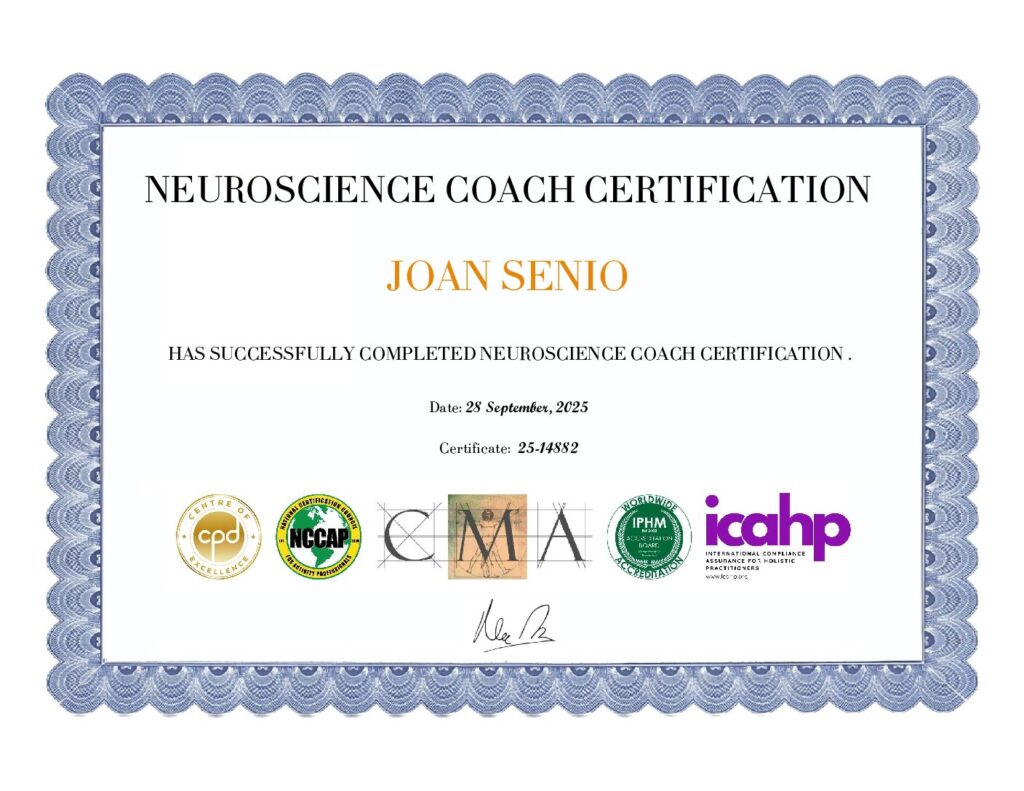
Joan Morabito Senio is the founder of Kindness-Compassion-and-Coaching.com. Joan’s career includes clinical healthcare plus 20+ years as an executive in a nationwide health care system and 15 years as a consultant. The common threads throughout Joan’s personal and professional life are a commitment to non-profit organizations, mental health, compassionate coaching, professional development and servant leadership. She is a certified Neuroscience Coach, member of the International Organization of Life Coaches, serves as a thought-leader for KuelLife.com and is also a regular contributor to PsychReg and Sixty and Me. You can read more about Joan here: Joan Senio.



4 Responses
Boy, this describes my stepson at almost 60 years old. No wife no job no friends no life except for his dog. He’s brilliant but oppositional and argumentative. He’s partially handicapped which makes it worse. He can’t drive. He lives with me and my husband who is 82 (his bio dad) who feels terribly guilty for his “failure to launch”! My husband is also handicapped. They butt heads all the time, but are co-dependent. . I’m at tilt as they do the “dance” of who’s more important.
Hello Bobbye, Thank you so much for reading and for sharing your thoughts. I hope your stepson finds a path forward that enables his future healing. Please be sure to take care of yourself, too – it sounds as though you have your hands full!
I think this is me. I’ve been physically disabled since birth and I am so pigtail dependent I don’t feel like I’ve been able to mature. It’s screwing up my relationship but I can’t seem to change. I see what I do but I still react poorly. I’m just so lost.
Jessica, I can relate and I’m looking for groups where I can heal this affliction. I go to Adult Children of Alcoholics which doesn’t use the term “arrested development” but does focus on the wounded inner child. Searh ACA Laundry list and see if this fits you, then maybe find a local or online meeting. Good luck