
Healing arrested development requires approaches that rebuild the capacities that were interrupted earlier in life. This guide explores the therapeutic modalities that help adults reconnect with emotions, strengthen identity, and create healthier relationships.

Are you repeatedly attracted to emotionally unavailable people despite wanting deeper connection? Discover the childhood experiences, attachment patterns, and relationship dynamics that may be shaping your attraction and learn how to break the cycle of pursuing emotional distance instead of emotional intimacy.

Hurt and pain can make us fear connection. We may build walls to keep us safe. But eventually, we realize we have become experts at avoiding vulnerability while feeling increasingly disconnected from experiences that make life rich and meaningful. That realization can be momentarily difficult, but it can also be an inflection point.

As you heal and grow, the way you approach relationships, and your needs in a relationship may change. This post explores how to evaluate relationship potential with a significant other and how to assess whether the connection has the capacity to grow and evolve over time.

The neuroscience of kindness reveals how compassion reshapes the brain, strengthens emotional regulation, and supports long‑term well‑being. Explore the science behind kindness and discover practical insights for personal growth.

Emotional unavailability can leave relationships feeling lonely, confusing, and unfulfilling. Learn the signs, common causes, and practical steps that can help foster deeper emotional connection and lasting change.

Emotional immaturity in adults often shows up as avoidance of responsibility, impulsive reactions, and difficulty regulating strong feelings. We explore common signs like defensiveness, blame-shifting, emotional outbursts, and an inability to sit with discomfort, while keeping a compassionate lens that separates behavior from worth.

Do you override your own needs without understanding why? Exploring what causes self‑betrayal can help you see the deeper forces shaping your choices and teach you how to begin building fierce inner loyalty.

The father wound impacts many who were raised by a parent who was either overly controlling, inconsistent or absent. This comprehensive guide provides insights and practices to help you learn how to heal the father wound and enjoy healthier adult relationships.

Healing from the mother wound begins with recognition: the ways unmet emotional needs or inconsistent caregiving shaped your sense of worth and belonging. This post offers practical, compassionate steps for mother wound healing, from learning to set boundaries and practice self‑validation to reclaiming your body and voice, so you can move from survival patterns into more authentic, nourishing relationships.

Arrested development can freeze emotional, social, cognitive, moral, or spiritual growth, leaving adults feeling stuck or disconnected. This guide explains each type with clarity and compassion so you can understand your patterns and begin healing.

When you stop shielding others from the consequences of their actions, you begin honoring your own worth. Boundaries aren’t punishment, they’re protection.

The neuroscience of oxytocin reveals how bonding, trust, and emotional connection reshape the brain. This post explores how oxytocin supports emotional clarity, stress recovery, and long‑term well‑being.

The science of empathy reveals how the brain supports emotional awareness and compassionate action. Learn more about the neural systems behind empathy and discover practical ways to strengthen emotional connection.

When someone fails to prioritize us, it can feel personal. Today, we discuss how to reinterpret those moments not as rejection, but as information about who is not meant to play a role in our lives.
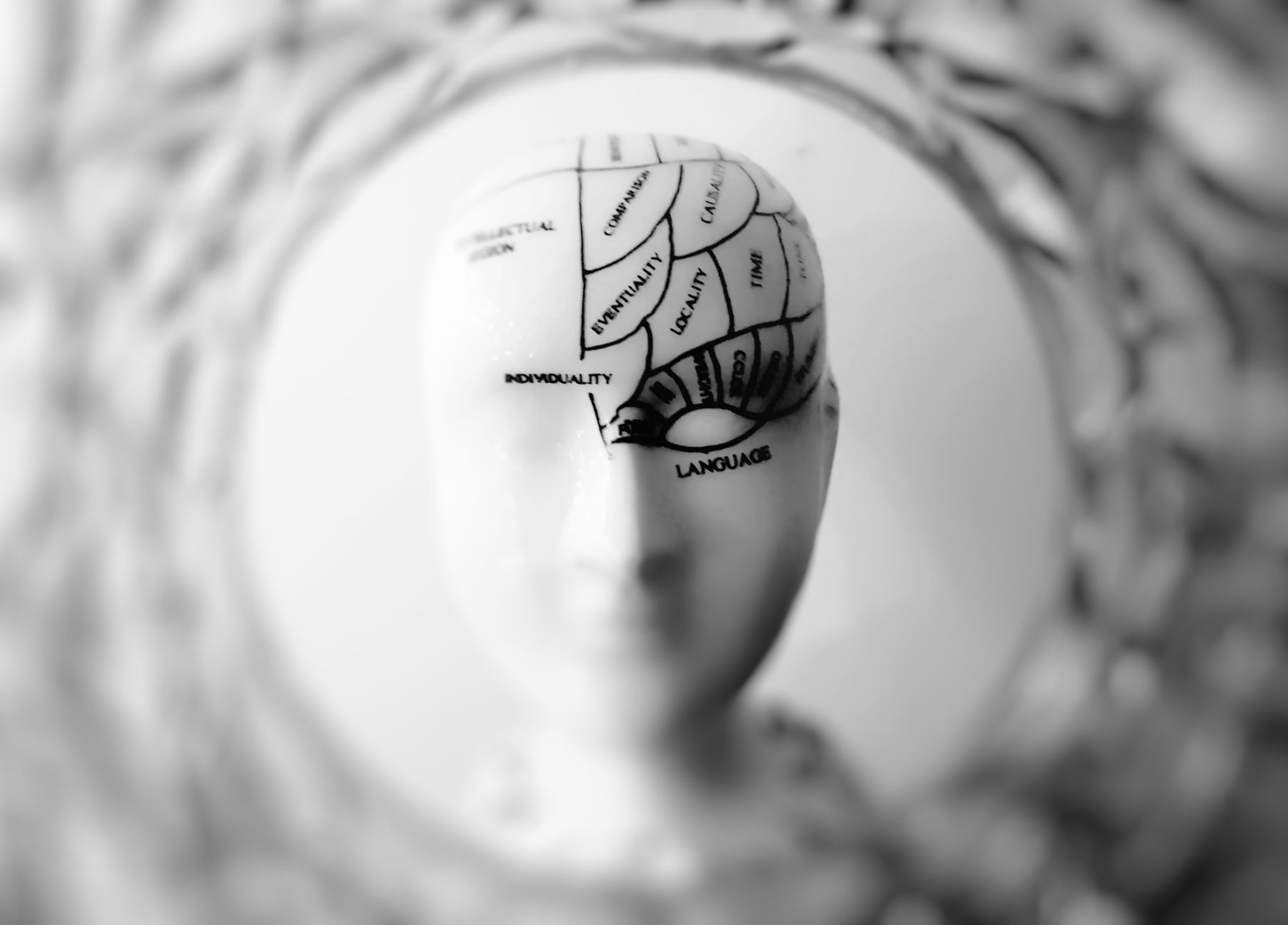
The neuroscience of forgiveness reveals how letting go reshapes the brain, reduces stress, and supports emotional clarity. This post explores how forgiveness strengthens emotional well‑being and creates space for healing.

When someone you care about can’t articulate what’s wrong, the silence can feel heavier than the conflict itself. Emotional ambiguity creates a fog—one where you’re left interpreting half‑sentences, mixed signals, and quiet withdrawal. This article explores how to stay grounded, compassionate, and clear when the person in front of you can’t name their pain, and how to navigate the space between what’s felt and what’s spoken.

Emotional security is a biological state shaped by the brain, the nervous system, and the subtle cues exchanged between people. When psychological safety is present, the body shifts into connection mode. When it’s missing, the body protects instead of relating. This article explores the neuroscience behind that shift and how emotional security and psychological safety in relationships becomes the foundation for connection.

A compassionate discussion of dealing with heartbreak, and the phases of emotional healing that ultimately lead us to have the courage it takes to trust and love again.

As you reclaim your sense of worth, the way you relate to your life partner or spouse often evolves. This post explores how relationship assessment can reveal whether your partnership supports the person you are becoming.

Cognitive emotional regulation helps you understand and reshape the thoughts that influence your emotional responses. This guide explores how gentle cognitive shifts can support steadiness, reduce overwhelm, and help you respond with clarity instead of reacting from old patterns.

As self‑worth strengthens, our relational landscape shifts. We begin to see who values us through action, who meets us with reciprocity, and where new boundaries are needed to protect our growth.