

Do you ever find yourself held back by self-doubt or fear of failure? Studies show that a staggering 80% of people struggle with limiting beliefs that hinder their personal and professional growth. However, statistics also highlight the power of overcoming these beliefs, with research indicating that those who challenge their limiting beliefs are 50% more likely to achieve success and fulfillment in their endeavors.
Today, we discuss the pervasive impact of limiting beliefs and explore how breaking free from their constraints can pave the way for unlocking potential and achieving extraordinary success.
Table of Contents
- 1. What Are Limiting Beliefs?
- 2. How to Recognize Limiting Beliefs
- 3. Understanding Limiting Beliefs: Origins and Manifestations
- 4. How Limiting Beliefs Show Up in Everyday Life
- 5. The Ripple Effect: How Limiting Beliefs Impact Life
- 6. How to Identify Your Own Limiting Beliefs
- 7. Seeking External Perspectives
- 8. Limiting Beliefs: Recognizing Cognitive Distortions
- 9. How to Challenge and Reframe Limiting Beliefs
- 10. More Strategies for Overcoming Limiting Beliefs
- 11. Additional Resources to Support Your Growth
- 12. How to Maintain Momentum for Long-Term Growth
- 13. Frequently Asked Questions About Limiting Beliefs
- 1. What are limiting beliefs?
- 2. How do limiting beliefs develop?
- 3. Can limiting beliefs affect physical health?
- 4. What are examples of limiting beliefs in relationships?
- 5. How long does it take to overcome a limiting belief?
- 6. Are limiting beliefs the same as negative self-talk?
- 7. Can limiting beliefs ever be helpful?
- 8. What’s the first step to changing a limiting belief?
- 14. How to Live a Life Without Limits
1. What Are Limiting Beliefs?
We convince ourselves that we’re not capable, don’t deserve to be rewarded for our good work, or that we’re inadequate in some other way. We tell ourselves that we are bad people, poor parents, inadequate friends. That we’re not truly successful at anything. We’re hard on ourselves when we make mistakes, diminish the credit we are due when things go well, and criticize ourselves more harshly than we would ever criticize another.
In short, we tell ourselves lies. We throw up barriers to our own happiness and fulfillment. Ask yourself: what lie is holding you back the most? Which self-limiting beliefs do you need to shed to move forward and thrive?
2. How to Recognize Limiting Beliefs
The dream of success can feel like climbing a mountain. You may see yourself as full of potential but suddenly stumble over rocks that seem to come from nowhere. Often, these rocks are your own limiting beliefs.
Recognizing these beliefs is the first step to overcoming them. Let’s explore what limiting beliefs are, how they form, and practical strategies to break free from them.
3. Understanding Limiting Beliefs: Origins and Manifestations
Limiting beliefs are negative thoughts that restrict your potential. They creep into your mind, whispering that you’re not good enough, too old, or not smart enough. Common examples include:
- “I can’t start a business.”
- “I’ll never find true love.”
- “It’s too late for me to start over.”
- “I’m too young to be taken seriously.”
To find your own limiting beliefs, take a moment for this simple self-assessment. Write down the negative thoughts you often have about yourself. Look for patterns that crop up. Are there common themes in your fears?

Most limiting beliefs are rooted in childhood experiences or societal pressures. Many of these thoughts can stem from:
- Upbringing: Messages from parents or caregivers can shape how we view ourselves.
- Society: Cultural expectations often dictate what we think we can achieve.
- Negative Experiences: Past failures can lead to a mindset of fear and self-doubt.
Research shows that early experiences contribute significantly to how we perceive our abilities. A troubled childhood can leave lasting scars that distort self-belief.
4. How Limiting Beliefs Show Up in Everyday Life
Limiting beliefs don’t always announce themselves loudly. Most of the time, they show up quietly, in the choices we don’t make, the risks we avoid, and the stories we tell ourselves when no one’s listening. Here are some common ways they manifest:
4.1 Self-Talk That Shrinks Possibility
- “I’m not qualified enough to apply for that job.”
- “I’ll never be good at relationships.”
- “I’m too old to start over.”
These phrases may feel like facts, but they’re often just beliefs we’ve repeated so many times they’ve hardened into truth.
4.2 Avoidance of Growth Opportunities
- Declining a promotion because it feels “too big”
- Avoiding social events due to fear of judgment
- Not signing up for a class or workshop because “what’s the point?”
Limiting beliefs often disguise themselves as practicality or humility, but underneath, they’re fear-based.
4.3 Staying in Unfulfilling Patterns
- Remaining in toxic relationships out of fear of being alone
- Settling for less in work, health, or creativity because “this is just how life is”
- Repeating the same habits, even when they no longer serve you
These patterns aren’t laziness; they’re often rooted in beliefs about what we deserve or what’s possible.
4.4 Overthinking and Perfectionism
- Spending hours preparing for something simple
- Avoiding action until conditions feel “perfect”
- Constantly second-guessing decisions
Perfectionism is often a mask for the belief: “If I’m not flawless, I’ll be rejected.”
4.5 Emotional Signals
- Chronic anxiety around change
- Resentment when others succeed
- Feeling stuck, numb, or disconnected
These emotional cues are often breadcrumbs leading back to a limiting belief.
Recognizing these patterns is the first step toward change. Once you see how limiting beliefs shape your daily life, you can begin to challenge them, not with force, but with compassion.
5. The Ripple Effect: How Limiting Beliefs Impact Life
Limiting beliefs don’t just stay in your head; they affect your whole life. They can harm your career, sabotage relationships, and stall personal growth. For instance:
- Career: Believing you’re not skilled enough can prevent you from pursuing promotions.
- Relationships: Fears of rejection can stop you from forming meaningful connections.
- Personal Growth: Self-doubt often halts progress in personal endeavors.
Statistics reveal a clear link between limiting beliefs and lower life satisfaction. People who challenge these thoughts often report greater happiness and fulfillment.

6. How to Identify Your Own Limiting Beliefs
Before you can rewrite the story, you have to know what’s been silently authoring it. Limiting beliefs often live just below the surface, camouflaged as “truth,” inherited from family, culture, or past experiences. The goal here isn’t to judge them, but to notice them. Awareness is the first act of liberation.
Step 1: Listen to Your Inner Narrator
Start by tuning in to your self-talk. What do you say to yourself when things go wrong? When you’re about to try something new? When someone compliments you? Common belief patterns sound like:
- “I always mess things up.”
- “I’m not the kind of person who…”
- “People like me don’t get that kind of opportunity.”
These are scripts, not facts. And they can be rewritten.
Step 2: Use Journal Prompts to Surface Hidden Beliefs
Here are a few prompts to gently excavate what’s underneath:
- What do I believe about
- success, and where did that belief come from?
- love, and how has that shaped my relationships?
- my worth, and how does that show up in my choices?
- What belief do I hold that keeps me from taking action?
Write freely. Don’t edit. Let the truth surprise you.
Step 3: Notice Emotional Triggers
Limiting beliefs often flare up when we feel:
- Defensive
- Ashamed
- Envious
- Small
Instead of pushing those feelings away, ask: “What belief is this emotion pointing to?”
You might find something like: “I believe I’m not good enough,” or “I believe I’ll be abandoned if I speak up.”
Step 4: Track Repeating Patterns
Look at the areas of your life where you feel stuck. Are there recurring themes in your relationships, career, or health? Ask yourself:
- What belief might be keeping this pattern alive?
- What do I fear would happen if I let go of that belief?
Patterns are powerful teachers. They don’t lie.
Step 5: Name the Belief, Then Challenge It
Once you’ve identified a belief, write it down. Then ask:
- Is this belief absolutely true?
- Who taught me this?
- What evidence do I have that contradicts it?
- What would I do differently if I didn’t believe this?
This is where change begins, not by force, but by choice. Limiting beliefs lose their power the moment they’re named. You don’t have to fix them all at once. You just have to start seeing them clearly.
Self-reflection can help you uncover hidden beliefs. Here are a few additional techniques you may wish to explore:
Meditation: Spend 5-10 minutes in silence, focusing on your thoughts. Notice any recurring negative messages.
Mindfulness Exercises: Practice being present in the moment. Recognize when negative thoughts arise without judgment.
7. Seeking External Perspectives
Sometimes, we can’t see our limiting beliefs clearly. Seeking feedback from trusted friends or professionals can provide valuable insights. They may point out patterns you’ve overlooked or help you see your strengths.
7.1 Why You Can’t Always See Your Own Blind Spots
Limiting beliefs are often invisible from the inside. They feel like truth because they’ve been repeated so many times, often without challenge. That’s why seeking external perspectives from trusted friends, coaches, therapists, or even reference material, can be a powerful catalyst for change.
When someone else reflects your patterns back to you with clarity and compassion, it interrupts the internal echo chamber. You begin to see what you couldn’t before.
7.2 Why External Insight Matters
- We normalize our own limitations. What feels “safe” or “realistic” may actually be a belief inherited from someone else’s fear.
- We miss our strengths. Others can often see our resilience, creativity, or potential long before we do.
- We need contrast. Exposure to different viewpoints helps us question assumptions and expand possibility.
Many of us crave external affirmation not because we’re weak, but because we’ve never been taught how to self-validate.
7.3 How to Seek External Perspectives Wisely
- Choose people who reflect your growth, not your fear. Avoid those who reinforce your limiting beliefs under the guise of “protecting you.”
- Ask open-ended questions. Instead of “Do you think I’m good enough?” try “What strengths do you see in me that I might be overlooking?”
- Be open to discomfort. Sometimes the most helpful feedback is the hardest to hear, but it’s also the most useful.
8. Limiting Beliefs: Recognizing Cognitive Distortions
Cognitive distortions are negative thinking patterns that fuel limiting beliefs. Some common distortions include:
- Catastrophizing: Expecting the worst-case scenario in any situation and exaggerating potential risks or failures.
- Personalizing: Blaming oneself for external events or attributing unrelated circumstances to personal flaws.
- Overgeneralizing: Drawing sweeping conclusions based on isolated incidents or mistakes, leading to distorted self-perceptions.
For example, if you fail at one job interview, you might think, “I’ll never get hired.” Recognizing these distortions is essential for overcoming them.
9. How to Challenge and Reframe Limiting Beliefs
Start questioning the validity of your beliefs. Here’s a simple way to do this:
- Identify a limiting belief.
- List evidence for this belief.
- List evidence against it.
By examining the proof, you can challenge negative self-talk and see things more clearly. It is also useful to reframe limiting beliefs. Reframing is about changing your perspective. For instance, instead of thinking, “I’m a failure,” rephrase it to “I’m learning from my experiences.” Positive self-talk can reshape how your brain functions, promoting confidence and resilience.
One of the best ways to combat limiting beliefs is through self-compassion. Treat yourself like you would a friend facing similar struggles. Accept your flaws and offer forgiveness for past mistakes. Research indicates that self-compassion leads to greater emotional stability and overall well-being.
10. More Strategies for Overcoming Limiting Beliefs
Setting clear, manageable goals can help you push through limiting beliefs. Break down big goals into smaller steps. For instance, instead of aiming to lose 30 pounds, aim to lose 1-2 pounds a week.
Use the SMART criteria (Specific, Measurable, Achievable, Relevant, Time-bound) to guide your goal-setting process. Highlighting even the tiniest victories can boost your motivation. Create a habit of celebrating achievements, whether big or small. This positive reinforcement builds momentum and encourages further progress.
Surround yourself with supportive friends, family, and mentors. Sharing your struggles can help you feel less isolated. Therapy or coaching can provide extra accountability and guidance on your journey.
11. Additional Resources to Support Your Growth
Sometimes, the most powerful breakthroughs come from the right words at the right time. Whether you’re just beginning to explore your limiting beliefs or you’re ready to rewrite your internal narrative, these resources offer practical tools, mindset shifts, and deep insight. Each one is chosen to compassionately challenge you to go further.
Recommended Books & Workbooks
| Title | Description | Who It’s For |
|---|---|---|
| Releasing Your Limiting Beliefs: A Guided Workbook | A hands-on workbook with structured exercises to help you uncover and reframe limiting beliefs. Includes prompts, reflection tools, and mindset strategies. | If you feel stuck but don’t know why, this workbook helps you name the belief and shift it. |
| Confidence: How to Overcome Your Limiting Beliefs and Achieve Your Goals by Martin Meadows | Combines science-backed strategies with personal stories to help you build self-efficacy and take action despite fear. | If your limiting belief is “I’m not capable enough,” this book builds your belief in your own abilities. |
| Overcome Limiting Beliefs: A Guide to Using Strategies for Pushing Success by Eldridge Wahlstrom | Offers 10 practical strategies to help you shift your mindset and build achievement habits. | If your belief is “Success isn’t for people like me,” this guide helps you reframe and take action. |
| Think This, Not That: 12 Mindshifts to Break Through Limiting Beliefs | 12 revolutionary Mindshift transformations to beat the grind and help you reach the life you’ve always wanted. | If you have struggled to get out of your own way, this book can help you pinpoint why to foster your growth. |
| Think Better Thoughts: 100 Limiting Beliefs that Hinder Your Potential | A simple, practical self-help books for ordinary people who seek extraordinary results. | If you feel stuck, but you’re not sure what your limiting beliefs are, this book can help you identify them |
Each of these resources offers a different doorway into transformation. Whether you prefer guided exercises, mindset coaching, or deep reflection, there’s something here to support your next step.
12. How to Maintain Momentum for Long-Term Growth
Adopting a growth mindset is essential. Make a conscious effort to view challenges as opportunities to learn rather than threats to your self-worth. Self-care also plays a pivotal role in your overall resilience. Prioritize activities that nurture your body and mind, such as:
- Regular exercise
- Healthy eating
- Meditation or mindfulness practices
Healthy habits contribute to emotional well-being and assist in combating self-doubt. Overcoming limiting beliefs is an ongoing process. Regularly reassess your thoughts and feelings. Regularly reflect on your beliefs and track your progress.
13. Frequently Asked Questions About Limiting Beliefs
1. What are limiting beliefs?
Limiting beliefs are deeply held assumptions or thoughts that constrain your potential. They often sound like “I’m not good enough,” “I’ll never succeed,” or “I don’t deserve happiness.” These beliefs shape your behavior, decisions, and emotional responses often without conscious awareness.
2. How do limiting beliefs develop?
They typically form in early childhood through experiences, cultural conditioning, and repeated messaging from caregivers, peers, or society. Over time, these beliefs become internalized and reinforced through confirmation bias and habitual self-talk.
3. Can limiting beliefs affect physical health?
Yes. Chronic stress, low self-worth, and emotional suppression linked to limiting beliefs can contribute to physical symptoms such as fatigue, digestive issues, and immune dysfunction. The mind-body connection is powerful; beliefs influence behavior, which in turn affects health outcomes.
4. What are examples of limiting beliefs in relationships?
Common relational limiting beliefs include:
- “I’m too damaged to be loved.”
- “People always leave.”
- “I have to earn love by pleasing others.” These beliefs often lead to self-sabotage, codependency, or emotional withdrawal.
5. How long does it take to overcome a limiting belief?
It varies. Some beliefs shift quickly with awareness and reframing, while others require consistent effort, journaling, coaching, or therapeutic support. Progress is rarely linear; what matters is persistence and self-compassion.
6. Are limiting beliefs the same as negative self-talk?
They’re related but not identical. Limiting beliefs are the underlying assumptions; negative self-talk is the verbal expression of those beliefs. For example, the belief “I’m not smart enough” might manifest as the thought “I’ll mess this up again.”
7. Can limiting beliefs ever be helpful?
In rare cases, they may serve a protective function, like avoiding risk or maintaining social harmony. However, they often outlive their usefulness and become barriers to growth, confidence, and fulfillment.
8. What’s the first step to changing a limiting belief?
Awareness. Begin by identifying the belief, noticing when it shows up, and questioning its validity. Ask: “Is this absolutely true?” and “What evidence contradicts this belief?” Reframing begins with curiosity, not judgment.
14. How to Live a Life Without Limits
Limiting beliefs can feel like chains holding you back, but they are not permanent. By identifying and challenging these beliefs, you can unlock your true potential. Remember the key takeaways:
- Use self-reflection and support to help identify hidden thoughts.
- Acknowledge the beliefs that may limit your thinking.
- Challenge and reframe negative beliefs.
- Set realistic goals and celebrate small wins.
Take action today and begin your journey towards a more fulfilling life. Welcome the new possibilities that arise when you let go of self-imposed restrictions.
Thank you as always for reading.
If you haven’t yet subscribed, please enter your email address so you never miss a post.
Affiliate Disclosure: Some links in this post are affiliate links. As an Amazon Associate, we earn from qualifying purchases. Thank you for supporting Kindness-Compassion-and-Coaching.com at no extra cost to you!

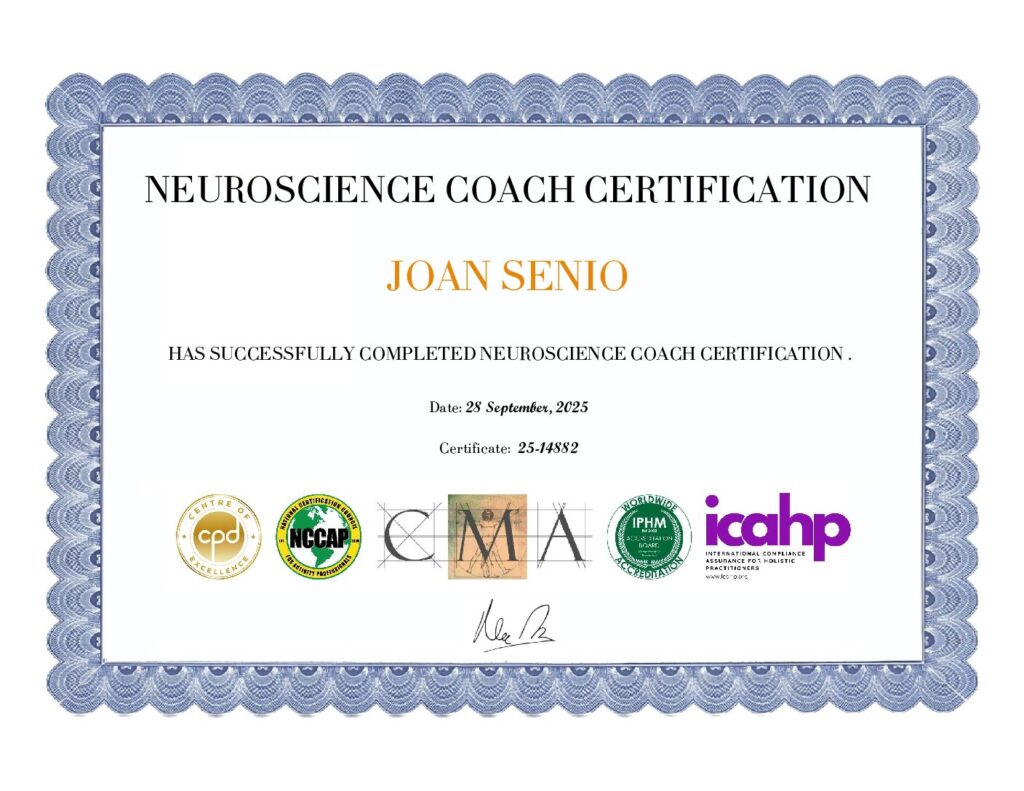
Joan Morabito Senio is the founder of Kindness-Compassion-and-Coaching.com. Joan’s career includes clinical healthcare plus 20+ years as an executive in a nationwide health care system and 15 years as a consultant. The common threads throughout Joan’s personal and professional life are a commitment to non-profit organizations, mental health, compassionate coaching, professional development and servant leadership. She is a certified Neuroscience Coach, member of the International Organization of Life Coaches, serves as a thought-leader for KuelLife.com and is also a regular contributor to PsychReg and Sixty and Me. You can read more about Joan here: Joan Senio.



No Responses