
It can be empowering to finally recognize a relationship that is not serving us, especially if we then decide to walk away. After months or years of questioning ourselves, making excuses, or hoping things will change, we finally see the situation clearly. We’ve acknowledged that our needs matter, recognized the imbalance, and taken the difficult step of choosing to honor our own worth. The sense of freedom that follows can feel like a major victory, and it is.
But many people do not anticipate what often happens next.

Realizing That a Relationship is Just One in a Pattern
After a time, we start to notice similar patterns elsewhere. A friendship that consistently leaves us feeling unimportant. A family relationship that is draining our energy. A newer connection that seems different on the surface but somehow produces familiar feelings of uncertainty or disappointment.
The first unhealthy relationship we identified often turns out to be the most visible expression of a larger pattern. This realization can be unsettling. We may feel frustrated with ourselves for missing the signs or wonder why we continue finding ourselves in similar dynamics.
It can be heartening to know that this experience is common; because recognizing flaws in one relationship is not the same as recognizing the pattern itself.
Awareness often begins with a single person or situation before gradually expanding into a deeper understanding of the beliefs, habits, and expectations that shaped our choices across many areas of life.
Why It Can Be Challenging to Identify Relationship Patterns
If we have spent years adapting to neglect, inconsistency, emotional unavailability, or one-sided relationships, those experiences can feel normal. In fact, unhealthy dynamics often feel familiar, comfortable, and strangely reassuring. Our mind may recognize the problem, while our nervous system continues gravitating toward what it has always known.
Healing, therefore, is not simply about leaving unhealthy relationships behind. It is about learning to recognize the patterns that created them in the first place.
It involves developing the courage to pause when something feels familiar and ask whether it is actually healthy. Most importantly, it requires choosing differently, even when the healthier path initially feels unfamiliar.
Every time we recognize an old pattern before it fully takes hold, we strengthen our ability to create relationships that reflect who we are becoming rather than who we once believed we had to be.
Awareness Is the Beginning, Not the End
Many of us enter healing believing that awareness will be the turning point. Once we recognize an unhealthy relationship, we imagine that the rest will be relatively straightforward. We will see the pattern, make a different choice, and move forward with our lives.
But awareness is often the beginning rather than the conclusion of the healing process.
The moment we recognize an unhealthy dynamic is important because it allows us to stop blaming ourselves for the discomfort we have been experiencing. We begin to understand that the exhaustion, resentment, longing, or loneliness we felt were not signs that we were asking for too much. They were signals that something essential was missing.
But after we identify one unhealthy relationship, we begin noticing similar themes elsewhere. The details and the people may be different. But the emotional experience feels strangely familiar.
A friendship may leave us carrying most of the effort. Family members may rely heavily on our willingness to accommodate everyone else’s needs. A new connection may initially seem exciting but gradually recreate old feelings of inadequacy. Although the circumstances vary, the underlying pattern remains remarkably consistent.
Many wonder whether they have actually made progress if similar dynamics continue appearing in their lives. The answer is yes, because noticing these patterns is itself evidence of growth. We cannot change what we do not see. What once felt normal is beginning to feel uncomfortable because our awareness is expanding.
Healing relationship patterns requires patience with this process. The goal is not to instantly eliminate every unhealthy dynamic; it is to develop the ability to recognize those dynamics more quickly and respond to them more intentionally.
Familiar Does Not Mean Healthy
One of the most important lessons in emotional healing is understanding that familiarity and health are not the same thing.
Human beings are naturally drawn toward what feels familiar. Our brains and the rest of our nervous system are designed to seek predictability. When a particular type of relationship has been present throughout much of our lives, it can begin to feel normal even when it is not serving us well:
- Someone who grew up feeling responsible for other people’s emotions may feel comfortable stepping into the role of caretaker.
- Another person may have learned to earn affection by suppressing their own needs.
- Some individuals spent years adapting to inconsistency, learning to tolerate long periods of uncertainty while clinging to occasional moments of connection.
As adults, these patterns do not simply disappear because we recognize them intellectually.

Healthy Relationships May Feel “Off”
A relationship characterized by reciprocity, consistency, and respect may feel unfamiliar. Meanwhile, relationships that recreate old experiences or dynamics can feel strangely comfortable, even when they leave us depleted.
This does not mean we consciously want unhealthy relationships. It simply means that our nervous systems often interpret familiar experiences as safer than unfamiliar ones.
Understanding this distinction can help us approach ourselves with greater compassion. Rather than criticizing ourselves for being drawn toward certain types of people, we can become curious about what feels familiar and why.
The answer frequently reveals valuable information about the healing work still unfolding beneath the surface.
Why Healthy Relationships Can Feel Surprisingly Uncomfortable
Many people assume that healthy relationships will immediately feel better than unhealthy ones. Sometimes they do. Other times the experience is far more complicated:
- A relationship built on mutual respect can feel unfamiliar to someone who is accustomed to earning approval.
- Consistent communication may seem unusual to a person who learned to expect inconsistency.
- Healthy boundaries can feel uncomfortable for those who spent years accommodating everyone else.
In some cases, the absence of drama itself feels unsettling. When we have spent significant time navigating uncertainty, unpredictability can become oddly stimulating. The highs and lows create emotional intensity that may be mistaken for connection. Once that intensity disappears, a healthier relationship can initially feel quieter.
For some people, that quietness is interpreted as boredom. But what they are actually experiencing is stability.
This distinction matters because healing relationship patterns often requires us to develop a new definition of connection. We learn that relationships do not need to be emotionally exhausting to be meaningful, and we discover that consistency can be nurturing rather than dull.
Over time, many realize that the peace they once dismissed as boring is actually what emotional safety feels like.
The Temptation to Return to Old Patterns
Healing is rarely a straight line. There will be moments when old habits seem incredibly appealing. During periods of loneliness, stress, grief, uncertainty, or transition, familiar dynamics often regain their attraction.
A relationship we previously recognized as unhealthy may suddenly seem less problematic. We may find ourselves reconsidering boundaries that once felt necessary. Sometimes we begin romanticizing situations we left behind, focusing on small moments of connection while forgetting the larger pattern that created so much pain.
This tendency is completely human. When life feels difficult, familiarity can seem comforting. The challenge is remembering that comfort and healing are not always the same thing.
There are times when growth requires us to tolerate temporary discomfort in order to create something healthier in the future.
This is why self-awareness remains so important. When we understand our patterns, we become better equipped to recognize these moments for what they are. Rather than assuming the relationship itself has changed, we can begin to ask ourselves whether we are simply longing for the familiarity it once provided.

The Difference Between Familiarity and Compatibility
Many people confuse familiarity with compatibility. The distinction is subtle but significant.
A person may feel familiar because they activate emotional experiences we have known for years. The conversations, expectations, and relational dynamics resemble something we recognize. There is a sense of being at home, not because the relationship is healthy, but because the pattern is well established.
Compatibility is different. Compatibility involves shared values, mutual respect, emotional safety, and a willingness to invest in the relationship. It allows both people to remain fully themselves while growing together.
One experience is based largely on recognition. The other is built upon genuine connection.
The challenge is that familiarity often arrives first. It creates an instant sense of comfort that can be mistaken for evidence that a relationship is meant to be.
Healing encourages us to slow down. Instead of asking whether something feels familiar, we learn to ask more meaningful questions. Does this relationship support my well-being? Am I able to express my needs? Is effort shared? Do I feel respected? Can I be authentic?
The answers to these questions reveal far more about a relationship’s health than chemistry alone ever could.
Every Choice Creates a New Path
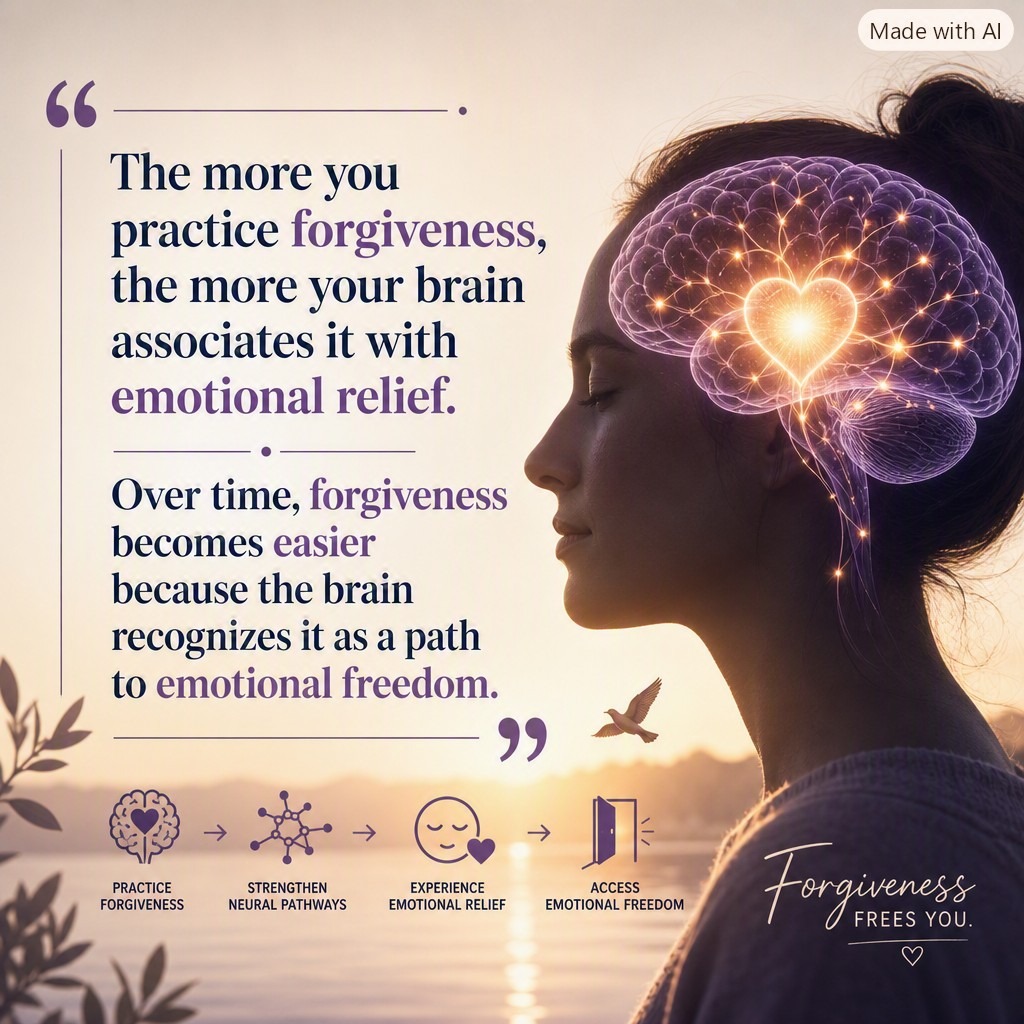
Thankfully, the brain remains capable of change throughout life. Every choice we make strengthens certain pathways while weakening others. When we repeatedly tolerate unhealthy dynamics, those responses become increasingly automatic. Fortunately, the reverse is also true.
Each time we establish a boundary, we reinforce a new pattern. When we honor our needs instead of dismissing them, we strengthen a different pathway. As we choose reciprocity over emotional scarcity, we teach ourselves something new about our worth.
Growth rarely happens through dramatic breakthroughs alone. More often, it develops through small decisions repeated consistently over time. The first healthy choice may feel awkward. The tenth begins to feel easier. Eventually, what once felt unfamiliar becomes natural.
This is how lasting change occurs.
Protecting Your Healing
Many assume that once they understand a pattern, they are finished dealing with it. But often, awareness is simply the beginning; an invitation to pay closer attention to how we spend our emotional energy.
Protecting your healing may involve spending less time analyzing other people’s behavior and more time examining your own choices. It may mean becoming more selective about the relationships you nurture. In some cases, it may require trusting your discomfort rather than immediately explaining it away.
Healthy relationships generally leave room for both people to exist. Needs can be discussed. Effort flows in more than one direction. Respect remains present even when there are disagreements. Whenever a relationship consistently requires you to abandon yourself, shrink your needs, or tolerate chronic imbalance, it is worth paying attention.
Your healing is valuable. The relationships you allow into your life should support that growth rather than undermine it.
If you are looking to deepen this work, we recommend the following resources: Attached by Amir Levine and Rachel Heller, Set Boundaries, Find Peace by Nedra Glover Tawwab, and The Gifts of Imperfection by Brené Brown. These are all helpful companions on a healing journey. Each explores self-worth, relationship dynamics, and healthier ways of connecting with others.

Becoming Someone Who Chooses Differently
At its heart, healing is not only about changing our relationships with others. It is about changing the relationship we have with ourselves.
As awareness grows, we become less willing to ignore what hurts us. We stop measuring our worth through another person’s attention. Instead of asking how little we can survive on, we begin asking what allows us to thrive. Those questions lead us toward healthier choices.
There will be moments when old patterns surface, and times when familiar dynamics appear attractive or when healthy relationships feel unexpectedly uncomfortable. What matters is how we respond.
Each time we recognize a pattern sooner than we did before, progress is occurring. Every occasion on which we choose self-respect over self-abandonment represents growth. Whenever we honor our needs without apology, we strengthen a healthier foundation for the future.
Eventually, something remarkable begins to happen. The relationships that once felt irresistible lose some of their appeal. Connections built on respect, reciprocity, and genuine care start to feel more natural. Most importantly, we stop viewing our needs as obstacles and begin recognizing them as important parts of who we are.
Frequently Asked Questions
Why do I keep repeating unhealthy relationship patterns? Many unhealthy relationship patterns develop over years of experience and adaptation. Even after awareness develops, familiar dynamics can continue to feel comfortable because they are deeply ingrained. Healing relationship patterns often requires time, practice, and new experiences that gradually reshape expectations.
Can a healthy relationship feel uncomfortable at first? Yes. Relationships built on respect, consistency, and reciprocity may feel unfamiliar if you have spent years navigating imbalance or uncertainty. Healthy relationships sometimes feel uncomfortable before they begin to feel safe.
How do I know if I am healing relationship patterns? Signs of healing often include recognizing unhealthy dynamics more quickly, honoring your needs more consistently, setting healthier boundaries, and choosing relationships that support your emotional well-being.
Why am I drawn to people who do not meet my needs? People are often attracted to what feels familiar. If emotional neglect, inconsistency, or one-sided relationships were common experiences in the past, similar dynamics may initially feel comfortable even when they are not healthy.
What is the difference between familiarity and compatibility? Familiarity comes from recognizing a pattern or emotional experience you have encountered before. Compatibility is based on shared values, mutual respect, emotional safety, and reciprocal investment in the relationship.
Is healing relationship patterns a lifelong process? Growth continues throughout life, but many people discover that patterns become easier to recognize and change over time. Every healthy choice strengthens new pathways and makes future choices more natural.
How to Heal Unhealthy Relationship Patterns
One of the most unexpected parts of healing is discovering that awareness alone does not change our lives. Awareness simply shines a light on the path ahead. Change occurs as a result of the choices we make after we see the pattern clearly.
There may be times when familiar relationships call to you. Old dynamics may appear in new forms. Certain patterns may resurface when life feels uncertain. It’s normal and even necessary to experience these temporary setbacks to achieve true healing.
Growth asks us to practice something new. It invites us to choose relationships that reflect our current understanding of our worth rather than our past experiences of scarcity. That process takes courage.
Each time you choose reciprocity over imbalance, consistency over uncertainty, and self-respect over self-abandonment, you move one step further from old patterns and one step closer to the life you are creating.
Thank you as always for reading.

Joan Morabito Senio is a coach and former executive and consultant with over 35 years of experience helping people overcome challenges, grow, and achieve their full potential. She created Kindness‑Compassion‑and‑Coaching.com to provide free coaching resources to individuals and the compassionate coaching community.
As a certified neuroscience coach and member of the International Organization of Life Coaches, Joan blends science‑based insight with heart‑centered guidance to help others rise above old patterns and step into their most authentic selves. She is committed to supporting those ready to grow, take ownership of their next chapter, and transform their lives from the inside out.
*Some links in this post are affiliate links. That means that we may receive a small commission at no cost to you when you purchase anything via one of these links. These commissions help us keep Kindness-Compassion-and-Coaching.com a free resource, as they help to cover website expenses. Thank you for your support.

No Responses