When someone fails to prioritize us, it can feel personal. Today, we discuss how to reinterpret those moments not as rejection, but as information about who is not meant to play a role in our lives.

As self‑worth strengthens, our relational landscape shifts. We begin to see who values us through action, who meets us with reciprocity, and where new boundaries are needed to protect our growth.

When chaos feels familiar, calm can feel boring. Today, we explain why calm is healthier, how chaos becomes attractive, and how to practice choosing steadiness in love.

People pleasing often starts as a survival strategy. This article traces its roots, lists clear signs, and offers practical, evidence‑based steps to stop sacrificing yourself for approval.

After a toxic relationship you may doubt your judgment and feel disconnected from your instincts. Today, we show how to reclaim self-trust through practical steps, supportive practices, and when to seek professional help.

Healthy relationships are not effortless, but they are possible. This Healthy Relationship Review helps you understand what emotional safety looks like, how attachment patterns shape behavior, and how to rebuild trust, boundaries, and connection across every type of relationship.

Sparks feel thrilling but they do not guarantee a lasting match. Today, we explore chemistry vs. compatibility in relationships, and how confusing the two can mask a deeper mismatch. You will also find a straightforward way to evaluate compatibility in your own relationships.

Self-esteem in relationships isn’t just about how we feel about ourselves. It’s about how safe we feel being seen, heard, and valued. This post explores how self-worth shapes communication, boundaries, emotional safety, and intimacy and offers strategies to build healthier, more secure connections. Whether you’re navigating conflict, seeking deeper trust, or healing old patterns, this guide helps you strengthen self-esteem from the inside out and within your closest relationships.
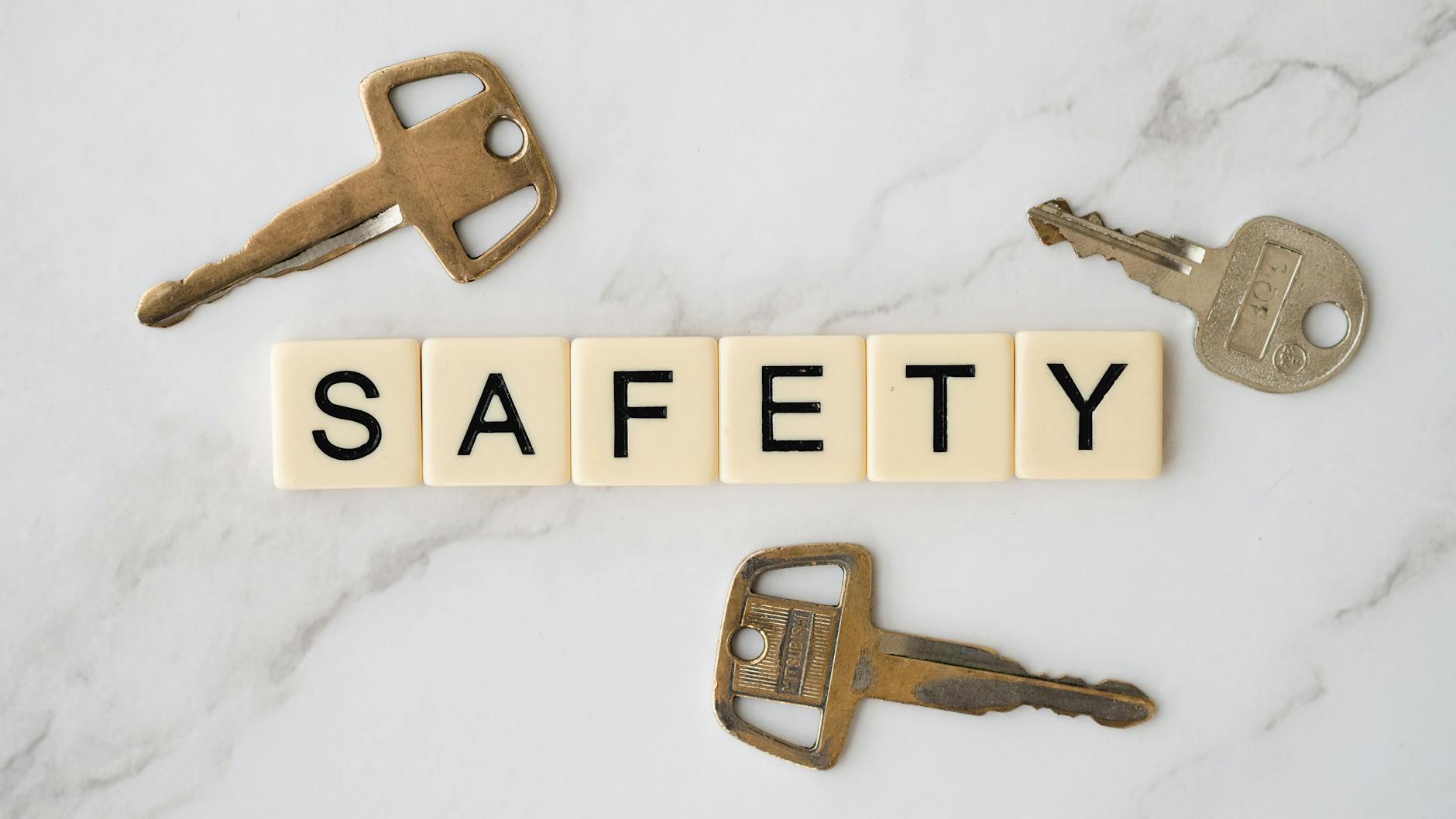
Psychological safety in relationships forms the foundation of self‑esteem, shaping how you understand your needs, emotions, and sense of worth.

When closure isn’t possible, healing can feel confusing and unfinished. This guide offers compassionate, practical steps on how to move on with clarity, self‑trust, and emotional resilience.