When self-doubt takes hold, it can cloud your confidence and limit your potential. Learning to believe in yourself isn’t about perfection; it’s about embracing growth and compassion. This article explores practical ways to overcome insecurity, shift negative self-talk, and build lasting inner trust.

Your inner critic didn’t appear out of nowhere. It was shaped by old fears, past experiences, and outdated protection strategies. This comprehensive guide helps you understand where that voice came from, why it feels so powerful, and how to transform it into an inner coach and motivator that supports your growth instead of holding you back.

Many of us often wonder, "Why do I feel unworthy?" This article explores the deeper emotional roots of unworthiness and offers a compassionate path toward healing your self‑worth at your own pace.

I’d like to begin by sharing a moment from my own life that forever altered the way I understood self-worth. It happened on an ordinary Tuesday morning while I was standing at my kitchen counter, realizing that my cherished, precious first cup of morning coffee had once again gone cold. Because I had been swept […]
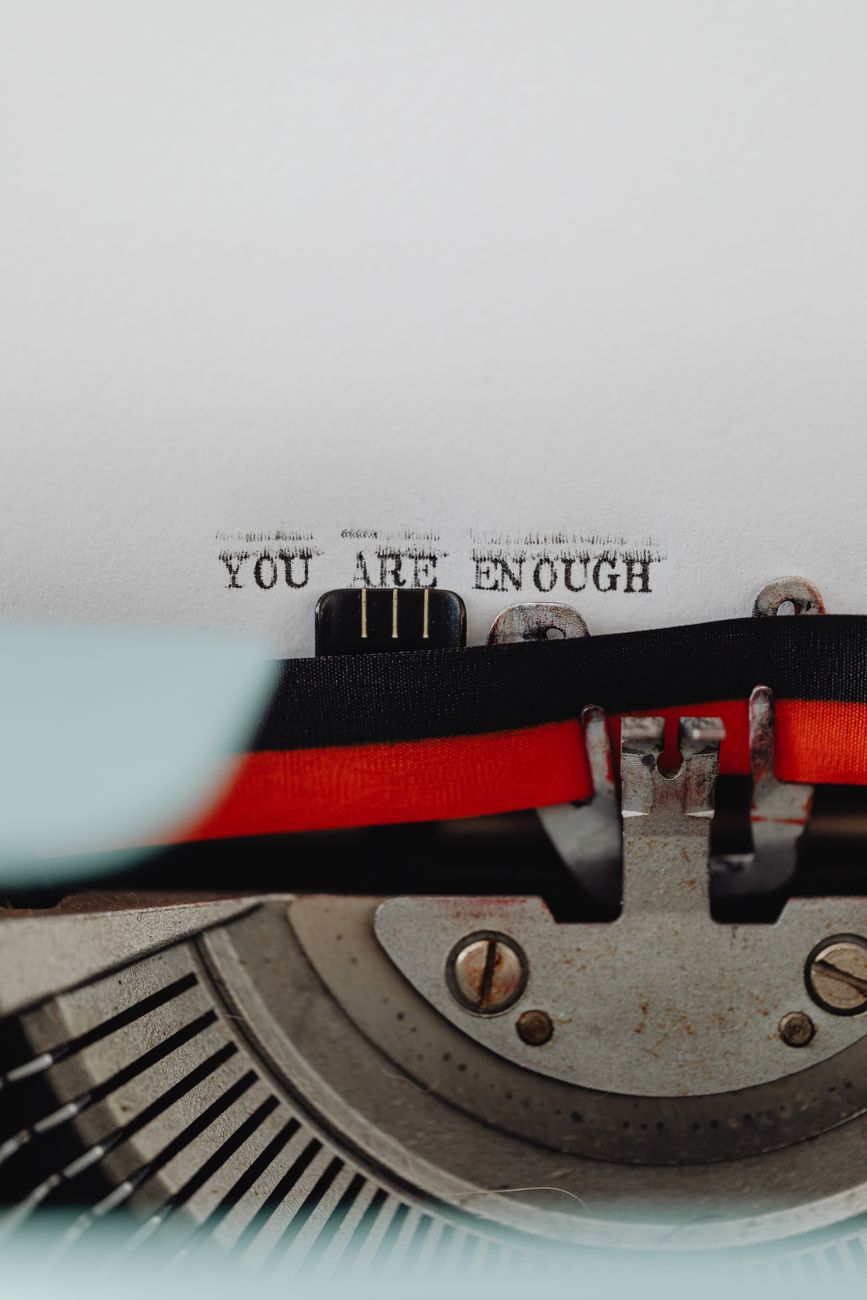
Feeling not good enough can shape the way you think, relate, and move through the world. This belief often begins in early experiences and grows stronger through negative self-talk, comparison, and patterns that keep you doubting your worth. When you understand where this feeling comes from, you can begin to shift it. This article explores the roots of low self-worth, how it affects your daily life, and the steps you can take to rebuild confidence and trust in yourself.

Low self-esteem can shape your relationship choices throughout your life. Today, we help you recognize the signs, understand the deeper impact, and break the cycle of choosing emotionally unavailable partners.

This final installment brings together the core insights from our eight‑part self‑esteem series. You’ll find a clear roadmap, practical tools, and compassionate strategies to help you strengthen self‑trust, emotional resilience, and confidence in everyday life.

Relational self‑esteem is the part of your self‑worth that takes shape through connection. It shows up in the way you let people treat you, the boundaries you set, the needs you voice, and the relationships you choose to stay in.
This installment of the Self-Esteem Series explores how relational experiences shape your sense of worth and offers tools to help you build safer, more mutual connections, starting from within.

Confidence follows competence. Learn the levels of competence and how the confidence-competence loop turns small, deliberate actions into lasting self‑esteem.

Identity scripts are old survival roles that limit self‑esteem and can be rewritten through awareness, safety, and new choices.

Our nervous system plays a critical role in how we experience self-esteem. Nervous system regulation largely drives whether we feel confident, afraid, or shut down. Read on to learn how to influence your nervous system and in the process, achieve healthier self-esteem.

The inner critic forms in unsafe environments, its goal to protect us from harm. Unfortunately, as adults, the lessons of the inner critic no longer apply, and they can undermine our self-worth. Luckily, if we know how, we can transform the inner critic into a loving inner protector who fosters self-compassion within us and ultimately allows us to experience healthier self-esteem.
Self‑trust grows through micro‑promises and gentle consistency that teach your nervous system you can rely on yourself again.

Self‑esteem psychology reveals how emotional safety, self‑trust, and identity shape your internal sense of worth and capability.
Healthy self‑esteem isn’t about constant confidence or positive thinking; it’s about developing a consistent, grounded sense of worth that can withstand stress, mistakes, and the complexities of real relationships. This series explores the deeper foundations of self‑esteem, showing how emotional safety, nervous system regulation, identity scripts, and self‑trust shape the way we see ourselves. You’ll learn practical, repeatable skills that help rebuild self‑worth from the inside out.

Low self-esteem can quietly erode confidence, relationships, and even physical health. But it doesn’t have to define your story. Rediscovering self-worth begins with small, intentional practices that remind you of your inherent value. In today's post, you’ll find practical self-esteem activities designed to help you reconnect with your strengths, challenge negative self-talk, and cultivate a kinder inner dialogue. Self-worth isn’t something you earn. It’s something you reclaim, one compassionate step at a time.
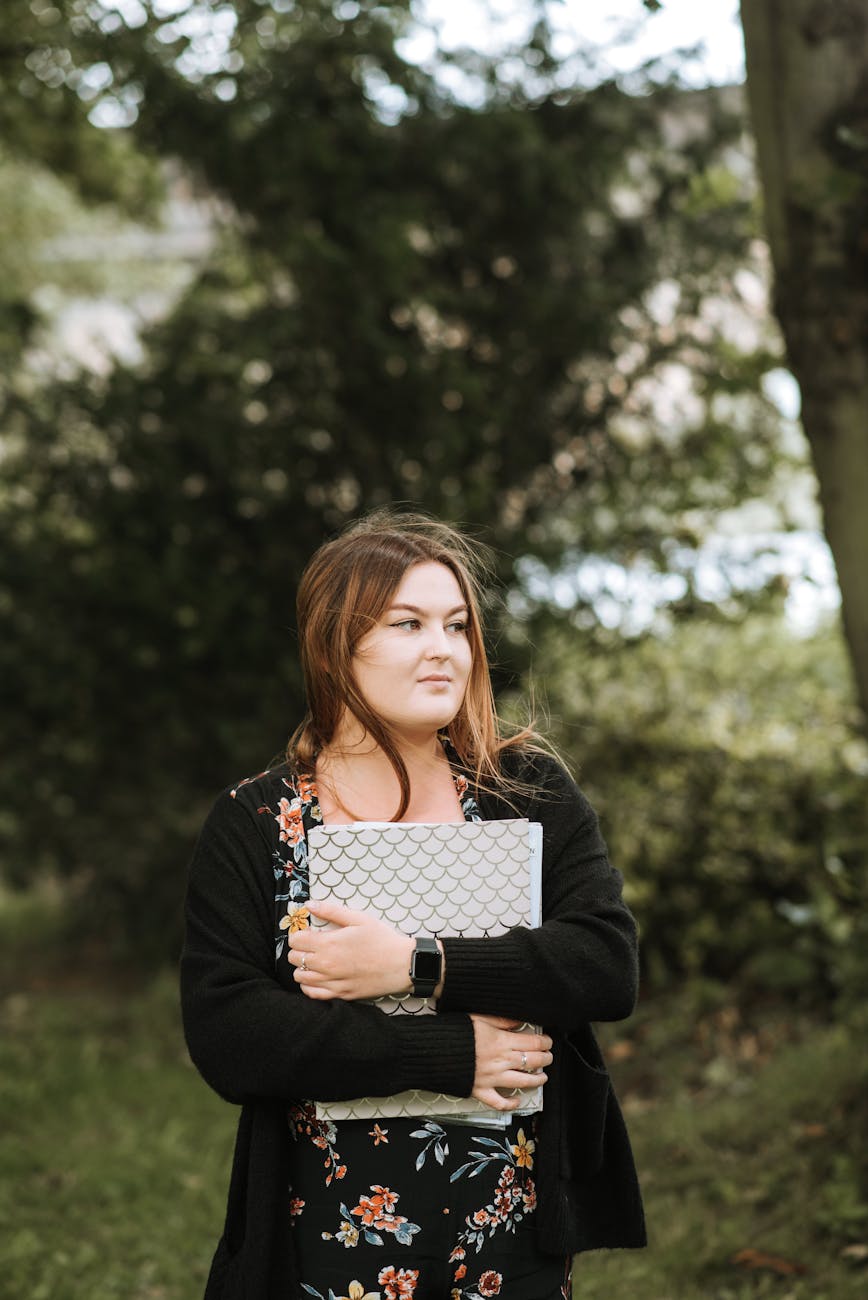
As women, many of us find ourselves struggling with confidence and self-esteem, self-doubt and insecurity. No matter what we have accomplished in life, or what our own personal growth and development journey has been like, we find it difficult to see our own value. It’s easy to get swept up in the unrelenting diatribe of […]

Are you caught in a cycle of self-doubt, self-criticism, and relentless negative self-talk that holds you back from achieving your true potential? You’re not the only one! According to a survey conducted by the American Psychological Association, 85% of people report experiencing negative self-talk on a regular basis, highlighting the pervasive nature of this issue. […]

Networking for introverts. It sounds like a new torture technique! Introverts may find themselves feeling like fish out of water in social settings aimed at building connections and advancing careers. Yet, the importance of networking cannot be underestimated, as studies show that up to 85% of jobs are filled through networking. So how can introverts […]
Self-acquired intelligence refers to knowledge and skills we acquire through self-directed learning and personal experiences, rather than education or training. It can be the key to improving our self-esteem.
To observe Annual Boost Self-Esteem Month, Kindness-Compassion-and-Coaching.com published a series of posts about the many aspects of self-esteem and related topics. Today’s post focuses on self-efficacy, and specifically, how to detect and improve low self-efficacy in women. What Does Low Self-Efficacy Look Like? Low self-efficacy refers to a lack of belief in our abilities to […]
To observe Annual Boost Self-Esteem Month, Kindness-Compassion-and-Coaching.com published a series of posts about this intriguing subject. Today’s post provides a self-worth worksheet that includes thought prompts that you can use to explore your own sense of self and to boost self-esteem and well-being. “Remember to be gentle with yourself and others. We are all children […]