
Are you repeatedly attracted to emotionally unavailable people despite wanting deeper connection? Discover the childhood experiences, attachment patterns, and relationship dynamics that may be shaping your attraction and learn how to break the cycle of pursuing emotional distance instead of emotional intimacy.

The neuroscience of kindness reveals how compassion reshapes the brain, strengthens emotional regulation, and supports long‑term well‑being. Explore the science behind kindness and discover practical insights for personal growth.

Emotional unavailability can leave relationships feeling lonely, confusing, and unfulfilling. Learn the signs, common causes, and practical steps that can help foster deeper emotional connection and lasting change.

Emotional immaturity in adults often shows up as avoidance of responsibility, impulsive reactions, and difficulty regulating strong feelings. We explore common signs like defensiveness, blame-shifting, emotional outbursts, and an inability to sit with discomfort, while keeping a compassionate lens that separates behavior from worth.

Arrested development can freeze emotional, social, cognitive, moral, or spiritual growth, leaving adults feeling stuck or disconnected. This guide explains each type with clarity and compassion so you can understand your patterns and begin healing.

The neuroscience of oxytocin reveals how bonding, trust, and emotional connection reshape the brain. This post explores how oxytocin supports emotional clarity, stress recovery, and long‑term well‑being.

The science of empathy reveals how the brain supports emotional awareness and compassionate action. Learn more about the neural systems behind empathy and discover practical ways to strengthen emotional connection.
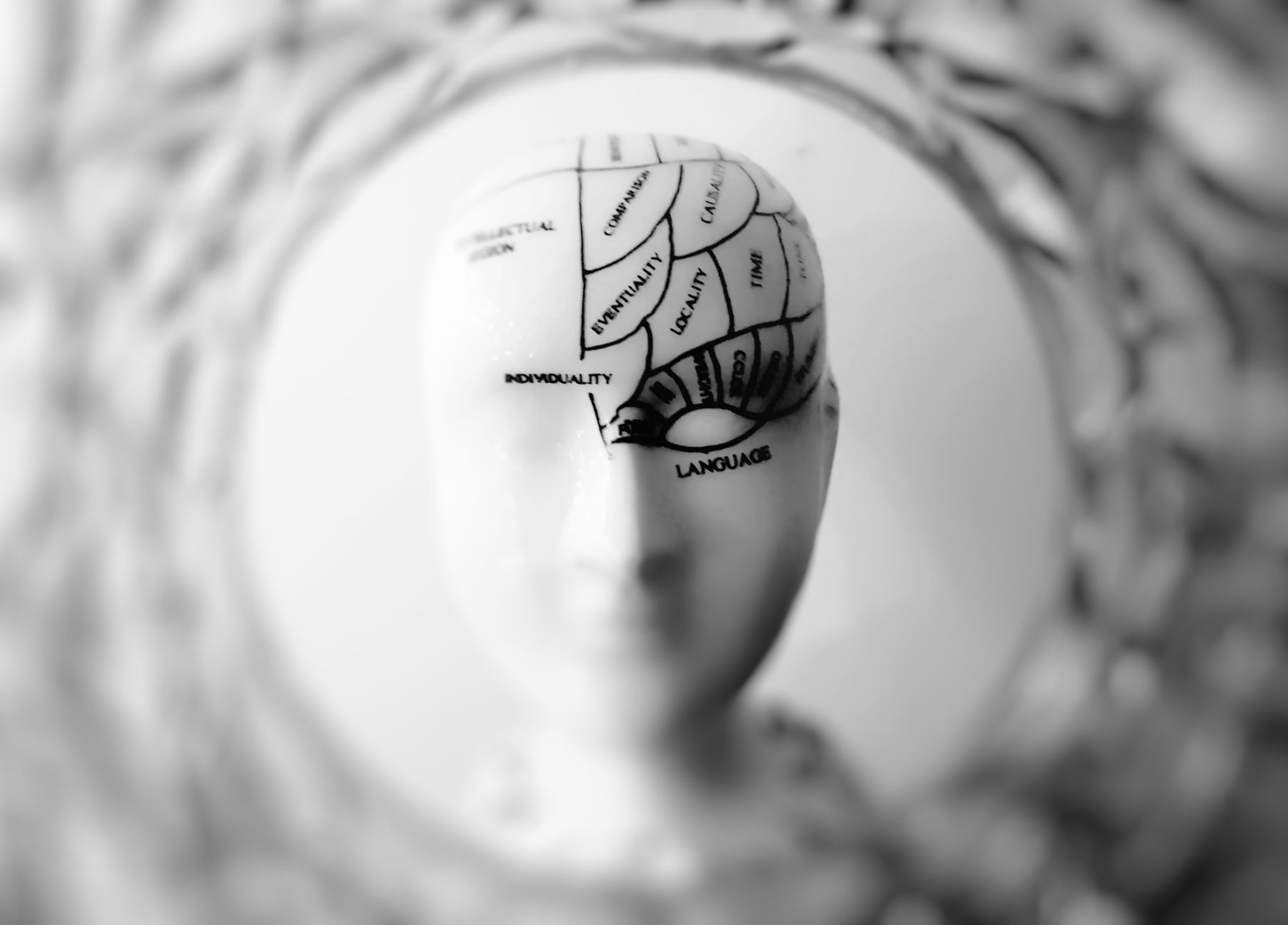
The neuroscience of forgiveness reveals how letting go reshapes the brain, reduces stress, and supports emotional clarity. This post explores how forgiveness strengthens emotional well‑being and creates space for healing.

When someone you care about can’t articulate what’s wrong, the silence can feel heavier than the conflict itself. Emotional ambiguity creates a fog—one where you’re left interpreting half‑sentences, mixed signals, and quiet withdrawal. This article explores how to stay grounded, compassionate, and clear when the person in front of you can’t name their pain, and how to navigate the space between what’s felt and what’s spoken.

Emotional security is a biological state shaped by the brain, the nervous system, and the subtle cues exchanged between people. When psychological safety is present, the body shifts into connection mode. When it’s missing, the body protects instead of relating. This article explores the neuroscience behind that shift and how emotional security and psychological safety in relationships becomes the foundation for connection.

A compassionate discussion of dealing with heartbreak, and the phases of emotional healing that ultimately lead us to have the courage it takes to trust and love again.

Cognitive emotional regulation helps you understand and reshape the thoughts that influence your emotional responses. This guide explores how gentle cognitive shifts can support steadiness, reduce overwhelm, and help you respond with clarity instead of reacting from old patterns.

Emotional triggers often become evident in minor changes in a conversation such as a shift in tone, a look that lands too sharply, a pause that feels heavier than it should. These reactions can feel sudden, but they’re actually signals pointing toward old wounds and unmet needs. When you learn to notice them with curiosity, you create space to respond thoughtfully rather than react from hurt.

Overwhelm is a physiological state shaped by your nervous system. This guide teaches you how to achieve nervous system regulation, reduce anxiety, and return to a calm, steady state through simple, body‑based practices.

Emotional self‑care is the practice of tending to your inner world with gentleness, honesty, and compassion. It helps you understand your emotions, soothe your nervous system, and build a healthier relationship with yourself. We explore the foundations of emotional self‑care, how to recognize when you need it, and tools to help you feel grounded and whole.

Arrested development psychology explains why adults may feel and behave emotionally younger than their age. This guide explores root causes, signs, and healing pathways rooted in trauma‑informed growth and provides an extensive collection of supplemental resources designed to assist those who are experiencing arrested development as well as those who provide them support.

Compassionate detachment is the practice of staying connected without carrying emotions that are not yours. When someone you care about feels overwhelmed or unclear, you can remain present, steady, and kind while still protecting your own clarity. This approach strengthens your relationships by honoring both empathy and boundaries, and it helps you show up with a grounded sense of self no matter what is happening around you.

This guide explores emotional regulation practices that help you understand your reactions, settle your system, and create environments that support long‑term steadiness.

Daily well‑being begins with the choices you make before the day gains momentum - the breath you take before reaching for your phone, the moment you pause before rushing into responsibilities, the gentle check‑in that reminds you you’re allowed to start slowly. This guide introduces foundational well‑being practices that help you create steadiness from the inside out, so your day begins with calm and self‑support rather than stress or self‑criticism.
Before you can successfully commit to nurturing your own well-being plan, you must overcome any tendencies you may have for self-neglect.
This guide provides an honest discussion that illuminates why many of us overlook our own needs to the detriment of ourselves and everyone around us.
Learn how to overcome self-neglect with self-compassion and set the stage for sustainable well-being.

Emotional longing is an ache that rises when connection feels distant. This post explores the neuroscience of emotional longing, why certain memories pull at us, why heartbreak feels physical, and how loneliness shapes the brain. It also explores how to restore hope for future connection.

Do you find yourself becoming irritated, annoyed or angry suddenly? Do you struggle to be patient, hear other people out, and to put together a thoughtful response in the moment?
Your emotions are shaped by patterns, history, and your nervous system.
This guide helps you to heighten your emotional self-awareness, understand why you react the way you do and learn how to transform those reactions into calmer, clearer, respectful responses.
Learn skills that support your long‑term wellbeing and improve your ability to relate to yourself and those around you more effectively.