
I was sitting across from someone I cared about; my chest tightened in response to a simple comment he made. The words themselves were actually neutral, yet my reaction was immediate and powerful. I felt myself pulling away, trying to protect something I couldn’t name. Later, I realized the moment wasn’t about the conversation at all. It was about an old wound that had resurfaced and an emotional trigger that left me behaving counter to my own values.
Months later, I made a casual comment to a friend, something ordinary that I assumed would land lightly. Instead, her expression changed immediately. Her shoulders tensed, her tone shifted, and she pulled back as though I had said something hurtful. I felt confused; I had no intention of causing discomfort. Yet her reaction was unmistakable. After some reflection, I recognized it as the same type of emotional reaction that had impacted me in the past.
Later, through an honest and open conversation, I learned that my words had actually touched a place inside her that had nothing to do with me. They echoed an old experience she had carried for years. She was not reacting to the moment; she was reacting to the meaning her nervous system attached to it. Seeing that helped us both begin to better understand how emotional triggers work in relationships. They often arise from past pain, not present intention.
This guide is designed to help you understand and recognize emotional triggers, explore their roots, and begin the process of healing within your relationships – not by avoiding discomfort, but by learning how to handle emotional triggers with improved self-awareness, healthy curiosity, and care.
If you are looking for a simple tool to accompany this area of focus, and help regulate your nervous system during triggering moments, we recommend Mindfulness Cards that offer prompts that support grounding, emotional awareness, and calm.

What are Emotional Triggers?
Triggers are signals pointing toward places that need healing and healing begins with understanding what your reactions are trying to tell you. When you feel activated, your body is responding to something that resembles a past experience. Your system reacts quickly because it has learned to protect you in similar situations.
Your triggers are invitations to try to understand what is happening inside you and to choose responses that reflect your values rather than your stress. When you learn to interpret your triggers, you begin to see them as information rather than evidence, and you also begin to see how capable you are of shifting your reactions into healthier responses.
If you are experiencing emotional triggers frequently, you may also benefit from exploring strategies and techniques that support emotional self-care.
Why Triggers Feel So Intense
Triggers feel intense because they activate your nervous system. Your body reacts before your mind has time to interpret what is happening. You may feel overwhelmed, anxious, angry, shut down, or flooded and you may feel like your reaction is too big for the situation.
Your reaction makes sense once you understand its roots. It occurs because your body remembers earlier experiences that felt unsafe, unpredictable, or emotionally overwhelming. When something resembles those experiences, your system responds quickly. This response is learned and protective. Understanding this can help you handle potentially triggering events with more grace, intention, and calm. It can also help you to better maintain a state of appropriate, mature, emotional regulation.
How Emotional Triggers Show Up
Emotional triggers in relationships often show up in ordinary interactions and remind us of places inside of us that still need care. They are not proof that something is wrong with us or with the relationship; they are simply signals pointing toward parts of us that crave understanding, repair and healing.
Healing begins when you learn to recognize those signals. It grows when you can pause long enough to notice what your body and emotions are trying to communicate. It deepens when you respond with compassion instead of judgment.
How Emotional Triggers Form
Emotional triggers form through repetition. When your body experiences something repeatedly, it learns to anticipate and respond quickly. If you repeatedly experienced criticism, conflict, unpredictability, or emotional withdrawal, your system learned to react fast. If you repeatedly experienced pressure or responsibility, your system learned to stay alert.
These patterns persist because they once kept you safe. Your body does not forget what helped you survive. It repeats what worked. Even when those patterns no longer serve you, your system continues to use them because they feel familiar, and familiarity often feels safer than change.
Recognizing Your Trigger Patterns
You can recognize your trigger patterns by noticing when your reactions feel fast, intense, or confusing. You may feel activated during conflict, when plans change, when you feel criticized, when you feel responsible for others, when you feel ignored or dismissed or when you feel inadequate.
These patterns make sense once you understand their roots. They reflect earlier experiences that shaped your sense of safety, moments when your body learned to protect you and emotional environments that taught your system how to respond.
The Nervous System’s Role in Emotional Triggers
Your nervous system plays a central role in emotional triggers and emotional trigger healing. It determines how quickly you react, how intensely you feel, and how long it takes to settle. When your system perceives threat, it activates protective responses; these responses often appear as emotional triggers.
Your system may move into fight, flight, freeze, or fawn. You may feel anxious, angry, shut down, embarrassed, or humiliated. These states are physiological responses.
When you understand your nervous system, you begin to see your triggers as states that can be supported, your reactions as signals that your system needs care and your body as something that can be soothed.
Moving From Reactivity to Awareness
Reactivity happens quickly; awareness happens slowly. You move from reactivity to awareness by creating space between what you feel and how you respond. You create this space by pausing, noticing your sensations, naming your emotions and recognizing and understanding your own patterns of behavior.
When you pause, you interrupt the automatic reaction. You give yourself time to understand what is happening inside you and to choose a response that reflects your values. This shift changes your emotional life as you relearn how to respond (vs. react) with intention.
Every trigger protects something. It may protect your need for safety, connection, respect or stability.
When you understand what your trigger is protecting, you gain insight, compassion, humility, and direction. You begin to see what your body needs and you how to support yourself. This understanding helps you shift your reactions to responses, to choose actions that better reflect your values and to strengthen your own emotional resilience.
How to Pause During a Trigger
Pausing during a trigger is a skill. You learn it through awareness and practice.
- Notice your sensations. You may feel tightness, pressure, heat, or restlessness. These sensations are signals. They tell you that your system is activated.
- Name what you feel to reduce intensity and to help your system settle.
- Remind yourself that you can pause, take a breath, soften your posture and ground your body. You can choose to respond slowly.
This pause creates space and it helps you move from reactivity to awareness.
Choosing Responses That Reflect Your Values
Your values guide your responses. They help you choose actions that support your wellbeing and to choose actions that reflect who you want to be.
When you respond from your values, you feel more grounded, confident and aligned. You may choose to speak gently, ask for space or set a boundary; you may also choose to clarify your needs. These choices help you shift your patterns, build emotional steadiness and heal your triggers.
How Emotional Triggers Change Over Time
Triggers change through awareness, compassion, practice and emotional safety. Your system becomes steadier when you respond gently, patterns soften when you understand their roots, reactions become slower when you create space, and your responses become clearer and more aligned when you choose your values.
Healing emotional triggers is not about eliminating activation. It is about learning how to support yourself through it.
Frequently Asked Questions
What is an emotional trigger? An emotional trigger is a reaction that feels fast, intense, or confusing. It often reflects earlier experiences that shaped your sense of safety. Your body responds before your mind has time to interpret what is happening.
Why do emotional triggers feel so overwhelming? Triggers feel overwhelming because your nervous system becomes activated. Your body shifts into protection mode. You may feel anxious, angry, shut down, or flooded. These reactions make sense once you understand their roots.
Can emotional triggers actually heal? Triggers can heal when you understand them. They soften through awareness, shift through compassion and change through practice. You cannot force healing. You can create conditions that help your system feel safe enough to respond differently.
Why do certain people or situations trigger me more than others? Some experiences resemble earlier moments in your life that felt unsafe or unpredictable. Your body remembers those moments. When something feels similar, your system reacts quickly. This reaction is protective.
How do I pause during an emotional trigger? You pause by noticing your sensations, naming your emotions, slowing your breath and grounding your body. These actions help you create space between what you feel and how you respond.
Why do I shut down instead of reacting outwardly? Shut down is another form of activation. Your system may move into a protective state that feels numb or disconnected. This state is not a lack of emotion; it’s a sign that your system needs support.
How long does it take to heal emotional triggers? Healing happens gradually. You may notice small shifts quickly and deeper shifts over time. You are learning a new way of relating to yourself.
Is trigger healing the same as never feeling triggered again? Healing does not mean you never feel triggered; it means you understand your triggers and you support yourself through activation.
Emotional Triggers: Closing Message
Healing emotional triggers involves learning to understand what your triggers are protecting. When you do, you begin to see your reactions as signals. You also begin to see how to transform those reactions into responses and choose actions that support your wellbeing.
Healing emotional triggers is about awareness, compassion, and practice. When you can name what rises inside you, you can communicate it. When you communicate it, you create room for understanding and connection.
Over time, acts of honesty reshape your patterns, soften old defenses, and strengthen the foundation of your relationships. Healing becomes less about fixing what’s broken and more about tending to what’s asking for care – consistently, and with an open heart.
Thank you as always for reading.

Joan Morabito Senio is a coach and former clinical and executive leader with over 35 years of experience helping people overcome challenges, grow, and achieve their full potential. She created Kindness‑Compassion‑and‑Coaching.com to provide free coaching resources to individuals and coaches and anyone interested in pursuing personal growth.
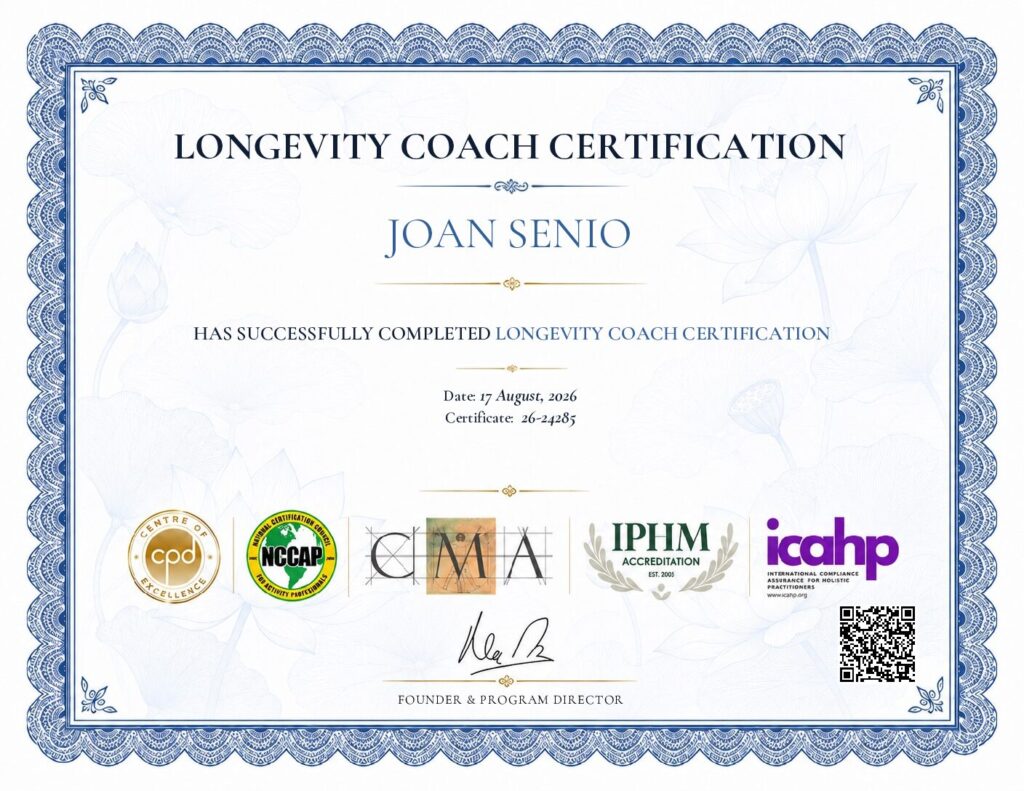
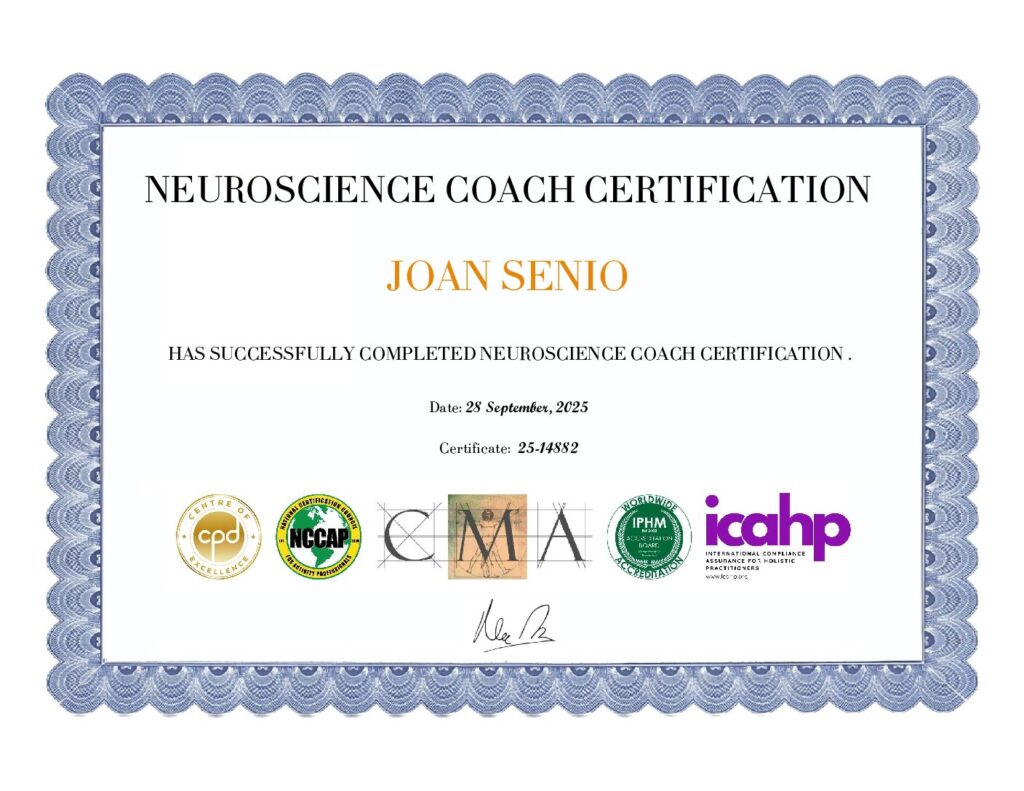
As a certified neuroscience coach and member of the International Organization of Life Coaches, Joan blends science‑based insight with heart‑centered guidance to help others rise above old patterns and step into their most authentic selves. She is committed to supporting those ready to grow, take ownership of their next chapter, and transform their lives from the inside out.
*Some links in this post are affiliate links. That means that we may receive a small commission at no cost to you when you purchase anything via one of these links. These commissions help us keep Kindness-Compassion-and-Coaching.com a free resource, as they help to cover website expenses. Thank you for your support.



No Responses