
There comes a moment when you realize you cannot keep living on the edge of exhaustion, pouring from an empty place, ignoring the signals your body and mind have been sending for ages. After years of putting everyone else first or believing your own needs can and should wait, it’s time to begin rebuilding your own well‑being foundations.
This guide is an invitation to rediscover what it means to live with care, purpose, and respect for the body and mind that carry you through each day. It will help you shape a daily rhythm that honors your energy, protects your peace, and strengthens your sense of self. You will learn how to reconnect with your body, regulate your emotions, and create space for restoration as well as how to build practices that feel natural, supportive, and aligned with the life you want to live.

The Importance of Daily Well-Being
Daily well‑being practices are required for you to remember who you are when you are cared for. They help you reconnect with the parts of yourself that may have been pushed aside in the past.
When you have lived with self‑neglect, your inner world adapts to survival. Your body learns to push through discomfort, keeping your emotions muffled and learning to discount your own needs.
Daily well‑being practices begin to reverse that pattern. They teach you how to receive nourishment, how to allow your emotions to be heard and they remind you that your needs matter, as much as everyone else’s. Every action becomes a message to yourself that you are worth supporting.
When you establish daily well‑being practices, you create a rhythm that honors your energy, emotions, and humanity. Healing is not a single act; it’s a series of choices. Each moment of nourishment, movement, or reflection becomes an affirmation: I am worthy and I am allowed to thrive.
You are returning to yourself, and that return begins here, with the simple, powerful act of practicing daily well‑being in a way that feels real, sustainable, and kind.
The Foundations of Daily Well-Being
Daily well‑being is most successful when you create relatively minor supportive anchors that help you feel centered, capable, and connected to yourself before the world asks anything of you. Well‑being foundations are simple, sustainable practices that help you start your day without pressure and with compassion.
Daily habits that support well-being are not complicated. They are practices that help your nervous system settle, your emotions regulate, and your inner world feel more grounded. When these habits are built with compassion instead of pressure, they become sustainable as they support your emotional steadiness without overwhelming you.
Many try to improve their well-being by making large changes. They overhaul schedules, set strict expectations, or attempt to transform everything at once. These approaches rarely last because they rely on intensity rather than consistency. Sustainable well-being grows from manageable, feasible practices that can be integrated into your life with kindness.
Understanding Daily Well-Being Habits
Daily well-being habits work because they support your nervous system. When your body feels safe, your mind becomes clearer, your emotions become more manageable, and your inner dialogue becomes softer. Emotional steadiness is created through repetition.
Your nervous system responds to patterns. When you consistently give it moments of rest, nourishment, movement, or grounding, it begins to trust that you will take care of it. This trust creates stability. Over time, these habits become anchors that help you to better navigate stress, transitions, and difficult seasons.
Daily well-being habits also help you interrupt cycles of overwhelm. When life feels too challenging or worrisome, it is easy to fall into patterns of avoidance or self-criticism. Daily well-being practices help you stay connected to yourself with self-compassion.
As you explore your own habits, consider how your body responds to stress, what helps you settle, and what actions feel supportive rather than demanding. These insights will inform your daily well-being foundations.
Creating a Compassionate Approach to Daily Well-Being
Daily well-being habits only last when they are built with self-compassion, and a compassionate approach begins with realistic expectations. You do not need to change everything at once or follow a perfect routine; you only need to choose one or two habits that feel supportive and begin practicing them consistently.
Compassion also means allowing your habits to be flexible. Some days you may have more energy. Some days you may need rest. Daily well-being habits should adapt to your needs rather than force you into a rigid structure.
As you build your foundation, notice how you speak to yourself about your habits. If your inner dialogue becomes harsh, pause. Remind yourself that well-being grows through kindness, not pressure.
Foundational Daily Well-Being Habits
Foundational habits are the practices that support your physical and emotional baseline. They help your body feel safe and your mind feel clear:
- Movement helps your body release tension and settle your nervous system.
- Nourishment helps your energy remain stable. Rest helps your emotions regulate.
- Hydration supports your physical clarity.
- These small actions create a foundation that makes emotional steadiness possible.
Begin by choosing one or two foundational habits that feel manageable. A short walk, a few minutes of stretching, a moment of breathing, or a simple nourishing meal can shift your entire day.
As you explore, consider what your body needs most. Some people need more rest, but others need more movement or nourishment. Your foundation should reflect your unique needs.
Emotional Care as a Daily Practice
Daily well-being habits also include emotional care. Emotional steadiness is created through awareness and compassion. When you check in with yourself regularly, you build a relationship with your inner world that feels supportive.
A daily emotional check in can be simple. You can ask yourself what you are feeling, what you need, and what kindness would look like in this moment. This practice helps you stay connected to your emotions, so they do not become overwhelming.
Grounding practices also support emotional steadiness. Breathwork, body scanning, sensory awareness, and self-soothing help your nervous system shift out of stress. These practices do not need to be long; even a few minutes can make a difference.
Emotional care also includes boundaries. When you protect your energy, you reduce emotional strain. Daily well-being habits should include moments where you honor your limits and give yourself permission to rest.
As you explore, notice which practices help you feel more present and which help you feel more settled. These insights can help guide your daily routine.
Restorative Daily Well-Being Habits
Restorative habits help you feel alive, connected, and grounded. They are often overlooked because they seem optional, yet they play a significant role in emotional steadiness. Joy, creativity, and connection help your nervous system recover from stress and help your inner world feel supported.
Restorative habits can be simple. A moment of sunlight, a conversation with someone you trust, a creative activity, or a quiet pause can restore your energy. These habits remind your nervous system that life contains moments of ease and pleasure.
Restorative habits also help you build resilience. When your life includes small moments of joy, your nervous system becomes more flexible. You can navigate stress more easily because your foundation includes nourishment rather than only obligation.
As you explore restorative habits, consider what brings you a sense of ease or connection.
Building a Daily Rhythm That Feels Humane
Daily well-being habits are most sustainable when they are flexible, fit your actual life, and respect your energy, responsibilities, and emotional needs.
You can begin by noticing the natural flow of your day. When do you feel most energized or tired? When do you need grounding? These observations help you schedule habits in moments where they will support rather than strain you.
A humane rhythm also includes permission to adjust. Some days you may practice all your habits. Some days you may practice only one. Consistency does not mean perfection; it means returning to your habits with kindness.
As you build your rhythm, remember that daily well-being habits are meant to support you, not control you.
Integrating Daily Well-Being Habits Into Your Identity
Daily well-being habits become part of your identity when they feel natural. This shift happens gradually as you practice self-kindness and emotional steadiness. Over time, you begin to see yourself as someone who cares for your own needs.
Identity integration begins with minor choices:
- When you choose rest instead of pressure, you reinforce your identity as someone who values well-being.
- As you choose nourishment instead of neglect, you reinforce your identity as someone who supports your body.
- If you choose grounding instead of avoidance, you reinforce your identity as someone who stays connected to yourself.
These choices build a compassionate mindset. They help you become someone who treats yourself with respect and care.
Your Daily Well-Being Foundations Plan
Daily well-being habits grow through repetition. You can begin with one grounding practice, one supportive moment, one nourishing action, or one restorative pause. Each of these choices help you to cultivate emotional steadiness over time.
Weekly reflection helps you stay aligned with your needs and monthly resets help you deepen your habits. As you continue practicing, your foundation becomes stronger and emotional steadiness becomes more natural.
FAQ: Daily Well-Being Habits
What are daily well-being habits? They are simple, consistent practices that support your emotional steadiness and physical and mental well-being.
Why do habits matter? Habits influence your nervous system. They help your body settle and your emotions regulate.
How long does it take to build a routine? Most people notice shifts within a few weeks. Sustainable routines develop over months.
Do habits need to be done every day? No. Consistency matters more and even a few days a week can create meaningful change.
What if I struggle with motivation? Motivation grows when habits feel compassionate rather than demanding. Begin with one practice and build from there.
Closing: A Steady Way to Begin Each Day
Daily well‑being foundations don’t require perfect discipline or elaborate routines – just minor, consistent, intentional moments where you choose steadiness over urgency and compassion over pressure.
Some days these foundations will feel natural; other days they may feel harder to reach. What matters is returning to them, without judgment, and remembering that well‑being is built through repetition. Each morning offers a new chance to begin with presence, to check in with yourself, and to create the emotional footing you need for whatever comes next.
You deserve a foundation that supports you, and you are fully capable of building it, one moment at a time.
Thank you as always for reading.

Joan Morabito Senio is a coach and former clinical and executive leader with over 35 years of experience helping people overcome challenges, grow, and achieve their full potential. She created Kindness‑Compassion‑and‑Coaching.com to provide free coaching resources to individuals and coaches and anyone interested in pursuing personal growth.
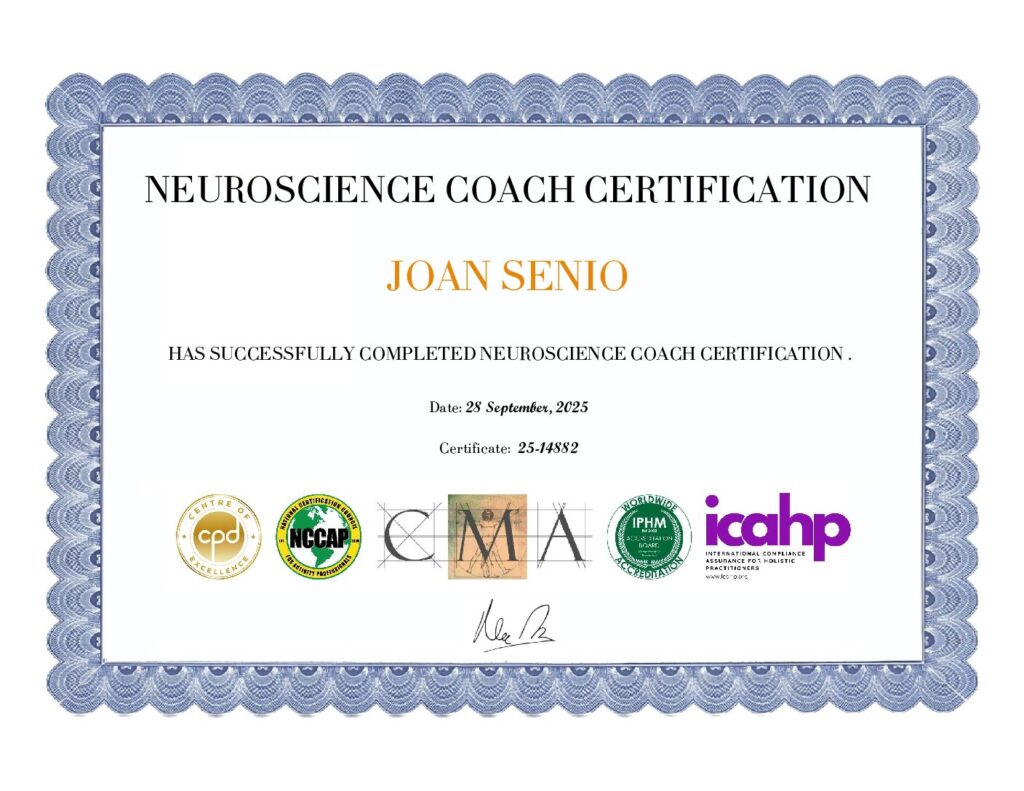
As a certified neuroscience coach and member of the International Organization of Life Coaches, Joan blends science‑based insight with heart‑centered guidance to help others rise above old patterns and step into their most authentic selves. She is committed to supporting those ready to grow, take ownership of their next chapter, and transform their lives from the inside out.
*Some links in this post are affiliate links. That means that we may receive a small commission at no cost to you when you purchase anything via one of these links. These commissions help us keep Kindness-Compassion-and-Coaching.com a free resource, as they help to cover website expenses. Thank you for your support.







No Responses