
It has been known for centuries that kindness is a behavior and mindset that is beneficial to both the receiver and the giver. Beyond the good will it produces, neuroscience shows that kindness impacts biological processes that influence our neural circuits, hormones, and long‑term patterns of brain activity.
When you practice compassion, your brain changes in measurable ways that effect emotional balance, stress recovery, decision‑making, and your ability to connect with others.
Understanding the neuroscience of kindness can help you see compassion not as a characteristic you either demonstrate or not, but as a trainable skill that strengthens with practice and provides long-term benefits to both you and those around you.
Today, we explore what happens in the brain when you experience or offer kindness, how compassion reshapes neural pathways, and why these findings matter for emotional well‑being.

Why the Brain Is Wired for Kindness
The human brain evolved in social environments where cooperation increased survival. Because of this, the brain developed systems that reward connection, empathy, and supportive behavior.
When you offer kindness, your brain activates regions associated with reward, bonding, and emotional regulation. These include the ventral striatum, the medial prefrontal cortex, and the anterior cingulate cortex. These areas help you feel satisfaction, connection, and emotional steadiness.
Kindness also activates the parasympathetic nervous system, which helps the body shift out of stress mode. This shift supports clearer thinking, calmer decision‑making, and a sense of internal safety. Over time, repeated acts of compassion strengthen these pathways, making it easier to respond with care even in difficult moments.
The neuroscience of kindness shows that compassion is a biological strength that supports resilience, emotional regulation, and long‑term well‑being.
How Compassion Influences Key Brain Systems
Compassion affects several interconnected systems in the brain. One of the most studied is the caregiving system, which is supported by oxytocin. Oxytocin is often called the bonding hormone, as it helps regulate trust, connection, and emotional openness. When you experience compassion or offer support to someone else, oxytocin levels rise. This increase helps reduce fear responses in the amygdala and strengthens your ability to stay present with another person’s emotions.
Another important system is the prefrontal cortex, which supports emotional regulation and perspective‑taking. Compassion has been shown to increase activity in this region, helping people respond more clearly and with less reactivity. This is especially important for those who struggle with stress, conflict, or emotional overwhelm.
The insula also plays a central role. It helps you sense your internal state and recognize the emotions of others. When you practice compassion, the insula becomes more responsive, which supports empathy and emotional awareness.
Together, these systems create a network that supports kindness as both an emotional experience and a cognitive skill.
The Role of Neuroplasticity in Compassion
One of the most encouraging findings in the neuroscience of kindness is that compassion is trainable. Neuroplasticity allows the brain to reorganize itself based on repeated experiences. When you practice compassion, even in small ways, you strengthen the neural pathways that support it.
Studies on compassion meditation show that regular practice increases activity in brain regions associated with empathy, emotional regulation, and positive affect. These changes can occur in as little as a few weeks. Over time, the brain becomes more efficient at shifting into states of care, understanding, and connection.
This means that kindness is not something you must wait to feel. It is something you can cultivate through intentional practice. Even brief moments of compassion can create meaningful shifts in the brain.
Why Kindness Reduces Stress and Supports Emotional Clarity
Stress activates the sympathetic nervous system, which prepares the body for threat. While this response is useful in emergencies, chronic activation can lead to anxiety, irritability, and emotional exhaustion. Kindness helps counteract this by activating the parasympathetic nervous system, which supports calm and recovery.
When you offer compassion, your heart rate slows, your breathing deepens, and your body shifts into a state that supports healing. This shift also improves emotional clarity. When the nervous system is calmer, the prefrontal cortex functions more effectively, helping you to think clearly, better understand your emotions, and respond with intention rather than impulse.
Kindness also reduces rumination. When you focus on supporting others or offering care to yourself, your attention shifts away from repetitive negative thoughts. This creates space for new perspectives and emotional insight.
How the Neuroscience of Kindness Supports Personal Growth
Understanding the neuroscience of kindness helps you see compassion as a practical tool for personal growth. When you practice kindness, you strengthen neural pathways that support emotional steadiness, resilience, and connection. These changes influence how you respond to stress, how you communicate, and how you navigate relationships.
Kindness also supports self‑compassion, which is essential for healing and growth. When you treat yourself with care, your brain responds with the same calming and stabilizing effects that occur when you support someone else. This helps reduce self‑criticism, increase motivation, and create a more supportive internal environment.
Recommended Products to Support Learning About the Neuroscience of Kindness
The more you practice kindness, the more natural it becomes. Over time, compassion becomes a familiar state rather than something you must work to access.
Learning more about kindness and the brain can help you to understand your own emotional patterns better and can help you further develop compassion as a skill.
The books recommended below can help you more readily comprehend what’s happening beneath the surface: the circuitry, the habits, and the small daily practices that strengthen emotional steadiness. This understanding further supports your ability to develop your own ability to be kind and compassionate, to yourself and to others.
| Product | Why It Supports the Neuroscience of Kindness |
|---|---|
| Nonviolent Communication | A series of foundational texts for understanding compassionate communication and the emotional circuitry behind empathy. |
| Twelve Steps to a Compassionate Life | A practical roadmap for cultivating compassion, grounded in behavioral and emotional science. |
| Self‑Compassion (Kristin Neff) | The definitive guide to the neuroscience and psychology of self‑kindness; ideal for those seeking emotional regulation tools. Also look for the companion workbook. |
| The Art of Empathy (Karla McLaren) | A clear, accessible explanation of empathy as a skill shaped by brain‑based emotional processes. |
| The Developing Mind (Daniel J. Siegel) | A neuroscience‑rich exploration of interpersonal connection, attachment, and emotional regulation. |
| Empathy: Why It Matters, and How to Get It | A readable, research‑informed look at how empathy shapes behavior, relationships, and social cohesion. |
Frequently Asked Questions
What is the neuroscience of kindness? It is the study of how compassion, empathy, and supportive behavior influence the brain’s structure, chemistry, and long‑term patterns of activity.
Can kindness change the brain? Yes. Repeated acts of compassion strengthen neural pathways associated with emotional regulation, empathy, and stress recovery.
Is compassion a natural trait or a learned skill? It is both. Humans are biologically wired for connection, and compassion can be strengthened through practice.
Does kindness reduce stress? Yes. Compassion activates the parasympathetic nervous system, which supports calm and emotional clarity.
How long does it take to see changes in the brain? Studies suggest that consistent compassion practice can create measurable changes within a few weeks.
The Neuroscience of Kindness
As you explore the neuroscience of kindness, remember that compassion is a natural capacity that grows through practice. Every moment of care, every pause to understand yourself or someone else, strengthens the neural pathways that support emotional steadiness and connection. These small choices shape your inner world in ways that matter.
If this topic resonates with you, consider exploring the other articles in our self-compassion collection. Each one offers a deeper look at a specific aspect of the topic and includes practical guidance about how you can use this knowledge to support your well‑being.
We also recommend exploring one or more of the recommended books to continue learning and to bring more insight into your daily life. If you are new to the study of compassion and self-compassion, we recommend you begin with Self-Compassion: The Proven Power of Being Kind to Yourself by Kristin Neff.
Your brain is capable of remarkable change. Kindness is one of the most powerful ways to guide that change toward healing, connection, and growth.
Thank you as always for reading.

Joan Morabito Senio is a coach and former executive and consultant with over 35 years of experience helping people overcome challenges, grow, and achieve their full potential. She created Kindness‑Compassion‑and‑Coaching.com to provide free coaching resources to individuals and the compassionate coaching community.
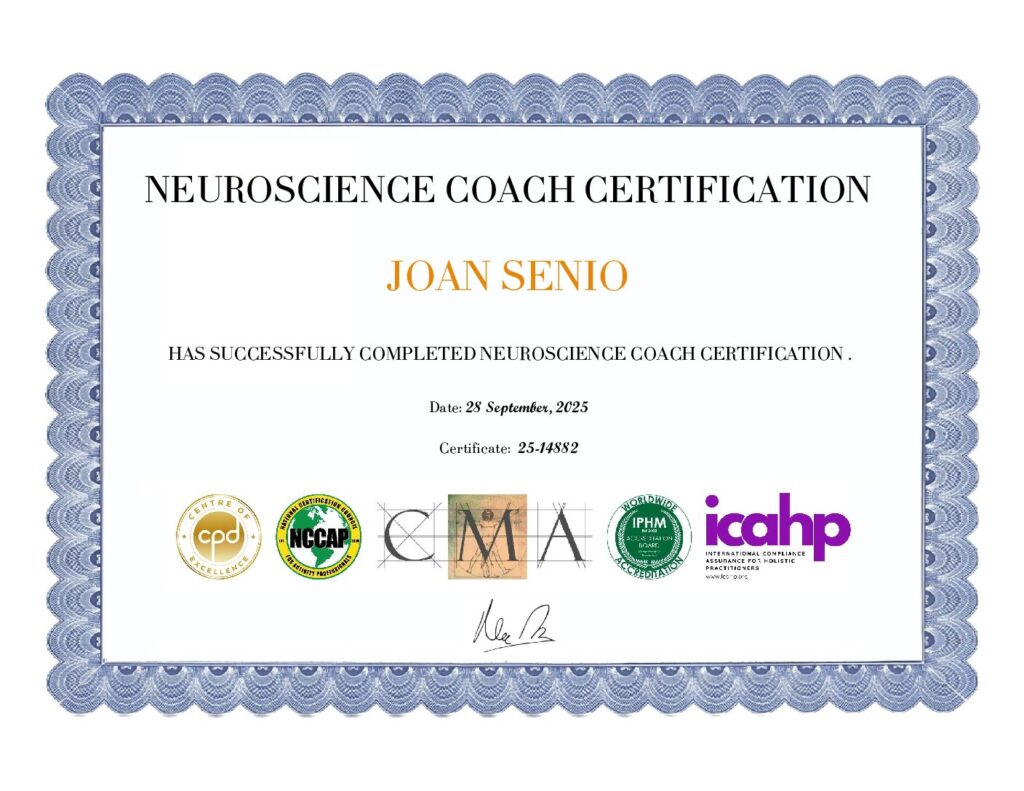
As a certified neuroscience coach and member of the International Organization of Life Coaches, Joan blends science‑based insight with heart‑centered guidance to help others rise above old patterns and step into their most authentic selves. She is committed to supporting those ready to grow, take ownership of their next chapter, and transform their lives from the inside out.
*Some links in this post are affiliate links. That means that we may receive a small commission at no cost to you when you purchase anything via one of these links. These commissions help us keep Kindness-Compassion-and-Coaching.com a free resource, as they help to cover website expenses. Thank you for your support.





No Responses