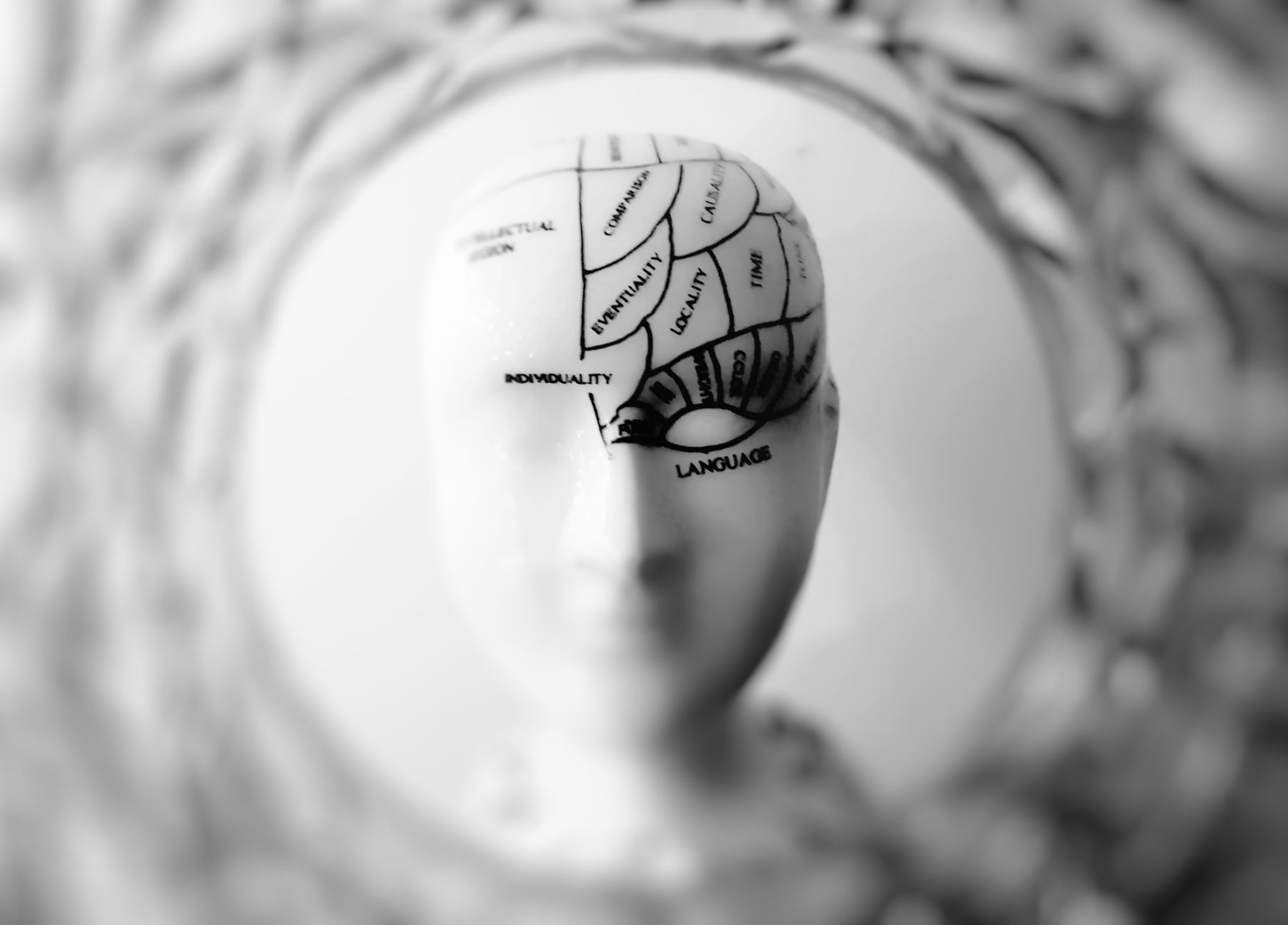
We often think of forgiveness as a moral choice or a spiritual practice, a generosity that yields peace of mind and closure. As powerful as those intangible benefits are, neuroscience reveals that forgiveness has another meaningful, more evidential impact: it can literally reshape your brain.
When you forgive, you set the stage to shift your brain out of harmful patterns that can keep you stuck in stress, rumination, and emotional pain. Letting go of blame and the related harsh feelings does not impact the person who wronged you; but it does allow you to reclaim your own energy and well‑being.
Today, we explore how forgiveness affects neural circuits, reduces stress, supports emotional regulation, and why it is one of the most powerful tools for long‑term healing.

How Forgiveness Impacts the Brain
The brain is often described as a command center. While this is accurate, it doesn’t aptly describe another key aspect of the brain’s function. Beyond sending out orders to other parts of the body, the brain also acts as the host of ongoing biological conversations that shape how you think, feel, respond, and behave.
Your prefrontal cortex helps you reason and make choices. Your amygdala signals threat and emotional intensity, and your hippocampus stores memories that color your reactions. When you hold onto resentment, these areas stay locked in a loop of stress and defense. Forgiveness interrupts that loop – calming the amygdala, strengthening the prefrontal cortex’s ability to regulate emotion, and allowing the hippocampus to reframe painful memories.
In essence, forgiveness doesn’t just change how you feel; it helps the brain to deactivate your threat response.
As you release resentment, the prefrontal cortex becomes more active, improving emotional regulation, perspective‑taking, and decision‑making. As the prefrontal cortex strengthens, it helps calm the amygdala.
Forgiveness creates a shift in neural activity that both supports healing and reduces the emotional burden of past experiences.
How Forgiveness Reduces Stress and Emotional Reactivity
Stress is one of the most significant barriers to emotional well‑being. When you hold on to anger or hurt, your body produces cortisol, the primary stress hormone. High cortisol levels can lead to anxiety, irritability, and difficulty concentrating. Over time, chronic stress affects memory, sleep, and physical health.
Forgiveness helps reduce cortisol. When you begin to release resentment, the parasympathetic nervous system becomes more active. This system supports calm, recovery, and emotional balance. As the body shifts out of stress mode, the brain becomes more capable of processing and managing emotions.
Forgiveness also reduces rumination. Rumination is the repetitive cycle of replaying painful events or imagining different outcomes. This cycle keeps the brain stuck in the past. When you forgive, you interrupt this cycle. The prefrontal cortex becomes more active, helping you shift your attention toward the present moment.
These changes show why forgiveness is so powerful: it helps the brain move out of survival mode and into a state that supports healing.

The Role of the Prefrontal Cortex in Forgiveness
The prefrontal cortex plays a central role in the neuroscience of forgiveness. It helps you regulate emotions, understand your thoughts, and make intentional choices. When you practice forgiveness, this region becomes more active and more connected to the limbic system.
The limbic system – the brain’s emotional engine – generates feelings, tags experiences with meaning, and activates the physiological arousal that forgiveness helps soften, allowing the prefrontal cortex to guide those reactions with greater intention.
This connection is important because it helps you respond to emotional triggers with more insight rather than impulse. Instead of reacting automatically, you can pause, reflect, and choose how you want to respond. This shift supports emotional maturity and reduces the intensity of emotional reactions.
The prefrontal cortex also supports perspective‑taking. When you forgive, you are not just releasing resentment. You are understanding the situation from a broader viewpoint. This does not mean you justify harmful behavior, but it means you see the event in context, which helps reduce emotional charge.
Over time, forgiveness strengthens the neural pathways that support emotional regulation. This makes it easier to navigate difficult emotions and maintain inner steadiness.

How Forgiveness Supports Emotional Freedom
Emotional freedom is the ability to move through life without being weighed down by past experiences. When you hold on to resentment, your brain remains tethered to the event. This tether keeps you stuck in old emotional patterns. Forgiveness helps release this tether.
When you forgive, the brain begins to form new neural pathways. These pathways support resilience and emotional openness. You may notice that you feel lighter, more grounded, or more connected to yourself.
Forgiveness also supports self‑compassion. When you release resentment toward others, you often become more understanding of your own mistakes. This shift helps reduce self‑criticism and supports emotional healing.
Forgiveness and the Brain’s Reward System
Forgiveness activates the brain’s reward system. When you release resentment, the brain produces dopamine and serotonin. These neurotransmitters support positive mood, emotional balance, and a sense of well‑being.
This reward response helps reinforce the behavior. The more you practice forgiveness, the more your brain associates it with emotional relief. Over time, forgiveness becomes easier because the brain recognizes it as a path to emotional freedom.
This reward response also supports motivation. When you feel better emotionally, you are more likely to engage in behaviors that support your well‑being. This creates a positive feedback loop that strengthens emotional resilience.
Recommended Products to Support Learning About Forgiveness and the Brain
The products below can help deepen your understanding of how forgiveness reshapes the brain. Each one supports learning, reflection, and the rewiring that makes emotional release more accessible over time.
| Product | Short Review |
|---|---|
| Forgive for Good | A research‑based guide (and accompanying workbook) focused on the science of forgiveness. Clear explanations and practical tools for emotional healing. |
| The Body Keeps the Score | A foundational book on trauma and the brain. Helps readers understand how emotional pain affects neural pathways. |
| The Forgiveness Experiment: What Would Happen if You Let it All Go? | Bernath’s personal and practical journey into the messy, sacred work of letting go. |
| Letting Go of the Past: How to Overcome Overthinking and Anxiety to Find Forgiveness | Learn practical strategies to manage anxiety and embrace a more joyful life. Unleash the healing power of forgiveness (for yourself and others) and experience true freedom. |
Frequently Asked Questions about the Neuroscience of Forgiveness
What actually happens in the brain when we forgive? Forgiveness activates regions linked to empathy and emotional regulation – especially the prefrontal cortex and anterior cingulate cortex. These areas help calm the amygdala, which governs fear and threat responses. As this calming occurs, stress hormones like cortisol decrease, and the brain begins to associate peace rather than danger with the memory of the event.
Does forgiveness mean forgetting or excusing what happened? No. Forgiveness is a neural reframe, not an erasure. The hippocampus, which stores memory, still retains the event, but the emotional charge attached to it changes. You remember differently, with less reactivity and more perspective.
Why does holding onto resentment feel so powerful? Resentment keeps the limbic system in a state of vigilance. The brain interprets emotional pain as a continuing threat, so it stays alert. This can feel like control, but it’s actually a stress loop. Forgiveness interrupts that loop, allowing the nervous system to rest.
Can forgiveness improve physical health? Yes. Chronic resentment elevates stress hormones that affect blood pressure, immune function, and sleep. Studies show that people who practice forgiveness experience lower heart rate variability and improved immune markers, evidence that emotional release translates into physiological healing.
What if I can’t forgive yet? The brain changes gradually. Even intention begins the process. When you imagine forgiving, the same neural circuits start to activate as if you had done it. Compassion practices and mindfulness help strengthen those pathways until forgiveness feels possible.
Is forgiveness always appropriate? Forgiveness doesn’t mean reconciliation. It’s an internal act of freeing your own mind from the grip of pain. You can forgive while maintaining boundaries. The brain benefits from the release, even if the relationship doesn’t resume.
How does self‑forgiveness fit into this? Self‑forgiveness engages similar circuits but often requires deeper work in the default mode network, which processes self‑reflection. When you forgive yourself, you reduce internal conflict and create space for growth, a shift that can be measured in reduced activity in stress‑related regions.
Can forgiveness be learned or practiced like a skill? Absolutely. Repetition rewires the brain. Each time you choose empathy over anger, you strengthen neural connections that support calm and perspective. Over time, forgiveness becomes less of a moral decision and more of a neurological habit.
What role does compassion play in forgiveness? Compassion activates the insula, a region that helps us sense emotional states in ourselves and others. When compassion increases, empathy rises, and the brain naturally moves toward understanding rather than defense, the foundation of lasting forgiveness.
How can I start? Begin with awareness. Notice the tension that arises when you recall a hurt. Breathe. Name what you feel. Each moment of conscious release tells your brain: I am safe now. That message, repeated, is how forgiveness becomes embodied.
How Forgiveness Changes the Brain
Letting go and learning to forgive is not about erasing the past; it’s about freeing your brain from patterns that keep you stuck in pain. Every moment of forgiveness strengthens the neural pathways that support resilience, emotional regulation, self-compassion and more. These small shifts shape your inner world in ways that matter.
Forgiveness can help you to forge a path toward emotional freedom. Your brain is capable of remarkable change, and forgiveness is one of the most powerful ways to guide that change toward healing.
Thank you as always for reading.

Joan Morabito Senio is a coach and former clinical and executive leader with over 35 years of experience helping people overcome challenges, grow, and achieve their full potential. She created Kindness‑Compassion‑and‑Coaching.com to provide free coaching resources to individuals and coaches and anyone interested in pursuing personal growth.
As a certified neuroscience coach and member of the International Organization of Life Coaches, Joan blends science‑based insight with heart‑centered guidance to help others rise above old patterns and step into their most authentic selves. She is committed to supporting those ready to grow, take ownership of their next chapter, and transform their lives from the inside out.
*Some links in this post are affiliate links. That means that we may receive a small commission at no cost to you when you purchase anything via one of these links. These commissions help us keep Kindness-Compassion-and-Coaching.com a free resource, as they help to cover website expenses. Thank you for your support.





No Responses