
Empathy is often described as the ability to understand what another person is experiencing. It results from a coordinated set of neural processes that allow you to resonate with another person’s emotions, understand their perspective, and respond with both care and thoughtfulness. Emotional awareness is an important counterpart to this process, as it helps you recognize your own feelings, interpret your internal signals, and stay grounded while connecting with others.
Together, empathy and emotional awareness form the foundation of healthy communication, meaningful relationships, and compassionate action. They shape how you respond to conflict, how you support others, and how you navigate your own emotional landscape. The science of empathy shows that these abilities can be learned and shaped by experience, practice, and the brain’s remarkable ability to adapt.
Today, we explore the neural systems that support empathy, the role of emotional awareness in regulating empathetic responses, and the practical ways you can strengthen these capacities.
Empathic vs. Empathetic: How to Know the Difference

Empathy Is Much More Than a Feeling
At the most basic level, empathy begins with affective resonance. This is the brain’s ability to mirror or simulate another person’s emotional state. When you see someone in distress, your brain activates many of the same regions that would activate if you were experiencing the distress yourself. This is why empathy can feel immediate and visceral.
But empathy does not stop there. Cognitive empathy allows you to understand another person’s perspective, even if you do not share their emotional state. This requires mental flexibility, emotional regulation, and the ability to shift attention between your own experience and someone else’s.
Motivated empathy is the third layer. It involves the desire to respond. This is when empathy translates into action. Motivated empathy is shaped by values, emotional regulation, and the brain’s reward system. When you act with compassion, your brain releases neurotransmitters that reinforce the behavior, making it more likely that you will respond with care again in the future.
The science of empathy shows how these three layers work together: affective resonance helps you feel connected; cognitive empathy helps you understand, and motivated empathy helps you respond.
The Brain Systems Behind Empathy
Several neural networks support empathy.
- The anterior cingulate cortex and the insula help you sense and interpret emotional signals. These regions activate when you witness another person’s pain or distress. They help you recognize emotional cues and respond with awareness.
- The mirror neuron system also plays a role. Mirror neurons fire both when you perform an action and when you observe someone else performing the same action. This system helps you understand others through internal simulation. It supports emotional resonance, social learning, and coordinated behavior.
- The prefrontal cortex supports cognitive empathy. It helps you take another person’s perspective, regulate your emotional responses, and make intentional choices. This region is especially important when empathy becomes challenging, such as during conflict or when emotions run high.
- The temporoparietal junction helps you distinguish between your own thoughts and the thoughts of others. This distinction is essential for healthy empathy. Without it, you may absorb another person’s emotions as if they were your own, which can lead to overwhelm or emotional fatigue.
Together, these systems create a dynamic network that helps you understand others while staying connected to yourself.
Emotional Awareness: The Internal Anchor
Emotional awareness is the ability to recognize, interpret, and understand your own emotions. It is closely linked to interoception, the brain’s ability to sense internal bodily states. When you feel anxious, your heart rate may increase; when you feel sad, your chest may feel heavy. Emotional awareness helps you interpret these signals accurately.

This internal awareness is essential for healthy empathy. Without it, you may confuse your own emotions with someone else’s. You may also struggle to regulate your responses, which can lead to emotional exhaustion. Emotional awareness helps you stay grounded while connecting with others. It allows you to notice when you are becoming overwhelmed and to take steps to regulate your nervous system.
Emotional awareness strengthens the prefrontal cortex. This region helps you pause, reflect, and choose how to respond. When emotional awareness is strong, empathy becomes more sustainable and you can more readily connect with others without losing yourself in the process.
Learn about Compassionate Detachment: How to Care Yet Protect Your Peace
How Empathy and Emotional Awareness Work Together
Empathy and emotional awareness are deeply interconnected. Empathy helps you understand others while emotional awareness helps you understand yourself. Together, they create a balanced emotional experience.
When you recognize your own emotions, you can approach another person’s feelings with greater clarity and you can distinguish between what belongs to you and what belongs to them. This distinction helps you respond carefully rather than react from your own emotional triggers.
Emotional awareness also helps you regulate your nervous system. When you feel grounded, you can offer empathy without becoming overwhelmed; this regulation supports motivated empathy, allowing you to respond with compassion even in difficult situations.
These skills can be developed with practice. The more you engage in reflective awareness, the stronger your neural pathways become. Over time, empathy and emotional awareness become more natural and more integrated.

Empathy, Stress, and the Nervous System
Stress can interfere with empathy. When the nervous system is in a heightened state, the brain shifts into self‑protection mode. This makes it harder to connect with others. Emotional awareness helps counteract this by activating the parasympathetic nervous system, which supports calm and recovery.
When you regulate your own stress response, you create space for empathy. You can listen more fully, respond more thoughtfully, and stay present even when emotions are intense. This regulation supports healthier communication and deeper connection.
The science of empathy shows that compassion practices, mindfulness, and reflective journaling all strengthen the neural pathways that support emotional regulation. These practices help you stay grounded, which makes empathy more sustainable.
Recommended Products to Support Learning
The products below include research‑informed resources that can help deepen your understanding of how empathy works in the brain and in daily life.
| Product | Short Review |
|---|---|
| Mindsight by Daniel J. Siegel | A clear and accessible guide to emotional integration and awareness from a pioneer in the field of mental health. This groundbreaking book describes the healing power of “mindsight,” the potent skill that allows you to make positive changes in your brain and in your life. |
| The Art of Empathy by Karla McLaren | Karla McLaren teaches us how to perceive and feel the experiences of others with clarity and authenticity; to connect with them more deeply and effectively. Includes practical tools for understanding and working with empathic experience. |
| Emotional Intelligence by Daniel Goleman | Goleman’s classic work remains the best foundational exploration of emotional awareness and its impact on daily life, including how emotional intelligence can be nurtured and strengthened throughout our adulthood, with immediate benefits to our health, our relationships, and our work. |
Frequently Asked Questions
What is the science of empathy? It is the study of how the brain processes emotional signals, perspective taking, and compassionate responses.
Can empathy be strengthened? Yes. Practices such as mindfulness, compassion training, and reflective journaling strengthen the neural pathways that support empathy.
How does emotional awareness support empathy? It helps you recognize your own emotions, regulate your responses, and stay grounded while connecting with others.
Why do some people feel overwhelmed by empathy? Overwhelm occurs when affective resonance is strong but emotional regulation is weak. Strengthening emotional awareness helps balance this.
Is empathy the same as emotional sensitivity? No. Empathy involves understanding another person’s experience, while emotional sensitivity refers to how strongly you feel your own emotions.
The Science of Empathy and Emotional Awareness
As you continue to explore the science of empathy and emotional awareness, remember that these capacities grow through practice, reflection, and intentional connection. Every moment of awareness strengthens the neural pathways that support compassion and emotional steadiness. These skills help you navigate relationships with more confidence and respond to others with care.
If this topic resonates with you, you may wish to explore the related posts in our Kindness-Compassion-and-Coaching Emotional Awareness Series. Each one offers a deeper look at how the brain supports emotional connection and how you can use this knowledge to support your well‑being.
Thank you as always for reading.

Joan Morabito Senio is a coach and former clinical and executive leader with over 35 years of experience helping people overcome challenges, grow, and achieve their full potential. She created Kindness‑Compassion‑and‑Coaching.com to provide free inner healing resources to both individuals and practitioners.
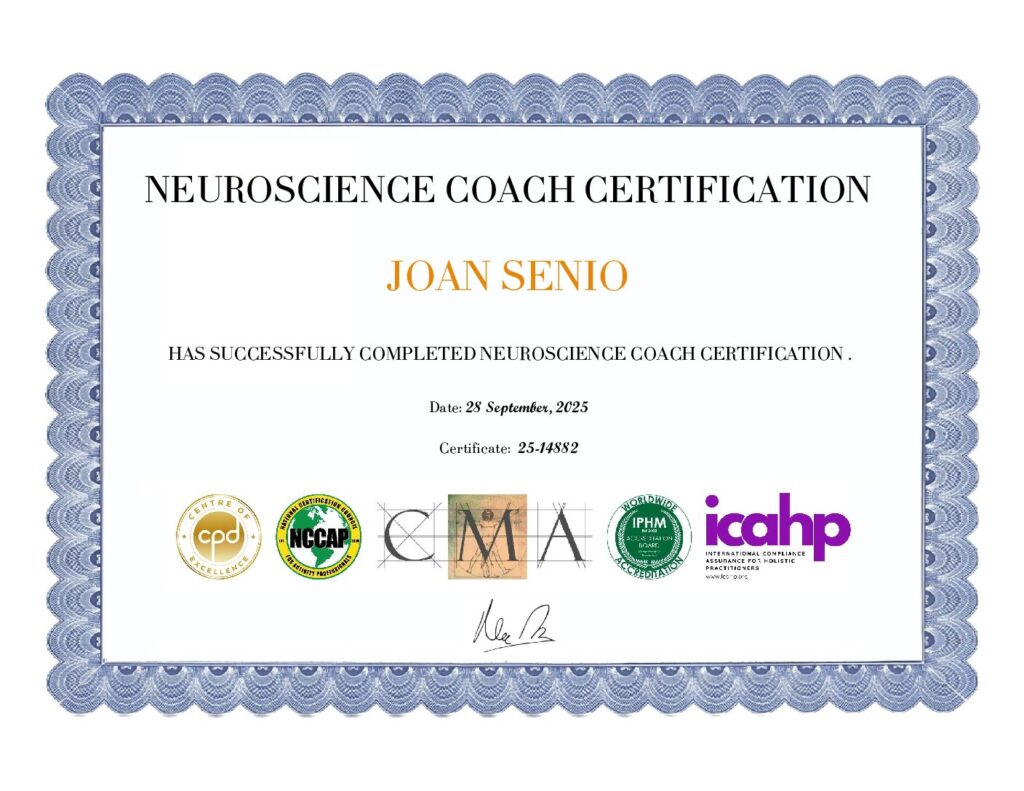
As a certified neuroscience coach and member of the International Organization of Life Coaches, Joan blends science‑based insight with heart‑centered guidance to help others rise above old patterns and step into their most authentic selves. She is committed to supporting those ready to grow, take ownership of their next chapter, and transform their lives from the inside out.
*Some links in this post are affiliate links. That means that we may receive a small commission at no cost to you when you purchase anything via one of these links. These commissions help us keep Kindness-Compassion-and-Coaching.com a free resource, as they help to cover website expenses. Thank you for your support.






No Responses