
Many people struggle to believe in themselves. This feeling often surfaces during moments of transition, stress, challenge or self‑reflection. Self-doubt can feel like a constant background noise that influences everything, because when you don’t believe in yourself, even simple decisions can feel more difficult than they should. Your whole world changes when you begin to cultivate self-belief and overcome insecurity.
Self‑belief is a learned internal stance shaped by experiences, relationships, and the stories you tell yourself. Insecurity grows when those stories become distorted or outdated. To make things more complex, you may feel capable in one area of life yet deeply unsure in another. This can deepen confusion about who you really are and what you can trust within yourself.
Today, we explore why self‑belief is fragile for so many as well as practical strategies to rebuild confidence, strengthen self‑trust, overcome insecurity, and measure progress in a meaningful way.
Get your Self-Belief Start Guide Now
If you are looking for a resource to help your work on self-belief right now, we recommend The Gifts of Imperfection by Brené Brown, Self‑Compassion by Kristin Neff, and Atomic Habits by James Clear which provide structure, guidance and practical insights that help you believe in yourself more consistently.
Workbooks like The Self‑Esteem Workbook by Glenn Schiraldi or The Confidence Workbook by Barbara Markway also offer exercises that help you track progress and build new patterns.

What It Really Means to Believe in Yourself
Believing in yourself is the ability to trust your judgment, abilities, and capacity to handle what life brings. It is not the same as confidence, which often reflects how you feel about specific skills. Self‑belief is deeper; it is the foundation that supports confidence, resilience, and emotional maturity and steadiness.
People who believe in themselves do not assume they will succeed at everything; they simply trust that they can navigate challenges, learn from mistakes, and recover from setbacks. This trust creates a sense of inner stability that makes insecurity less powerful. When you believe in yourself, you do not rely as heavily on external validation or comparison to feel grounded.
Reasons Why You Struggle to Believe in Yourself
When we ask, “Why do I struggle to believe in myself?” the answer usually involves a mix of early conditioning, past disappointments, comparison habits, and emotional patterns that developed over time. Understanding these is the first step toward learning how to overcome insecurity. Examples include:
- Childhood messages. Critical environments, inconsistent support, or perfectionistic expectations can teach you to question your abilities.
- Past failures. A single painful experience can overshadow many successes if it carries emotional weight. The mind tends to replay moments of embarrassment or disappointment more vividly than moments of achievement. Over time, this repetition can create a narrative that says you are not capable, even when evidence shows otherwise.
- Comparison. Social media encourages constant evaluation of your life against the lives of others. This habit can weaken your ability to believe in yourself because it shifts your focus from internal growth to external measurement. Insecurity thrives when you look outward for proof of your worth.
- Being naturally sensitive or prone to overthinking. A busy mind can magnify small doubts until they feel like truths. Anxiety can make ordinary decisions feel risky. Sensitivity can make criticism feel sharper than intended. These traits can create obstacles to self‑belief if they are not understood and managed.
- Relationships. Encouragement helps you see your strengths more clearly. Isolation makes insecurity louder. When you lack people who reflect your value back to you, it becomes harder to believe in yourself consistently.
Understanding these influences helps you see that insecurity is a learned response shaped by your history, environment, and emotional patterns. You can overcome insecurity once you understand where it comes from and begin to shift the beliefs that keep it in place.
Learning to Believe in Yourself and Overcome Insecurity
Self‑belief is shaped by the way you interpret your experiences. Cognitive distortions such as all‑or‑nothing thinking, catastrophizing, and discounting your achievements can play a role. When your mind repeatedly tells you that your efforts do not count, insecurity becomes more powerful.
The inner critic is another major influence. This voice often develops from early experiences and becomes louder during stress or uncertainty. It speaks in absolutes and focuses on potential mistakes rather than potential growth. When the inner critic dominates your internal dialogue, it becomes difficult to believe in yourself, even when you have evidence of your strengths.
Self-Belief and Identity
Identity also shapes self‑belief. Repeated thoughts eventually become part of how you see yourself. If you have spent years telling yourself that you are not capable, your mind begins to treat that belief as fact. Changing identity feels uncomfortable because it requires letting go of familiar patterns, even when those patterns are harmful. Many people struggle to overcome insecurity because they are trying to build new beliefs on top of old identities that no longer fit.
Neuroscience helps explain why these patterns feel so persistent. The brain creates pathways based on repetition. When you repeatedly think self‑critical thoughts, those pathways strengthen. When you begin to challenge those thoughts, new pathways form. This process takes time, but you can begin to believe in yourself more fully once you understand how your mind has been shaped and how it can be reshaped.
These psychological influences show that insecurity is the result of learned patterns that can be unlearned. Once you recognize how your thoughts, identity, and inner voice have been formed, you can begin to shift them in ways that support your growth.
This understanding prepares you for the strategies that come next, which focus on building confidence, strengthening self‑trust, and creating measurable change.
How Can I Build My Self‑Confidence?
Understanding the roots of insecurity is a starting point, because insight helps you see why you struggle to believe in yourself. But confidence only grows through action.
Your internal narrative will begin to shift as you practice new behaviors that reinforce your strengths. Small changes often create the biggest impact because they are easier to repeat and integrate into daily life.
Confidence develops when you consistently show yourself that you can handle challenges. You do not need dramatic breakthroughs to overcome insecurity. You need steady, intentional steps that teach your mind to trust your abilities again.
Strategies to Help You Believe in Yourself and Overcome Insecurity
One of the most effective ways to overcome insecurity is to challenge the old stories that shaped your self‑doubt. Many of these stories were formed years ago and no longer reflect who you are. When you begin to question them, you create space for new beliefs to take root. Journaling, reflection, and honest self‑inquiry can help you identify the patterns that keep you stuck.
Progress also grows when you build evidence of your competence. Small wins matter because they accumulate and shift your internal dialogue. You might complete a task you have been avoiding or make a decision without seeking reassurance. Each moment becomes proof that you can believe in yourself more fully. Over time, these moments reshape your identity.
Your inner voice plays a central role in this process. When you soften self‑criticism and practice supportive self‑talk, insecurity loses strength. You can also improve self‑belief by creating an environment that encourages growth. Supportive people help you see your strengths clearly. Reducing exposure to comparison triggers helps you stay focused on your own progress.
Emotional regulation supports confidence as well. When your nervous system feels calmer, your thoughts become clearer and more balanced. Breathwork, grounding exercises, and mindfulness practices help you stay centered during moments of doubt. A growth mindset reinforces this stability by teaching you to view setbacks as opportunities rather than proof of inadequacy.
These strategies work together to create a foundation of self‑trust. You begin to overcome insecurity when you consistently choose actions that support your growth and challenge the beliefs that once held you back.

How to Measure Improvement in Self‑Belief
Growth becomes easier when you know how to recognize it. Many people assume progress will feel dramatic, yet it often appears in subtle shifts:
- You might notice that decisions feel less overwhelming or that you hesitate less before taking action. These small changes indicate that you are beginning to believe in yourself more consistently.
- Emotional changes offer another sign of improvement. You may feel calmer when facing uncertainty or more grounded during stressful moments. Rumination might decrease, and your inner critic may feel less dominant. These shifts show that insecurity is losing its influence.
- Relationships can reflect your progress as well. You might set clearer boundaries or express your needs more confidently. When you rely less on external validation, your interactions become more balanced and authentic.
Tracking tools help you see these changes clearly. A confidence journal, weekly reflection prompts, or simple checklists can highlight patterns you might otherwise overlook. When you record your progress, you create a written record of your growth. This record becomes evidence that you can overcome insecurity and continue building self‑belief.
When Insecurity Signals Something Deeper
Some people discover that insecurity persists even after they begin practicing new habits. This experience can feel discouraging, yet it often reveals that something deeper is influencing self‑belief.
- Long‑standing patterns sometimes come from unresolved emotional wounds. When early experiences involved criticism, inconsistency, or emotional distance, those memories can shape how you see yourself long into adulthood.
- Chronic stress can also weaken your ability to believe in yourself. A tired mind struggles to evaluate situations clearly. A fatigued nervous system reacts more strongly to doubt. When stress accumulates, insecurity becomes louder because your internal resources feel depleted. Burnout can create similar effects. Many people assume they are failing when they are simply exhausted.
- Trauma can influence self‑belief as well. Difficult experiences can create protective behaviors that once served a purpose but now limit your growth. You may find it hard to trust your judgment or feel confident in your abilities because your mind learned to stay alert for danger. These patterns are understandable, and they can be softened with support.
Professional guidance can help when insecurity feels overwhelming or persistent. A therapist or counselor can assist you in understanding the deeper layers of your experience. Support can make the process of rebuilding self‑belief more stable and more compassionate.
You Can Learn to Believe in Yourself
Growth begins when you recognize that insecurity is not permanent. You can overcome insecurity by understanding where it comes from and by practicing new habits that strengthen your inner voice. Confidence grows through repetition, reflection, and gentle persistence.
Your next step matters. You can continue exploring this topic by reading other articles on Kindness‑Compassion‑and‑Coaching.com or by choosing a resource that supports your journey.
You can also download a free resource created specifically for our readers. The Self‑Belief Starter Guide includes reflection prompts, confidence‑building exercises, and a weekly progress tracker. It is designed to help you begin strengthening your self‑belief immediately.
You are capable of meaningful change. You can believe in yourself more deeply than you do today. Your next step is simply choosing one resource, one article, or one practice that supports your growth. Each choice becomes part of the foundation you are building for a more confident and grounded future.
Thank you as always for reading.

Joan Morabito Senio is a coach and former clinical and executive leader with over 35 years of experience helping people overcome challenges, grow, and achieve their full potential. She created Kindness‑Compassion‑and‑Coaching.com to provide free coaching resources to individuals and coaches and anyone interested in pursuing personal growth.
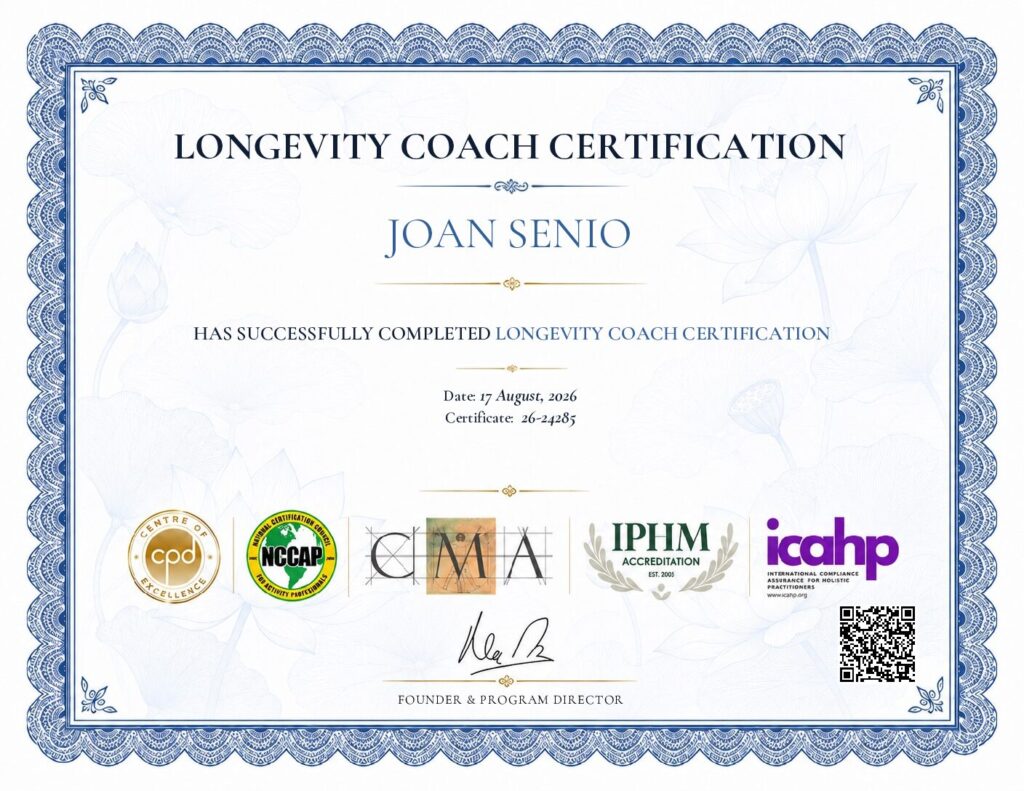
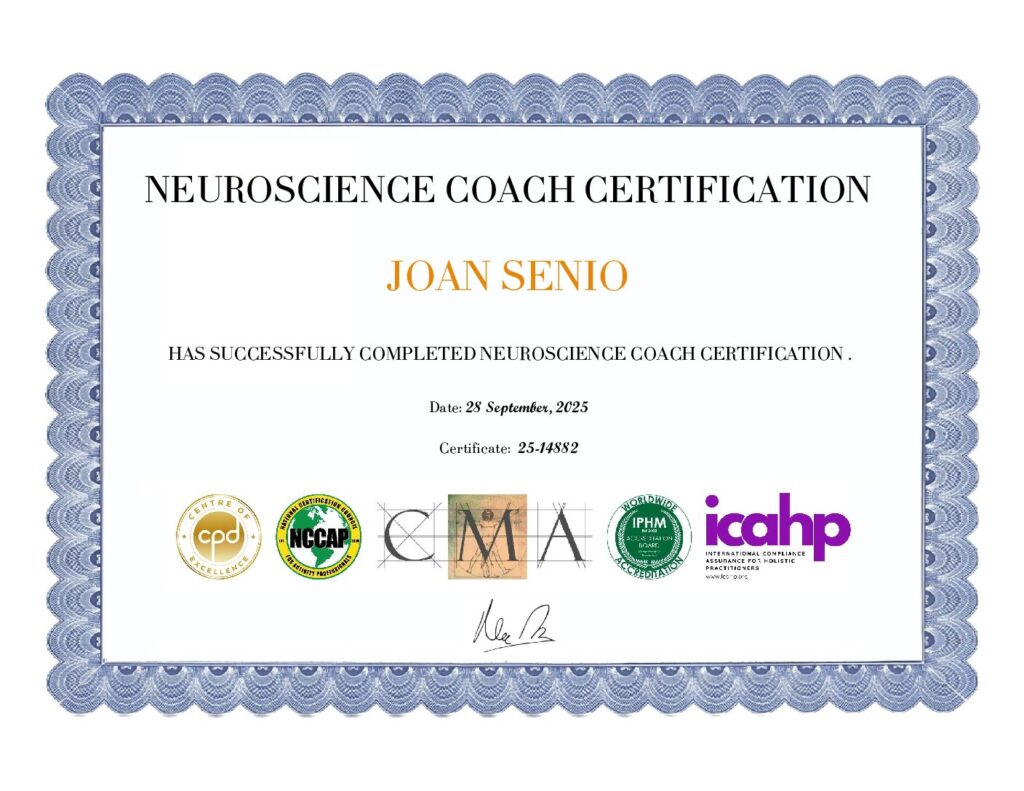
As a certified neuroscience coach and member of the International Organization of Life Coaches, Joan blends science‑based insight with heart‑centered guidance to help others rise above old patterns and step into their most authentic selves. She is committed to supporting those ready to grow, take ownership of their next chapter, and transform their lives from the inside out.
*Some links in this post are affiliate links. That means that we may receive a small commission at no cost to you when you purchase anything via one of these links. These commissions help us keep Kindness-Compassion-and-Coaching.com a free resource, as they help to cover website expenses. Thank you for your support.






No Responses