
Personal growth reshapes the way you move through your life, and it also influences the way you relate to the people in it. As you work to restore your self‑worth or reconnect with the parts of yourself that feel most real, your perspective on the world around you and your relationships begins to shift in ways that are impossible to overlook.
Interactions that once felt familiar start to feel different. Choices you used to make automatically now invite reflection. You begin to notice that your relationships were formed around earlier versions of yourself, long before you reclaimed the voice you are listening to now.
The people you have allowed into your life, and the nature of your relationships with them, were shaped by your past sense of self. Not the authentic you, but the version who relied on old behavior patterns that once felt necessary for protection.
If you did not appreciate your own self-worth in the past, it follows that you also did not believe you were worthy of true care, appreciation, and respect. If you learned to hide parts of yourself to avoid conflict, or if you learned to neglect your own needs for fear of losing someone, or if you stayed connected to people who caused emotional pain, those responses were likely developed as survival strategies.
In short, you accepted relationships that were sub-par because it’s all you thought you deserved. Now you know better.

Reassessing Existing Relationships is Essential to Your Continued Growth
A renewed sense of self naturally brings forward the question of whether the relationships you’ve maintained to date still fit.
As you begin to live a life that is more aligned to your true identity, sense of self and values, the contrast between relationships that feel right and those that remain tied to outdated dynamics becomes unmistakable.
That realization can feel both empowering and disorienting, especially when the people in your life are accustomed to the version of you who minimized needs and expected little from them in return for as much of your time, energy, and care that they required.
It’s time for a thoughtful reassessment of your relationships, guided by the same insight that helped you reclaim your inner voice.
Reassessing Relationships: A Sudden Realization that Changes Everything
I once worked with a client who had been rebuilding her sense of self after a deeply damaging relationship, and her progress was remarkable. Even so, she continued giving far more than she received in nearly every other connection in her life.
She was the one absorbing the emotional load, the one handling the practical responsibilities, the one offering care without receiving much in return. Her relationships were tilted in ways she had never fully seen.
During one session, she reached an understanding she had been working toward for a long time, and it arrived with a force that surprised her.
She realized she had the right to decide who she allowed into her life and who “got the privilege of having a piece of her”. And that she didn’t need anyone’s permission to make those choices. All of a sudden, it became clear to her that she could direct her energy and love and care to relationships with people who responded in kind. And that it was her right to scale back on connections that left her feeling unseen, diminished, or troubled.
The truth of that landed so deeply that she cried, not from distress, but from the relief of finally claiming her own authority.
Reassessing Relationships When Your Standards Have Changed
As self‑worth rises, you start noticing the moments when you’ve been accepting less than you deserve.
This isn’t about becoming rigid or unforgiving. It’s more about observing what has been happening all along, in a new light. Reawakening has a way of making certain behaviors we once accepted as permissible now impossible to overlook – inconsistency, emotional imbalance or ambiguity, the mismatch between someone’s words and actions.
Suddenly, the treatment you’ve grown accustomed to no longer feels acceptable. And with that realization comes the need for new vigilance. Moving ahead, your choices will reflect your current level of self‑respect and a heightened sense of the value of your own time and energy.
The Truth Has a Way of Arriving Right on Time
Truth doesn’t wait politely for a convenient moment. It tends to arrive with a sense of immediacy, as if some part of you has decided that the old way of being can’t continue.
Once self‑worth begins to rise, the way you interpret your relationships changes almost on its own. Patterns you once absorbed without question suddenly stand out. Interactions that used to feel normal start to feel off. Even small moments of dismissal or inconsistency take on a different weight.
When you stop minimizing your needs, you also stop minimizing the impact of someone’s behavior. A relationship that once felt “fine” begins to feel unbalanced. A dynamic you tolerated becomes impossible to justify. And in that moment, the need to reassess the worthiness of your relationships becomes undeniable.
Awakening has its own timing. It shows you what you’re no longer willing to carry, and it does so right when you’re strong enough to act on that knowledge.
“As we begin to live a life informed by our true worth, we start to notice who meets us with sincerity and who relies on charm to cover a lack of effort. The people who value us show it through steady, predictable action, not through occasional bursts of sentiment.”
Kindness-Compassion-and-Coaching.com
Reassessing Relationships: Actions Matter
As your inner changes progress and self-worth becomes restored, your perception of others becomes more grounded. Their actions become more meaningful than their declarations. You notice who meets you with sincerity and who relies on charm to cover a lack of effort. The people who value you show it through steadiness of action, not through occasional bursts of sentiment.
Another truth emerges as well. Certain relationships reveal themselves as dependent on your willingness to over‑extend. The moment you stop doing the heavy lifting (communication, coordinating activities, caretaking, etc.) the connection falters. The moment you stop accommodating someone’s inconsistency, it becomes clear that history cannot sustain a relationship; only present‑day behavior can.
This recognition is part of the awakening process. As self‑worth rises, your tolerance for imbalance drops. You begin to understand that the quality of interaction matters more than nostalgia, and that mutuality is not optional. Consistency becomes a form of respect, and anything less feels misaligned with who you are becoming.
Once you see these truths, you can’t unsee them. And that is precisely why this stage arrives when it does – right when you’re ready to choose relationships that honor your true worth and let go of those that don’t.
Self‑Respect Changes Who Gets Access
There comes a moment in every reawakening when the internal shift demands an external response. You realize you’re no longer willing to carry relationships that rely on your self‑abandonment. You also recognize that you don’t need a dramatic incident to justify stepping back; the simple fact that a connection no longer aligns with your worth is reason enough.
This understanding tends to arrive right at the time when you’re strong enough to act on it.
A relationship that once felt essential may now feel empty. Another may reveal that it has been held together by your effort alone. And yet another may show that its foundation was built on your willingness to accept less than you deserved.
You’re allowed to acknowledge these truths without guilt, to refine your relational circle so it reflects who you are becoming rather than who you were. Letting certain connections fall away is the natural outcome of rising self‑respect.
Criteria for Worth‑Aligned Relationships
As your sense of worth strengthens, the criteria for who belongs in your life evolve. Interaction begins to matter more than intention. You start noticing whether you feel grounded after spending time with someone or subtly diminished. That feeling becomes a compass.
Mutuality also takes on new significance. A relationship that requires you to carry the load no longer feels sustainable. Whether it be with a life partner, lover, friend, or family member, you begin to expect reciprocity; a sense of shared responsibility for the health of the relationship, proportional to its depth.
Consistency becomes a marker of care. When someone’s actions match their words over time, trust grows naturally. When they don’t, the imbalance becomes impossible to ignore.
History alone stops being a valid reason to maintain a connection. What matters now is the present reality: the quality of interaction, the mutuality, and the consistency they bring to the table. Emotional safety becomes non‑negotiable. Respect for your growth becomes essential. Anything less feels incompatible with the person you are becoming.
Release Becomes an Act of Alignment: The Art of Letting Go
Letting go often becomes the next honest move. Once you recognize that a relationship no longer supports your growth, the act of releasing it feels less like a rupture and more like a return to yourself. You’re not punishing anyone; you’re acknowledging that your well‑being can no longer be shaped around someone else’s inconsistency or ambivalence.
One relationship that once felt critical or essential may now feel misaligned. Another may reveal that it depended on your willingness to absorb emotional imbalance. When realizations like this surface, the decision to step back becomes an act of self‑respect.
You’re choosing to honor your self-worth rather than remain loyal to a version of yourself that no longer exists. This is where letting go becomes a form of self-compassion, energy conservation, and investment in your own continued growth and sense of self.
Awakening Reshapes Your Relational World
Awakening changes the way you see everything, including the people you allow close to you. Once self‑worth rises, it becomes impossible to ignore the difference between relationships that nourish you and those that drain you. You begin to understand that your time, your energy, and your emotional presence are valuable resources.
A renewed sense of worth invites you to choose connections that honor you and release those that do not. In this way, self‑worth becomes a natural sorting mechanism, guiding you toward relationships that offer authentic, quality, mutual connection.
Thank you as always for reading.

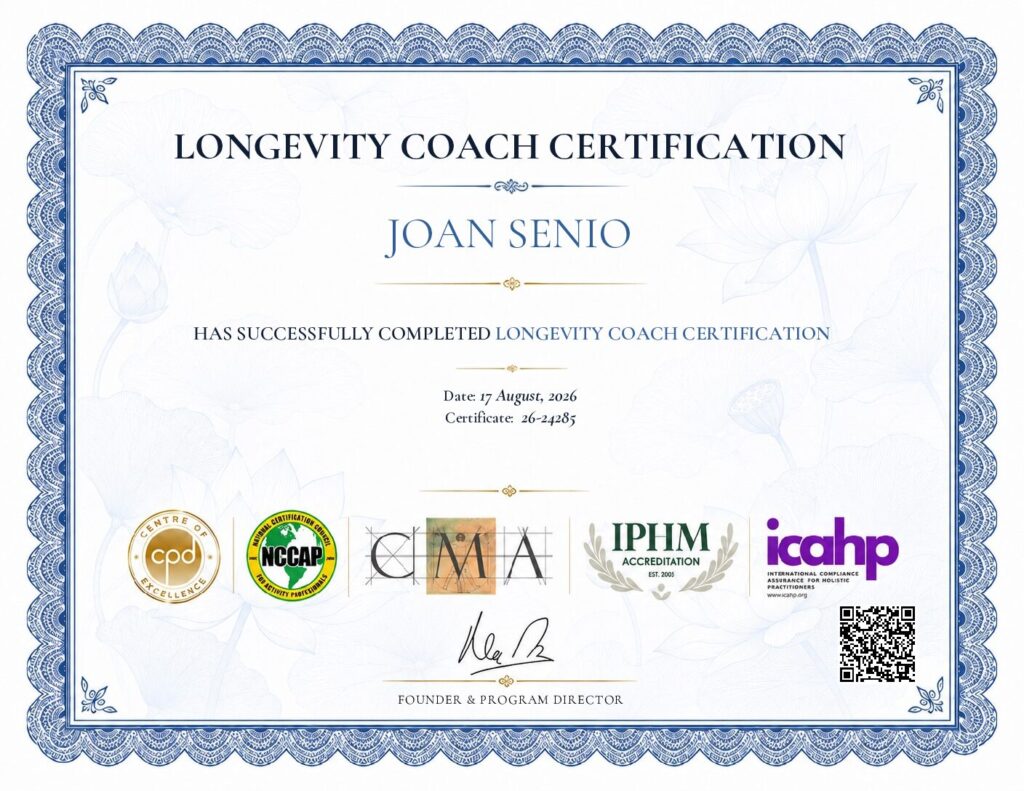
Joan Morabito Senio is a coach and former clinical and executive leader with over 35 years of experience helping people and teams overcome challenges, grow, and achieve their full potential. She created Kindness‑Compassion‑and‑Coaching.com to provide free coaching resources to individuals and coaches and anyone interested in pursuing personal growth.
As a certified neuroscience coach and member of the International Organization of Life Coaches, Joan blends science‑based insight with heart‑centered guidance to help others rise above old patterns and step into their most authentic selves. She is committed to supporting those ready to grow, take ownership of their next chapter, and transform their lives from the inside out.
*Some links in this post are affiliate links. That means that we may receive a small commission at no cost to you when you purchase anything via one of these links. These commissions help us keep Kindness-Compassion-and-Coaching.com a free resource, as they help to cover website expenses. Thank you for your support.





No Responses