
Few of us wake up one morning and decide to build walls around our hearts. More often, those walls are created gradually through years of disappointment, rejection, betrayal, grief, or in the aftermath of a relationship that left us feeling broken as it crippled our ability to trust another person. Each painful experience we endure adds another reason to be cautious, to hold back and to convince ourselves that needing less, feeling less, and sharing less will somehow protect us from future pain.
For a while, that strategy can feel effective. The less we reveal, the less exposed we feel. The fewer chances we take, the fewer opportunities there seem to be for disappointment. Becoming guarded can create the sense of safety that is needed to feel insulated after difficult experiences. Eventually, however, we discover an uncomfortable truth: the walls that keep pain out often keep love and intimacy out as well.
What Happens When Self-Protection Leads to Emptiness
The protection that once felt necessary begins to feel restrictive. The distance that once reduced risk begins to limit connection. What initially served as a form of self-preservation can slowly become a source of isolation. But as you find yourself longing for deeper relationships, you may simultaneously fear the vulnerability those relationships require.
Many who are healing from emotional wounds encounter this exact struggle. They want closeness, but fear getting hurt. They desire intimacy yet hesitate to trust. Part of them wants to open their heart again, while another part insists that doing so would be foolish.
The good news is that vulnerability does not require abandoning everything you have learned from your past. Opening your heart is not the same thing as ignoring your experiences. Healing is not about becoming less wise. If anything, genuine healing allows us to bring greater wisdom into our relationships while remaining open to the possibility of connection.
The goal is not to return to the person you were before life taught you difficult lessons. The goal is to become someone who can apply those lessons without allowing them to define the rest of the story.

When Self-Protection Outlives Its Purpose
Every emotional defense began as a solution to a problem.
- The person who struggles to trust now may have once trusted someone who repeatedly broke promises.
- The individual who keeps others at arm’s length may have once opened their heart only to discover that their vulnerability was not treated with care.
- Someone who rarely asks for support may have learned, often at a young age, that their needs would not be met consistently.
Viewed through this lens, many protective behaviors make perfect sense. What we sometimes label as guardedness is often an understandable response to painful experiences. The heart is remarkably adaptive. When something hurts enough, it naturally searches for ways to prevent similar pain in the future.
Unfortunately, emotional defenses are not particularly selective. A person who learns how to avoid heartbreak may also end up avoiding intimacy. Someone who becomes skilled at preventing rejection may also prevent genuine connection. The same strategies that reduce emotional risk can unintentionally reduce emotional fulfillment.
The Ultimate Cost of Caution
This tends to happen gradually and without much awareness. At first, it feels reasonable to be more careful. Then cautiousness slowly becomes a way of life. Over time, being guarded begins to feel normal. Eventually, vulnerability itself can start to seem dangerous. Yet when we step back and examine the situation honestly, it becomes clear that avoiding vulnerability carries its own cost.
A life built entirely around self-protection often becomes rather small and one-dimensional. Conversations are no longer meaningful. Relationships lack deep connected. We share our thoughts but conceal our fears, discuss our plans but hide our dreams, allow others to know about us without truly allowing them to know within us.
The pain of vulnerability receives considerable attention, but the pain of never being fully known deserves attention as well. Many people spend years attempting to avoid one form of discomfort only to discover they have created another.
What We Miss When We Stop Opening Our Hearts
Human beings are wired for connection. Not superficial connection. Not the kind that fills a social calendar while leaving us emotionally hungry. Most people long for something deeper. They want relationships where they can speak honestly, feel accepted, experience understanding, and share life’s burdens as well as its joys.
None of those experiences can exist without vulnerability. To love someone requires vulnerability. To allow yourself to be loved requires vulnerability. Deep friendship, emotional intimacy, authentic belonging, and meaningful connection all ask us to reveal parts of ourselves that cannot remain hidden. This is what makes vulnerability feel so frightening.
It matters. When we reveal something important, whether it is a fear, a hope, a dream, or a wound, we create the possibility of being understood. At the same time, we create the possibility of being misunderstood. We open the door to acceptance, but we also risk rejection.
The Allure of Emotional Distance
Faced with that uncertainty, many people choose the apparent safety of emotional distance. What often goes unrecognized is that emotional distance protects us from far more than disappointment. It also protects us from deep affection, closeness, trust, tenderness, and shared joy.
Eventually, some people realize they have become experts at avoiding pain while feeling increasingly disconnected from many of the experiences that make life rich and meaningful. That realization can be painful, but it can also be an inflection point and the beginning of something beautiful.
It can become the moment we stop asking, “How do I avoid ever getting hurt again?” and start asking a more helpful question: “How do I live fully while accepting that vulnerability is part of the human experience?”

Vulnerability Requires Courage, Not Certainty
One of the greatest misconceptions about vulnerability is the belief that it becomes easier once fear disappears. In reality, fear often remains. The difference is that we stop waiting for certainty before we act.
Most meaningful experiences come with no guarantees. There is no guarantee that someone will understand exactly how we feel or that any relationship will endure. There is no guarantee that opening our heart will always produce the outcome we hope for.
If certainty were required before vulnerability became possible, very few people would ever love at all. Courage emerges when we accept uncertainty rather than attempting to eliminate it.
A person who chooses vulnerability is not necessarily less afraid than anyone else. More often, they have simply reached a point where connection matters more than self-protection. They understand something important. A closed heart may reduce emotional risk, but it also limits emotional reward.
The richest relationships are not created through perfection, control, or certainty. They are created through honesty, trust and a willingness to see and be seen. Perhaps that is why being vulnerable remains one of the bravest things we can do. Why do we take such a chance? Because it makes authentic connection possible.
Vulnerability Requires Wisdom
One of the hardest lessons many people learn is that being vulnerable was not what actually hurt them.
That realization can be difficult to accept because pain naturally demands an explanation. After a disappointing relationship, a betrayal of trust, or years spent feeling unseen, the mind starts looking for reasons. It examines every conversation, every choice, every moment of openness and eventually arrives at a tempting conclusion: perhaps caring so deeply was the mistake. Perhaps trusting was the mistake. Perhaps letting another person matter so much was the mistake.
At first, that conclusion can feel empowering. If vulnerability caused the pain, then the solution seems simple. Become less vulnerable. Share less. Reveal less. Keep more of yourself behind carefully constructed walls. Yet most people eventually discover that this strategy solves one problem while creating another.
The issue is that vulnerability is not only the doorway through which hurt enters our lives. It is also the doorway through which connection enters.
The same openness that allows disappointment to reach us is what makes intimacy, trust, friendship, love, and belonging possible. Trying to eliminate vulnerability entirely is a little like deciding never to leave home because you might encounter bad weather. The risks disappear, but so do many of the experiences that make the journey worthwhile.
That does not mean every person deserves immediate access to your heart. In fact, one of the most important aspects of healing is learning that vulnerability and discernment belong together. They are not competing values. They support each other.

Finding a Balance that Works
When people have been hurt repeatedly, they sometimes swing between opposite extremes. Some decide never to trust again. Others continue handing their trust to anyone who shows interest, hoping that the next relationship will finally be different. Neither approach tends to produce the closeness they are seeking. One keeps everyone out. The other ignores the wisdom that experience has provided.
A healthier path exists somewhere in the middle. Trust is not something that needs to be instantly granted or permanently withheld. It can develop gradually, be earned, and deepen over time as another person demonstrates through their actions that they are capable of handling your vulnerability with care.
The individuals who deserve access to your inner world are rarely identified through charm, chemistry, or grand promises. More often, they reveal themselves through consistency. Their words and actions align. Their interest in you remains steady rather than fluctuating according to convenience. When misunderstandings occur, they seek understanding. When you express a feeling, they make room for that feeling instead of dismissing it.
Those qualities may not seem dramatic, but healthy relationships are rarely built on dramatic moments. More often, they are built through a thousand seemingly ordinary interactions that gradually create trust. As that trust develops, vulnerability begins to feel less like a frightening leap into the unknown and more like a natural response to emotional safety.
Learning to Trust Yourself Again
For many people, the deepest wound left behind by heartbreak is not the loss of trust in another person. It is the loss of trust in themselves. The questions can become persistent. How did I not see the signs? Why did I stay as long as I did? What was I missing that now seems so obvious?
Looking back, it can be incredibly difficult not to judge ourselves through the lens of information we didn’t possess at the time. The ending changes the way we interpret the entire story. Events that once felt confusing appear crystal clear. Red flags seem impossible to miss. Choices that made sense in the moment suddenly look like mistakes. Unfortunately, hindsight has very little compassion.
It takes the wisdom earned through experience and unfairly expects our younger selves to have possessed it all along. Healing often involves recognizing how unreasonable that expectation truly is. The person you were then did not know what you know now. They were navigating uncertainty with the information available to them. They were making decisions within the context of emotions, hopes, fears, and circumstances that can easily be forgotten when viewed from a distance.
How to Find the Courage to be Vulnerable: Restoring Self-Trust
Most growth emerges that way. The boundaries you now honor may have developed because someone taught you why they were necessary. The insights you have today may have been earned through experiences you would never willingly repeat. Wisdom rarely arrives before the lesson. More often, it is the lesson’s lasting gift.
As self-trust begins to return, something important changes. The goal is no longer to guarantee that you will never be hurt again. Such guarantees have never existed. Human relationships are simply too complex and too unpredictable for that. Instead, you begin to trust your ability to navigate whatever happens. That distinction matters.
A person who believes they must avoid all future pain will naturally become guarded. Every relationship carries too much risk. Every moment of vulnerability feels dangerous. Every uncertainty becomes a reason to retreat.
Someone who trusts themselves approaches life differently. They understand that disappointment is possible, that misunderstandings happen and that relationships do not always unfold as hoped. At the same time, they have confidence in their ability to survive those experiences without losing themselves.
There is tremendous freedom in that shift. Your sense of safety no longer depends entirely on another person’s choices. Part of that safety comes from knowing that regardless of what happens, you will remain grounded in your own worth, your own judgment, and your own capacity to care for yourself.
From that place, vulnerability begins to feel much less threatening.

The Desire to Be Known
Underneath most fears surrounding vulnerability lies a longing that is surprisingly universal. People want to be known.
Not appreciated or admired for their accomplishments; not accepted because they successfully maintain a particular image. What many people yearn for is something deeper than approval. They want to experience the relief that comes from being able to be fully themselves in the presence of another person.
That desire can become difficult to acknowledge after emotional wounds have accumulated. The heart grows cautious. Certain stories remain untold. Some fears stay unspoken. Parts of us that once felt easy to share stay under wraps.
From a distance, those protections make sense. If no one sees our insecurities, they cannot reject us because of them. If no one knows what matters most to us, they cannot use it against us. Remaining hidden appears to offer a measure of safety. Yet hiding these essential elements of ourselves creates its own form of loneliness.
The Pain of Not Being Seen
Many people have experienced the strange ache of being surrounded by others while still feeling unseen. The tragedy is not that they have too few people around them. The tragedy is that they have become convinced those people cannot be trusted with what lies beneath the surface.
Authentic connection asks something different of us. It invites us, gradually and thoughtfully, to allow another person access to parts of ourselves that cannot be discovered through casual interaction.
That process is rarely comfortable. There is always some degree of uncertainty involved. Genuine intimacy requires us to let go of the illusion that we can remain completely protected while also being completely known. For those who have been hurt, this can feel like an enormous risk. It can also be profoundly healing.
Healing and Healthy Relationships
Deep wounds form as a result of relationships where we felt ignored, rejected, criticized, dismissed, or emotionally abandoned or neglected. Over time, those experiences can create painful stories about who we are and what we deserve. We may begin to believe that certain parts of ourselves are too much, not enough, or simply unworthy of love.
Healthy relationships challenge those conclusions. Being known by someone who responds with empathy rather than judgment has a way of softening those beliefs that once felt unquestionable.
Acceptance feels differently when it is in response to the real person who lies beneath the protective layers. Understanding feels more meaningful when it extends to the parts of us we once thought needed to remain hidden. Perhaps that is why vulnerability remains so important despite the risks it carries.
At its heart, vulnerability is not really about exposing ourselves to pain. It is about allowing ourselves the possibility of connection. It is about creating space for another person to know us as we are, rather than as we believe we must be.
And for many people, that experience becomes one of the most healing parts of the journey. Finding the courage to be vulnerable again is necessary, if we are to experience intimacy and love at all.
Thank you as always for reading.

Joan Morabito Senio is a coach and former executive and consultant with over 35 years of experience helping people overcome challenges, grow, and achieve their full potential. She created Kindness‑Compassion‑and‑Coaching.com to provide free coaching resources to individuals and the compassionate coaching community.
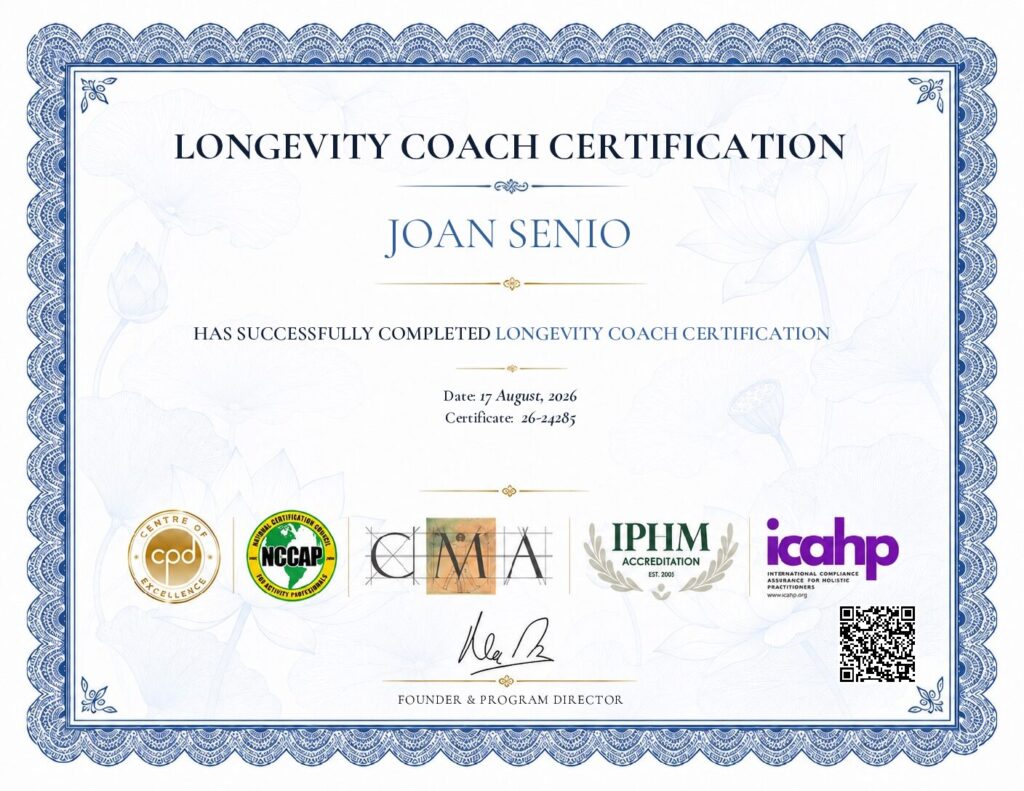
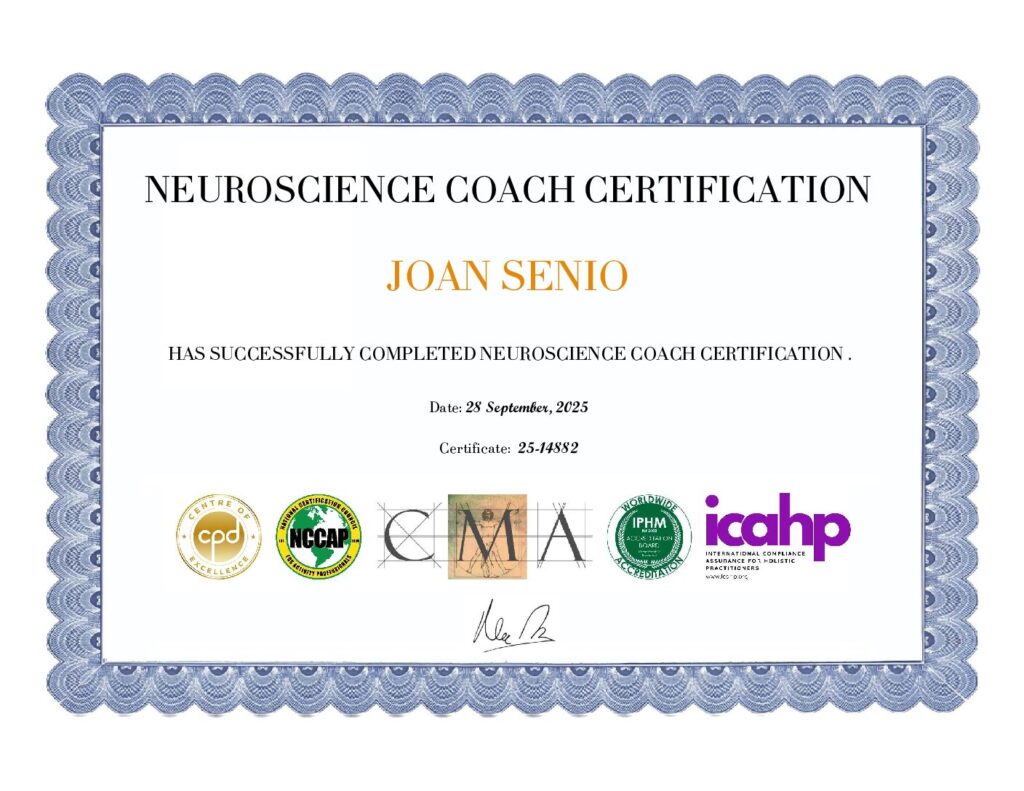
As a certified neuroscience coach and member of the International Organization of Life Coaches, Joan blends science‑based insight with heart‑centered guidance to help others rise above old patterns and step into their most authentic selves. She is committed to supporting those ready to grow, take ownership of their next chapter, and transform their lives from the inside out.
*Some links in this post are affiliate links. That means that we may receive a small commission at no cost to you when you purchase anything via one of these links. These commissions help us keep Kindness-Compassion-and-Coaching.com a free resource, as they help to cover website expenses. Thank you for your support.



No Responses