

Being low maintenance isn’t about indifference or shirking responsibility – it’s a conscious choice to live with simplicity, clarity, and ease. When you honor your own needs, communicate them thoughtfully, and move through life without unnecessary drama, you create space for genuine connections, personal growth, and a calm sense of self. Yet there’s a fine line between healthy self-sufficiency and quietly overlooking your own well-being.
In this post, we’ll explore how to embrace your low maintenance strengths, recognize when they cross into self-neglect, and cultivate self-care practices that support both your independence and your relationships.
Table of Contents
- What Does it Mean to be Low Maintenance?
- How Can I Tell When Low Maintenance Crosses into Self-Neglect?
- Why Do We Become This Way?
- Balancing Independence and Connection
- Cultivating Self-Care Without Losing Your Ease
- Why Is Being Low Maintenance a Problem?
- How to Set Boundaries When You Are Low Maintenance
- Frequently Asked Questions
- Prompts to Get You Thinking
- Additional Resources
- Wrap Up and Recap: Are You Low Maintenance?
What Does it Mean to be Low Maintenance?
The concept of being “low maintenance” is often celebrated, as a symbol of resilience and ease. But priding oneself on being low maintenance can inadvertently perpetuate harmful stereotypes. It also undermines the value of vulnerability and authentic expression. And fosters a culture of emotional suppression and neglect.
When you hear the term “low maintenance”, what comes to mind?
- Maybe a garden that doesn’t require much tending?
- Or a haircut that needs little attention?
- Maybe it’s a car that doesn’t require service very often.
A low maintenance person rarely complains, usually “goes with the flow”, and requires little attention or consideration. They often accept more than their fair share of responsibility at work and at home. In addition, they are not likely to voice their own preferences or concerns. Especially if they are in conflict with the thoughts of family members, friends, or co-workers.
Low maintenance people want others to be happy and not bothered. Even at the expense of their own happiness or contentment.
We often consider being low maintenance a desirable quality. Why do we pride ourselves on requiring so little from ourselves and from others? How does being low maintenance serve us?
Is it OK to Be Low Maintenance Sometimes?
Being low maintenance often signals self-reliance, adaptability, and a relaxed view of life’s ups and downs.
When you’re comfortable handling your own needs you free up energy for deeper connections and creative pursuits. This ease can be a magnet for friends and partners who appreciate your calm presence and willingness to go with the flow.
Recognizing low maintenance as a genuine asset helps you own it confidently rather than downplaying your preferences out of fear of seeming “too much.”
How Can I Tell When Low Maintenance Crosses into Self-Neglect?
There’s a fine line between keeping things simple and overlooking your own needs. Consider these examples that demonstrate the difference between healthy low maintenance and unhealthy low maintenance behaviors.
| Healthy Low Maintenance | Unhealthy Low Maintenance |
|---|---|
| Adapts to changing plans without frustration | Consistently suppresses own preferences |
| Expresses simple needs calmly and directly | Avoids asking for any help or support |
| Respects others’ time while honoring own | Agrees to every request at personal expense |
| Maintains small self-care rituals daily | Skips self-care to avoid appearing “needy” |
| Sets gentle but clear boundaries | Keeps boundaries vague, leading to burnout |
| Comfortable being alone and self-reliant | Feels helpless or anxious when by oneself |
Constantly minimizing what you ask for (be it emotional support, quality time, or personal boundaries) can lead to resentment or burnout.
You might find yourself agreeing to plans you secretly dread or ignoring health signals because you don’t want to impose.
Pausing to ask, “What do I truly need right now?” is a powerful habit; it prevents the subtle slide from laid-back companion into the neglected version of yourself.
Consider these case examples to further illustrate the difference between healthy and unhealthy low-maintenance behaviors:
Case Vignette: Healthy Low-Maintenance
Alex, a project manager in a fast-paced marketing agency, prides himself on his adaptability. When his team’s quarterly planning meeting got moved from Tuesday morning to Friday afternoon, he didn’t bat an eye. He simply adjusted his schedule and let his colleagues know, “I’ll be there after lunch, no worries.” Outside work, he maintains a nightly ritual of writing three quick “wins” in a journal, ensuring he acknowledges his own needs without fanfare.
His relaxed, go-with-the-flow attitude makes him a dependable teammate, yet when he needs support (like requesting a week’s notice before covering a coworker’s shift) he asks confidently, which helps preserve his energy and sets clear expectations.
Case Vignette: Unhealthy Low-Maintenance
Priya, a graphic designer at a non-profit, hesitates to voice her workload limits. Though she often stays late to finish projects, she never tells her manager when the extra hours begin to wear her down. At home, she continues household chores even when she’s exhausted, convinced that asking for help would burden her partner.
Over time, Priya grows resentful, feeling overlooked despite her contributions, and experiences chronic fatigue. It isn’t until a friend points out that she hasn’t taken a proper day off in months that she recognizes her pattern: in avoiding “high maintenance,” she’s quietly sacrificing her well-being.
Why Do We Become This Way?
Low-maintenance tendencies often stem from early attachment experiences in which children learn that minimizing needs helps preserve relational security.
Attachment theory posits that when caregivers respond inconsistently or unpredictably, infants adapt by suppressing bids for comfort, leading to long-term patterns of low expressiveness and need-seeking.
Moreover, Jack and Dill’s work on self-silencing highlights how individuals socialized to “keep the peace” gradually internalize the belief that voicing their own needs is selfish, reinforcing a low-maintenance coping style even in adult relationships.
In other words, a child tends to suppress their desires, opinions, emotions, and disagreement if they are taught to do so. Few parents intentionally stifle their children’s emotional development in this way. But nevertheless, many of them do.
These influences stay with us as we develop and ultimately inform our adult behaviors.
Children of Alcoholics and Substance Abusers
Some of the more extreme situations include children of adults who have alcohol or substance abuse problems.
These children must be more responsible from an early age. They may tend to squash their own needs in the process. Similarly, children who are otherwise abused or neglected may grow into low maintenance adults. There are many other extreme situations that can cause children to grow up to be low maintenance adults, too.
Other Reasons Why Children Become Low Maintenance Adults
Other parenting behaviors and situations are less obvious yet occur frequently. For example:
- When parents frequently downplay a child’s feelings. They tell them to be tough, or “get over it”.
- If parents “make fun” of their child through labelling or name-calling (perhaps attempting to motivate them via criticism or humiliation?)
- When a parent neglects a child in intangible ways. Not providing them attention or noticing how they are feeling.
- If a child has difficulty making friends, they may begin to behave in low maintenance ways. This is to cultivate the impression that they don’t require much in return for friendship.
Children may make a conscious effort to be low maintenance. Especially when they have a special needs sibling or family member who requires extraordinary care.
Balancing Independence and Connection
True low maintenance isn’t about going it alone. It’s about sharing responsibility and nurturing mutual respect.
When you express your wants clearly and listen to others’ needs, you lay the foundation for honest, balanced relationships.
Start by voicing small preferences (“I’d love to try that new coffee shop next time”) or checking in (“How do you feel about taking turns choosing activities?”).
These small moments of assertiveness build trust and remind everyone that your calm exterior doesn’t mean you don’t care deeply.
Cultivating Self-Care Without Losing Your Ease
Self-care needn’t be extravagant; it can be woven into daily routines that reinforce your low-maintenance style.
Simple practices – like a five-minute evening journal to acknowledge wins, a weekly neighborhood walk to clear your mind, or a few mindful breaths before diving into tasks – validate your needs without disrupting your natural flow.
By treating these rituals as nonnegotiable, you keep yourself grounded and prevent the quiet erosion of well-being that happens when self-care becomes an afterthought.
For a deep dive into self-love and self-care journaling, see 100+ Self-Care Journal Prompts & Free Starter Kit: How to Find Self-Love Now.

Why Is Being Low Maintenance a Problem?
Many children who grow up learning that being low maintenance is a virtue may suppress their true feelings. Lose touch with who they truly are. They may even find it difficult to accurately describe or identify their own emotions. This tendency creates a situation where a child (or adult) can experience a serious identity crisis.
When we enter relationships as a low maintenance person, it has challenging consequences. Someone who enters a relationship with someone who needs little are not likely to be pleased if and when that person re-discovers their own self and voices a need for more nurturing, care or attention.
Staying in the relationship will likely mean a future of continued unmet needs, in the absence of a willing partner, and effective therapy.
Find a Workbook to Help You Become More Assertive
What’s the Impact of Being Low Maintenance?
Those of us who are quite low maintenance may believe that we simply don’t need as much as others do. That we’re content with circumstances driven by other people with more critical demands.
But the truth is, if we dig deep, we will probably find that we’re hiding behind that low maintenance identity due to one overarching emotion: fear.
- We worry that we will be rejected if we make demands on others.
- Anticipate that we will be abandoned by friends or family if we challenge them or disagree.
- Imagine unrealistic extreme negative consequences from actions of moderate assertiveness.
- Believe that people who love us only do so because of our low-maintenance, people-pleasing ways.

How to Set Boundaries When You Are Low Maintenance
Low-maintenance people often shy away from boundaries because they worry it will make them seem demanding or difficult. Yet clear limits are essential for preserving your energy, maintaining respect in relationships, and preventing burnout. Understand that setting a boundary isn’t about raising the drawbridge. It’s about defining a healthy perimeter that allows you to give fully when you choose to.
Begin with small, concrete requests that feel manageable. For example, state your needs in simple “I” statements: “I need 30 minutes alone after work to recharge,” or “I prefer two-day notice for social plans so I can plan my week.” These low-stakes boundaries build your confidence for more significant asks later. Framing them as mutual benefits, for example, “This helps me stay present and engaged when we spend time together” reduces anxiety about being perceived as “high maintenance.”
Consider adopting these everyday boundary examples to reinforce self-respect:
- Politely declining extra work assignments that interfere with personal time
- Scheduling a weekly check-in with friends rather than spontaneous calls that interrupt your routine
- Asking colleagues to confirm meeting agendas in advance so you can prepare mentally
- Letting family know you need your phone on silent during focused work or self-care blocks
Practicing these limits consistently teaches others how to treat you and normalizes healthy give-and-take. Remember, every boundary you set is a step toward balancing your natural ease with the self-care you deserve.
Frequently Asked Questions
When does being low maintenance become a problem?
Being low maintenance crosses into unhealthy territory when you consistently suppress your needs or avoid asking for support. Over time, this can lead to resentment, burnout, and strained relationships. Noticing persistent feelings of depletion or frustration is a clear sign it’s time to rebalance and advocate for yourself.
How can I communicate my needs without feeling “high maintenance”?
Start small by expressing minor preferences (like choosing a restaurant or weekend activity) and observe how others respond. Framing requests as mutual benefits (“I’d enjoy this, and it might help us both relax”) reduces anxiety around being demanding. Gradually increase the complexity of your asks as you build confidence in positive outcomes.
What are common signs of low-maintenance self-neglect?
Key indicators include agreeing to plans you dislike, avoiding boundary-setting even when uncomfortable, and chronic self-sacrifice to keep the peace. You might also notice physical warning signals, like fatigue or stress-related ailments, that arise because you’ve deprioritized self-care. Recognizing these patterns is the first step toward corrective action.
How can I balance a low-maintenance style with effective self-care?
Integrate simple, nonintrusive routines, such as a five-minute morning stretch or a brief evening gratitude journal, that feel natural to your lifestyle. Schedule them as fixed appointments in your calendar to reinforce their priority. By embedding micro–self-care habits, you honor your laid-back approach while safeguarding your well-being.
Can low-maintenance traits actually benefit my relationships?
Absolutely. A relaxed, adaptable attitude can ease tensions, foster flexibility, and create space for others to contribute. When paired with clear communication of needs and healthy boundaries, low-maintenance qualities become powerful assets for mutual respect and deeper connection.
Prompts to Get You Thinking
Sometimes it helps to answer questions to help voice your inner feelings and identity. Use these prompts as food for thought. Try to determine if you are low maintenance, and what to do about it.
- When friends plan to go out together, do you suggest a place, or let the group decide?
- Do you know what kind of foods you truly love? How often do you eat them?
- Are chores evenly divided among the people in your household or apartment?
- When was the last time you did something just because you wanted to do it?
- How long has it been since you held your ground on issue that was important to you, despite disagreement from others?
- When you are together with your immediate family, do you feel as though you are heard?
- Imagine yourself disagreeing with someone close to you. How does it make you feel?
- Do you ever feel taken advantage of at home or at work or in your friend group?
Additional Resources
Readers who recognize patterns of self-neglect or boundary avoidance often need more in-depth guidance and encouragement. The following books offer expert-backed frameworks, real-life examples, and practical exercises to help you understand the roots of unhealthy low-maintenance behaviors and build lasting habits of assertiveness and self-care.
Exploring these resources alongside this article will equip you with additional tools for setting boundaries, communicating your needs, and fostering healthier relationships.
| Title | Author | Description | How to Get It |
|---|---|---|---|
| Set Boundaries, Find Peace: A Guide to Reclaiming Yourself | Nedra Glover Tawwab | Offers straightforward guidance and hands-on exercises to help you define limits compassionately and confidently. | Get Your Copy |
| Boundaries Updated and Expanded Edition: When to Say Yes, How to Say No To Take Control of Your Life | Dr. Henry Cloud & Dr. John Townsend | Combines psychological insight and real-life examples to teach you why limits matter and how to enforce them gracefully. | Get Your Copy |
| The 5 Love Languages: The Secret to Love that Lasts | Gary Chapman | Reveals five core ways people give and receive love—essential for communicating needs without feeling “needy.” | Get Your Copy |
| Quiet: The Power of Introverts in a World That Can’t Stop Talking | Susan Cain | Champions the strengths of quieter personalities and equips you to advocate for your needs in any setting. | Get Your Copy |
| Nonviolent Communication: A Language of Life | Marshall B. Rosenberg | Introduces empathetic dialogue techniques that help you express needs clearly while maintaining harmony. | Get Your Copy |
Wrap Up and Recap: Are You Low Maintenance?
Do any of the high-risk scenarios described fit your background? Does the low maintenance concept resonate with you?
Are there specific people in your life who tend to make you want to behave low maintenance, and others who you feel more comfortable with?
If so, do you have a sense of why? Is there fear, perhaps an echo from when you were a child, preventing you from voicing your own mind?
It’s time to take the risk. Dig deep, find the courage. To begin to ask for what you want, not just what you need.
Remind Yourself of Your Worth and Enjoy a Small Self-Care Treat Today
Move ahead. Embrace the possibilities. Realize you are as valuable as everyone else.
You are worthy of not just existence, but a life full of relationships that facilitate your ability to thrive.
Interested in the best form of self-care to help you gain inner peace, calm and serenity? Learn more about the best rituals and products to support Spiritual Self-Care and Recharge.
If you are feeling fragile, hurt, overwhelmed, or are unable to name the emotions you are feeling, learn How to Experience Emotional Self-Care Like Never Before for a comforting reset.
Thank you as always for reading.
If you haven’t yet subscribed, please enter your email address so you never miss a post.
Affiliate Disclosure: Some links in this post are affiliate links. As an Amazon Associate, we earn from qualifying purchases. Thank you for supporting Kindness-Compassion-and-Coaching.com at no extra cost to you.

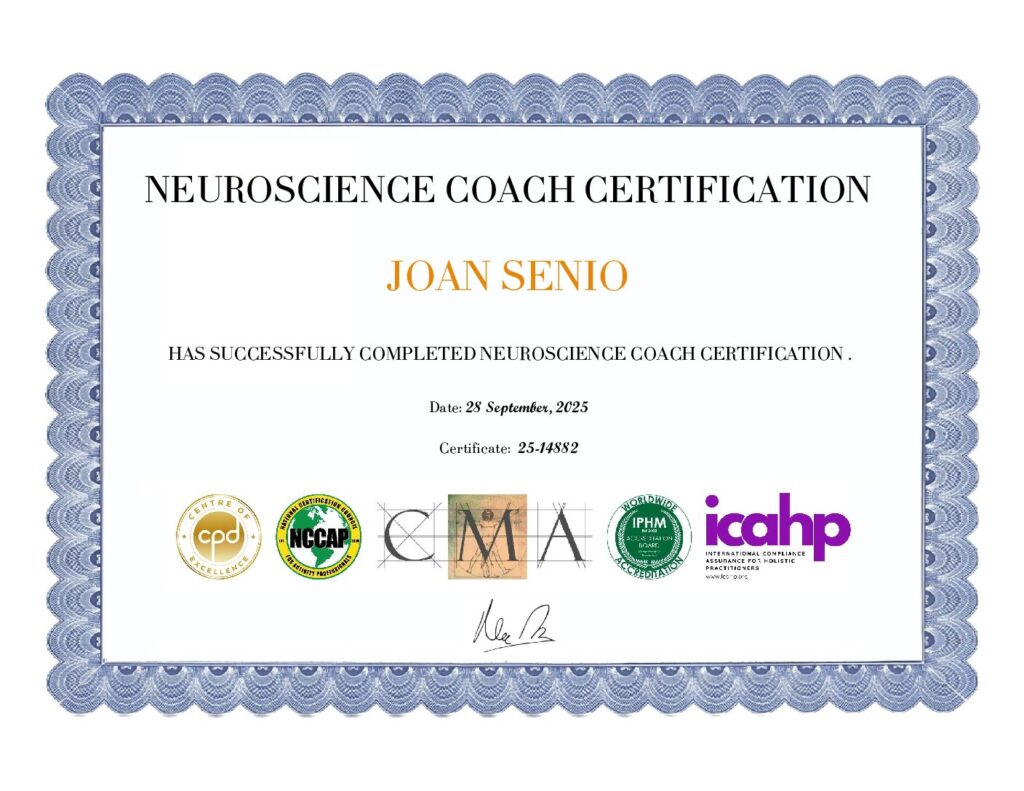
Joan Morabito Senio is the founder of Kindness-Compassion-and-Coaching.com. Joan’s career includes clinical healthcare plus 20+ years as an executive in a nationwide health care system and 15 years as a consultant. The common threads throughout Joan’s personal and professional life are a commitment to non-profit organizations, mental health, compassionate coaching, professional development and servant leadership. She is a certified Neuroscience Coach, member of the International Organization of Life Coaches, serves as a thought-leader for KuelLife.com and is also a regular contributor to PsychReg and Sixty and Me. You can read more about Joan here: Joan Senio.


No Responses