
Do you sometimes agree to do something that you don’t want to do? During certain conversations, do you stay silent and mute your honest reactions? Have you begun to notice how often you choose the route that keeps someone else at ease while your own needs or opinions remain unspoken? Over time, these moments coalesce and form a story; one of self-betrayal and self-neglect.
Exploring the psychology of self‑betrayal can help reveal the forces that drive these behaviors and also provide insight as to why the pattern may feel so familiar.
Today, we discuss what causes self-betrayal, including psychological drivers, internal conflicts that shape self‑abandonment, and the subtle emotional habits that keep the pattern alive. We will also show you how to begin to build fierce inner loyalty (an effective antidote to self‑betrayal).
Before you move deeper into this exploration, you may find it helpful to have something that keeps you connected to your inner world at your side. A journal designed for emotional awareness can make this process feel more grounded. Holding something tangible as you explore this topic can help you stay present with yourself.

The Tension Between Belonging and Authenticity
Belonging and authenticity often pull us in different directions.
A longing for connection is innately human. We all wish to be accepted, to be understood, to feel part of something. These desires shape how we live and how we build relationships. But authenticity brings its own different set of requirements. It calls for honesty, for boundaries, for expression that may not always match what others hope to hear.
When these two forces collide, belonging can feel safer, so we soften parts of our truth, adjust our reactions, or hide our discomfort. We contour ourselves around the expectations of the people we want to stay close to. This tension is a human experience – one of the core dynamics that leads to self‑betrayal.
As we explore what causes self‑betrayal more deeply, you may recognize how often you’ve chosen connection at the expense of alignment with yourself. It can happen to any of us, as we yearn for belonging and try to remain connected to those we care about.
The Habit of Emotional Editing
Emotional editing is another driver of self‑betrayal. We learn to shape emotional expression around how others react, tuck away our irritation because it might create tension and hide disappointment to keep someone else comfortable. We minimize sadness, because it feels like an inconvenience. With repetition, these adjustments turn into habits.
The pattern rarely shows up dramatically. It presents as politeness, as consideration, as the smoother path. Yet each edit adds to the distance between us and our authentic selves. It teaches us that our emotions need to be filtered before they can be shared and that our inner world might be “too much,” even when it isn’t.
As you explore what causes self‑betrayal more deeply, you may see how often you’ve shaped your emotional expression to maintain harmony. The habit was rooted in protection – of relationships, of stability, of peace. Now you have the chance to choose a different way of relating to yourself and others.
The Fear of Being Misunderstood
The fear of being misunderstood is another powerful force behind self‑betrayal. We may hesitate because we worry our truth will be interpreted the wrong way; needs can feel risky when we imagine they’ll be labeled unreasonable, and boundaries may seem dangerous if we fear they’ll be taken as rejection. That fear creates pauses, silence and distance.
Past experiences often shape this fear. Moments when our truth was dismissed or distorted leave an imprint.
Perhaps you were told you were too sensitive, that you were overreacting, or that your needs were inconvenient. Messages like this influence how openly you express yourself later in life.
As you explore what causes self‑betrayal, you may realize that you’ve been protecting yourself from misunderstanding rather than speaking honestly. The fear is familiar, but it no longer serves you in the way it once did. It’s time to begin expressing yourself with more readiness and less hesitation.

The Internalized Role of the Peacemaker
Some people move into self‑betrayal because they’ve absorbed the role of the peacemaker, feeling responsible for keeping interactions smooth. Conflict might seem like something to be prevented, and anticipating others’ needs can feel like an obligation. Carrying others’ emotional weight becomes part of how you navigate relationships.
This role often forms early in life when a child learns that tension feels unsafe and that conflict brings instability. They learn that smoothing interactions keeps the environment calm. Over time, these lessons shape identity and influence how they relate to others.
As you explore what causes self‑betrayal, you may recognize that you’ve lived inside that peacemaker role. That role once helped you stay safe because it protected you in environments where harmony felt essential, but now you can begin releasing it.
Peace built on self‑abandonment isn’t peace at all. You’re allowed to choose a different way of relating to yourself and those around you.
The Discomfort of Self‑Advocacy
Self‑advocacy feels uncomfortable for many. It requires honesty and the willingness to speak up and name what you need, which can feel unfamiliar or risky. These actions often feel like stepping into a new identity, one that requires more visibility than you’re used to.
When that discomfort feels too sharp, self‑betrayal can take its place. Silence becomes the easier option. Accommodation feels safer; avoidance keeps interactions smooth. You choose the familiar path even when it leads away from yourself.
You may discover that the discomfort of self‑advocacy is one of the most challenging barriers to change. It requires us to understand that discomfort is not necessarily dangerous, and that it is a necessary part of growth. With practice, self‑advocacy becomes less intimidating and more natural.
The Belief That Others’ Needs Matter More
Many people betray themselves because they’ve learned to prioritize others. You may feel responsible for supporting everyone around you, and believe your value comes from being helpful; you may assume your worth is tied to how much you give.
This belief often forms in environments where your needs were minimized or ignored. A child in this situation learns that their comfort is optional, that their voice carries less weight, and that their needs sit at the bottom of the hierarchy. These lessons follow you into adulthood and shape how you participate in relationships.
These beliefs were learned and can be unlearned. Your needs matter, and they are important as everyone else’s.
The Desire to Avoid Emotional Disruption
Some people betray themselves because they want emotional steadiness. Smooth interactions feel easier and predictable relationships feel safer. Manageable conversations feel comforting; stability becomes the priority.
Self‑betrayal can become a strategy for maintaining that stability. You silence discomfort to avoid tension, minimize needs to prevent conflict, soften truth to keep the peace. These choices create temporary calm but long‑term disconnection.
As you explore what causes self‑betrayal, you may realize that you’ve been protecting yourself from disruption rather than protecting your truth.
The Habit of Self‑Silencing
Self‑silencing is one of the most powerful contributors to self‑betrayal. A truth rises inside you, yet you choose not to speak. A moment of discomfort appears, but you push it aside. A need surfaces, yet you convince yourself it’s unnecessary.
Over time, self‑silencing becomes automatic. It shapes how you navigate relationships, influences how you interpret your own needs, and how you behave in your daily life.
As you continue to explore what causes self‑betrayal, you may begin to realize how often you’ve quieted yourself. The silence was a learned response that was intended to protect you. Now you can begin choosing expression instead.
How to Begin Building Fierce Inner Loyalty
Fierce inner loyalty grows through honesty, practice, and choosing yourself without fear. It grows when you begin to notice moments when self‑betrayal appears and start to respond differently.
Small acts of self‑alignment create momentum. A practical first step can be to choose one moment each day to speak honestly, honor a boundary or express a need. These choices build self‑trust and reconnect you with the part of yourself that has been waiting to be heard.
Learn more about How to Start Standing Up for Yourself
Returning to Fierce Inner Loyalty
You may reach this stage of exploration with a fuller sense of how self‑betrayal has shaped your inner landscape. Certain moments begin to stand out – the times when your voice softened, the places where your reactions shifted to keep the peace, the situations where your needs slipped into the background. These recognitions enable you to better understand why you feel ready to live with more alignment.
Stopping self‑betrayal is about honesty with yourself. It is about choosing loyalty to your inner signals even when the choice feels unfamiliar. As you move forward, you will begin to carry and honor the insight that your needs hold weight and that your inner world deserves attention.
Many forms of self-betrayal are rooted in unmet developmental needs and unresolved childhood experiences. To learn more about these underlying dynamics, see also our updated guide to arrested development psychology and our articles on the father wound and the mother wound, which explore how early relationships influence self-worth, emotional regulation, and the capacity for healthy boundaries.
If you feel ready to take the next step, you may wish to explore a supportive tool that helps anchor this work, such as a self‑reflection journal or another resource that encourages daily check‑ins. A small commitment can help you stay connected to the part of you that is learning to speak up.
You may also wish to explore the Kindness-Compassion-and-Coaching.com Self-Worth Reset which discusses how to rebuild your identity and reclaim your value.
Thank you as always for reading.

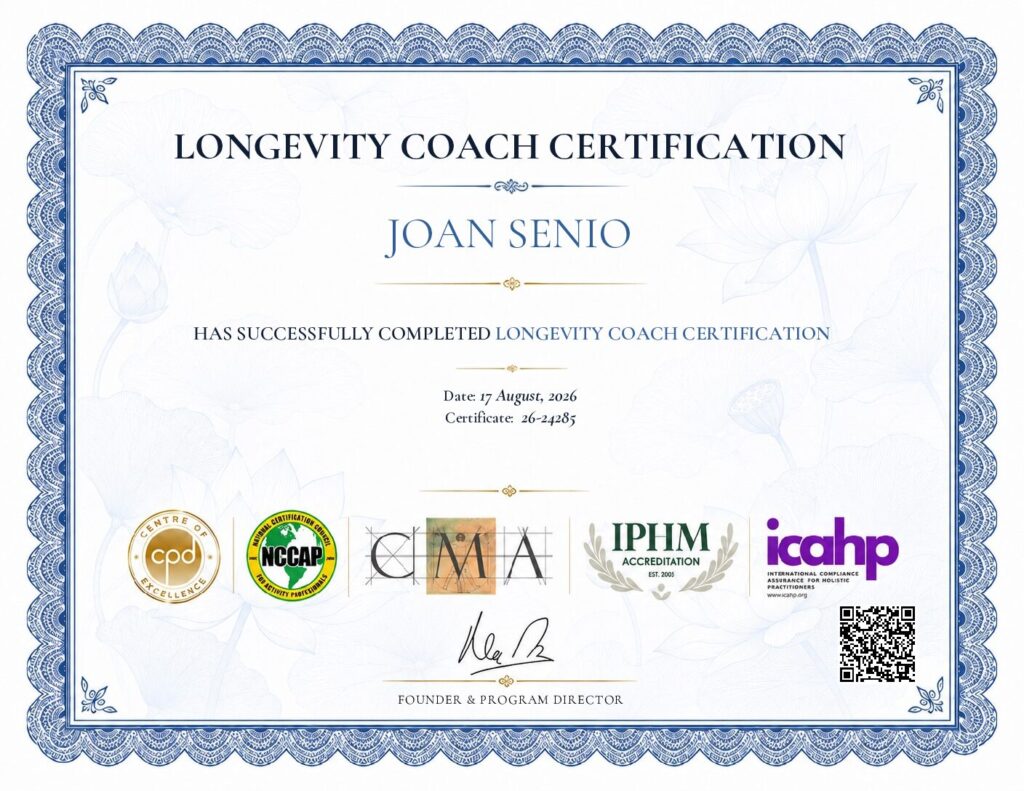
Joan Morabito Senio is a former executive, consultant and coach with over 35 years of experience helping people overcome challenges, grow, and achieve their full potential. She created Kindness‑Compassion‑and‑Coaching.com to provide free coaching resources to individuals and the compassionate coaching community.
As a certified neuroscience coach and member of the International Organization of Life Coaches, Joan blends science‑based insight with heart‑centered guidance to help others rise above old patterns and step into their most authentic selves. She is committed to supporting those ready to grow, take ownership of their next chapter, and transform their lives from the inside out.
*Some links in this post are affiliate links. That means that we may receive a small commission at no cost to you when you purchase anything via one of these links. These commissions help us keep Kindness-Compassion-and-Coaching.com a free resource, as they help to cover website expenses. Thank you for your support.





No Responses