

There is a high correlation between self-trust and self-esteem. In fact, self-trust is one of the most essential components of healthy self‑esteem, and it is also one of the most fragile.
Many of us move through life with ongoing feelings of self‑doubt, indecision, or internal conflict, not because we lack intelligence or capability, but because our early environments did not support our development of healthy self‑trust.
Today, we explore how self‑trust and self-esteem forms. We also discuss how it can be damaged, and how we can rebuild it through consistent actions and promises and commitments to self.
This article is part of a series. To start from the beginning, visit How to Build Healthy Self-Esteem: Introduction to the Self-Esteem Series.

How are Self-Trust and Self-Esteem Related?
Self‑trust is the confidence that comes from knowing that you can rely on your own inner experiences, including your feelings, judgments, needs, and choices, without needing constant external validation.
It’s the habit of noticing what you feel. Testing it in the world. Learning from the results.
It’s the ability to make a decision. Keep a promise to yourself. And tolerate the uncertainty that comes with growth.
Self‑esteem often depends in part on how others see us. Self-trust is different in that it an internally driven sense of reliability. It’s a steady inner voice that says, I can figure this out. I’m able to care for myself. I will be okay even if I make mistakes.
How Do We Build Self-Trust and Self-Esteem?
We build self‑trust and self-esteem through repeated acts of self-compassion.
These include listening to our body. Following through on commitments to ourselves. Naming what we need. Checking in after we act to learn what worked.
Self-trust also involves forgiving the parts of you that misread a situation or changed course. This is because trust grows when you treat yourself as a learner rather than a failure.
Over time, these experiences accumulate into a sense that you are a trustworthy companion to yourself.
Self‑trust creates a steady conviction that you can rely on yourself. Knowing that when you notice a personal need, you will attend to it. And that when you make a mistake, you will fix it. It’s knowing that when you feel uncertain, you will slow down and reassess course, regardless of outside pressures to do otherwise.
This internal reliability becomes an anchor in moments of stress, and an authority that guides decisions and reduces the need to search for outside validation.
Repeated experiences that confirm your reliability build self-trust and self-esteem:
- As you keep promises to yourself, you build a ledger of evidence you can count on. Promises may include, for example, ten minutes of journaling, maintaining a healthy sleep schedule, or taking time to return a call that matters to you.
- Listening to your body’s cues and acting on them (resting when tired, pausing when anxious) trains attention to internal signals.
- Honoring limits teaches your nervous system that your boundaries matter. You can do this by saying no when you want to or stepping away from a draining conversation.
- Telling yourself the truth, acknowledging errors, making amends, and moving forward when you make a mistake all reinforce the message that you are trustworthy to yourself.
Why Self‑Trust and Self-Esteem Break Down
Self‑trust and self-esteem become damaged when cues that teach reliability are absent or unsafe. When caregivers dismiss, minimize, or punish a child’s emotions, the message is clear: inner experience is unreliable or dangerous.
A child’s internal signals become muted or mistrusted when they are repeatedly forced to override their instincts. For example, if they are told to ignore hunger, fear, or discomfort, or are shamed for following their impulses.
Chronic invalidation from partners, friends, or workplaces reinforces that pattern in adults. For example, when honest feelings are met with dismissal, concerns are minimized, or needs are framed as unreasonable.
Trauma compounds this by teaching the body that danger is unpredictable; when a threat feels random, the nervous system prioritizes survival strategies over curiosity or self‑care.
And when relationships require self‑abandonment to maintain peace (for example, when safety depends on silence, compliance, or caretaking) people learn that their presence, preferences, and limits are negotiable rather than reliable.
Over time these experiences erode the basic expectation that you will be there for yourself.
What Happens When Self-Trust and Self-Esteem are Low
When self‑trust and self-esteem are low, the internal landscape shifts in predictable ways.
Indecision becomes common because choices feel risky without an internal anchor. Anxiety rises as you look outward for cues about what to do. Dependence on external validation increases because other people’s responses temporarily substitute for your own sense of reliability.
The consequences of damaged self‑trust and self-esteem show up in both behavior and physiology.
Decision‑making becomes fraught because the internal compass feels unreliable; we defer choices to others or we postpone them indefinitely.
- Anxiety and second‑guessing increase as external feedback temporarily substitutes for inner guidance.
- Physically, the body may register a persistent low‑grade threat (tension, shallow breathing, or a racing mind) that makes it harder to notice subtle cues and respond with care.
- Emotionally, people may default to people‑pleasing, avoidance, or perfectionism because those strategies once secured connection or safety.
Fear of making mistakes can freeze action, and a disconnection from personal preferences leaves you following scripts or defaulting to others’ wishes.
Physiologically, low self‑trust and self-esteem often coincide with a heightened threat response (racing heart, narrowed attention, or a sense of being on edge) that makes it harder to hear inner signals and act on them.
How to Rebuild Self-Trust and Self-Esteem
Repairing and strengthening self‑trust is practical and incremental. Start with promises that are easy to keep and build gradually; track them so you can see the accumulating evidence.
Practice simple body‑based checks (pause, notice breathe, ask “What do I need right now?”) and follow through on one small, concrete response.
When you slip, seek repair rather allowing yourself to practice self‑punishment: name what happened, make a corrective action, and note what you learned.
Over time, these repeated, compassionate practices rewire expectation: your nervous system learns that your presence is reliable, your choices are recoverable, and your inner guidance is worth listening to.
Rebuilding self‑trust and self-esteem is powerful because it rewrites the expectation that you are a dependable ally to yourself.
The work begins with promises; achievable commitments you make and keep that help you to accumulate a track record of reliability.
This includes learning to notice and name bodily signals, then responding with concrete actions (rest when tired, pause before deciding, speak a boundary).
Repair is essential. When you break a promise to yourself, practice a brief, compassionate correction rather than harsh self‑punishment. Acknowledge what happened, make a small amends to yourself, and try again.
Co‑regulation with others, such as sharing a feeling and receiving a predictable, attuned response, also rebuilds trust by providing external evidence that vulnerability is survivable. Be thoughtful in who you choose to confide in.
Over time, these experiences shift nervous‑system expectations: uncertainty softens, inner cues become clearer, and the sense of being reliable grows.
That growing self‑trust and self-esteem then supports bolder choices, healthier boundaries, and a steadier, more resilient state of mind.
Self‑Trust and Self-Esteem: Core Skills
Self‑trust is the internal sense that you can rely on yourself, including your perceptions, instincts, needs, decisions, and your overall ability to navigate life.
It doesn’t mean you’re always right. It means you relate to yourself with steadiness, honesty, and compassion, treating your inner experience as worthy of attention and care.
Self‑trust shows up in practical ways such as listening to and honoring your emotional signals, attending to bodily cues, respecting your needs and limits, making decisions with confidence, and believing you can repair mistakes when they happen.
When these capacities are present and practiced, self‑esteem feels grounded and resilient. When self‑trust is weak, self‑esteem becomes fragile, reactive, or dependent on external validation.
Childhood Patterns That Undermine Self-Trust and Self-Esteem
Self‑trust and self-esteem do not disappear because of one event. They erode through repeated experiences that teach the nervous system that your internal signals are unreliable, unsafe, or unwelcome.
Early relationships shape whether we learn to rely on our own inner signals. Certain caregiving patterns teach children to doubt their perceptions, silence their needs, or outsource decision‑making to others.
Common childhood experiences that erode self‑trust and self-esteem include:
Conditional Approval. When acceptance is tied to performance or pleasing others, children learn to prioritize external cues over their own judgment. They become practiced at scanning for approval. The result is a habit of second‑guessing.
Emotional Neglect or Dismissal. Caregivers who are physically present but emotionally unavailable teach children to ignore or minimize their inner life. Without consistent feedback that feelings are noticed and meaningful, children stop tuning into bodily signals and emotional cues; they learn to treat their own needs as unimportant.
Parentification. When a child is expected to soothe, organize, or emotionally support an adult, they learn to put others’ needs ahead of their own and to equate worth with usefulness. This role reversal trains a child to suppress personal preferences and to measure decisions by how well they stabilize others.
Gaslighting or Invalidation. When a child’s reality is denied or distorted, they learn to doubt their own perceptions and come to believe that other people know better than they do.
Unpredictability and Chaos. In homes where moods, rules, or presence shift without warning, children learn that the world is unreliable and that safety depends on constant monitoring. That hypervigilance undermines trust in one’s own choices.
Criticism and Perfectionism. When mistakes are met with harsh judgment or when only flawless performance is rewarded, children internalize a message that being fallible equals being unlovable. They learn to distrust their attempts, fearing that any misstep will confirm unworthiness.
The Impact of Common Childhood Patterns on Self-Trust and Self-Esteem
Each of these early experiences leaves a pattern (an identity script) that makes it harder to hear and trust your own voice.
Recognizing the source of that doubt is the first step toward practicing new habits of self‑reliance: small acts of listening, testing, and forgiving that teach the nervous system and the mind that you are, in fact, trustworthy.
Self-Trust and Self-Esteem and Nervous System Regulation
Self‑trust is not purely psychological. It is deeply physiological. Your nervous system determines whether you feel grounded enough to trust your internal cues or overwhelmed enough to doubt them.
Self‑trust and nervous system regulation are deeply intertwined: when your body feels safe, your inner voice is more likely to be steady, compassionate, and reliable.
Practices that calm hyperarousal and soothe shutdown create the physiological space needed to notice feelings, interpret signals accurately, and make choices from clarity rather than alarm.
In that calmer state you can hear your instincts without being hijacked by panic or numbing, which makes it easier to keep promises, set boundaries, and respond to yourself kindly instead of with self‑punishment.
Conversely, strengthening self‑trust supports regulation. Each time you honor a need, follow a bodily cue, or repair a mistake, you send evidence to your nervous system that you are a dependable source of care.
Those repeated experiences widen your window of tolerance, so stressors register as manageable rather than catastrophic.
Over time this reciprocal loop reduces the urgency of the inner critic, increases resilience, and grounds self‑esteem in lived experience rather than in fleeting moods or external validation.
The Hidden Stories That Undermine Self‑Trust and Self-Esteem
Identity scripts are the unconscious roles you learned to play in order to stay safe or stay connected; they become automatic patterns that often override your instincts and weaken self‑trust.
These scripts feel familiar because they solved a problem once such as protecting you from rejection, calming an anxious caregiver, or keeping the household functioning.
But over time they can hijack decision‑making and silence the inner signals that guide reliable self‑care.
Common scripts show up as repeated, recognizable stances: “I’m the responsible one / peacekeeper / helper / the one who doesn’t need anything.” Each script trains you to prioritize others’ needs, to smooth conflict, or to hide vulnerability.
At first these roles may feel useful or even noble, but they also teach you to distrust impulses that point toward your own needs, to second‑guess your judgments, and to measure worth by usefulness rather than by inherent dignity.
How Identity Scripts Erode Self-Trust and Self-Esteem
Because identity scripts reroute attention outward, they steadily erode self‑trust.
When you habitually put others first, you get less practice listening to your own body, testing your preferences, and keeping promises to yourself. These are exactly the experiences that build a reliable inner voice.
Over time the nervous system learns to expect that your needs will be ignored or punished, so the safest strategy becomes shrinking, pleasing, or taking responsibility for others’ emotions rather than learning to act from your own steady sense of what’s right for you.
Rewriting identity scripts to restore self‑trust is a deliberate, compassionate process.
It begins with recognizing the original role and naming the script’s patterns. Next it requires understanding its purpose (what threat it was protecting you from) and allowing space for grieving unmet needs that the script covered.
From there you can create a new, self‑authored identity. Imagine and describe who you want to be when you act from your own values. Begin to practice new behaviors, such as listening to yourself, setting limits, and following through. All these actions reinforce self‑trust.
The work of rebuilding self-trust and self-esteem is not a one‑time fix but a steady retraining. As new experiences accumulate, the nervous system and the mind learn a different story, and rebuilding self‑esteem becomes possible because you have relearned how to rely on yourself.
Competence, Self-Trust and Self-Esteem: Why Achievement Isn’t Enough
Many adults who look confident and capable on the outside still struggle with self‑trust on the inside, especially when competence develops in the absence of emotional safety.
When skills and achievements are rewarded but vulnerability, mistakes, or needs are not met with care, competence can become a brittle armor rather than a source of steady confidence.
That mismatch often produces perfectionism, a paralyzing fear of failure, chronic over-functioning, and relentless self‑criticism, because the person learns to rely on performance for worth rather than on an inner sense of reliability.
When competence is paired with supportive internal and relational conditions, true self-trust grows.
Pairing skill and mastery with emotional safety, nervous system regulation, relational support, and internal compassion creates a feedback loop. It becomes easier to notice and honor needs. You learn that mistakes are survivable, as self‑compassion allows learning without shame. All of these contribute to the rebuilding of self-trust.
Over time, this combination transforms competence into a dependable foundation for grounded, resilient self‑esteem.
How Adults Rebuild Self-Trust and Self-Esteem: The Power of Promises
Promises create predictability in your internal world by turning intention into reliable experience.
Each time you follow through on a commitment, your nervous system registers concrete evidence that you are dependable. That stream of successes sends the message: I can trust myself; I am reliable; I keep my word.
Over time, repeated commitments reshape neural pathways and strengthen the habit of self‑reliance.
As our brain learns to expect follow‑through, it reduces internal conflict. Quiets the urgency of the inner critic. Makes it easier to take larger risks with confidence.
In short, promises are the practical, low‑risk way to build self‑trust from the inside out.
Self-Trust and Self-Esteem are Rebuilt Through Gentle Consistency
Self‑trust is rebuilt through compassionate actions that teach your nervous system that you are safe, capable, and worthy of your own reliability.
Self‑trust is the quiet engine beneath every change.
It’s a daily practice of listening, following through, and repairing. Consistent acts such as honoring a need, keeping a promise, or pausing before reacting send clear signals that you are reliable. Over time those signals accumulate into a sense of safety and competence.
Cultivating self‑trust is also relational.
It grows faster when you have emotional safety, steady support, and opportunities to practice without shame. If you’re feeling stuck, return to the basics. Regulate your body. Make one small promise you can keep. Notice what that does to your inner voice.
As you build those experiences, self‑trust becomes the foundation for resilient, lasting self‑esteem.
Stay with Us!
The next segment in the Self-Esteem Series is Inner Critic: How to Beat Self-Doubt with Your Inner Protector.
We will publish future installments on Tuesdays and Thursdays during the month of March.
Be sure to follow kindness-compassion-and-coaching.com to enjoy the full series and continue your journey into how to improve self-esteem.
Thank you as always for reading.
Some links in this post may be affiliate links. That means that we may receive a small commission at no cost to you when you purchase anything via one of these links. These commissions help us keep Kindness-Compassion-and-Coaching.com a free resource, as they help to cover website expenses. Thank you for your support.

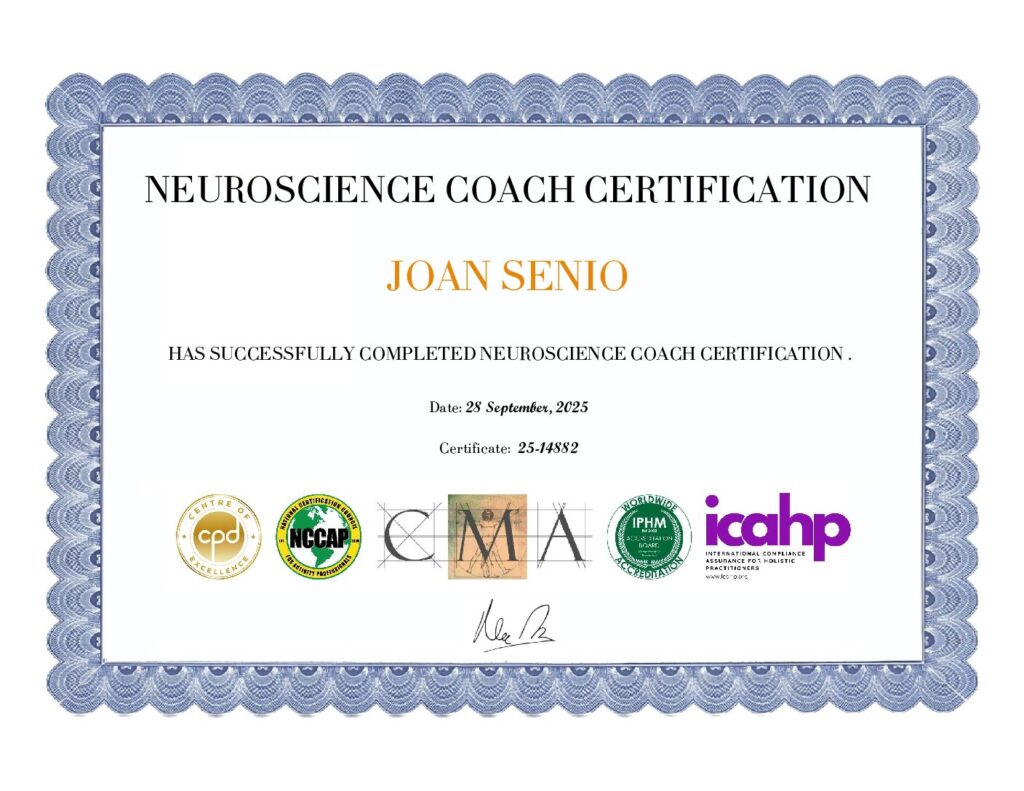
Joan Morabito Senio is the founder of Kindness-Compassion-and-Coaching.com. Joan’s career includes clinical healthcare plus 20+ years as an executive in a nationwide health care system and 15 years as a consultant. The common threads throughout Joan’s personal and professional life are a commitment to non-profit organizations, mental health, compassionate coaching, professional development and servant leadership. She is a certified Neuroscience Coach, member of the International Organization of Life Coaches, serves as a thought-leader for KuelLife.com and is also a regular contributor to PsychReg and Sixty and Me. You can read more about Joan here: Joan Senio.







No Responses