
Have you ever found yourself reacting in ways that don’t match your intentions? Maybe you become defensive when receiving feedback, shut down during difficult conversations, avoid conflict until problems become overwhelming, or struggle to manage strong emotions. Perhaps you’re trying to understand someone in your life who seems emotionally reactive, inconsistent, or unable to take responsibility for their actions.
If any of these reflect your experience, know that you are in good company. Emotional immaturity in adults is far more common than many realize. Despite the name, emotional immaturity is not usually a sign of laziness, weakness, low intelligence, or a lack of character. More often, it reflects emotional skills and capacities that were never fully developed, practiced, or supported.
Many emotionally immature behaviors begin as adaptations. A child growing up in an environment marked by unpredictability, emotional neglect, criticism, conflict, or inconsistent caregiving learns whatever strategies are necessary to feel safe. Those strategies may help in childhood, but they can create difficulties in adulthood when relationships require emotional regulation, accountability, vulnerability, and healthy communication.
The good news is that emotional maturity is not a fixed trait. The brain remains capable of learning throughout life, and many people who struggle with emotional immaturity can develop greater self-awareness, emotional regulation, resilience, and healthier relationship skills.
In this guide, you’ll learn the most common signs of emotional immaturity in adults, how to distinguish temporary stress reactions from persistent patterns, why these behaviors develop, and practical strategies that support lasting change.

Understanding Emotional Immaturity in Adults
You might feel confused, frustrated, or even a little ashamed if you notice signs of emotional immaturity in yourself or someone you care about. It’s important to understand that emotional immaturity in adults often stems from unmet needs, old coping habits, or stress. Noticing them is the first compassionate step toward change.
Adults who are emotionally immature often struggle to manage strong feelings, repair harm to relationships, and maintain consistent emotional availability.
Emotional Immaturity in Adults: Why Terminology Matters
Using the specific phrase “emotional immaturity in adults” to identify this behavior pattern is important, because it increases the odds of choosing the appropriate targeted strategies. Naming the pattern also guides realistic expectations and helps you decide when to set boundaries, offer support, or step back.
Common signs of emotional immaturity include poor frustration tolerance, sudden shutdowns, inflated blame, repeated broken promises, and a pattern of avoiding accountability. These signs show up across life domains and can erode trust, reduce productivity, and increase stress for the emotionally immature person as well as the people close to them.
Emotional Immaturity vs. Arrested Development
The terms emotional immaturity and arrested development are often used interchangeably, but they describe different aspects of the same phenomenon.
Emotional immaturity refers to the behaviors we can observe. Difficulty managing emotions, avoiding accountability, becoming defensive, shutting down during conflict, or reacting impulsively are all examples of emotional immaturity in adults.
Arrested development, on the other hand, helps explain why those behaviors may exist. It describes a disruption in emotional, psychological, or relational development that can occur when important developmental needs were not fully met earlier in life.
Think of emotional immaturity as the symptom and arrested development as one possible explanation for the underlying cause.
Take the Arrested Development Quiz
For example, a child who grows up in an environment marked by emotional neglect, inconsistent caregiving, chronic criticism, trauma, or limited emotional modeling may learn survival strategies that allow them to cope in the short term. Those adaptations might include avoiding vulnerability, suppressing emotions, becoming highly defensive, seeking excessive reassurance, or blaming others when feeling overwhelmed.
These strategies often make sense in the environment where they developed. The problem is that behaviors that once helped a child feel safe can become obstacles to healthy relationships, emotional regulation, and personal growth in adulthood.
This perspective is important because it shifts the conversation away from blame and toward understanding. Rather than viewing emotionally immature behaviors as character flaws, we can recognize them as learned adaptations that may reflect developmental needs that were never fully addressed.
The encouraging news is that emotional growth remains possible throughout life. As people develop greater self-awareness, emotional regulation skills, self-compassion, and healthier relationship patterns, many of the behaviors associated with emotional immaturity can begin to change.
If you’d like to explore these developmental roots in greater depth, our comprehensive guide to arrested development explains how early experiences can interrupt emotional growth and what can be done to begin building the capacities that were missed.
Take the Quiz: Does Your Partner have Arrested Development?
How the Mother Wound and Father Wound Can Influence Emotional Maturity
Our earliest relationships help shape how we understand ourselves, regulate emotions, navigate conflict, and form connections with others. When important developmental needs go unmet, children often create adaptations that help them cope. While these strategies may provide protection during childhood, they can contribute to emotional immaturity in adulthood if they remain unchanged.
For some people, these patterns are connected to what is often described as a father wound or a mother wound. These terms do not suggest that parents are solely responsible for an individual’s struggles. Rather, they provide a framework for understanding how early relational experiences can continue to influence emotional development long after childhood has ended.
The Father Wound and Emotional Immaturity
When a father is emotionally unavailable, highly critical, unpredictable, absent, or unable to provide consistent emotional support, children may learn to disconnect from vulnerable emotions in order to cope. As adults, this can contribute to patterns such as:
- Difficulty identifying or expressing emotions
- Excessive self-reliance
- Fear of vulnerability
- Chronic approval-seeking
- Defensiveness when receiving feedback
- Difficulty trusting others emotionally
In some cases, emotional immaturity develops not because a person lacks character or motivation, but because they never had the opportunity to learn healthy emotional regulation and relational skills during key developmental stages.
If these experiences resonate with you, our guide on the father wound explores how early relationships with fathers can shape self-worth, emotional expression, and adult relationships.
The Mother Wound and Emotional Immaturity
A mother does not need to be intentionally harmful for a mother wound to develop. Sometimes the wound emerges when a child consistently experiences emotional neglect, excessive criticism, conditional love, enmeshment, or caregiving that prioritizes survival over emotional connection.
Adults carrying a mother wound may struggle with:
- People-pleasing
- Weak or inconsistent boundaries
- Fear of disappointing others
- Difficulty recognizing their own needs
- Emotional dependency
- Chronic guilt or self-sacrifice
These patterns can contribute to emotional immaturity by making it difficult to tolerate discomfort, advocate for oneself, or engage in healthy conflict without becoming overwhelmed. To learn more, explore our article on the mother wound, which examines how early maternal relationships can influence self-trust, emotional regulation, and relationship dynamics throughout adulthood.
Looking Beyond Blame
Understanding the influence of the mother wound or father wound is not about assigning blame. Most parents pass along the emotional skills they were given, along with the unresolved struggles they never had the opportunity to heal.
The goal is not to dwell on the past but to understand it. When we recognize how early experiences shaped our emotional development, we gain the ability to make different choices. What was once an unconscious adaptation can become a conscious opportunity for growth.
Situational Emotional Immaturity vs. Persistent Emotional Immaturity in Adults
Situational immaturity is short lived and can be tied to stress, grief, sleep loss, or crisis. It is a temporary, context‑bound pattern of reactive behavior that usually eases with insight or changing circumstances. Persistent emotional immaturity is a stable, recurring pattern that interferes with relationships and functioning and typically requires sustained work to change.
Situational Emotional Immaturity in Adults
People in this category may snap, avoid responsibility briefly, or escalate emotionally, but they can also show self‑awareness afterward and make rapid course corrections.
Episodes are often driven by the limbic system’s temporary override of the prefrontal cortex (the brain’s self‑regulation center). They tend to subside as stressors ease or when the person uses coping tools like pausing, breathing, or seeking support. Because the pattern is episodic, brief coaching, clear boundaries, and short‑term therapy or skills practice often produce noticeable improvement.
Persistent Emotional Immaturity in Adults
Persistent emotional immaturity is characterized by recurrent patterns like chronic blame‑shifting, avoidance of accountability, frequent emotional outbursts, or an ongoing inability to tolerate discomfort that persists across relationships and situations. These patterns erode trust and require more than short fixes because they reflect entrenched habits, sometimes rooted in attachment wounds, learned family dynamics, or underdeveloped emotion‑regulation skills.
Long‑term change usually involves sustained therapy, consistent feedback from trusted others, and deliberate practice of new skills that support healthy relationships.

Common Signs of Emotional Immaturity in Adults
Signs of emotional immaturity include impulsivity, sudden shutdowns, and outsized overreactions to ordinary stressors. Impulsivity shows as quick anger, rash decisions, or abrupt withdrawals. Shutdowns can include silence, stonewalling, or emotional numbness when conflict arises.
Overreactions involve disproportionate responses that escalate small disagreements into crises. These response patterns interfere with co-regulation and make resolution and recovery difficult.
Learn How to Stop Stonewalling
Emotional Immaturity in Adults: Relationship Patterns
Signs of emotional immaturity in relationships include boundary violations, inconsistent care, and an inability to seek repair after harm. An emotionally immature partner might apologize without changing behavior, miss important commitments, or expect others to buffer their distress. Repeated patterns of broken trust and uneven emotional labor are common and exhausting for partners, family members and close friends.
Emotional Immaturity in Adults: Communication and Accountability Patterns
Emotionally immature people often blame others, minimize concerns, and refuse to take responsibility. Blaming shifts fault to others. Minimization shrinks the other person’s experience by calling it an overreaction. Refusal to accept responsibility looks like deflection, excuses, or repeating the same behavior without sincere apology or any effort to repair damage. These communication patterns block honest conflict resolution and make it hard to build reliable agreements.
Emotional Immaturity in Adults: Work and Functional Markers
Emotional immaturity in adults at work shows in resistance to feedback, poor follow-through, and team disruption. A person may react defensively to routine performance conversations, fail to complete tasks on time, or create interpersonal drama that diverts team focus.
These patterns reduce trust, increase managerial burden, and can stall career development. Noticing these markers early helps leaders and coworkers set clear expectations and bind consequences to performance and behavior.
Emotional Immaturity in Adults: How It Shows Up in Daily Life
Examples of behaviors of emotionally immature adults in various life roles include:
- A roommate, family member or partner who repeatedly misses chores, promises to change and does not follow through, or responds to requests with sarcasm or shut down.
- Parents who enforce inconsistent limits, practice reactive discipline, or withdraw emotionally when a child needs comfort.
- Partners, friends, or family members who avoid accountability throughout repeated cycles of hurt followed by minimal apology and no real change. They may stonewall during disagreements, flip quickly to blame, or expect you to regulate their emotions. These dynamics leave others carrying most of the emotional work, reduce intimacy, and create a pattern of repeated disappointments.
- Coworkers and colleagues who react defensively to feedback, miss deadlines without clear communication, or escalate minor disagreements into interpersonal crises interrupt workflow and demand extra managerial time. Teams may end up compensating for someone who does not follow through, creating burnout.
- Emotionally immature friends or family members often make a relationship feel one-sided. You may find yourself always listening, comforting, or fixing while receiving little back. Friends who repeatedly cancel, refuse to acknowledge hurt or harm, or require constant reassurance can be emotionally draining. Over time these patterns increase feelings of isolation or frustration.
Causes of Emotional Immaturity in Adults
Many pathways lead to emotional immaturity, and early caregiving relationships are a common origin.
When caregivers were inconsistent, unavailable, or poorly attuned to emotional needs, a person can develop survival strategies that prioritize short-term coping over long-term regulation. Trauma informed viewpoints emphasize that these patterns are adaptations to early environments and not moral failings.
Naming developmental roots can help to reduce shame and open paths to recovery.
Chronic stress trains the brain to favor quick coping shortcuts that reduce immediate distress at the cost of long-term growth. Over time avoidance, numbing, or reactive outbursts become default responses.
Learning how to develop emotional maturity begins with practicing regulation skills, consistent feedback loops, and gradual exposure to accountability.
These approaches rebuild capacity for tolerance and sustained connection.
Emotional immaturity can overlap with other influences such as neurodiversity, mood fluctuations, or personality patterns. These factors can change how immaturity presents and what supports are most helpful.

The 5 Stages of Healing Emotional Immaturity in Adults
Emotional maturity is not something people either have or do not have. It develops over time through experience, self-awareness, supportive relationships, and intentional practice. Just as emotional immaturity often emerges through years of adaptation, emotional maturity is built gradually through repeated opportunities to learn new ways of relating to ourselves and others.
While growth rarely follows a perfectly linear path, many people move through five recognizable stages as they heal emotional immaturity and develop greater emotional resilience.
Stage 1: Awareness
Healing begins with recognizing the pattern. For many adults, this is the first time they begin noticing how emotional immaturity influences their relationships, communication, decision-making, or reactions to stress. They start asking questions such as:
- Why do I become defensive so quickly?
- Why do I shut down during conflict?
- Why do I struggle to take responsibility when I’m hurt or overwhelmed?
- Why do I keep repeating the same relationship patterns?
Awareness can feel uncomfortable because it requires us to see behaviors we may have spent years justifying or avoiding. Yet awareness is also the foundation of change. What remains unconscious cannot be transformed.
Stage 2: Understanding
Once the pattern has been identified, the next step is understanding where it came from. Many emotionally immature behaviors develop as adaptations to earlier environments. Emotional avoidance, people-pleasing, perfectionism, blame-shifting, emotional suppression, or excessive independence often begin as strategies that helped a person cope with unmet needs, instability, emotional neglect, criticism, or other difficult experiences.
Understanding these origins does not excuse harmful behavior. Instead, it helps reduce shame and create a compassionate framework for growth. Rather than asking, “What’s wrong with me?” many people begin asking, “What happened to me, and what was I trying to protect?”
Stage 3: Self-Compassion
One of the greatest obstacles to emotional growth is self-judgment. Many people believe that criticizing themselves will motivate change. In reality, shame often reinforces defensiveness, avoidance, and emotional reactivity. Self-compassion allows us to acknowledge our limitations without condemning ourselves. It creates the emotional safety necessary for growth.
This stage involves learning to view emotional immaturity not as evidence of personal failure, but as a collection of learned patterns that can be unlearned and replaced. Self-compassion does not eliminate accountability. It makes accountability possible.
Stage 4: Emotional Regulation
Insight alone rarely creates lasting change. At some point, emotional growth must move from understanding into practice. This stage focuses on building emotional regulation skills, including:
- Identifying emotions before they become overwhelming
- Tolerating discomfort without impulsive reactions
- Pausing before responding
- Managing conflict constructively
- Accepting feedback without becoming defensive
- Remaining present during difficult conversations
As emotional regulation improves, people often notice they feel less controlled by their emotions and more capable of making intentional choices. The goal is not to suppress emotions but to develop the capacity to experience them without becoming dominated by them.
Stage 5: Relational Repair and Integration
The final stage involves bringing these new skills into everyday life. Emotional maturity becomes visible through behavior rather than insight alone. People begin taking responsibility for mistakes, communicating more honestly, setting healthier boundaries, tolerating vulnerability, and engaging in repair when conflict occurs.
Relationships become less focused on protection and more focused on connection. This stage also involves integrating new beliefs:
- My needs matter.
- Conflict does not automatically mean rejection.
- Vulnerability is not weakness.
- Accountability does not equal shame.
- Growth is possible at any age.
Over time, what once felt like effort gradually becomes a new way of living.
Healing Emotional Immaturity in Adults is Rarely Linear
Healing emotional immaturity is rarely a straight line. Most people revisit these stages many times as they encounter new relationships, challenges, and opportunities for growth. The goal is to increase awareness, responsibility, emotional regulation, and compassion over time.
Every step toward greater emotional maturity strengthens your ability to build authentic relationships, navigate life’s challenges, and create a healthier relationship with yourself.
Emotional Immaturity in Adults: Strategies
Short-term stabilizers can reduce immediate overwhelm so you can respond instead of reacting. Consider practicing one or more of these daily and in moments of escalation to build capacity and begin to develop emotional maturity:
- Grounding 5-sensor check: name 5 things you see, 4 things you feel, 3 things you hear, 2 things you smell, 1 thing you taste.
- Box breathing: inhale 4, hold 4, exhale 4, hold 4, repeat three to five cycles.
- Pause practice: when you feel triggered, say out loud I need a moment and set a 10-to-20-minute pause before continuing the conversation.
- Regulation habit: schedule two 3-minute check-ins daily to notice tension, label the feeling, and use a single regulation tool.
- Simple anchor phrase: pick one short phrase to repeat until the body calms, for example I am safe right now.
Using these stabilizers consistently is a first step in how to develop emotional maturity because they train the nervous system to tolerate feeling states and make repairable choices.
When to Seek Professional Help
Some situations need outside intervention. Seek professional help when you see these red flags, including when an emotionally immature partner shows patterns that threaten safety or well-being.
- Any threat or action that compromises physical safety.
- Repeated emotional or psychological harm, including manipulation, gaslighting, or coercion.
- Escalating aggression or threats after attempts to set boundaries.
- Marked decline in daily functioning or clear harm to children, elders, or vulnerable people.
- Persistent inability to accept responsibility combined with harmful behavior despite mediation or support.
When these signs appear, involve appropriate professionals such as therapists, legal advisors, or safety planners depending on the risk and context.
Emotional Immaturity in Adults: When to Walk Away
Clear exit criteria protect your wellbeing and make decisions less reactive when dealing with emotionally immature people.
- Define measurable behaviors that would prompt exit or reduced contact, for example three missed commitments in 60 days or refusal to participate in a mediated conversation.
- Set time-bound expectations and concrete steps for remediation before escalation.
- Communicate criteria once, in writing when possible, and keep a private log of violations.
- Plan practical next steps in advance: temporary housing, redistribution of responsibilities, HR report templates, or a backup childcare plan.
- Use social support and professional advice before implementing an exit to ensure safety and practical resilience.
These criteria help you act from clarity and reduce the emotional cost of repeated cycles.
Emotional Immaturity in Adults: Quick Growth Pathway
Our emotional immaturity quick growth pathway provides a focused, compassionate plan to help you move from reactivity to emotional regulation.
Over the first week you’ll practice simple, evidence‑informed habits that reduce immediate reactivity; weeks two to four turn observation into targeted experiments with real relationships; and month two onward offers learning and support options to make change durable.
This pathway is designed to be practical, nonjudgmental, and cumulative. Small daily wins build tolerance for feeling, improve communication, and create momentum for deeper growth.
Day 1–7: Practices to Reduce Reactivity
- Pause and label one feeling each time you get triggered to practice noticing.
- Use a single breathing exercise for one minute when stress spikes to stabilize the body.
- Set a 10 minute rule: delay difficult conversations until both people can be present.
- Replace one automatic blame statement with one curiosity question to slow escalation.
- End each day with one concrete win, however small, to strengthen resilience.
- Schedule two 3 minute body scans daily to track tension and practice regulation.
Commit to one short supportive message to someone you trust to keep social connection active.
These short practices are the first steps in how to develop emotional maturity because they build tolerance for feeling, reduce reactive patterns, and create small wins that compound.
Week 2-4: Interpersonal Experiment and Reflection Prompts
- Choose one relationship and one target behavior tied to signs of emotional immaturity you notice.
- Use the two-week experiment template: pick a script, apply a small boundary, and log outcomes after each interaction.
- Reflection prompts: What triggered me most this week? Which signs of emotional immaturity appeared? What did I try that helped lower escalation?
- At day 7 and day 14, review the log and adjust the script or boundary for clarity and measurability.
- Invite a check-in conversation at the end of week 4 to name changes, request next steps, or decide on escalation.
This short experiment turns observation into practice and gives you concrete data to decide whether patterns respond to repair or need stronger steps.
Month 2+: Learning and Support Options
- Start individual therapy or coaching focused on emotion regulation and consistent practice goals.
- Join a small skill-based group for live practice of co-regulation and accountability.
- Enroll in a structured course that teaches emotion regulation, boundary setting, and communication skills.
- Build a quarterly review habit: set three measurable interpersonal goals and track progress with a trusted supporter.
Longer-term options include seeking external feedback, and practicing the repeated training needed for durable change.
Frequently Asked Questions about Emotional Immaturity in Adults
Is emotional immaturity the same as narcissism? No. Signs of emotional immaturity include poor frustration tolerance, shutdown, and inconsistent follow-through. Narcissism involves patterns of grandiosity, entitlement, and a focused need for admiration. Both can harm relationships but they require different responses and supports.
Can adults change after decades of patterns? Yes. Adults can change when they commit to regular practice, feedback, and appropriate support. Learning how to develop emotional maturity involves repeated regulation practices, clear accountability agreements, and often professional guidance like coaching or therapy.
How do I bring this up at work without losing my job? Address emotional immaturity at work by focusing on specific behaviors and business impact. Use concrete examples tied to missed deadlines or disrupted meetings, offer clear expectations and timelines, and request a check-in plan. Escalate through documented steps if patterns continue to harm team outcomes.
When should I stop trying and walk away? Consider stepping away when boundaries have been set and repeatedly ignored, when signs of emotional immaturity cause ongoing harm, or when safety and wellbeing are at risk. In the case of an emotionally immature partner, repeated refusal to participate in repair, ongoing deception, or escalating coercive behavior are valid reasons to reduce contact or leave.
Next Steps and Related Reading
Emotional immaturity in adults is a skill gap that can be strengthened with the right tools, language, and support. Growth becomes possible the moment someone recognizes their patterns and chooses growth over shame.
Whether you’re navigating your own emotional development or trying to understand someone else’s, remember that maturity is built through practice. If you’d like to go deeper, these resources offer additional clear guidance and practical exercises you can begin using right away.
- Adult Children of Emotionally Immature Parents by Lindsay C. Gibson. A foundational exploration of how emotionally immature caregivers shape adult patterns and how to break free from them.
- Recovering from Emotionally Immature Parents Workbook by Lindsay C. Gibson. A structured, exercise‑based companion that helps readers build emotional boundaries, self‑trust, and clarity.
- The Emotionally Absent Mother by Jasmin Lee Cori. An insightful look at unmet emotional needs and how to heal them in adulthood.
- The Emotionally Absent Mother Workbook by Jasmin Lee Cori. Practical exercises for rebuilding inner security, self‑soothing, and emotional resilience.
- Set Boundaries, Find Peace by Nedra Glover Tawwab. A clear, modern guide to boundary‑setting, one of the core skills emotionally mature adults rely on.
- The Dialectical Behavior Therapy Skills Workbook by Matthew McKay, Jeffrey C. Wood & Jeffrey Brantley. A hands‑on workbook for emotional regulation, distress tolerance, and interpersonal effectiveness.
- The Mindful Self‑Compassion Workbook by Kristin Neff & Christopher Germer. A powerful resource for developing the emotional steadiness and self‑kindness that support maturity.
Thank you as always for reading.

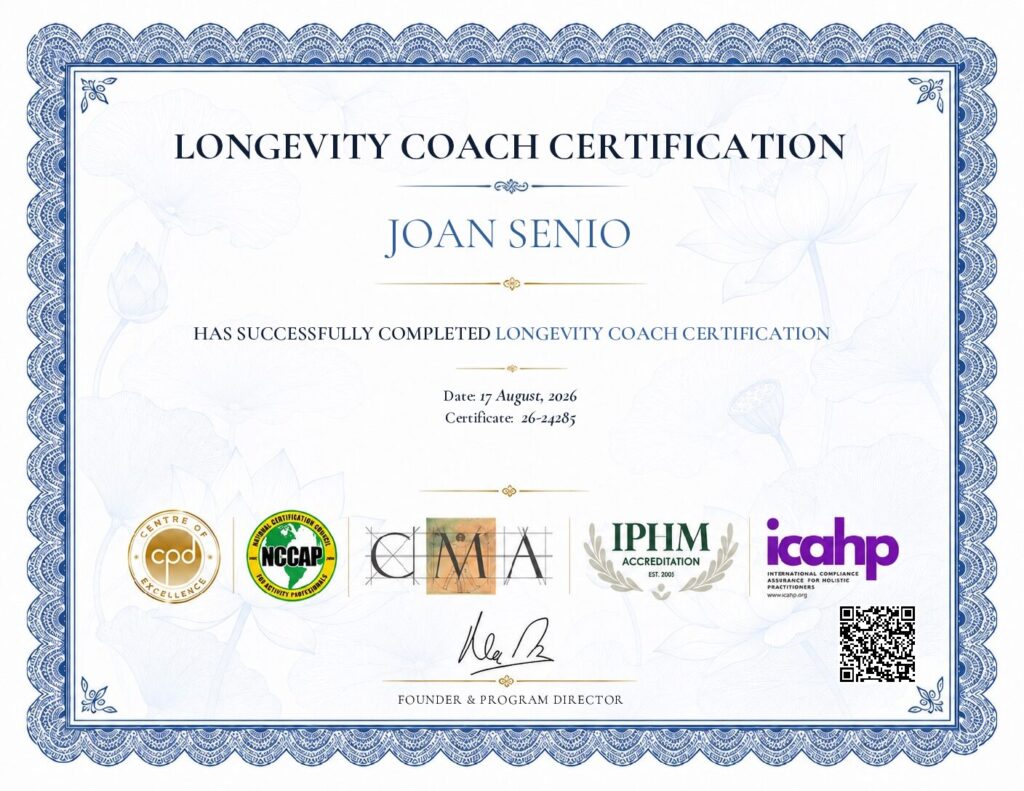
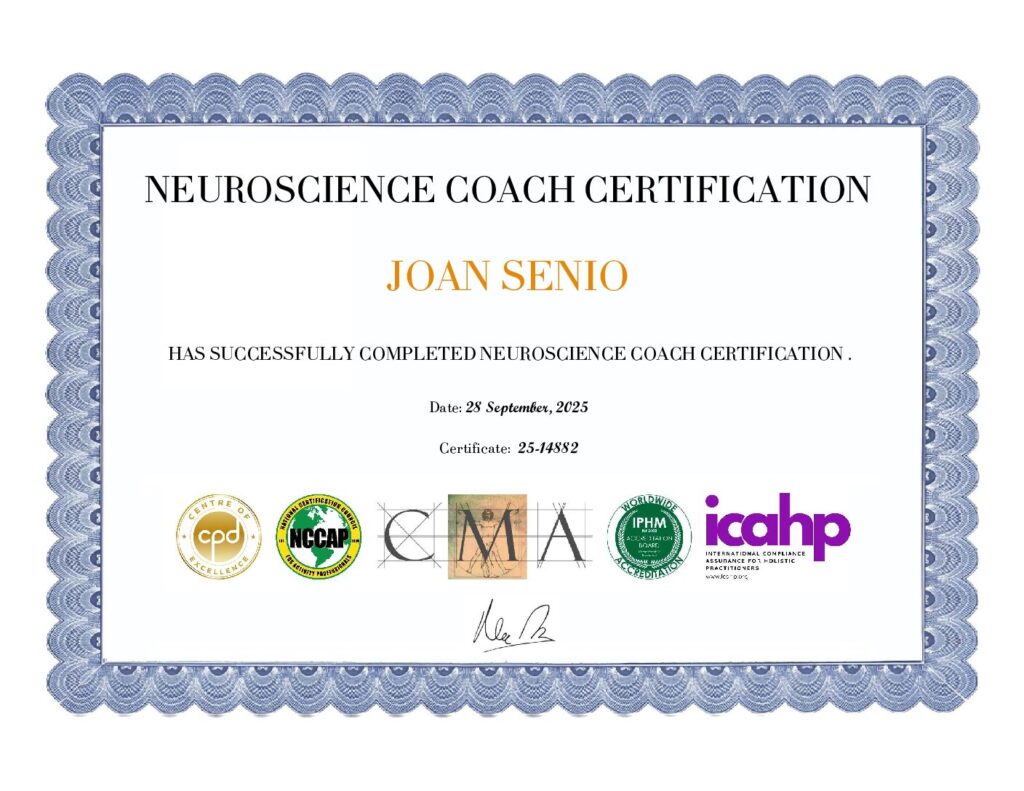
Joan Morabito Senio is a coach and former executive and consultant with over 35 years of experience helping people overcome challenges, grow, and achieve their full potential. She created Kindness‑Compassion‑and‑Coaching.com to provide free coaching resources to individuals and the compassionate coaching community.
As a certified neuroscience coach and member of the International Organization of Life Coaches, Joan blends science‑based insight with heart‑centered guidance to help others rise above old patterns and step into their most authentic selves. She is committed to supporting those ready to grow, take ownership of their next chapter, and transform their lives from the inside out.
*Some links in this post are affiliate links. That means that we may receive a small commission at no cost to you when you purchase anything via one of these links. These commissions help us keep Kindness-Compassion-and-Coaching.com a free resource, as they help to cover website expenses. Thank you for your support.






No Responses