Effective listening is a cornerstone of healthy communication and meaningful relationships. By honing the art of active listening, we can better cultivate genuine connections, foster empathy, and strengthen interpersonal bonds. Today, we discuss the essential elements of being a great listener and provide actionable strategies for honing this incredible skill. How to Be a Great […]

Having a strong support system is essential to all of us. Knowing we have others we can count on in times of trouble, or to share celebrations with, not only helps us to be happier, but enables our personal growth, well-being, and success. When we build a support system that endures, we provide ourselves a […]

Difficult conversations are an inevitable part of life, whether it’s addressing a conflict with a loved one, discussing sensitive topics at work, or delivering constructive feedback. While these conversations may be challenging, they also offer an opportunity for growth, understanding, and resolution. Today’s post provides a step-by-step guide to help you navigate difficult conversations with […]
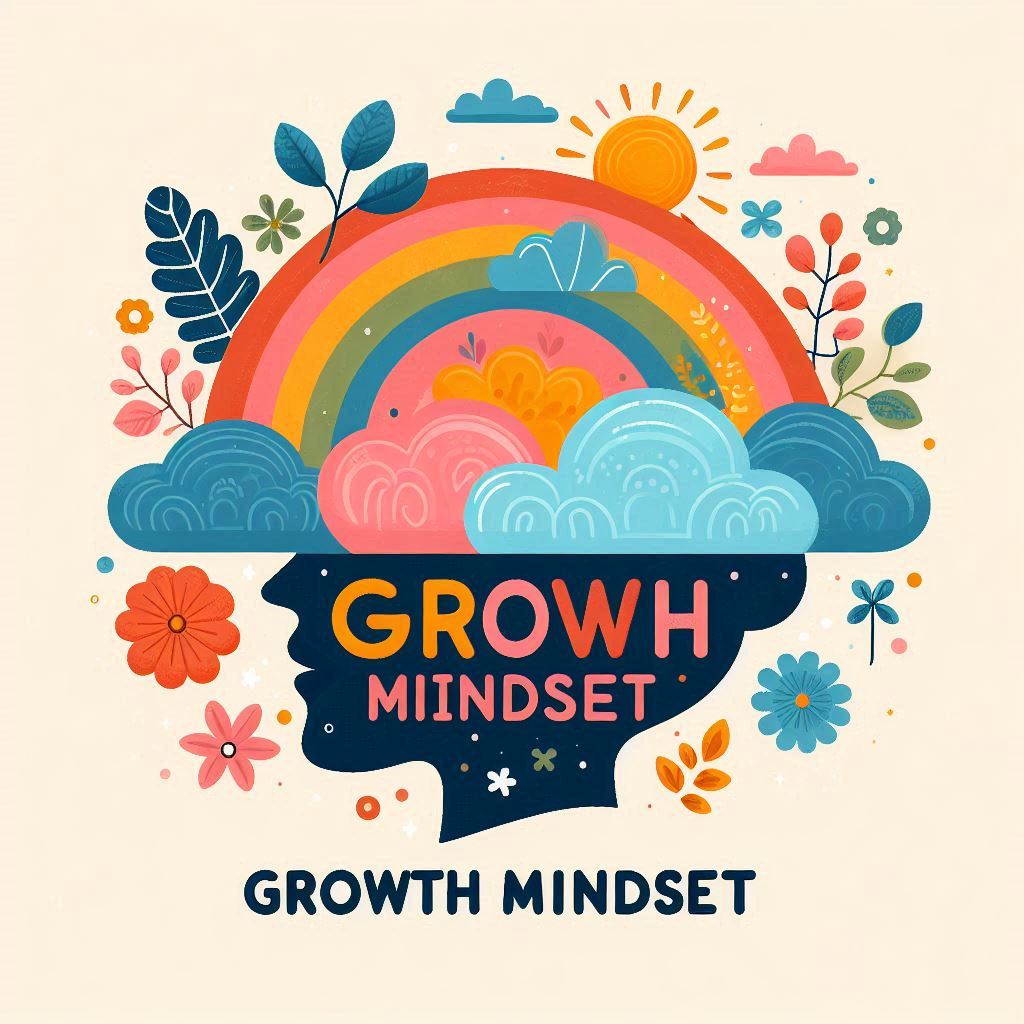
Growth is a steady unfolding, not a demand to become someone else overnight. These growth mindset quotes help you to maintain patience and compassionate persistence. They are reminders that learning is a humane process and setbacks are evidence of trying. Use them as anchors for difficult days: a sentence that steadies you, a prompt to retry, and permission - even encouragement! - to be imperfect.

Self-improvement journeys are powerful narratives of personal growth. They inspire us, show us what is possible, and motivate us to embark on our own paths of development. Today, we are sharing a collection of inspirational stories that highlight people who have overcome challenges and have gone on to achieve remarkable things. These stories remind us […]

The fear of abandonment can grip our hearts and minds, leaving us feeling vulnerable and insecure in relationships. Whether stemming from past trauma or deep-rooted insecurities, overcoming fear of abandonment is possible with self-reflection, self-compassion, and intentional actions. Today, we cover 7 strategies to overcome fear of abandonment. 1. Understand the Root Causes of Fear […]

The fear of abandonment is a psychological phenomenon that can result in deep-seated emotional distress and relationship conflicts. Those who have experienced neglect in childhood or abandonment in past romantic relationships may develop a phobia about being left alone. Let’s discuss some signs of fear of abandonment and explore strategies for managing this challenging emotion. […]

Fear of abandonment is a complex emotional issue that can greatly impact relationships and overall well-being. This fear stems from deep-seated insecurities and past experiences. Any chance of resolving it requires us to understand its underlying causes. We will cover some of the common root causes of fear of abandonment and also potential strategies to […]

Thalassophiles are people who feel most alive by the sea—drawn to the rhythm of waves, the scent of salt air, and the vastness of the horizon. This post explores why the ocean soothes and inspires, how lovers of the sea find meaning through exploration and conservation, and practical ways to deepen your connection—whether through snorkeling, journaling by the shore, or joining beach‑cleanup efforts. If the ocean calls to you, read on to discover what being a thalassophile looks like and how to honor that lifelong bond.

Do you find yourself constantly putting others first, doing more than your share, and feeling exhausted, resentful, or invisible in return? If so, you may be stuck in martyr syndrome: a persistent pattern of self‑sacrifice and people‑pleasing that shows up as chronic over giving, passive resentment, and shrinking boundaries. In this post you’ll learn the […]