Assertiveness isn’t just about what you say, it's about how you live. This final post brings together the core assertiveness skills from the entire 8-part series, offering a clear roadmap to help you communicate with confidence, set boundaries with compassion, and honor your needs in everyday life.

Do you ever feel torn between protecting your well-being and preserving a close connection? Many adults struggle with the fear that setting boundaries will damage their relationships, especially when past attempts have led to guilt, conflict, or emotional fallout. Today, we explore how to be assertive in relationships without losing your voice or your dignity, even when the stakes feel high.

Learn practical, compassionate ways to stop people‑pleasing and become more assertive. This post offers clear steps to help you quiet your inner critic, set healthy boundaries, and speak up with confidence while preserving respect and connection. Ideal for anyone ready to claim their needs without sacrificing relationships.

Assertive communication is useful everywhere: at work, at home, with everyone from your spouse or children to your doctor or mechanic. Being authentic and direct reduces misunderstandings, improves the accuracy of what’s communicated and the outcomes that follow, while preserving relationships and personal boundaries.

Effective communication often requires navigating a delicate balance. Many struggle and vacillate between the extremes of passivity (where needs go unspoken) and aggressiveness (where expression overwhelms connection).
Today, we explore the distinction between assertiveness vs. aggressiveness and offer strategies to help you find the healthy middle ground.

Saying no doesn’t make you selfish - it demonstrates your strength. This third installment in the Assertiveness Training for Beginners Series explores practical ways to set boundaries without guilt, showing how self‑care and assertiveness create healthier relationships and greater peace of mind.

The inner critic often shows up as a relentless voice of doubt, predicting failure and magnifying fear or guilt. Left unchecked, it can lead you to ignore your own needs and keep you stuck in patterns of passivity. Assertiveness offers a way forward, helping you to find you authentic self and speak with clarity, confidence, and respect.

For many people, speaking up feels uncomfortable, even risky. You may worry about sounding harsh, being misunderstood, or damaging relationships.
In this course, you’ll learn how to identify your needs clearly and regulate your nervous system so your words land with calm authority.

A new year is a golden opportunity to reflect, refocus and align your future actions to your authentic self and life goals. Join us in this deep dive into the very first and most essential phase of personal development: self-discovery.

Today, we explain the disorganized attachment style. How it forms, the common patterns that keep people stuck, and the targeted resources that help rebuild safety, confidence, and steadier connection. Includes a free quiz.

Today, we explain the avoidant attachment style. How it forms, the common patterns that keep people stuck, and the targeted resources that help rebuild safety, confidence, and steadier connection. Includes a free quiz.

When life feels like a race and you’re trailing behind, it’s easy to turn inward with criticism. But what if your inner voice became your softest place to land? This guide offers trauma-informed ways to speak kindly to yourself when you feel behind. Because healing begins with how we talk to ourselves.

Today, we explain the anxious attachment style. How it forms, the common patterns that keep people stuck, and the targeted resources that help rebuild safety, confidence, and steadier connection. Includes a free quiz.

Do you feel weighed down by past regrets? Explore practical ways to forgive yourself, release guilt, and cultivate self-compassion.

When your to-do list feels like a minefield (client calls, family demands, endless emails), it’s easy to drown in urgency and lose sight of what truly matters. Priority setting methods offer a lifeline: structured frameworks that cut through the noise, align your choices with core values, and restore calm to an overwhelmed mind. From the Eisenhower Matrix to Pareto Analysis, these tools don’t just organize tasks, they retrain your brain to favor high-impact actions over reactive busyness. By blending neuroscience insights with trauma-informed compassion, this guide shows you how to transform chaos into clarity, celebrate small wins, and infuse kindness into every decision.

Secure attachment is the foundation of healthy relationships and resilient leadership. It reflects trust, emotional safety, and the ability to balance independence with connection. Through trauma‑informed coaching, secure base behaviors can be cultivated even in adulthood, fostering co‑regulation, confidence, and compassionate accountability.

Whether your heart was broken by a relationship, a loss, or a quiet goodbye that never felt complete, the pain can feel all-consuming. But healing is possible. Not through forced positivity or rushed advice, but through trauma-informed steps that honor your emotional truth.
We explore how to heal a broken heart with compassion, neuroscience-backed insights, and practical tools that support emotional recovery. Because you deserve more than just “moving on”. You deserve to feel whole again.

Emotional immaturity can stall personal growth and strain relationships. If you suspect you are emotionally immature (or are dealing with someone who is), this post gives you what you need to cope. We uncover clear signs, the brain science behind emotional immature, and provide practical, trauma-informed strategies, resources, and answers to your pressing questions.

This article is the first in a series devoted to attachment styles. Today, we share a high-level guide to the four most common attachment styles. It includes a free quiz to determine your own attachment style or the attachment style of someone you care about. Future installments provide more detail about each attachment style, and remedies to help achieve healthy, secure attachment in relationships.

Positive thinking and positive visualization are practical, evidence-aware tools for improving emotional regulation, motivation, and performance. This article defines each practice, explains how they work together in the brain and behavior, summarizes research support, and offers real-world examples and resources to help you apply them responsibly.
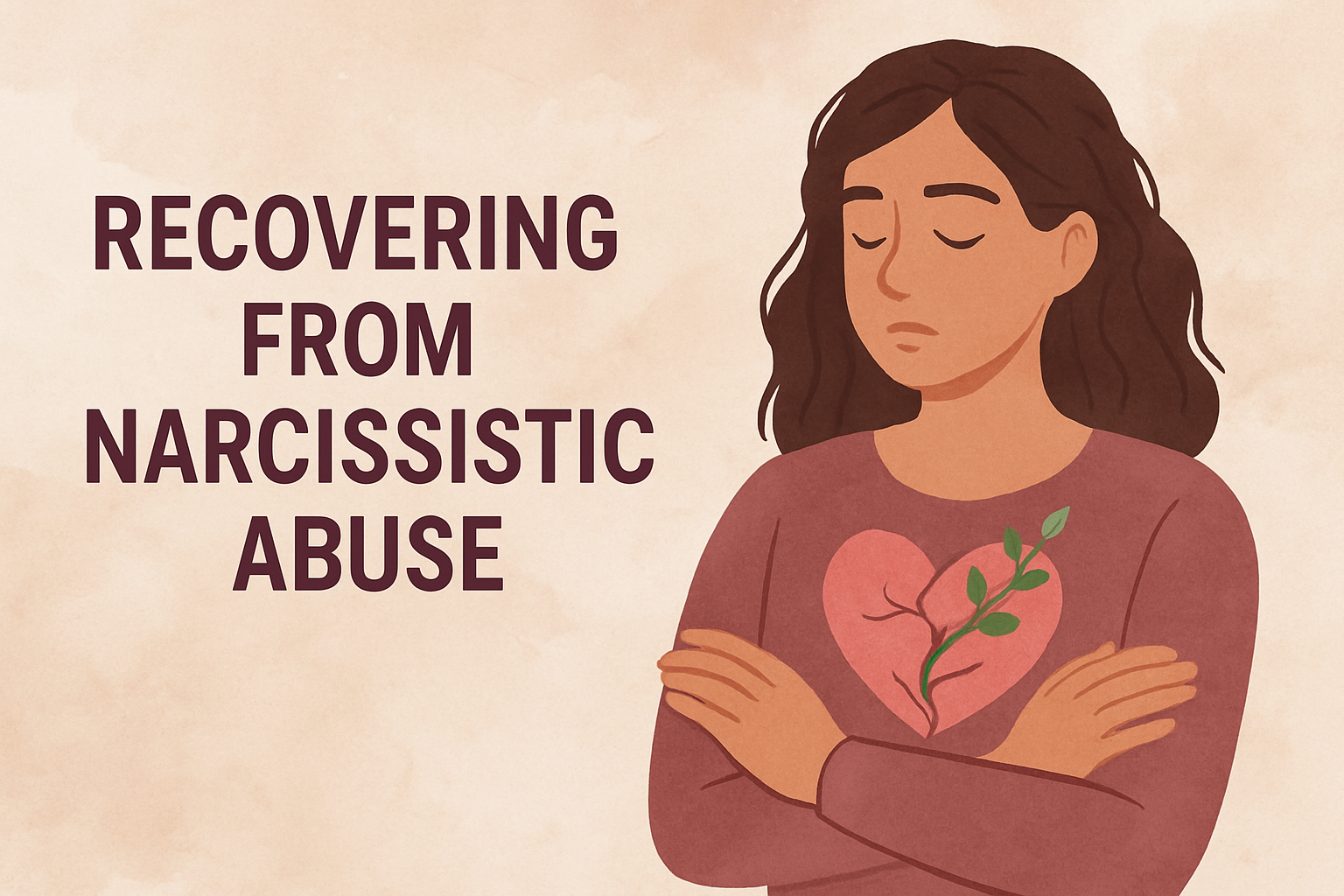
Recovering from narcissistic abuse begins with safety, nervous‑system regulation, and compassionate steps that rebuild trust in yourself. This trauma‑informed resource explains clear signs of abuse and offers practical resources to help you move you from overwhelm toward steady healing.

Perfectionism wears many faces: paralysis, overwork, hidden people-pleasing, and a constant “not enough” hum. This post provides a compassionate, evidence-informed roadmap to support you as you work on letting go of perfectionism. Help protect your nervous system while still achieving your goals.