Intolerance of uncertainty can make even ordinary moments feel overwhelming. When the future feels unpredictable, the mind often fills in the blanks with fear, worry, or worst‑case scenarios. This post explores why uncertainty feels so threatening, how it shapes daily life and relationships, and what it looks like to build emotional safety and self‑trust in a world that rarely offers guarantees.

Confidence follows competence. Learn the levels of competence and how the confidence-competence loop turns small, deliberate actions into lasting self‑esteem.

Identity scripts are old survival roles that limit self‑esteem and can be rewritten through awareness, safety, and new choices.

Self-esteem in relationships isn’t just about how we feel about ourselves. It’s about how safe we feel being seen, heard, and valued. This post explores how self-worth shapes communication, boundaries, emotional safety, and intimacy and offers strategies to build healthier, more secure connections. Whether you’re navigating conflict, seeking deeper trust, or healing old patterns, this guide helps you strengthen self-esteem from the inside out and within your closest relationships.

Our nervous system plays a critical role in how we experience self-esteem. Nervous system regulation largely drives whether we feel confident, afraid, or shut down. Read on to learn how to influence your nervous system and in the process, achieve healthier self-esteem.

The inner critic forms in unsafe environments, its goal to protect us from harm. Unfortunately, as adults, the lessons of the inner critic no longer apply, and they can undermine our self-worth. Luckily, if we know how, we can transform the inner critic into a loving inner protector who fosters self-compassion within us and ultimately allows us to experience healthier self-esteem.

Spiritual awakening is rarely a single moment. It unfolds in stages, each one revealing new layers of insight, discomfort, and transformation. Today, we explore the stages of spiritual awakening through a compassionate, grounded lens, helping you understand where you are, what you’re experiencing, and how to move forward with steadiness and self‑trust.
Self‑trust grows through micro‑promises and gentle consistency that teach your nervous system you can rely on yourself again.
Psychological safety in relationships forms the foundation of self‑esteem, shaping how you understand your needs, emotions, and sense of worth.
When closure isn’t possible, healing can feel confusing and unfinished. This guide offers compassionate, practical steps on how to move on with clarity, self‑trust, and emotional resilience.

Self‑esteem psychology reveals how emotional safety, self‑trust, and identity shape your internal sense of worth and capability.

Have you ever wondered “Do I Have Arrested Development?” Many adults feel emotionally younger than their chronological age due to trauma, neglect, or unmet developmental needs.
This article explains why it happens, how it shows up, and how to begin healing with compassion.
Healthy self‑esteem isn’t about constant confidence or positive thinking; it’s about developing a consistent, grounded sense of worth that can withstand stress, mistakes, and the complexities of real relationships. This series explores the deeper foundations of self‑esteem, showing how emotional safety, nervous system regulation, identity scripts, and self‑trust shape the way we see ourselves. You’ll learn practical, repeatable skills that help rebuild self‑worth from the inside out.

Many people use empathy and sympathy as if they mean the same thing, but they create very different emotional experiences. Today, we explore empathy vs sympathy with clarity and compassion, helping you understand how each response affects connection, healing, and the way we show up for the people we love.

Dark empaths are some of the most confusing personalities you’ll ever encounter. Deeply perceptive, emotionally intelligent, and yet capable of using that insight in ways that leave you drained, doubting yourself, or questioning your reality. If you’ve ever felt seen and understood by someone who later left you unsettled or off‑balance, you may have crossed paths with one.
Some of us don’t just notice emotions, we actually feel them. We absorb tension before anyone speaks, sense shifts in energy instantly, and carry an awareness that seems to run deeper than logic. This sensitivity isn’t random. It’s shaped by our stories, our nervous systems, and the environments that taught us to pay attention.
Empathy has roots. And when you recognize the signs of an empath in yourself, it's important to seek to understand where yours comes from, so you can finally begin using it as a strength instead of a weight.

At various stages in life, many of us experience a nagging restlessness. It can make us feel as though our life and loves and passions no longer fit. The good news? That feeling of restlessness can actually be the dawn of something powerful and life-altering, if only we recognize and harness its energy.

Many people experience spiritual awakening as disorienting. This post translates eight Jungian signs of awakening into compassionate language, showing how psychological safety, self‑compassion, and strengths‑based coaching can turn disruption into durable growth.

Many people use the terms empathic and empathetic interchangeably, but they describe two very different emotional experiences. This post explores empathic vs. empathetic sensitivity with clarity and compassion, helping you understand your own emotional wiring and the unique ways you connect with the world.
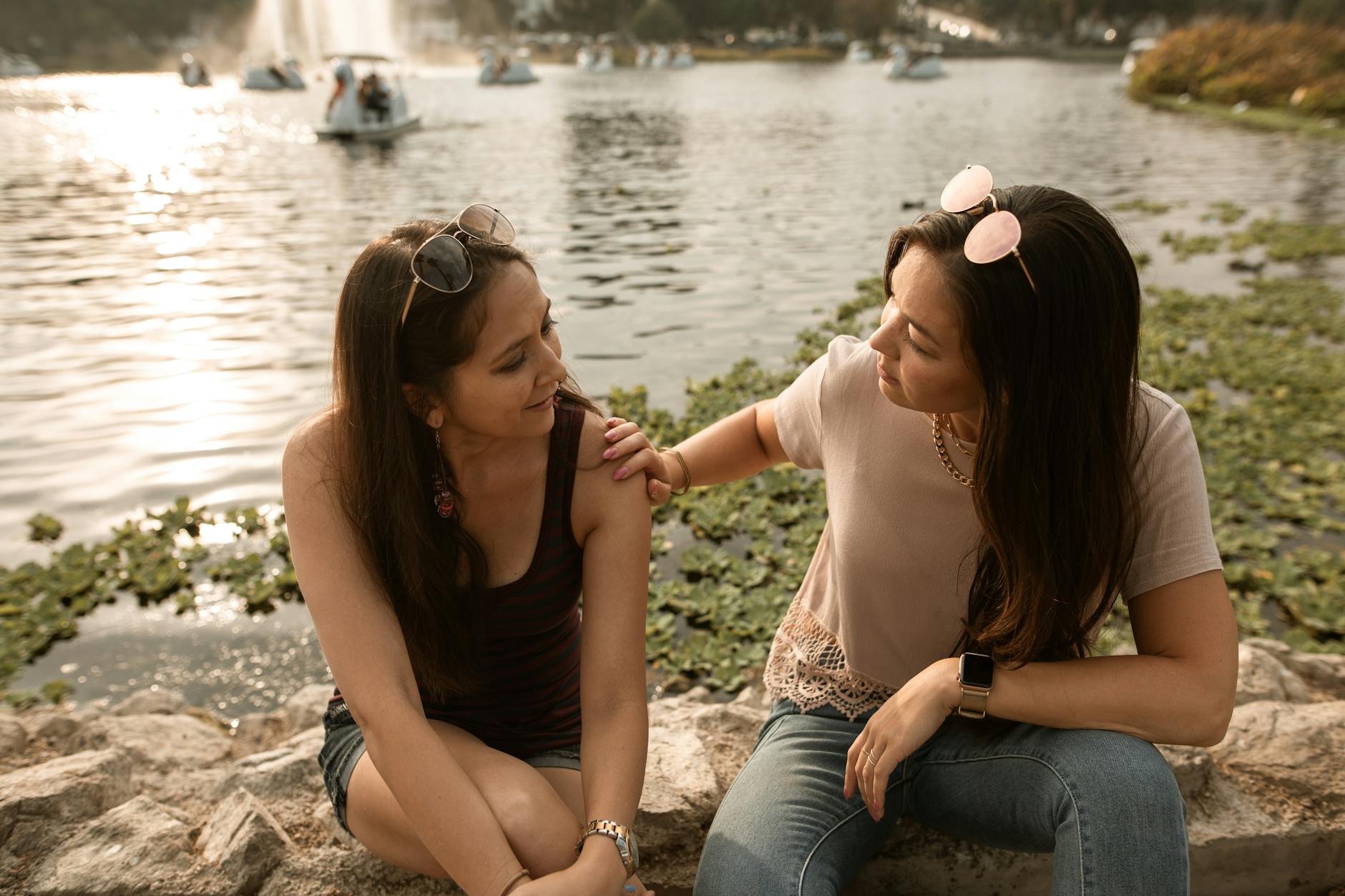
Have you ever wondered if you are empath? This compassionate guide explains the trait, how to spot empathic qualities in yourself and others, the risks empaths face, and practical steps to honor your own sensitivity without burning out.

An opacarophile is someone who finds deep joy in sunsets. Learn how to recognize this love, plan the best viewing, and use simple rituals to make each twilight more meaningful.

Many of us accept the myth that personal growth requires pain, sacrifice, and relentless discomfort. This essay challenges that story and offers a different path: one that centers nervous system safety, curiosity, small experiments, and the steady accumulation of new habits so growth becomes sustainable, humane, and often surprisingly joyful.