

Habits play a powerful role in shaping our lives, influencing our actions, behaviors, and ultimately, our overall well-being. While some may hinder progress, others have the potential to fuel personal growth, enabling us to reach our full potential and lead more fulfilling lives. By understanding the impact of habits on our daily routines and actively cultivating positive ones, we can create a solid foundation for continuous improvement.
Understanding the Habit Loop and Its Power
Habits form through a cycle called the habit loop, which consists of four parts: cue, craving, response, and reward. A cue triggers a craving that motivates a response, leading to a reward.
According to a study from the University of Southern California, understanding this loop can help break unhealthy habits and form new, beneficial ones.
Start by assessing your daily routines. Consider using tools like habit trackers or journaling. Popular tracking apps include Habitica and Streaks. Any of these methods can help you to visualize your habits, making it easier to identify areas for improvement.
Cultivating Positive Habits
Neuroplasticity is the brain’s ability to change and adapt. When you build a habit, your brain forms new neural pathways, making the behavior easier over time.
Research from the National Institute of Mental Health shows that these changes can lead to lasting improvements in behavior and mindset.
Start by aligning your habits with personal goals. For instance, to boost physical health, consider daily exercise or balanced eating. For emotional growth, practicing gratitude can be effective. Setting clear goals makes it easier to choose the right habits.
Use Habit Stacking and SMART Goals to Get Habits to Stick
Try the Habit Stacking method, where you connect a new habit to an existing one, like doing 10 push-ups after brushing your teeth. Alternatively, use SMART goals: goals that are specific, measurable, achievable, relevant, time bound. Implement changes gradually instead of trying too many things at once.
How to Overcome Obstacles
Common obstacles include procrastination and lack of motivation. Share your goals with an accountability partner to stay motivated. Create a reward system to celebrate your milestones. Acknowledging small victories keeps you on track.

Habits for Enhanced Self-Awareness
Practicing mindfulness through meditation or deep breathing can significantly boost self-awareness. These practices help you stay present and recognize your thoughts without judgment.
Journaling reveals your thought patterns and behaviors. Write about your experiences daily to discover insights into your emotions and motivations.
Explore prompts like “What went well today?” to enhance your self-analysis.
Constructive criticism from others can also help guide your growth. Alongside this, practice self-compassion. Understanding that growth is a journey helps you stay focused on improvement rather than perfection.
Habits for Improved Productivity and Focus
Effective time management helps maximize productivity. Establishing a related habit can improve your output as well as your mindset. Examples include:
- Techniques like the Pomodoro Technique—where you work for 25 minutes, then take a 5-minute break—improve focus.
- Using time-blocking strategies can help prioritize tasks.
- Make a daily to-do list to manage tasks.
- Rank items by importance using the Eisenhower Matrix, which categorizes tasks into four boxes based on urgency and importance.
- Studies show that effective prioritization can lead to a 25% increase in productivity.
To reduce distractions, consider using website blockers or noise-canceling headphones. Create an organized workspace to improve concentration. Clear surroundings can help you focus better on your tasks.
Habits for Building Strong Relationships
Building strong relationships hinges on effective communication. Practice active listening. Truly focus on what others are saying without planning your response. This builds trust and understanding.
Empathy fosters better relationships. Making an effort to understand others’ feelings is essential.
“Emotional intelligence is the key to navigating social complexities,” states Dr. Daniel Goleman, an expert in the field. Practicing empathy strengthens connections.
Expressing gratitude can enhance relationships. Small gestures, like saying “thank you,” make a significant difference. Research shows that people who regularly express gratitude report higher well-being.
Consistency is Key
One of the key ways in which habits facilitate personal growth is through consistency. Regularly engaging in positive activities and behaviors, such as exercise, reading, journaling, or practicing mindfulness, can lead to incremental progress over time.
Consistency builds momentum and reinforces behavior patterns, making it easier to integrate beneficial habits into our daily routine and sustain them in the long run.
Harnessing the Power of Habits for Lasting Growth
Developing positive habits requires discipline and determination, qualities that are essential for personal growth. By committing to a habit and following through despite challenges or setbacks, we cultivate resilience and fortitude.
Overcoming obstacles strengthens our character and helps us build the resilience needed to navigate life‘s ups and downs with grace and perseverance. Positive habits facilitate self-improvement, enabling us to enhance our skills, mindset, and overall quality of life. They create a positive feedback loop that reinforces personal growth.
As we experience the benefits, such as increased productivity, improved well-being, or enhanced relationships, we are motivated to continue practicing these behaviors. This feedback loop of positive reinforcement fuels our momentum and encourages us to pursue further growth and development.
Habits have the power to facilitate personal growth by fostering consistency, discipline, self-improvement, and a positive feedback loop. Tapping into their potential to be catalysts for personal growth can help us to create lasting positive change.
Thank you as always for reading.
If you haven’t yet subscribed, please enter your email address so you never miss a post.
Affiliate Disclosure: Some links in this post are affiliate links. As an Amazon Associate, we earn from qualifying purchases. Thank you for supporting Kindness-Compassion-and-Coaching.com at no extra cost to you.

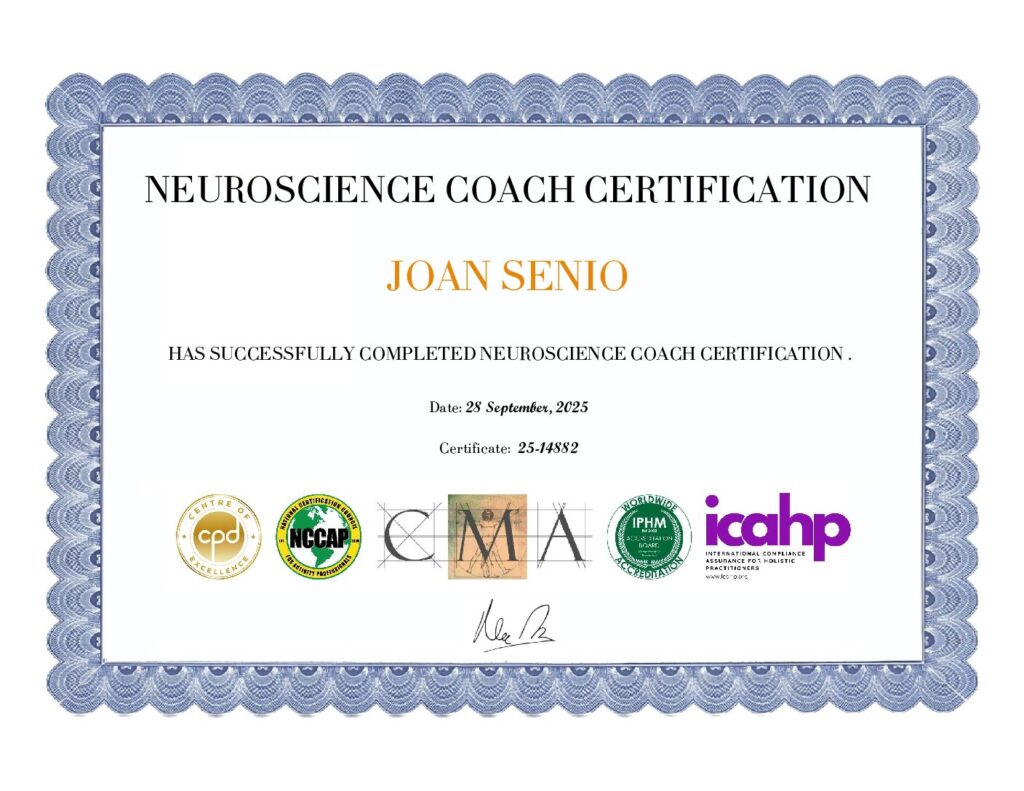
Joan Morabito Senio is the founder of Kindness-Compassion-and-Coaching.com. Joan’s career includes clinical healthcare plus 20+ years as an executive in a nationwide health care system and 15 years as a consultant. The common threads throughout Joan’s personal and professional life are a commitment to non-profit organizations, mental health, compassionate coaching, professional development and servant leadership. She is a certified Neuroscience Coach, member of the International Organization of Life Coaches, serves as a thought-leader for KuelLife.com and is also a regular contributor to PsychReg and Sixty and Me. You can read more about Joan here: Joan Senio.






One Response
Always enjoy reading kind-compassionate posts. Thank you!