

You know the feeling. Your mind caught in a ceaseless loop – overthinking every choice, stress piling still higher, simple concepts become difficult to comprehend, cognitive fatigue dulling your edge. Tasks that once felt straightforward loom like insurmountable obstacles, leaving you exhausted and unfocused. What is this ailment we all know so well? It’s mental exhaustion, and a bright red flag that none of us should ignore. When it’s flapping in the wind, it’s time to sit up and take notice and give that brain the break it so clearly craves! Today, we will share essential mental self-care tips that target exactly those stress loops, ease runaway thoughts, and rebuild clarity in just minutes.
Read on to discover simple, practical, science-based mental self-care tips including over 15 essential strategies that empower you to reset, recharge, and move through each day with more energy and focus.
These mental self-care tips are designed to slot seamlessly into busy days, helping you reclaim calm without overhauling your schedule.
Table of Contents
- 1. Tending to Your Mind and Cognitive Health
- 2. Why Mental Self-Care Matters
- 3. Assessing Your Needs
- 4. Core Practices for Everyday
- 5. Building Your Personalized Mental Self-Care Plan
- 6. How to Reflect, Refine, and Scale
- 7. How to Overcome Barriers to Consistency in Mental Self-Care
- 8. Frequently Asked Questions about Mental Self-Care Tips
- 9. Resources and Next Steps for Lifelong Mental Fitness
- 10. Cultivating Your Mind’s Resilience
1. Mental Self-Care Tips: Tending to Your Mind and Cognitive Health
Mental self-care focuses on tending to your inner landscape including your thoughts, emotions, and cognitive patterns. It’s the practice of nurturing your mind’s health through intentional habits that foster clarity, calm, and emotional resilience.
Mental or intellectual self-care refers to deliberate practices that nurture cognitive and psychological health. Unlike physical self-care (focused on sleep, nutrition, or exercise) mental self-care zeroes in on how you think, learn, and process emotions.
Techniques such as reading, learning new skills or hobbies, solving brain games, and setting clear boundaries all strengthen your mental “fitness” by building cognitive reserves and preventing decision fatigue.
Neuroscience even shows that simply naming your emotions activates the prefrontal cortex, which in turn dampens the amygdala’s stress response, illustrating how targeted mental self-care can rewire your brain for greater calm and clarity.
Mental Clarity Tips: How to Cultivate a Clearer Mind
2. Mental Self-Care Tips: Why Mental Self-Care Matters
Despite its outsized impact, mental self-care is often overlooked until overwhelm strikes.
In a national survey, 75 percent of Americans reported that when they engaged in self-care activities, it relieved stress. Sixty-four percent saw boosts in self-confidence, 67 percent noted higher productivity, and 71 percent experienced increased happiness after practicing self-care. Further, quality self-care is linked to enhanced self-esteem, greater optimism, and significantly lower levels of anxiety and depression, making it as vital as any physical workout for overall well-being.
Yet more than half of people only engage in self-care when stressed, underscoring the need to integrate mental resets like brief mindfulness breaks or reflection prompts into everyday routines to guard against burnout and sharpen your decision-making.

In short, self-care is good for us, and we all need more of it! Especially the kind that helps us get our brain in shape and keep it sharp.
Investing just a few minutes a day in mental self-care builds a foundation of inner calm and clarity, so you can navigate life’s cognitive demands with more energy, presence, and confidence.
3. Mental Self-Care Tips: Assessing Your Needs
Before diving into strategies, it’s essential to benchmark your mind’s current state. Use these steps to map out your unique mental landscape:
- Rate your mental clarity and stress
- On a scale of 1-10, how sharp does your thinking feel right now?
- How overwhelmed or drained do you feel?
- Track thoughts and emotions over time
- For three days, record your dominant mood each morning, afternoon, and evening.
- Note any recurring worries, negative self-talk, or unexpected positives.
- Identify mental drains vs. boosts
- List three activities, interactions, or thought patterns that leave you feeling depleted.
- List three that consistently lift your mood, spark creativity, or calm your mind.
- Spot patterns and triggers
- Compare your mood ratings to daily events (screen time, social media, meetings, chores).
- Pay attention to physical signals like muscle tension, headaches, and restless energy that coincide with mental fatigue.
Armed with these insights, you’ll know which mental self-care strategies to prioritize: whether that’s curbing negative loops, embedding brief mindfulness pauses, or amplifying thought patterns that fuel resilience.
Once you’ve gathered this data, you’ll have a clearer picture of which areas need attention: whether that’s reducing negative self-talk, building moments of calm, or amplifying mood-boosting activities.
Now that you know where you’re starting, use the following roadmap to choose the mental self-care tips that’ll move the needle most effectively.
Therabox: The #1 Self Care Subscription Box Each box includes 1 research inspired therapeutic activity to wire your brain for more joy + 7 full size treats to pamper your mind, body and soul.
4. Mental Self-Care Tips: Core Practices for Everyday
When your mind races with worry or loops of overthinking, you need tools that target exactly that: the churning thoughts, the nagging “what ifs,” the runaway inner commentary.
These three techniques are purely mental. No yoga mats, cups of tea, or social check-ins required. They help you interrupt overwhelm, rewire unhelpful thought patterns, and find clarity in under five minutes.
4.1 Thought Labeling Pause
Racing thoughts lose power the moment you name them.
- Identify the type of thought as it arises: “That’s the ‘future worry’,” “Here’s the ‘should’ voice,” or “There’s the ‘I’m not enough’ loop.”
- Mentally acknowledge the label and picture it drifting away, like a cloud passing overhead.
- Repeat until the mental chatter softens and you regain a sense of distance.
4.2 Safe-Space Visualization
A brief trip to your mind’s sanctuary pulls you out of rumination.
- Close your eyes and conjure a place where you feel utterly calm – maybe a hidden beach, a quiet library, or a meadow full of flowers.
- Immerse yourself for 1-2 minutes: notice textures, sounds, even the temperature.
- If anxious thoughts intrude, gently redirect your focus back to the sensory details of your safe space.
4.3 Mental Declutter Mapping
Overthinking thrives on chaos. Organize your worries into mental “folders.”
- Envision an inbox or desk with four virtual bins: “Now,” “Later,” “Ask for Help,” and “Let Go.”
- One by one, assign each concern or to-do to a bin.
- File them away in your mind, trusting you’ll address the “Now” items and release the rest until their turn. Write them down if that makes it easier for you to set them aside
By routinely practicing these exercises, you’ll build the mental muscle to pause spirals, bypass overthinking, and keep your inner world clear – no lengthy rituals required.

5. Building Your Personalized Mental Self-Care Plan
Now that you’ve assessed your mental landscape and practiced quick resets, it’s time to codify a personalized routine focused solely on easing mental overwhelm and overthinking.
This plan uses SMART goals, habit stacking, and accountability to turn isolated exercises into an unshakeable mental self-care habit.
5.1 Set SMART Mental Self-Care Goals
Define concrete targets for your mental breaks and thought management tools:
- Specific: “I will take a 3-minute Thought Labeling Pause after my mid-morning stretch.”
- Measurable: Use a simple timer or app to record each pause.
- Achievable: Three daily breaks of 3 minutes each fit even the busiest day.
- Relevant: These pauses directly disrupt negative thought loops and reduce cognitive fatigue.
- Time-bound: I will complete my pauses at 10 a.m., 2 p.m., and 5 p.m. on weekdays.
5.2 Habit Stacking for Mental Breaks
Anchor new mental self-care exercises to routines you already perform:
- Choose an existing mental cue, such as finishing an email batch or standing up from your desk.
- Immediately follow with a mental reset: box breathing, safe-space visualization, or positive self-talk.
- Repeat daily until the cue and reset become a single, automatic mental habit.
5.3 Create Accountability Specifically for Your Mind
Track and reinforce your mental health habits to ensure consistency:
- Use a printable mental self-care tracker to list each break, mindful journaling session, or visualization exercise.
- Partner check-ins: share your tracker with a friend or colleague and review once a week.
- Celebrate mental wins: reward yourself with a moment of quiet reflection or a single-page journal doodle when you hit a full week of breaks.
By setting SMART goals that target cognitive patterns, stacking resets onto familiar routines, and building in accountability, you’ll weave mental self-care into your day. This approach ensures you intervene early in negative thought cycles, strengthening your mind’s resilience long before overwhelm can take hold.
6. Mental Self-Care Tips: How to Reflect, Refine, and Scale
Maintaining momentum requires regular check-ins and a willingness to iterate. The SMART goals, habit stacking, and accountability you’ve set create a strong foundation, but as life’s cognitive demands shift, your mental self-care plan should evolve, too.
In this section, you’ll learn how to measure the impact of your routines, refine your toolkit based on real-world feedback, and introduce more advanced intellectual exercises to deepen resilience and clarity over time.
6.1 Conduct Weekly Mental Health Audits
- Carve out 10 minutes every week to review your mental self-care tracker.
- Reflect with these prompts: Which reset technique gave me the clearest mindset boost? When did negative thought loops reappear?
- Rate your overall mental clarity, stress, and confidence on a 1-10 scale.
- Highlight patterns; maybe safe-space visualization works best, but positive self-talk is slipping.
6.2 Adapt and Rotate Your Techniques
- Adjust frequency based on your audit: ramp up under-used but high-impact exercises.
- Prevent plateaus by cycling in new methods; swap a journaling prompt for a quick brain teaser or cognitive reframing script.
- Maintain a “toolbox wishlist” of mental self-care strategies to test each month.
6.3 Expand Your Intellectual Self-Care Toolbox
- Carve out 5-10 minutes daily for pure cognitive stimulation: logic puzzles, reflective reading with active questioning, or micro-learning modules.
- Track how each exercise affects your focus, creativity, and mood.
- Integrate the top performers into your weekly routine, ensuring you continue challenging and strengthening your mental “muscles.”
- Purchase Your Own Copy of “Mind Your Mind” and use it to further increase your intellectual well-being.
7. Mental Self-Care Tips: How to Overcome Barriers to Consistency
It’s easy to skip mental self-care tips when your day feels maxed out, but neglecting brief mind resets only amplifies overwhelm and decision fatigue. Framing these targeted exercises as productivity tools helps them slot into your routine, so you treat them as non-negotiable mental maintenance rather than optional extras.
7.1 Reframe Mental Self-Care as a Productivity Booster
- Pair a Thought Labeling Pause with the end of a task; clarity becomes your reward for hitting “send.”
- Treat box breathing as a quick “cognitive upgrade” that sharpens focus better than another coffee.
7.2 Leverage Micro-Moments for Quick Mind Resets
- Use 30-second check-ins (“What am I feeling?”) whenever you switch apps or wait on hold.
- Enjoy a Safe-Space Visualization while standing in line or waiting for a meeting to start.
7.3 Automate Mental Self-Care with Tech Nudges
- Schedule three daily calendar reminders labeled “Mental Self-Care Tips” to prompt your mini resets.
- Try habit-tracker apps like Streaks or Habitica to log each Thought Labeling or breathing break.
- Use focus-audio tools (e.g., Brain.fm) to cue a 3-minute mental declutter session at set times.
7.4 Other Forms of Mental Self-Care
In addition to exercises that sharpen your mind, mental self-care sometimes means stepping off the treadmill of constant thinking and giving your brain space to breathe. Taking intentional pauses lets neural pathways recover, lowers stress hormones, and sparks creativity naturally.
Just as muscles need rest after a workout, the mind benefits when we shift out of cognitive overdrive and embrace moments of calm. Honoring this downtime will help you return to your tasks with sharper focus, renewed energy, and deeper resilience.
Some ways to give yourself the mental break you need:
- Take a short power nap (10-20 minutes) to clear mental fog.
- Go for an unhurried walk outdoors, paying attention to sights and sounds.
- Listen to calming music or ambient nature sounds.
- Practice deep breathing or a guided relaxation exercise.
- Engage in a low-pressure creative activity like doodling or coloring.
- Spend time in nature: garden, sit by water, or watch clouds drift by.
- Unplug from screens for a set period to reduce digital overload.
- Enjoy a quiet cup of tea or coffee, simply savoring each sip.
For more self-care tips and to find the best self-care treats that won’t break your budget, visit:
You may also want to check out this article:
8. Frequently Asked Questions about Mental Self-Care Tips
1. What is mental self-care?
Mental self-care refers to the intentional practices and habits you adopt to maintain, protect, and improve your psychological well-being. It’s about giving your mind the rest, stimulation, and support it needs to function at its best.
2. Why is mental self-care important?
Without regular mental self-care, stress, burnout, and anxiety can build up over time. By prioritizing your mental health, you boost resilience, clarity, and overall life satisfaction.
3. How do I start practicing mental self-care?
Begin by identifying one small habit you can do daily. Examples include:
- Journaling for five minutes each morning.
- Scheduling a brief walk or stretch break.
- Practicing a two-minute breathing exercise before bed.
Choose one action, commit to it for a week, then adjust based on how you feel.
4. What are simple mental self-care activities I can do daily?
- Deep-breathing or box-breathing exercises
- Mindful walks or grounding techniques (e.g., noticing five things you see)
- Listening to a favorite song or podcast segment
- Writing down three things you’re grateful for
These micro-breaks can reset your focus and mood in under ten minutes.
5. How can I fit mental self-care into a busy schedule?
- Tie self-care to an existing habit (e.g., meditate right after your morning coffee).
- Use reminders or alarms on your phone.
- Opt for “micro” practices: 30-second stretches, single-question journaling prompts.
- Batch low-effort activities (e.g., five minutes of mindful breathing before lunch).
6. How do I know if I need professional help?
Watch for these warning signs:
- Persistent negative thoughts that interfere with daily life
- Trouble sleeping or eating for more than two weeks
- Feeling overwhelmed, hopeless, or disconnected
- Struggling to enjoy activities you once loved
If these symptoms persist, consider reaching out to a counselor or therapist.
7. Can mental self-care improve productivity?
Yes. Regular mental breaks recharge your cognitive resources, prevent decision fatigue, and enhance creativity. You may find you accomplish more in less time when your mind is well-rested.
8. How do I overcome guilt or resistance around self-care?
- Reframe self-care as “essential maintenance” rather than a luxury
- Schedule it as you would a work meeting
- Remind yourself that caring for your mind benefits everyone around you
Keeping a short log of how self-care makes you feel can reinforce its value.
9. How often should I reassess my mental self-care routine?
Take stock every month. Ask:
- What activities energized me?
- Which felt like a chore?
- Are there new stressors I need to address?
Adjust goals and practices based on your current needs.
To learn more about ways to work to be your best self, visit Simple Well-Being Tips: How to Improve Your Quality of Life Now.
9. Mental Self-Care Tips: Resources and Next Steps for Lifelong Mental Fitness
Building a sustainable practice of mental self-care tips means continually refreshing your toolkit and tapping into supportive communities. The resources below will guide you from quick fixes to deeper intellectual self-care routines that keep your mind resilient over the long haul.
9.1 Mental Self-Care Tips: Digital Tools and Printables
- Downloadable trackers that log Thought Labeling Pauses, Safe-Space Visualizations, and positive affirmations.
- Focus apps such as Forest (timed micro-breaks) and Simple Habit (2-minute guided visualizations).
- Brain-training platforms (for example, Lumosity or Peak) to challenge memory, attention, and creative thinking.
9.2 Mental Self-Care Tips: Communities and Courses to Deepen Your Practice
- Online forums (r/MentalHealth or Tiny Buddha) to share insights and swap new mental reset ideas.
- Short courses in positive psychology or cognitive reframing on Coursera, edX, or Skillshare.
- Accountability pods or 1:1 coaching sessions to refine techniques and celebrate your progress.
9.3 Mental Self-Care Tips: Your Roadmap
- Revisit weekly audits and SMART goal progress at month’s end to spot wins and gaps.
- Rotate new techniques from your mental “toolbox wishlist” to keep practice fresh.
- Honor each mini-break, visualization, or journaling win as a step toward stronger mental resilience.
9.4 Mental Self-Care Tips: Recommended products to deepen your mental self-care practice
To deepen your mental self-care practice with tools that promote reflection, relaxation, and rest, you might want to check out:
| Product | Description |
|---|---|
| SIMSIMY 91-Day Mental Health Journal | A structured guided journal featuring 6 sections: goal setting, anxiety management, self-compassion, problem solving, dream logging, and coloring pages. All designed to help you identify triggers, track mood, and build resilience |
| CanPlan Mental Health Planner | An undated, customizable planner with research-based prompts for stress relief, daily mood tracking, therapy support sections, and exercises to boost self-awareness and emotional clarity. |
| Steadstyle Stress Relief & Comfort Blanket | An ultra-soft microfleece blanket crafted to soothe anxiety and create a cozy sanctuary for meditation sessions, reading nooks, or quiet moments of reflection. |
| 5 MINUTES A DAY Self-Care Journal | A 13-week guided journal with daily prompts for gratitude, goal setting, reflection on inspirational quotes, and space for evening reviews to foster positivity and well-being. |
Get Your Free Mental Self-Care Tips Printable Now
10. Mental Self-Care Tips: Cultivating Your Mind’s Resilience
Mental self-care tips are essential interventions that target overthinking, stress loops, and cognitive fatigue directly at their source. By weaving brief resets and thought-management exercises into your day, you create neural pathways for calm, clarity, and faster recovery from mental overload.
Keep your plan dynamic: refine SMART goals, swap in new techniques, and lean on your accountability system when motivation dips. Small, consistent mental self-care tips compound over time, forging a resilient mind that thrives under pressure rather than simply survives it.

Mental self-care isn’t a one-off indulgence; it’s an ongoing commitment to the most powerful tool you own: your mind. By deliberately naming your thoughts, pausing to reset, and mapping out mental drains and boosts, you create the neural pathways that support clarity, calm, and creative problem-solving.
These practices differ from general self-care because they work directly on your inner narrative, helping you intercept overwhelm before it spirals into anxiety or burnout.
As you move forward, revisit your SMART goals and weekly audits to see what’s working and where you can refine. Rotate new cognitive exercises into your routine like brief logic puzzles or reflective reading to keep your brain engaged and adaptable.
Small, consistent mental breaks will compound over time, building a reservoir of resilience you can draw on whenever life’s demands spike.
Finally, make your mental self-care plan a living document. Tweak it when stressors change, lean on your accountability partner when you falter, and celebrate each moment of mental calm as a victory.
Your mind shapes every aspect of your life (from relationships to career decisions) so treating it with focused care isn’t optional; it’s essential. Here’s to nurturing a mind that’s not just surviving but thriving.
To go even deeper with rituals and tools that support your whole self and to find more self-care tips, visit The Ultimate Guide to Self-Care Routines & Essentials. It provides you with all the tools you need to make self-care sustainable and joyful.
Interested in the best form of self-care to help you gain inner peace, calm and serenity? Learn more about the best rituals and products to support Spiritual Self-Care and Recharge.
If you are feeling fragile, hurt, overwhelmed, or are unable to name the emotions you are feeling, learn How to Experience Emotional Self-Care Like Never Before for a comforting reset.
Thank you as always for reading. Be sure to subscribe so you never miss a post.
Affiliate Disclosure: Some links in this post are affiliate links. As an Amazon Associate, we earn from qualifying purchases. Thank you for supporting Kindness-Compassion-and-Coaching.com at no extra cost to you.

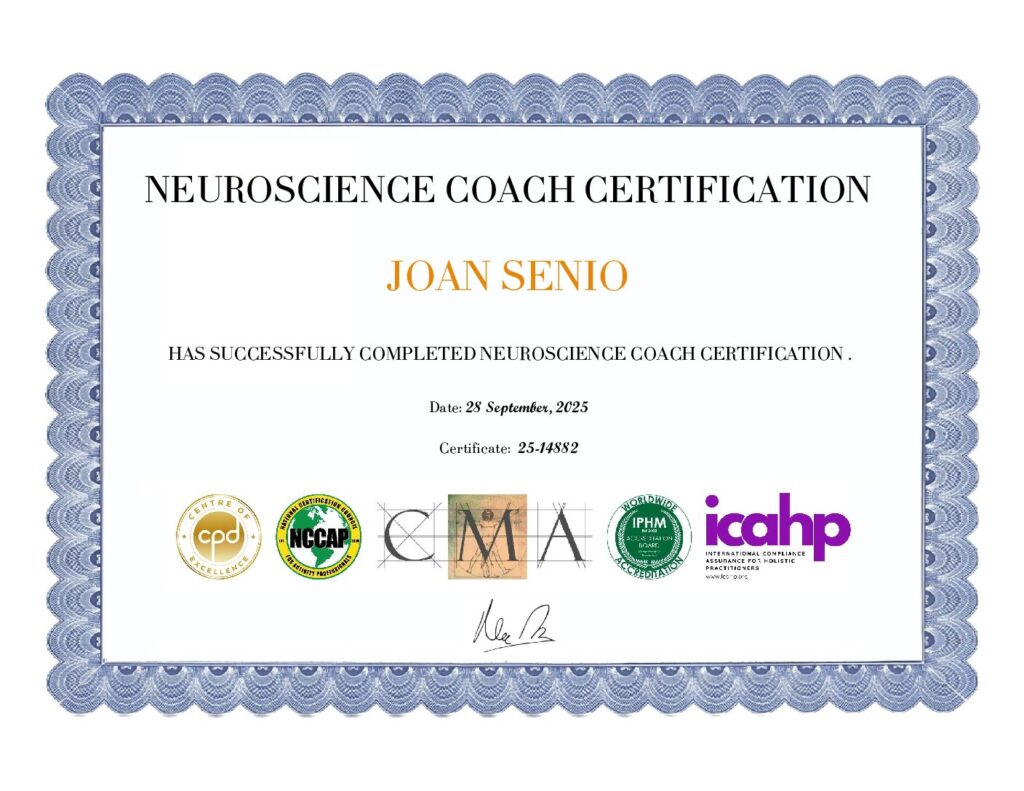
Joan Morabito Senio is the founder of Kindness-Compassion-and-Coaching.com. Joan’s career includes clinical healthcare plus 20+ years as an executive in a nationwide health care system and 15 years as a consultant. The common threads throughout Joan’s personal and professional life are a commitment to non-profit organizations, mental health, compassionate coaching, professional development and servant leadership. She is a certified Neuroscience Coach, member of the International Organization of Life Coaches, serves as a thought-leader for KuelLife.com and is also a regular contributor to PsychReg and Sixty and Me. You can read more about Joan here: Joan Senio.






One Response
Such valuable information here! I will be putting some things into action as I think, like a lot of people, I sometimes overlook mental self-care. Very helpful; thanks!