
Struggling to stand up for yourself can feel confusing and frustrating, especially when you know what you want to say but the words never seem to come out. Many people describe a moment of freezing, shrinking, or quickly agreeing just to keep the peace.
This experience is more common than you might think, and it has nothing to do with weakness or a lack of intelligence. It is usually the result of emotional patterns formed long before adulthood. When you grow up learning that your needs might cause conflict, disappointment, or rejection, your mind and body adapt by staying quiet. Over time, this becomes a familiar response that feels automatic.
This pattern also shows up when low self-worth or negative self-talk has been present for years. If you have learned to question your value or doubt your perspective, speaking up can feel risky. Your nervous system may interpret assertiveness as a threat, even when the situation is safe.
Understanding that you are responding in a way that once helped you feel protected is the first step towards improving your ability to stand up for yourself. With awareness and practice, you can learn new ways of expressing yourself that feel safe.

What It Really Means When You Can’t Stand Up for Yourself
When you find it difficult to stand up for yourself, it often means your internal sense of safety has been shaped by past experiences.
Assertiveness is not simply about confidence or communication skills. It is about feeling secure enough to express your needs without fearing the consequences. If you grew up in an environment where speaking up led to criticism, conflict, or emotional withdrawal, your mind learned that staying quiet was safer. These early lessons can follow you into adulthood, even when your current relationships are healthier.
Low self-esteem also plays a significant role. When you doubt your worth, it becomes harder to believe your needs are valid. This creates a cycle where you silence yourself to avoid discomfort, then feel frustrated or invisible afterward.
The nervous system reinforces this cycle by activating a freeze response during stressful conversations. You may feel your chest tighten, your thoughts scatter, or your voice disappear. None of this means you lack strength. It means your body is trying to protect you based on old information.
Recognizing this pattern helps you approach yourself with compassion and opens the door to learning new, more supportive ways of communicating.
Signs You Struggle to Stand Up for Yourself
Difficulty trying to stand up for yourself often shows up long before you realize it is a pattern. You may notice that you say yes when you want to say no, or you agree to things that leave you feeling drained or resentful. Many people describe a sense of pressure in their chest, a tightening in their throat, or a sudden rush of anxiety when they even think about expressing a need.
These reactions are not signs of weakness. They are signs that your nervous system has learned to protect you by keeping you quiet. When you have spent years trying to avoid conflict, disappointment, or rejection, silence becomes a familiar form of safety.
You might also find yourself apologizing for things that are not your responsibility or explaining your decisions in excessive detail. Some people feel responsible for managing other people’s emotions, so they stay agreeable to prevent discomfort. Others avoid difficult conversations entirely, even when something important is at stake.
Afterward, you may replay the moment in your mind, wishing you had spoken up. These experiences are common for people who struggle with low self worth, people pleasing, or fear of conflict. Recognizing these signs helps you understand that the challenge is not about capability. It is about emotional conditioning that can be unlearned.
Why You Can’t Stand Up for Yourself: The Real Root Causes
The inability to stand up for yourself rarely comes from a lack of desire. Most people want to express their needs clearly. The challenge comes from deeper emotional patterns that formed long before adulthood.
- One of the most common roots is early conditioning. If you grew up in an environment where being quiet, agreeable, or easygoing was praised, you may have learned that your needs were less important than keeping the peace. Children adapt quickly, and many carry these learned roles into adult relationships without realizing it.
- Fear of conflict is another powerful influence. When your brain associates disagreement with danger, your body reacts as if you are under threat. Even a simple conversation can trigger a freeze response that makes your voice disappear.
- People pleasing often develops as a survival strategy in environments where love or approval felt inconsistent. Staying agreeable becomes a way to maintain connection. Low self-esteem deepens this pattern by convincing you that your needs are inconvenient or unimportant.
- The nervous system plays a major role as well. If your body has learned to brace for criticism or rejection, it will shut down the moment you try to speak up. This reaction is not a personal flaw. It is a protective response based on old experiences.
Understanding these root causes helps you see that your struggle is not about strength or willpower. It is about emotional patterns that can shift with awareness, practice, and support.
How This Pattern Affects Your Life
Struggling to stand up for yourself affects far more than the moments when you stay quiet. It shapes the way you move through the world and influences your emotional well‑being, your relationships, and your sense of identity.
When you silence your needs repeatedly, you may begin to feel invisible or overlooked, even in relationships that matter to you. This can create a painful cycle where you give more than you have, hoping others will notice your effort, yet still feel unappreciated. Over time, this leads to resentment, exhaustion, and a growing sense that your needs are always secondary.
This pattern also affects decision making. When you doubt your right to speak up, you may defer to others even when you have a clear preference. This can make life feel like it’s happening to you rather than being shaped by you.
Many people describe a sense of emotional heaviness or burnout from constantly managing other people’s comfort while ignoring their own. These experiences reinforce low self worth and make it even harder to express yourself the next time.
Understanding the impact of this pattern helps you see that learning to stand up for yourself is not just about communication. It is about reclaiming your energy, your confidence, and your place in your own life.
How to Start Standing Up for Yourself
Learning to stand up for yourself begins with awareness. You cannot change a pattern you do not see.
Start by noticing the moments when you shrink back, over‑explain, or agree to something you do not want. These moments are information. They show you where your nervous system still believes silence is safer than honesty. When you observe these reactions without judgment, you create space for new choices. Small actions that rebuild self trust are especially powerful. Each time you honor a preference, even a small one, you teach your mind that your needs matter.
Clear, simple language can also help you feel more grounded. Short statements such as “That doesn’t work for me” or “I need time to think” allow you to express yourself without over‑explaining. Pairing these statements with body‑based grounding techniques can make assertiveness feel more accessible.
A steady breath, a relaxed jaw, or a grounded posture signals safety to your nervous system and helps your voice stay steady. Starting with low‑risk situations builds confidence gradually. As you practice, you begin to see that conflict is not danger. It is communication. And communication is something you can learn, strengthen, and trust within yourself.
When to Seek Support
There may come a point when trying to stand up for yourself feels too overwhelming to navigate alone.
If you notice that staying silent is affecting your relationships, your confidence, or your sense of identity, support can make a meaningful difference. Many people find that talking with a therapist or coach helps them understand the emotional patterns that keep them quiet. Support offers a space where your experiences are taken seriously and where you can explore your needs without fear of judgment. It also provides tools for calming your nervous system so you can stay present during difficult conversations.
Reaching out is a sign that you are ready for change. When you work with someone who understands the connection between self-worth, emotional safety, and assertiveness, you gain clarity and confidence more quickly. If you feel stuck, overwhelmed, or unsure where to begin, seeking support may be the next step toward reclaiming your voice.
Recommended Resources to Help You Build Confidence and Stand Up for Yourself
Learning to stand up for yourself becomes easier when you have resources that support both your emotional growth and your communication skills. Many readers find that pairing mindset shifts with structured exercises helps them break long‑standing patterns.
- One helpful resource is The Assertiveness Workbook by Randy Paterson. It offers practical exercises that teach you how to express your needs clearly and confidently.
- If your difficulty speaking up is rooted in low self-worth, The Self‑Esteem Workbook by Glenn Schiraldi provides step‑by‑step guidance for rebuilding a healthier sense of identity.
- For readers who struggle with boundaries, Set Boundaries, Find Peace by Nedra Glover Tawwab explains how to create limits without guilt or fear.
- Reflective journals can also help you track moments when you silence yourself and notice patterns in your thoughts and emotions.
Some people pair journaling with grounding tools such as breathwork apps or calming routines to support their nervous system during stressful conversations. Though these resources are not quick fixes, they are companions that help you build confidence, strengthen your voice, and create a more supportive relationship with yourself.
Your Voice Matters, and You Deserve to Use It
The struggle to stand up for yourself is challenging when you have acquired an unhealthy learned pattern shaped by past experiences, emotional conditioning, and a nervous system that has been trying to protect you.
Once you understand where this pattern comes from, you can begin to change it. Every moment of honesty, every boundary you set, and every time you choose your own needs reinforces the truth that your voice matters.
Take one step that supports your confidence today. You might choose to read a chapter from The Assertiveness Workbook, practice a simple boundary statement, or write down one moment when you honored your needs. Each action builds strength. Each action builds self-trust. And each action moves you closer to the version of yourself who speaks clearly, stands tall, and knows their worth.
If you are ready to begin, choose one supportive step right now. Your growth starts with a single decision to believe that your needs matter and that you deserve to be heard.
Thank you as always for reading.
Affiliate Disclosure: Some links in this post are affiliate links. As an Amazon Associate, we earn from qualifying purchases. Thank you for supporting Kindness-Compassion-and-Coaching.com at no extra cost to you.

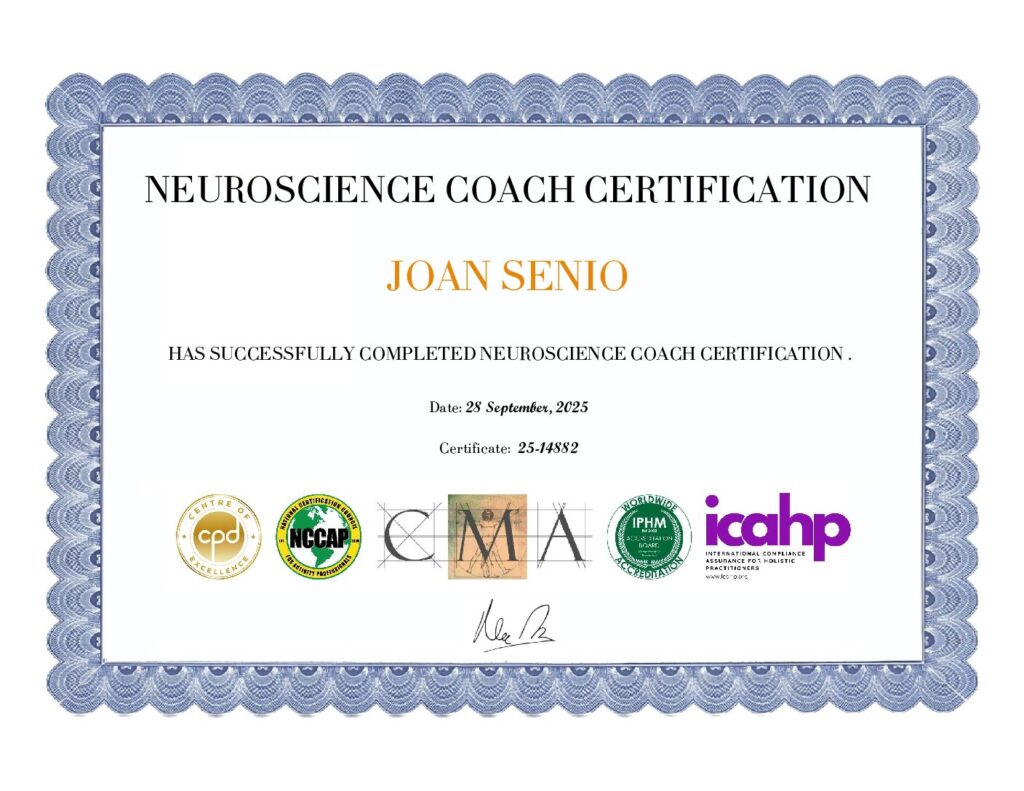
Joan Morabito Senio is the founder of Kindness-Compassion-and-Coaching.com. Having led and coached many throughout her 35+ year career, her focus is now on leveraging her experience to provide trauma-informed, compassionate coaching resources to support both individuals and coaching practitioners. She is a certified Neuroscience Coach, member of the International Organization of Life Coaches, serves as a thought-leader for KuelLife.com and is also a regular contributor to PsychReg and Sixty and Me. You can read more about Joan here: Joan Morabito Senio.





No Responses