

The term “narcissism” is often used to describe people who are self-absorbed or excessively concerned with their appearance or reputation. However, in psychology, narcissism is a more complex and nuanced concept. It refers to a personality type characterized by a sense of grandiosity, a need for admiration, and a lack of empathy for others. Those with narcissistic personality disorder (NPD) exhibit a range of symptoms that impact their interpersonal relationships and sense of self.
Symptoms of Narcissistic Personality Disorder (NPD)
Common symptoms include an inflated sense of their abilities, achievements or self-importance, a constant need for excessive admiration, as well as a sense of entitlement and expectation of special treatment or recognition.
People with NPD may lack empathy for others and demonstrate arrogant and haughty behaviors. Additionally, they may have a tendency to exploit others for personal gain and often have difficulties handling criticism or setbacks.
These symptoms can significantly impair their ability to establish and maintain healthy relationships. This may also lead to challenges in other areas.

They may also have a deep-seated need for attention and validation. It is possible they may gaslight or manipulate others to meet their own needs. At the same time, people with narcissistic traits may struggle with feelings of insecurity or worthlessness beneath their grandiose exterior.
They may fear rejection or criticism and may react defensively or angrily when their sense of self-importance is challenged.
Get Your Own Narcissism Recovery Workbook and Find More Useful Resources
Underlying Psychological Factors of Narcissism (NPD)
The causes of narcissism are complex and can vary from person to person. Some researchers suggest that genetics, environmental, psychological and neurobiological factors may play a role in predisposing certain people to develop narcissistic traits.
Early childhood experiences, such as excessive praise or criticism from caregivers, neglect, or unrealistic expectations, can contribute to the development of NPD as a way to cope with feelings of inadequacy or insecurity.
Other psychological theories propose that factors such as a fragile sense of self-worth, fear of rejection, or unresolved emotional trauma may also contribute to the development of narcissistic tendencies.
There is no one-size-fits-all approach to treating narcissism. Therapy can be helpful in helping those with narcissistic traits gain greater self-awareness. It may also help them to develop empathy for others.
In some cases, medication may also be prescribed to treat co-occurring mental health conditions such as depression or anxiety.
Find More Resources related to Therapeutic Techniques for Narcissism
Frequently Asked Questions: Narcissistic Personality Disorder (NPD)
1. What is NPD?
Narcissistic Personality Disorder is a mental health condition characterized by a pervasive pattern of grandiosity, a need for admiration, and a lack of empathy for others. Individuals with NPD often have an inflated sense of self-importance and may exhibit a sense of entitlement.
2. What are the common signs and symptoms of NPD?
Signs and symptoms of NPD may include a preoccupation with fantasies of success, power, beauty, or ideal love; a belief that they are special and unique; a need for excessive admiration; a sense of entitlement; exploitation of others; lack of empathy; and envy of others or a belief that others are envious of them.
3. What causes narcissism?
The exact cause of NPD is not fully understood, but it is believed to be the result of a combination of genetic, environmental, and psychological factors. Early childhood experiences, such as excessive pampering or excessive criticism, may contribute to the development of NPD.
4. Can NPD be treated?
While there is no specific medication to treat NPD, therapy, such as cognitive-behavioral therapy, can be beneficial in helping some with NPD manage their symptoms and improve their relationships. Those with NPD may be resistant to seeking treatment due to their lack of insight into their condition.
5. How does narcissism affect relationships?
NPD can significantly impact relationships, as those with this disorder often have difficulties in forming and maintaining healthy, reciprocal relationships. They may struggle with empathy and have a tendency to exploit others for their own gain, leading to conflicts, potential emotional abuse, and trust issues in relationships.
6. Can someone with narcissism change?
While change is possible, it is often challenging for individuals with NPD to recognize the need for change and to engage in the self-reflection and personal growth necessary for meaningful transformation. With appropriate therapy and support, some individuals with NPD may make progress in managing their symptoms and improving their relationships.
7. How can friends and family members support someone with NPD?
Supporting someone with NPD can be challenging, but it’s important for friends and family members to establish and maintain healthy boundaries, communicate openly and assertively, and seek support for themselves. Encouraging the individual to seek professional help and being patient and understanding can also be beneficial.
If you suspect that you or someone you know may be struggling with NPD, it is important to seek professional help from a qualified mental health professional. With the right support and resources, they can work towards managing their symptoms and leading fulfilling lives.
The Many Facets of Narcissism
Narcissistic Personality Disorder is a diagnosable personality disorder that profoundly affects a person’s sense of self. Understanding the psychology of narcissism can be helpful in developing more compassionate and effective ways of relating to those with these traits.
Additional Resources
12 Signs You are in Love with a Narcissist.
How to Set Boundaries with a Narcissist.
Thank you as always for reading.
Affiliate Disclosure: Some links in this post are affiliate links. As an Amazon Associate, we earn from qualifying purchases. Thank you for supporting Kindness-Compassion-and-Coaching.com at no extra cost to you.

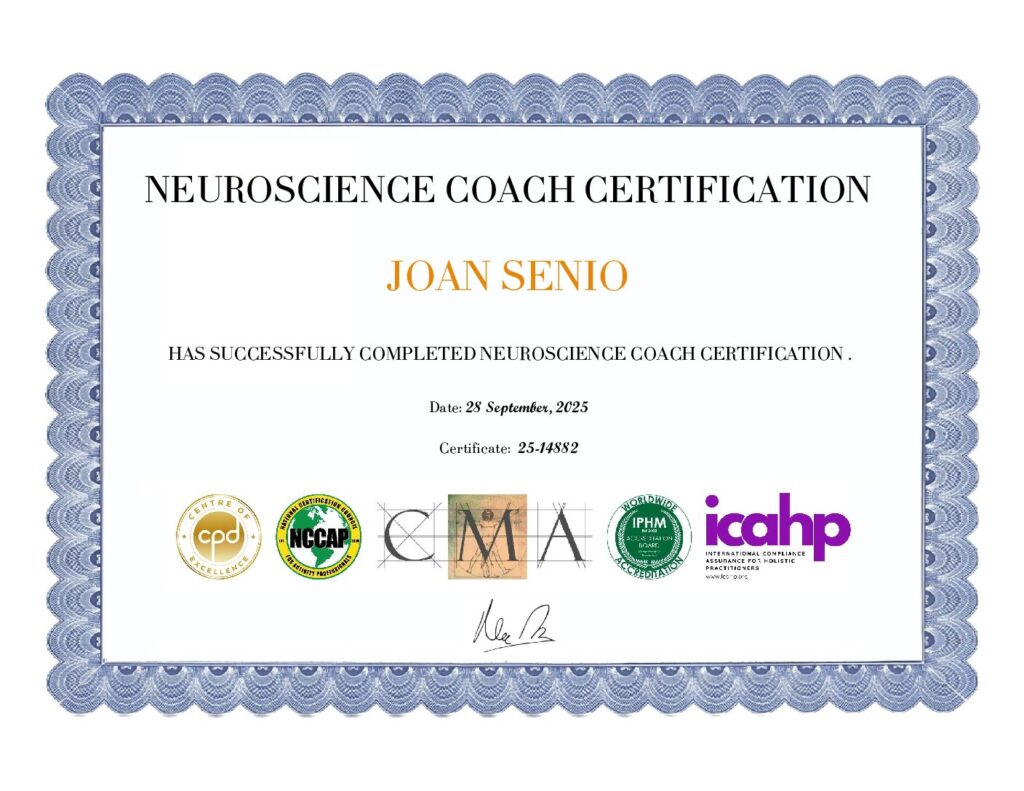
Joan Morabito Senio is the founder of Kindness-Compassion-and-Coaching.com. Joan’s career includes clinical healthcare plus 20+ years as an executive in a nationwide health care system and 15 years as a consultant. The common threads throughout Joan’s personal and professional life are a commitment to non-profit organizations, mental health, compassionate coaching, professional development and servant leadership. She is a certified Neuroscience Coach, member of the International Organization of Life Coaches, serves as a thought-leader for KuelLife.com and is also a regular contributor to PsychReg and Sixty and Me. You can read more about Joan here: Joan Senio.





No Responses