

Is your relationship starting to feel suffocating rather than supportive? Do you find yourself constantly questioning your partner’s actions? Or is your partner monitoring your every move? These signs of possessiveness and jealousy can gradually poison the love and trust in a relationship.
While it is natural for partners to feel some level of protectiveness towards one another, possessiveness can lead to issues such as control, isolation, and emotional abuse. It is essential to address the behavior and find ways to prevent it from escalating.
Today, we explore the impact of possessiveness on relationships and provide practical strategies to overcome its challenges.
The Destructive Nature of Possessiveness
Possessiveness, if left unaddressed, can poison even the strongest of relationships. It breeds insecurity, fosters mistrust, and creates an unhealthy power dynamic between partners. Constant questioning, monitoring, and controlling behavior not only suffocate the other person but also prevent the development of mutual respect and autonomy within the relationship
What Are the Signs of Possessiveness?
The first step in dealing with possessiveness is to recognize the signs of overly possessive behavior. These signs may include:
- Constantly texting or calling you to check your whereabouts
- Getting upset or jealous when you spend time with friends or family
- Wanting to track your every move or demanding access to your social media and phone
- Becoming angry or suspicious if you converse with strangers
- Making unreasonable demands or ultimatums that restrict your freedom
- Refusing to listen to your needs or opinions
If you notice any of these signs in your partner, it’s time to take action.
What Causes Possessiveness?
In relationships, possessiveness can often be a complex and challenging issue. It stems from a deep-seated fear of losing someone and can manifest as jealousy, controlling behavior, or excessive monitoring. While a certain degree may seem attractive, it becomes detrimental when it starts to erode trust, restrict personal freedom, and hinder the growth of both people.
It is key to delve into the underlying causes to address the issue effectively. In most cases, possessiveness arises from deep-seated insecurities, past traumas, or a fear of abandonment. Identifying these root causes can help both partners empathize with each other’s experiences and find healthier ways to address their concerns.
How to Deal with Possessiveness: Communicate Clearly
The next step is to communicate your feelings to your partner clearly and firmly. It is key to express how their behavior makes you feel. You must also set boundaries for what you are willing to tolerate.
Use “I” statements such as “I feel uncomfortable when you check my phone without my permission” rather than blaming statements like “You are too controlling.” It is also important to explain why their behavior is problematic and what effects it has on the relationship.

How to Deal with Possessiveness: Set Boundaries
Establishing clear boundaries is vital to ensure a healthy balance between personal space and togetherness. Both partners should discuss and agree upon boundaries, respecting each other’s need for privacy and personal time. This allows for a sense of freedom and independence within the relationship, reducing feelings of possessiveness.
To learn more about how to set healthy boundaries, visit:
How to Spot a High Maintenance Person in a Flash!
How to Deal with Possessiveness: Nurture Trust
Trust is the foundation of any strong relationship, and overcoming possessiveness requires a concerted effort from both partners. Trust can be built through transparency and honesty, and this can help alleviate possessive behavior. Open and honest communication is essential to establish trust, as it helps address insecurities and fears.
Regularly expressing feelings, concerns, and expectations creates an environment of transparency, fostering a deeper understanding between partners.
Encourage Independence and Autonomy
Encourage your partner to engage in their own hobbies and interests outside of the relationship. This will show your partner that they can rely on themselves for fulfillment. Healthy relationships thrive on personal growth and individual autonomy. It is critical for both partners to have their own interests, hobbies, and social lives outside the relationship.
Encouraging and supporting each other’s personal goals and aspirations helps foster a sense of independence and reduces dependency, thereby mitigating possessiveness.

Stay Safe and Seek Professional Help if Necessary
If your partner’s possessive behavior is severe, it might be necessary to seek professional help from a therapist or counselor. A professional can help both you and your partner identify the root cause of the behavior. A trained therapist can guide you towards creating healthy boundaries and resolving any possessive tendencies, leading to a stronger and more fulfilling relationship.
Couples therapy can also be an effective way to improve the relationship and prevent possessive behavior from escalating.
If your partner’s behavior becomes abusive or violent, it is essential to prioritize your safety and seek help. No one has the right to control or harm you. Reach out to a trusted friend, family member, or domestic violence hotline for support and guidance. It is also important to create a safety plan and take necessary precautions to protect yourself.
Frequently Asked Questions about Possessiveness
1. What is possessiveness in a relationship?
Possessiveness in a relationship refers to a partner’s desire to control or dominate the other person, often stemming from feelings of insecurity or fear of losing them. This can manifest in behaviors such as monitoring the other person’s activities, isolating them from friends and family, and exhibiting jealousy over interactions with others.
2. Is possessiveness normal in a relationship?
Some degree can be normal in a relationship, as it can stem from a natural desire to protect and prioritize your partner. However, when it becomes excessive and starts to infringe on the other person’s autonomy and freedom, it can be detrimental to the relationship.
3. How can I differentiate between healthy and unhealthy possessiveness?
Healthy relationships involve caring for and prioritizing your partner without crossing the boundaries of trust and respect. Unhealthy relationships, on the other hand, involve controlling behaviors, jealousy, possible emotional abuse and a lack of trust in the other person. It is important to communicate openly with your partner to establish boundaries and ensure that both parties feel respected and valued in the relationship.
4. What are the consequences of possessiveness in a relationship?
Excessive possessiveness can lead to a variety of negative consequences in a relationship, including increased jealousy, resentment, lack of trust, and emotional distress. It can also result in the erosion of individuality and independence within the partnership, leading to feelings of suffocation and unhappiness.

5. How can I stop being possessive in my relationship?
If you or your partner exhibit signs of this behavior, it is essential to address the issue openly and honestly. Communication is key, as it allows both parties to express their concerns, set boundaries, and work towards a healthier dynamic. Seeking the support of a therapist or counselor can also be beneficial to building a stronger, more trusting relationship.
How to Overcome Possessiveness
Possessiveness in relationships is a common topic that often sparks debates and discussions among couples. While some degree can be normal and even healthy in a relationship, an overly possessive nature can lead to issues like feelings of jealousy, insecurity, and control.
Dealing with an obsessed partner can be challenging, but it is essential to address the behavior and take necessary steps to prevent it from escalating to save your relationship. Recognizing the signs, communicating clearly and firmly, seeking professional help, encouraging independence and trust, and prioritizing your safety are all ways to deal with an overly possessive partner.
A healthy relationship is built on mutual respect, trust, and freedom. Possessiveness can be a challenging obstacle to overcome, but with understanding, empathy, and effective communication, it is possible to navigate and learn to trust. By addressing the root causes, building trust, encouraging personal growth, and setting boundaries, couples can create a healthier, more balanced dynamic.
Additional Resources:
Overly Controlling Partner? How to Spot a Toxic Relationship
How to Escape a Controlling Spouse Before It’s Too Late
Emotional Abuse: How to Find Your Way Towards Healing
Thank you as always for reading.
Affiliate Disclosure: Some links in this post are affiliate links. As an Amazon Associate, we earn from qualifying purchases. Thank you for supporting Kindness-Compassion-and-Coaching.com at no cost to you.

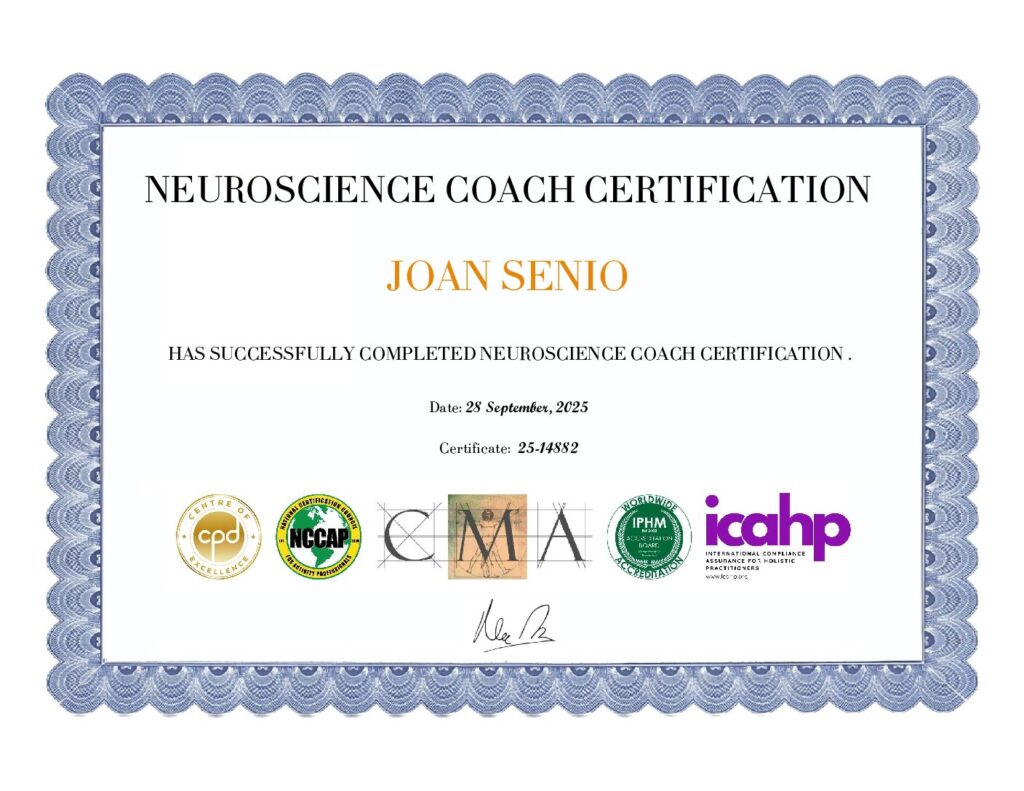
Joan Morabito Senio is the founder of Kindness-Compassion-and-Coaching.com. Joan’s career includes clinical healthcare plus 20+ years as an executive in a nationwide health care system and 15 years as a consultant. The common threads throughout Joan’s personal and professional life are a commitment to non-profit organizations, mental health, compassionate coaching, professional development and servant leadership. She is a certified Neuroscience Coach, member of the International Organization of Life Coaches, serves as a thought-leader for KuelLife.com and is also a regular contributor to PsychReg and Sixty and Me. You can read more about Joan here: Joan Senio.






No Responses