
Have you reached a point in life where you know the stories you were handed about what relationships are supposed to look like were not exactly accurate? Many of us grew up believing that the most meaningful and healthy relationships would feel cinematic; full of perfect compatibility, romance, effortless harmony, or friendships that never faltered. Movies, books, and social media have also taught us to expect intensity, certainty, and constant emotional highs.
But real life and real relationships aren’t like that.
The relationships that truly sustain us rarely hinge on dramatic moments or flawless connection. What matters most is how we feel when we’re actually with those other people in our lives and whether they help us to feel safe, understood, valued, and able to be ourselves without performing or shrinking.
Healthy relationships thrive in this form of connection, not in the headier, more extreme interactions we may have learned to expect.
Our Relationships Differ
There are relationships that make us feel like we can finally exhale, and others that create a subtle tightening we can’t quite name. Some friends feel steady and warm, while others leave us replaying conversations and questioning our own reactions. Romantic partners can draw out a version of ourselves we’re proud of, or they can pull us into patterns that feel unfamiliar and unsettling. Even the people we work alongside can influence how safe, valued, or worthy we feel.
The impact of this emotional variability is profound because when our sense of worth feels unsteady, we begin to shift our very identity, depending on who we’re with.
And We Often Differ Within Them
In my own life, this showed up as confidence with one person and hesitation with another. I could be open in one relationship and guarded in the next. Sometimes I felt deeply connected, and other times I felt like I was stepping into a role I never agreed to play. This was a reflection of learned patterns, porous boundaries, and the subtle ways I had been taught to earn closeness.
Over time, I realized I was shape‑shifting to match the preferences of whoever stood in front of me. I showed up with different identities, traits, and behaviors. If someone had asked me what the authentic version of myself stood for, or what she would no longer tolerate, I wouldn’t have known how to answer. The realization that I couldn’t clearly articulate who I really was stopped me in my tracks.
This toolkit is for anyone arriving at a similar awareness. It’s for those who want to understand what healthy relationships truly look like, why some connections nourish while others drain, and how to begin restoring balance, boundaries, and emotional steadiness. Most of all, it’s for anyone ready to move toward a more grounded, genuine, and authentic way of relating; one that doesn’t require shrinking, performing, or shape‑shifting to feel worthy of connection.

Understanding Healthy Relationships
Healthy relationships are not reserved for people who grew up with flawless examples to follow. No matter our history or the patterns we inherited, sound relationships become possible when we begin to understand ourselves within the connections we create.
This takes awareness and courage, and the willingness to look honestly at how we relate to others while still offering ourselves compassion. It also requires us to begin to notice how we communicate, how we protect our wellbeing, how we seek reassurance, and how we respond when someone crosses a line we didn’t realize we had.
Healthy relationships are not perfect. They are grounded in a steady commitment to emotional safety, mutual respect, and acceptance. They feel dependable rather than dramatic, and they allow you to express needs without fear, disagree without losing connection, and grow without being punished for changing.
In healthy relationships, individuality and closeness coexist without competing. You feel seen, valued, and respected not only in calm moments but also when tension arises, because the relationship can hold both comfort and conflict without collapsing.
How Unhealthy Relationships Differ
Unhealthy relationships often carry a kind of emotional fog.
You may find yourself questioning your worth, stifling your voice to avoid tension, or working far harder than the other person to keep the connection intact. Sometimes the imbalance is subtle, appearing in small dismissals or inconsistencies that seem harmless at first but accumulate until you no longer feel steady. Other times the imbalance is unmistakable, surfacing as manipulation, withdrawal, or volatility that leaves you bracing for the next shift in mood.
Attachment patterns shape much of this experience. If love felt unpredictable in your early life, you may chase reassurance in ways that exhaust you. If closeness once felt overwhelming, you may retreat the moment someone gets too near to you. These responses are learned adaptations – protective strategies that made sense at one time but now interfere with the healthy relationships you want to build. The encouraging truth is that these learned patterns can be understood and healed.
Awareness is the turning point. When you begin to recognize your emotional patterns, you gain the ability to choose relationships that support your wellbeing and to alter your commitment to those that don’t. Understanding yourself is the first step toward creating the connections that you are truly worthy of.
Core Principles of Healthy Relationships
Healthy relationships rest on a handful of core principles that quietly shape the way two people connect.
The first is self‑awareness. When you understand your needs, triggers, and emotional patterns, you can speak from honesty rather than defensiveness. You begin to recognize when your reactions come from old wounds instead of the moment unfolding in front of you, and that awareness changes everything.
The second principle is communication. Healthy communication is not about flawless wording. It’s about intention, tone, and timing. It creates space for both people to be heard without fear of punishment or dismissal. When communication becomes murky or reactive, even strong relationships begin to strain under the weight of misunderstanding.
The third principle is boundaries. Boundaries are not threats or ultimatums. They are expressions of what protects your emotional wellbeing. They clarify what supports connection and what erodes it. When boundaries are present, resentment has less room to grow, and self‑abandonment becomes far less likely.
The fourth principle is conflict. Conflict is inevitable in any meaningful relationship, but it does not have to be destructive. When conflict becomes a path to understanding rather than a battlefield for blame, relationships deepen. Emotional regulation helps you stay grounded in these moments so you can respond thoughtfully instead of reacting from fear or frustration.
The fifth principle is power dynamics. Healthy relationships maintain balance. When one person dominates, coerces, or controls, emotional safety disappears. Repair becomes possible only when both people acknowledge harm and commit to change with sincerity and consistency.
Together, these principles form the architecture of healthy relationships; the structure that allows trust to grow, connection to deepen, and both people to feel safe enough to be fully themselves.
Healthy Relationships Across Connection Types
Healthy relationships take shape differently depending on the connection, yet each one reveals something essential about how we relate to others.
- Romantic relationships often bring our attachment patterns to the surface with striking clarity.
- Friendships influence our emotional wellbeing in ways that can be subtle yet profoundly shaping.
- Parental relationships carry long histories and layered dynamics that follow us into adulthood.
- Extended family relationships can shape our sense of identity, belonging, and even stress.
Understanding the nuances within each type of relationship helps you navigate them with more confidence and compassion.
Romantic Relationships
Romantic relationships thrive when trust, communication, and emotional reciprocity are present. In healthy romantic dynamics, both partners can express needs without fear, approach conflict with curiosity, and maintain individuality even within closeness. When attachment patterns emerge, they can create anxiety, avoidance, or confusion, but recognizing these patterns allows you to respond with awareness rather than instinct.
Trust sits at the center of healthy romantic relationships. Betrayal wounds deeply, yet repair is possible when accountability and empathy coexist. Emotional intimacy invites closeness without erasing personal identity. When a romantic relationship ends, grief and uncertainty often follow. Healing requires compassion for yourself and the courage to rebuild self‑worth.
Healthy romantic relationships begin with choosing partners who honor your boundaries, respect your needs, and show up consistently.
Friendships
Friendships can shape our emotional lives as deeply as romantic relationships. Healthy friendships feel reciprocal, supportive, and energizing. They allow you to be yourself without fear of judgment. Draining friendships leave you depleted or unseen, often in ways that are difficult to articulate.
As life evolves, friendships naturally shift, and some connections fade while others strengthen. When a friendship becomes one‑sided, conflict can arise without romantic stakes but with equal emotional weight. Letting go of long‑standing but unhealthy friendships is painful, yet it is sometimes necessary for growth. Rebuilding social confidence after disappointment means trusting that new, healthier connections are possible.
Healthy friendships honor boundaries, communicate openly, and adapt to change without resentment.
Parental Relationships
Parental relationships carry a unique emotional gravity. Healthy parental relationships offer safety, validation, and support. When parents are emotionally immature, inconsistent, or critical, children often internalize patterns that follow them into adulthood.
Healing from these dynamics begins with recognizing that parental limitations are not reflections of your worth. Guilt, obligation, and loyalty can complicate adult relationships with parents, making boundaries feel disloyal even when they are essential. But setting boundaries with parents is an act of self‑respect, not rejection.
Breaking generational patterns means learning to reparent yourself by offering the care, validation, and consistency that may have been missing earlier in life. Healthy parental relationships allow adult children to maintain autonomy while preserving connection.
Extended Family Relationships
Extended family systems function like ecosystems, with each role influencing the others. Healthy extended family relationships maintain respect, balance, and emotional clarity. When triangulation, favoritism, or scapegoating appear, emotional safety begins to erode.
Holidays and family gatherings often amplify stress, bringing old wounds to the surface. Cultural expectations can add pressure to conform, even when conformity compromises wellbeing. In some cases, low‑contact or no‑contact decisions become necessary.
Healthy extended family relationships honor boundaries, respect individuality, and allow space for change.
Recognizing Harm in Relationships
Relationship harm rarely appears all at once. Sometimes it arrives disguised as small dismissals, subtle inconsistencies, or moments when your needs are minimized. These experiences can accumulate until you begin to feel unsteady without fully understanding why. Other times harm is unmistakable, showing up as control, coercion, emotional volatility, or patterns that leave you bracing for the next shift in mood.
Harm can take many forms. Emotional manipulation can make you question your instincts. Gaslighting distorts your sense of reality, leaving you unsure of your own perceptions. Stonewalling creates emotional starvation, where connection is withheld as a form of punishment or avoidance. Love bombing overwhelms you with affection that later disappears, creating cycles of confusion and dependency. Passive‑aggressive behavior erodes trust by communicating frustration indirectly rather than honestly. In some relationships, financial control or emotional dependency can trap you in loops of conflict and reconciliation that never truly resolve.
There are other forms of harm that are less often named but equally impactful:
- Chronic inconsistency can make you feel unsafe even when the relationship appears calm on the surface.
- Dismissive humor or “jokes” at your expense can chip away at your confidence.
- Silent treatment can create fear around expressing needs.
- Excessive criticism can reshape your self‑image.
- Boundary‑pushing can leave you feeling responsible for someone else’s emotions.
- Relational unpredictability (where affection and withdrawal alternate without explanation) can make you feel like you’re constantly trying to earn stability.
Recognizing harm is not about assigning blame. It is about becoming aware of what your nervous system has been navigating, often for far longer than you realized. Awareness is the first step toward healing, because once you can name what is happening, you can begin choosing relationships that support your wellbeing rather than undermine it.
Tools for Building Healthy Relationships
Healing relationship harm requires more than insight; it requires for practical tools that help you rebuild steadiness from the inside out.
- One of the most powerful starting points is learning how to articulate your limits with clarity. Boundary scripts give you language that feels calm and confident, especially when you’re still learning how to protect your emotional space.
- Clarifying your values reconnects you to what matters most, helping you make choices that align with your wellbeing rather than old patterns.
- Emotional regulation practices help you stay centered when you’re triggered, allowing you to respond thoughtfully instead of reacting from fear or urgency.
- Communication templates can offer structure during difficult conversations, especially when you’re navigating conflict or trying to repair trust.
- Reflection exercises illuminate the patterns that repeat across your relationships, revealing the deeper themes that shape how you connect.
Intersections of Attachment, Boundaries and Self-Worth
As you begin to map your relational patterns, you may notice how attachment, boundaries, and self‑worth intersect in ways you hadn’t seen before. This kind of mapping can help you understand why certain dynamics feel familiar, why some boundaries feel harder to set, and why particular relationships activate old wounds.
Decision-Making Frameworks
Decision‑making frameworks can support you as you evaluate whether a relationship can be repaired, needs to be restructured, or has reached a point where stepping away is the healthiest choice. Practices rooted in self‑compassion remind you that healing is not linear. Some days you will feel strong and clear; other days you may feel pulled back into old habits. This ebb and flow is part of the process, not a sign of failure.
New Relationship Skills
Healing also involves learning new relational skills. You might practice assertive communication, so your needs are expressed without apology or explore grounding techniques that help you regulate your nervous system during conflict. You might work on rebuilding trust in yourself; trust that you can set boundaries, trust that you can walk away from harm, trust that you can choose relationships that honor who you are becoming.
Over time, these tools create a foundation that allows healthy relationships to grow through consistent, intentional effort rather than hope or emotional endurance.
Reconnecting with Your Own Worth
Most importantly, healing invites you to reconnect with your own worth. When you begin to see yourself clearly, you naturally gravitate toward relationships that feel respectful, reciprocal, and emotionally safe. You stop tolerating harm and stop shrinking to maintain peace. You stop abandoning yourself to preserve connection. Instead, you begin building relationships that reflect the person you are and the person you are becoming.
When to Seek Support
There are times when relationship challenges stretch beyond what personal insight or self‑help tools can resolve. Patterns may feel entrenched, conversations may circle without progress, or the emotional weight of the relationship may begin to interfere with daily life. In these moments, therapy becomes an essential form of support.
A skilled therapist can help you untangle long‑standing dynamics, understand attachment wounds, and rebuild a sense of steadiness that may have been eroded over time. Support groups can offer community and validation, reminding you that you are not alone in your experience. Trusted friends or mentors can provide perspective when confusion clouds judgment, helping you see the relationship from angles that are difficult to access on your own.
Serious Relationship Challenges
Some relationship challenges involve deeper layers of harm. Emotional coercion, intimidation, or patterns of control can create environments where clarity becomes difficult and safety feels compromised. In situations involving abuse, manipulation, or escalating volatility, legal or safety considerations may arise. Knowing how to ask for help becomes essential. Reaching out reflects strength, not weakness, and it signals a commitment to your wellbeing even when the path forward feels uncertain.
Other Complicating Factors that May Warrant Support
There are also other forms of distress that deserve support. Chronic anxiety within a relationship, persistent self‑doubt, or the sense that you are losing parts of yourself can be just as destabilizing as overt conflict. Feeling responsible for someone else’s emotions, walking on eggshells, or carrying the emotional load of the relationship alone can leave you depleted in ways that require more than self‑reflection to heal. In these cases, talking with a therapist or a trusted professional can help you reconnect with your own voice and rebuild the internal boundaries that protect your emotional health.
Seeking support is an act of self‑respect. It is a recognition that some relational patterns are too heavy to carry alone and that healing often requires connection with people who can offer clarity, steadiness, and guidance. If you want to explore this further, you may wish to read more about how to talk to a therapist about relationship concerns.
Moving Forward with Healthy Relationships
Moving forward means choosing your next step with intention rather than urgency.
Some relationships can be rebuilt through mutual effort, where both people are willing to acknowledge harm, repair trust, and create new patterns. Others may need to be restructured so the connection can exist without draining your emotional reserves. And in certain situations, creating distance or ending the relationship entirely becomes the healthiest and most self‑respecting choice. Moving forward is not about giving up; it is about choosing the path that protects your wellbeing.
Rebuilding your identity after relationship harm often involves rediscovering who you are outside of the dynamic that hurt you. You may find yourself relearning what you enjoy, what you value, and what you will no longer tolerate, or you may notice how much of yourself you had muted, reshaped, or hidden to maintain connection.
Healing invites you to reclaim the parts that felt too loud, too needy, too honest, or too inconvenient for the relationship you were in. This rediscovery is the re-emergence of a more grounded, authentic one.
Healthy relationships begin within you. They grow from awareness, boundaries, and emotional honesty. They take shape when you trust your perceptions, honor your limits, and allow yourself to expect reciprocity. You are allowed to expect respect, emotional safety, and consistency. And you are allowed to step away, without apology, from dynamics that diminish you, confuse you, or require you to abandon yourself to maintain peace.
Frequently Asked Questions about Healthy Relationships
What are healthy relationships? Healthy relationships are built on emotional safety, mutual respect, and consistent communication. They allow both people to grow without fear.
How do I know if a relationship is unhealthy? Unhealthy relationships leave you drained, confused, or diminished. If you feel unsafe expressing needs that is a strong sign a relationship is unhealthy.
Can attachment patterns change? Attachment patterns are adaptable. With awareness and boundaries, your nervous system can learn new ways of relating.
Why do I feel guilty setting boundaries? Guilt often appears when you were taught that care means compliance. Healthy boundaries protect connection and wellbeing.
Is conflict a sign of an unhealthy relationship? Conflict is inevitable; what matters is how it unfolds. Healthy conflict seeks understanding rather than punishment.
How do I rebuild trust after betrayal? Trust can be rebuilt when accountability and empathy align. Healing requires time and consistent behavior.
What if my family relationships feel overwhelming? Family dynamics can be complex; boundaries or distance may be necessary to protect emotional safety.
When should I seek outside support? Seek support when patterns feel entrenched, when confusion persists, or when safety is at risk.
A Compassionate Closing
Healthy relationships are not built overnight. They take shape slowly, through awareness, courage, and the willingness to choose yourself even when that choice feels unfamiliar or uncomfortable.
Healing may begin in the moment you recognize a pattern, in the breath you take before responding, in the boundary you set even though your voice trembles. Over time, these small acts of self‑alignment become the foundation for relationships that feel steadier, kinder, and more reciprocal.
As you grow, you are allowed to expect reciprocity and protect your peace. You are allowed to walk away from dynamics that diminish your worth or require you to shrink to maintain connection. Healthy relationships do not demand self‑abandonment, nor do they punish your needs or your growth. They make room for your voice, boundaries, and evolving identity.
Healing begins with the awareness and understanding to name what has hurt you and what you need moving forward. It continues with boundaries that protect your emotional wellbeing and reinforce your sense of self, and it expands through connection that honors who you are becoming, not just who you have been.
When you choose relationships that reflect your worth, you create a life where safety, respect, and authenticity are not exceptions but expectations.
When you’re ready, we suggest you continue your work by exploring Attachment Patterns & Relationships: How to Create Healthy Connections as well as other resources located in the Relationships and the Self-Worth categories. You may also wish to take an active approach to assess your current relationships to determine who is worthy of your continued effort, energy and caring.
You may also wish to refer to our comprehensive assertiveness guide titled How to Stand Up for Yourself Starting Now.
Thank you as always for reading.

Joan Morabito Senio is a coach and former clinical and executive leader with over 35 years of experience helping people overcome challenges, grow, and achieve their full potential. She created Kindness‑Compassion‑and‑Coaching.com to provide free coaching resources to individuals and coaches and anyone interested in pursuing personal growth.
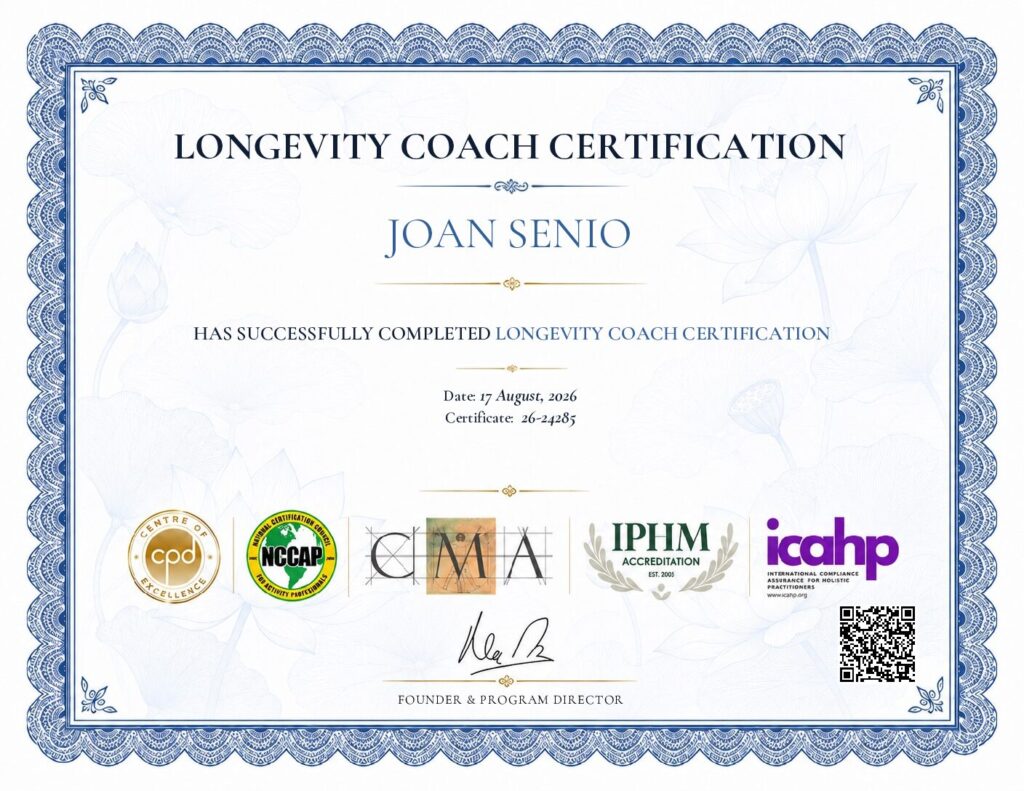
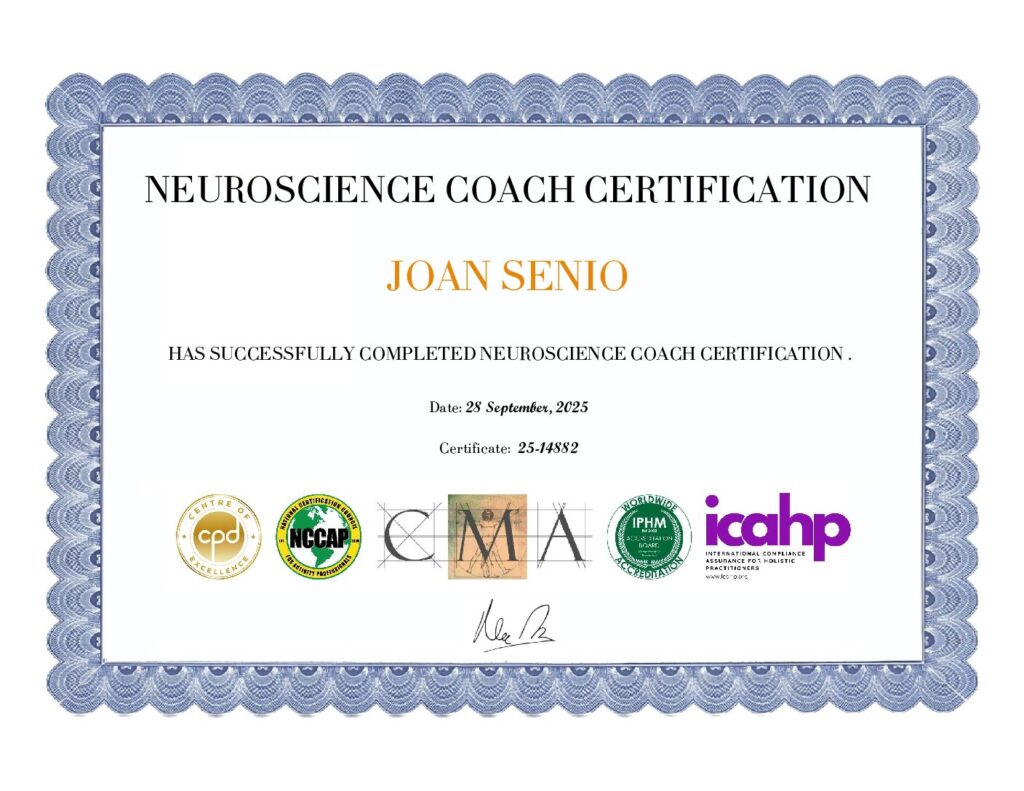
As a certified neuroscience coach and member of the International Organization of Life Coaches, Joan blends science‑based insight with heart‑centered guidance to help others rise above old patterns and step into their most authentic selves. She is committed to supporting those ready to grow, take ownership of their next chapter, and transform their lives from the inside out.
*Some links in this post are affiliate links. That means that we may receive a small commission at no cost to you when you purchase anything via one of these links. These commissions help us keep Kindness-Compassion-and-Coaching.com a free resource, as they help to cover website expenses. Thank you for your support.



No Responses