

Personal growth for a fulfilling life begins with a clear, compassionate intention: not to chase an ideal, but to shape daily habits that reflect what matters most. Today, we share practical steps and resource you can use right away to help you clarify your values, design manageable goals, and building simple routines that protect your time and attention so personal growth will feel sustainable and aligned with your deepest priorities.
Read on to turn insight into action and create a personal growth plan that actually fits your life.
Table of Contents
- Keys to Happiness and Fulfillment: Personal Growth Areas to Explore
- Increased Self-Awareness
- Emotional Intelligence
- Resilience
- Communication Skills
- Stronger Bonds
- Healthy Boundaries
- Professional Success
- Goal Setting
- Your Step‑by‑Step Guide to Personal Growth
- Your Quick implementation checklist
- Personal Growth Quotes to Help You Stay Motivated
- Frequently Asked Questions
- Cultivate a Fulfilling Life Today
- Additional Personal Growth Resources
Keys to Happiness and Fulfillment: Personal Growth Areas to Explore
The search for happiness often feels like a long, winding road filled with twists and turns. Have you ever wondered why some people seem genuinely happy, while others struggle? Personal growth and personal development are often the heart of this difference.
Today, we explore why personal development and growth are essential to a fulfilling life. We also uncover why nurturing our inner selves is the key to unlocking a life filled with true happiness, peace and meaning.

Increased Self-Awareness
Personal growth fosters improved and increased self-awareness. Self-awareness involves understanding ourselves on a deeper level. This includes thoughts, emotions, motivations, and actions. Improving it helps us to be happier and more content for many reasons. For example:
- By being self-aware, we can better identify our strengths and weaknesses. This allows us to make more informed decisions and set realistic goals that align with our values and desires.
- When we are self-aware, we are more prone to invest time in honest self-reflection. This promotes a greater sense of control over our life and improved coping mechanisms.
- Self-awareness also fosters authenticity and genuine connections with others.
- By cultivating self-awareness, we can also develop a stronger sense of self-acceptance. This is a fundamental component of lasting happiness and fulfillment.
Research shows that higher self-awareness corresponds to greater life satisfaction, with studies indicating that 95% of high achievers engage in self-reflection (Source: Harvard Business Review).
Learn How to Cultivate Self-Awareness for a Better Life
Improved Emotional Intelligence
Personal growth enables development of our emotional intelligence, which involves recognizing and managing our emotions and understanding those of others.
- Enhancing emotional intelligence enables us to navigate our emotions effectively and manage interpersonal relationships with empathy and understanding.
- Emotional intelligence enables us to better recognize and regulate our own emotions. This leads to increased self-control and resilience.
- Heightened emotional intelligence informs effective communication, conflict resolution, and collaboration with others.
- The ability to understand and empathize with oneself and others fosters a deeper sense of connection and social support.
- Improving emotional intelligence also leads to a more contented state of mind.
Those with higher emotional intelligence are 70% more likely to also experience career success (Source: TalentSmart).
Learn How to Assess Your Own Emotional Intelligence Now

Enhanced Resilience
Personal growth helps us become more resilient, including being able to bounce back from challenges. Life inevitably includes obstacles, but those who cultivate resilience are better equipped to handle them. Meaningful change, personal growth and success rarely occur on our first attempt at something new, so enhanced resilience is essential to achieving personal growth.
- Enhanced resilience helps us to navigate adversity and bounce back from setbacks with strength and determination.
- It also allows us to adapt to difficult situations, learn from challenges, and cultivate a sense of hope and optimism.
- Becoming more resilient helps us to better cope with stress, manage our emotions, and maintain a positive outlook on life.
- Resilient people are more adept at seeking support from others, problem-solving effectively, and finding meaning or growth in challenging experiences.
- By building resilience, we cultivate empowerment, confidence, and inner strength, all essential components of lasting fulfillment.
Personal Growth is Essential to Meaningful Relationships: Improved Communication Skills
Effective communication is the foundation of any successful relationship. And successful relationships are key to happiness.
By honing our communication skills, we learn to express ourselves authentically, share our thoughts and emotions, and understand others’ perspectives, fostering mutual understanding and empathy. This, in turn, leads to more harmonious and fulfilling relationships, as we can better navigate conflicts, express our needs, and build trust and intimacy with others.
Strong relationships provide a source of support, companionship, and joy. They also contribute to well-being as they provide us with a sense of connection and belonging.
Learn How to Improve Your Communication Skills: A Key to Life Success

Stronger Bonds
Personal growth fosters empathy and understanding, which deepens relationships. This is demonstrated by research that concluded that couples who engage in personal development activities report higher satisfaction in their relationships.
Personal growth can also strengthen bonds by fostering mutual understanding, empathy, and support:
- As we focus on our personal growth, we often become more self-aware, empathetic, and emotionally mature, enabling us to better understand our own needs, boundaries, and aspirations.
- This self-awareness can lead to improved communication. We become better able to express our thoughts and emotions, listen to and understand the needs of our partners, and navigate conflicts constructively.
- Personal growth can lead to improved adaptability which allows us to weather challenges more effectively and provide support to our partners during difficult times.
- As we evolve and pursue personal development, we can inspire and encourage our partners to do the same. This creates a dynamic of growth and mutual empowerment.
Ultimately, personal growth can lead to greater depth and fulfillment in relationships, as both partners support each other’s individual journeys while growing together.
Learn More about Attachment Styles (and Discover Your Own!) to Improve Your Relationships
Healthy Boundaries
Personal growth plays a critical role in enhancing our ability to set boundaries effectively, as it fosters self-awareness, self-worth, and assertiveness. Boundaries enable us to establish healthy dynamics in relationships while maintaining our well-being and cultivating mutual respect.
Through personal growth, we become more attuned to our own emotions and desires, us to articulate boundaries with confidence and clarity. Clear and well-defined boundaries allow us to communicate needs and limits to our partners, leading to a more balanced and fulfilling connection.
As we develop a deeper understanding of ourselves and our values, we become more adept at recognizing when our boundaries are being tested or compromised. This helps us become better at asserting and defending our boundaries constructively.

Personal Growth is Essential to Achieving Professional Success
Personal growth directly impacts our workplace performance and success. In fact, it has been shown that those who prioritize self-improvement are 50% more likely to advance in their careers. Investing in personal growth can be instrumental in achieving professional goals:
- As we focus on personal development, we often acquire valuable skills such as self-discipline, resilience, and effective communication.
- By continuously seeking opportunities for learning and improvement, we enhance our problem-solving abilities, creativity, and adaptability.
- Personal growth can also lead to increased confidence, self-awareness, and emotional intelligence. These qualities often contribute to effective leadership and strong interpersonal relationships with colleagues and clients.
- As we invest in personal growth, we may also discover new passions, strengths, and areas of expertise that align with our professional aspirations.
By prioritizing personal growth, we can unlock our full potential, expand our opportunities, and propel ourselves toward achieving our professional goals with confidence and purpose.

Goal Setting is Critical to Personal Growth and Development
Goal setting is an essential component of the personal growth and development process, as it provides a clear roadmap for self-improvement and a sense of direction in life.
By setting specific, achievable personal growth goals, we can focus our efforts, measure our progress, and stay motivated during our personal growth journey.
Whether it’s mastering a new skill, cultivating healthy habits, or pursuing a dream career, goals act as catalysts for growth, pushing us to step out of our comfort zones and strive for continuous improvement.
Goal setting and working towards our personal growth goals cultivates resilience, discipline, and a growth mindset, laying the foundation for a fulfilling and purpose-driven life.
Learn about the Evidence-Based Benefits of Positive Thinking and How to Hit Goals Now
Your Step‑by‑Step Guide to Personal Growth
1. Clarify what “fulfilling” means for you
Define fulfillment in concrete terms by listing the roles, relationships, and activities that matter most. Write a short values statement of 3-5 core values and a one‑sentence vision of how you want to feel and show up in each role. Values act as a compass for decisions and priorities, making it easier to choose goals that actually increase meaning. Evidence shows that aligning daily actions with personal values supports long‑term wellbeing.
Explore Values-Based Goal Setting: Learn How to Set Purpose Driven Goals
2. Audit your life honestly
Map your current week across key domains: work, relationships, health, learning, and leisure. For each domain, note one thing that energizes you and one that drains you. Use a simple 2×2 grid labeled “Keep / Reduce” to decide what to preserve and what to cut back. This audit reveals low‑effort swaps that free time and attention for what matters most. Habit formation research emphasizes starting small and removing friction to sustain change.
3. Translate values into 90‑day goals
Choose 1-3 focused goals for the next 90 days that directly reflect your values. Make each goal SMART: specific, measurable, achievable, relevant, and time‑bound. Break each goal into weekly milestones and daily actions. Short cycles like 90 days create urgency while allowing iteration, and they align with evidence‑based approaches to sustainable personal growth.
4. Design a weekly plan that protects progress
Create a weekly template with three fixed elements: a weekly priority, three daily actions, and a weekly review slot. Schedule the actions at consistent times to leverage context cues. Use a single page or app for visibility and habit tracking. Habit trackers and weekly reviews increase accountability and help you spot patterns before they become entrenched.
Check Out our Favorite Habit Trackers!
5. Build keystone habits first
Identify one keystone habit that will produce outsized benefits across domains, such as 20 minutes of focused reading, a short morning movement routine, or a nightly reflection practice. Start with tiny versions of the habit such two minutes of reading or five minutes of movement and increase gradually. Small, consistent wins compound into identity change, which is the most durable form of growth.
6. Use tools that reduce friction
Choose tools that make the desired behavior easier: a guided values journal for structured reflection, a weekly planner with habit trackers for visibility, and erasable pens for low‑stakes experimentation. Keep tools simple and portable so you can use them anywhere. When tools match the action, you remove excuses and increase the likelihood of follow‑through.
7. Track progress with a lightweight system
Track only what matters. Use a single habit tracker or a weekly checklist and review it every Sunday. During the weekly review, ask three questions: What worked? What didn’t? What one adjustment will I make next week? This short ritual keeps momentum and prevents plans from becoming static documents. Data from simple tracking systems helps you make evidence‑based adjustments.
8. Build accountability and community
Share your 90‑day goals with one trusted person or join a small group with similar aims. Accountability partners increase adherence and provide perspective when motivation dips. Community also supplies social reinforcement and practical tips that accelerate learning. Peer feedback and shared rituals are powerful levers for sustained change.
9. Practice reflective rituals to sustain meaning
End each day with a two‑minute reflection: note one thing you did that aligned with your values and one small lesson. Once a month, write a longer reflection on progress and recalibrate goals if needed. Reflection converts experience into learning and keeps your plan responsive to life’s changes. Research links regular reflection and gratitude practices to improved wellbeing and resilience.
10. Iterate and protect your identity
Treat your plan as a living experiment. If a strategy isn’t working after two cycles, tweak it rather than abandoning the goal. Reinforce identity statements such as “I am someone who prioritizes learning” through repeated small actions. Identity‑based change makes habits stick because actions become expressions of who you are, not just tasks to complete.
Personal Growth: Your Quick implementation checklist
- This week: Complete a values statement and a one‑week audit.
- Next week: Set one 90‑day goal and schedule three daily actions.
- Ongoing: Do a 10‑minute weekly review and one monthly reflection.
- Tools to try: guided values journal; weekly planner with habit trackers; erasable pen set.*
*Affiliate disclosure: Some of our links are affiliate links. If you purchase through them, the site may earn a small commission at no extra cost to you. These commissions help us to keep Kindness-Compassion-and-Coaching.com 100% free to all readers.
Personal Growth Quotes to Help You Stay Motivated
No matter how smoothly our growth progresses, it’s helpful to have words of wisdom to fall back on. We’ve collected some of our favorite quotes that reflect the undeniable connection between personal growth and happiness.
“Happiness is not a goal; it is a by-product of a life well-lived.” – Eleanor Roosevelt
“Personal growth is not a matter of chance but a matter of choice.” – Stephen Covey
“Personal growth is the greatest predictor of happiness there is. If we get better, we are happier.” – Brendon Burchard
“Happiness is when what you think, what you say, and what you do are in harmony.” – Mahatma Gandhi
“Life is growth. If we stop growing, technically and spiritually, we are as good as dead.” – Morihei Ueshiba
“Happiness is letting go of what you think your life is supposed to look like and celebrating it for everything that it is.” – Mandy Hale
“The biggest adventure you can ever take is to live the life of your dreams.” – Oprah Winfrey
Frequently Asked Questions about Personal Growth and Fulfillment
What is personal growth and development?
Personal growth and development involve the continuous process of self-improvement, learning, and expanding our skills, knowledge, and experiences. It encompasses various aspects of life, such as emotional intelligence, relationships, career goals, and well-being.
How does practicing personal growth lead to a fulfilling life?
By pursuing growth and development, we challenge ourselves to step out of our comfort zones, confront limiting beliefs, and strive for constant improvement. This proactive approach to self-discovery and self-improvement increases self-awareness, confidence, and provides a deeper sense of purpose, ultimately contributing to a more fulfilling and meaningful life.
What are the benefits of investing in growth and development?
Developing self-awareness can enhance emotional resilience, improve relationships, and boost overall well-being. Setting and achieving personal goals can lead to a sense of accomplishment and fulfillment. Continuous learning and self-improvement help individuals better adapt to challenges, cope with change, and navigate life’s ups and downs more easily.
How can one start their growth journey?
We are so glad you asked. A growth journey starts with introspection and setting clear goals. We’ve put together a detailed guide that maps out the entire process of developing a growth plan including strategies, tips and highly recommended resources to facilitate your journey.

Is personal development a one-time achievement, or is it an ongoing process?
Personal growth is a lifelong process of self-discovery, learning, and evolution. Adopting it as a continuous practice allows us to adapt to new circumstances, evolve, and unlock our full potential over time. It’s not just about achieving success or reaching external milestones; it is about embracing a journey of self-discovery, continuous learning, and personal evolution, and embracing a personal development plan as an ongoing part of your life.
Are you ready to embark on this journey towards unlocking your full potential and living your best life?
Personal Growth is Essential: Cultivate a Fulfilling Life Today
Have we convinced you that growth is essential for a fulfilling life? It boosts happiness, strengthens relationships, and enhances professional success. By prioritizing growth and making a personal growth plan, you’ll not only improve your well-being but also unlock your true potential.
Additional Personal Growth Resources
There’s no need to work to achieve personal growth. We’ve mapped out the entire process required to make a personal growth plan for you. It’s all yours, and it’s available below. Your progress begins today, with one simple decision – to get started.
How to Build a Personal Development Plan Now
Thank you as always for reading.
P.S. Check out our recommended collection of personal growth books to further enhance your development.
If you haven’t yet subscribed, please enter your email address so you never miss a post.
Affiliate disclosure: Some of our links are affiliate links. If you purchase through them, the site may earn a small commission at no extra cost to you. These commissions help us to keep Kindness-Compassion-and-Coaching.com 100% free to all readers.

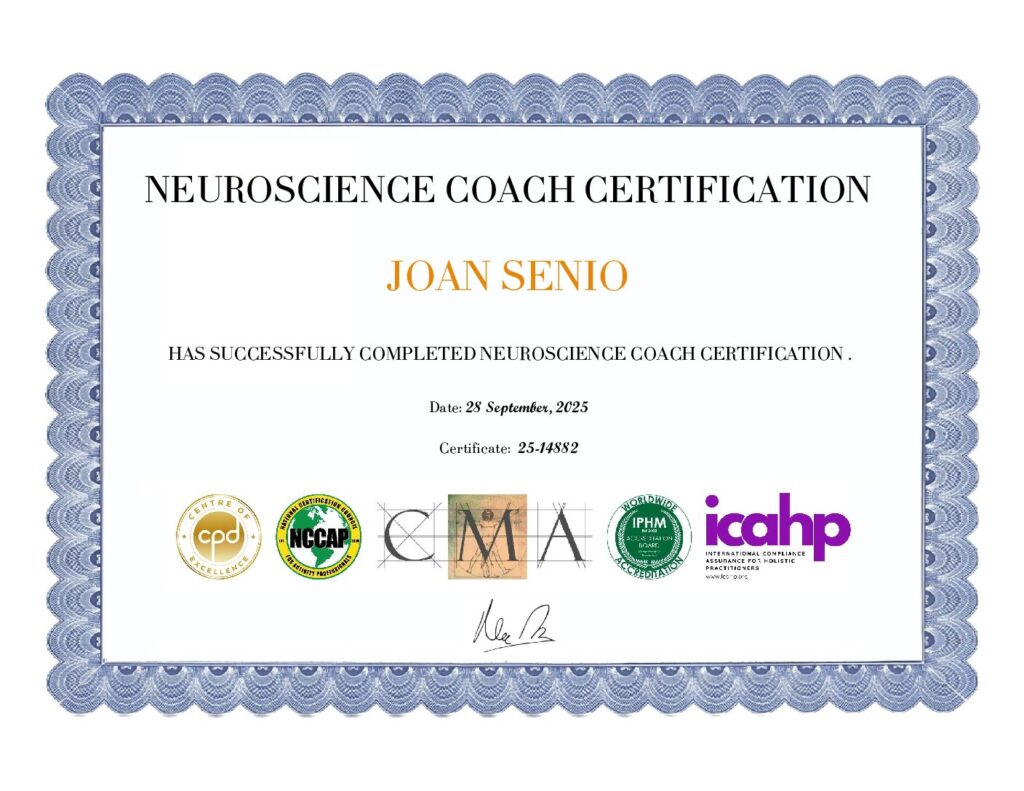
Joan Morabito Senio is the founder of Kindness-Compassion-and-Coaching.com. Joan’s career includes clinical healthcare plus 20+ years as an executive in a nationwide health care system and 15 years as a consultant. The common threads throughout Joan’s personal and professional life are a commitment to non-profit organizations, mental health, compassionate coaching, professional development and servant leadership. She is a certified Neuroscience Coach, member of the International Organization of Life Coaches, serves as a thought-leader for KuelLife.com and is also a regular contributor to PsychReg and Sixty and Me. You can read more about Joan here: Joan Senio.

One Response
My most recent blog post—and the last for 2024—focuses on self-reflection and setting up personal growth for the coming new year. It’s important to reflect on the areas, behaviours, and relationships that we need to work on in order to keep moving forward. This was a really encouraging read; thanks for sharing!