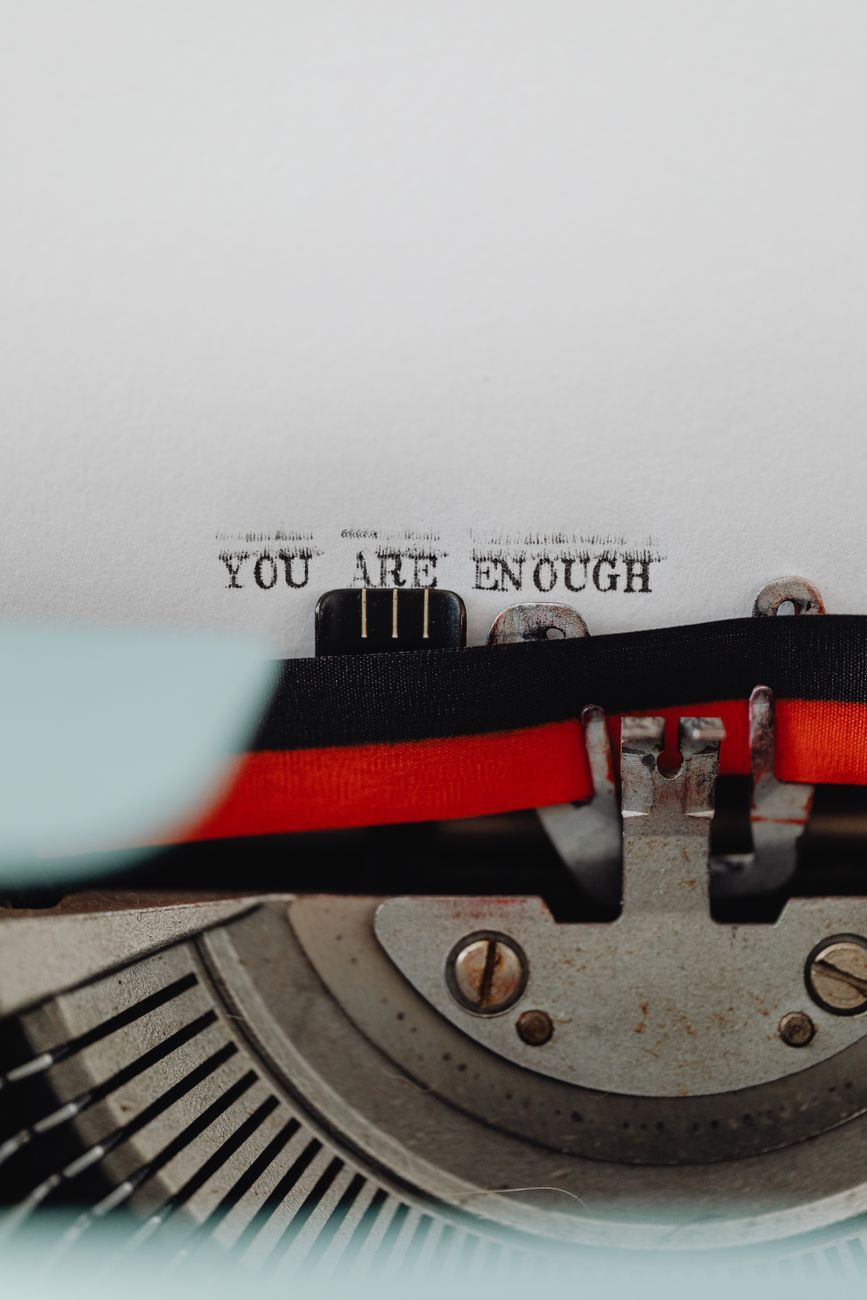
Many of us ask the question “Why do I feel like I’m not good enough?” We search for answers because this belief affects our confidence, relationships, and the ability to trust ourselves.
Often, the thought that we are not good enough is putting words to a feeling that began long before adulthood. It can form through early emotional experiences, repeated criticism, inconsistent affection, or moments when we learned to measure our worth through performance rather than inherent value.
These experiences shape core beliefs that influence how we interpret our life today.
This belief can also be reinforced by comparison, perfectionism, and the pressure to meet expectations that were never realistic. When the nervous system has learned to stay alert for mistakes or disapproval, even small challenges can feel like proof that we are falling short.
Understanding this pattern is the first step toward changing it. The feeling is real, but it is not a reflection of our actual worth. It is a learned emotional response that can be unlearned with awareness, compassion, and practice.

Why Do I Feel Like I’m Not Good Enough? Low Self‑Worth & Negative Self‑Talk
Low self‑worth often develops gradually, shaped by the messages you absorbed about yourself and the roles you learned to play in order to feel accepted.
When someone grows up without consistent emotional support or validation, the mind fills in the gaps with explanations that feel logical at the time. These explanations often sound like self‑blame. Over time, they become the foundation of a belief that you must work harder, be better, or prove yourself to earn connection.
Soon, the notion that you are not good enough becomes a persistent message in the background of your thoughts.
Negative self‑talk strengthens this belief by reinforcing old emotional narratives. The inner critic becomes familiar, even when it is harsh. It tells you that you are falling behind, that others are doing better, or that you should have figured things out by now. This voice is not truth. It is a reflection of past experiences that taught you to doubt yourself.
When you begin to notice this voice rather than automatically believing it, you create space for a different internal dialogue.
Feeling not good enough is often a sign that your nervous system has been carrying emotional weight for a long time. It is a pattern that can shift as you learn to recognize your worth, rebuild trust in yourself, and create a more supportive inner environment.
To learn more, you may also wish to explore the Kindness-Compassion-and-Coaching.com Self-Esteem series.
Why Do I Feel Like I’m Not Good Enough? Signs You’re Struggling
Feeling not good enough often shows up in subtle patterns long before you realize the belief is shaping your daily life.
These patterns can appear in your thoughts, your relationships, and the way you respond to stress. Many people notice a constant sense of pressure to perform or prove themselves, even when no one is asking for perfection. You might find yourself replaying conversations, worrying about how others see you, or feeling responsible for keeping the peace.
These reactions are often rooted in low self-worth and the long-term impact of negative self-talk.
You may also notice a tendency to shrink back from opportunities because the fear of falling short feels heavier than the desire to try. Some people experience emotional withdrawal when they feel overwhelmed, while others push themselves harder in an attempt to outrun the belief that they are not enough.
These patterns are learned responses that developed to help you feel safe and accepted. Recognizing them is an important part of understanding why this belief feels so persistent.
The Real Reasons You Feel Like You’re Not Enough
The belief that you are not good enough usually forms through repeated emotional experiences that shape how you see yourself.
Many develop this belief in childhood when affection, attention, or approval felt inconsistent. When a child receives mixed messages about their worth, the mind creates explanations that feel protective at the time. These explanations often become the foundation of low self-worth in adulthood.
Past relationships can also reinforce this belief. If you learned to earn connection by being agreeable, helpful, or self-sacrificing, it can create a pattern where your needs feel secondary.
Over time, this leads to a sense that you must work harder than others just to be accepted. Trauma and chronic stress can deepen this pattern by keeping the nervous system in a state of alertness. When your body is bracing for criticism or rejection, even small challenges can feel like confirmation that you are falling short.
Modern comparison culture adds another layer. Constant exposure to curated images and achievements can make it easy to believe that everyone else is doing better. This environment strengthens negative self-talk and makes the inner critic feel louder. None of these influences reflect your true worth. They are learned emotional imprints that can be understood and changed with awareness and support.
How the Belief that You’re Not Good Enough Shapes Your Daily Life
Feeling not good enough influences far more than your thoughts. It affects the way you move through the world and the choices you allow yourself to make.
Many notice that low self-worth creates hesitation in moments that require confidence. You may hold back from opportunities because the fear of being judged feels stronger than the desire to grow. This belief can also create tension in relationships because it becomes difficult to trust that others value you without conditions. When negative self-talk is active, even positive feedback can feel unearned.
This pattern often shows up in the body as well. A nervous system that has learned to expect criticism stays alert for signs of rejection. This can lead to exhaustion, irritability, or a sense of emotional heaviness that lingers throughout the day.
Over time, the belief that you are not enough becomes a filter that colors your experiences. It influences how you interpret challenges, how you respond to conflict, and how you see your place in the world. Understanding this impact helps you recognize that the belief is not harmless. It shapes your life in ways that deserve attention and care.
How to Begin Healing the Not Good Enough Story
Healing begins when you start noticing the belief rather than automatically accepting it as truth.
When you pause and observe the thought instead of merging with it, you create space for a different internal experience. This shift allows you to see that the belief is a learned pattern rather than an accurate reflection of your worth.
Rebuilding self-trust happens through consistent actions that show your mind and body you are capable and deserving. These actions do not need to be dramatic; they simply need to be substantial enough to create new emotional associations.
Self compassion plays an important role in this process. When you replace harsh internal language with supportive language, the nervous system begins to relax. This creates room for new beliefs to take root.
Boundaries also support healing because they protect your energy and reinforce the message that your needs matter. When you honor your limits, you strengthen your sense of worth. Over time, these practices help you shift from self-doubt to self-respect. The belief that you are not good enough begins to fade as you build a more grounded relationship with yourself.
Feeling Not Good Enough: When to Seek Support
There are moments when the belief that you are not enough feels too heavy to work through alone.
If this feeling affects your relationships, ability to function, or sense of identity, support can make a meaningful difference. Speaking with a therapist or coach provides a space where your experiences are understood and validated. This kind of support helps you explore the origins of low self-worth and develop new ways of relating to yourself. It also offers tools for calming the nervous system so that emotional healing feels possible rather than overwhelming.
Are you ready for change? Many find that having a supportive guide helps them move through old patterns more quickly and effectively. If you notice that negative self-talk is constant or that the belief of not being enough is interfering with your daily life, it may be time to connect with someone who can walk with you through the process.
Support can help you see yourself with more accuracy and compassion, which is often the turning point in healing.
Recommended Resources to Support Healthy Self Esteem
Building healthy self esteem becomes easier when you have tools that reinforce the work you are doing.
Many find that pairing mindset shifts with structured practices helps them move from low self-worth toward a more grounded sense of identity.
Books and workbooks can offer concrete guidance as you learn to soften negative self-talk and strengthen your relationship with yourself. When you engage with resources that speak directly to your experience, the belief that you are not good enough begins to lose its power.
- One resource that supports this process is The Gifts of Imperfection by Brené Brown. Readers often describe it as a turning point because it helps them understand how shame and comparison shape the belief that they are falling short.
- Another supportive option is Self-Compassion by Kristin Neff. Her work explains how a kinder internal voice can shift the nervous system out of constant alertness and into a state where healing becomes possible.
- Many people also benefit from The Self Esteem Workbook by Glenn Schiraldi. Its structured exercises help you rebuild self-trust by challenging old beliefs.
If you prefer a more reflective approach, guided journals can help you track patterns in your thoughts and emotions. They create space to notice when negative self-talk appears and how it influences your choices.
FAQ: Understanding Why We Feel Not Good Enough
What causes me to believe that I’m not good enough? This belief usually develops through repeated emotional experiences. Many internalize early messages from childhood, past relationships, or environments where approval felt conditional. Over time, these experiences shape core beliefs that influence how you see yourself. The feeling is learned, not inherent, and it can change with awareness and support.
Is feeling not good enough a sign of low self-worth? Yes. Low self-worth often shows up as a persistent sense of falling short, even when there is no evidence that you are doing anything wrong. It is a common emotional pattern that many people experience, especially when negative self-talk has been present for a long time.
Why do I compare myself to others so much? Comparison becomes a habit when you have learned to measure your value through external standards. Social media, perfectionism, and past experiences with criticism can make comparison feel automatic.
How does negative self-talk affect my confidence? Negative self-talk strengthens the belief that you are not enough by repeating old emotional narratives. When the inner critic becomes the dominant voice, it shapes how you interpret your abilities and your worth. This pattern can make it difficult to trust yourself, take risks, or accept positive feedback.
Can trauma make me feel like I’m not good enough? Trauma can create long lasting emotional imprints that influence how you see yourself. When the nervous system stays alert for rejection or criticism, even small challenges can feel like confirmation that you are falling short. This response is a protective pattern that formed during overwhelming experiences, and it can be altered with support.
How can I start improving my self esteem? Improving self-esteem begins with noticing the belief rather than accepting it as truth. Small actions that build self-trust, supportive internal language, and consistent boundaries all help shift the emotional patterns that keep you stuck. Many people find that pairing these practices with structured resources such as workbooks accelerates progress.
When should I seek help for low self-worth? It may be time to seek support if the belief that you are not enough affects your relationships, your ability to function, or your sense of identity. A therapist or coach can help you understand where the belief came from and guide you through the process of building healthier self-esteem. Reaching out is a sign of strength and readiness for change.
You Were Never the Problem
The belief that you are not good enough did not begin with you. It was shaped by experiences, expectations, and emotional patterns that taught you to question your worth.
When you begin to understand where this belief came from, you create the possibility of choosing something different. Healing requires presence, awareness, and a willingness to take small steps that honor who you are becoming.
You deserve to feel grounded in your own value and you deserve relationships that reflect your worth. You also deserve a life that is not shaped by fear of falling short.
If you are ready to take the next step, choose one supportive action today. You might begin reading The Gifts of Imperfection, start a practice from The Self Esteem Workbook, or make a commitment to regularly set aside a few minutes to write in a journal about moments when you feel capable and strong.
You may also wish to refer to our assertiveness guide titled How to Stand Up for Yourself Starting Now.
Each action reinforces the truth that you are worthy of care and growth.
Your well-being and self-esteem matter. The belief that you are not enough can shift, and you have the power to begin that shift right now.
Thank you as always for reading.
Some links in this post may be affiliate links. That means that we may receive a small commission at no cost to you when you purchase anything via one of these links. These commissions help us keep Kindness-Compassion-and-Coaching.com a free resource, as they help to cover website expenses. Thank you for your support.



No Responses