

Today, we invite you to meet an inner voice that you may not have heard of. We’ve all heard of the inner critic: that irritating, rude, bossy voice that tells us we’re not worthy, not able, not good enough. She scolds us, belittles us, encourages self-doubt, undermines our self-worth, and ultimately, damages our self-esteem.
Fortunately, we have another voice deep within us that is even more powerful, and she is just waiting to be heard.
We call that voice “the inner protector”. It belongs to a practical, compassionate ally that we can begin to cultivate, immediately. Just as soon as we learn to quiet the inner critic that often drowns her out.
This article is part of a series. To start from the beginning, visit How to Build Healthy Self-Esteem: Introduction to the Self-Esteem Series.

The Inner Protector: Core Concepts
The inner protector is the steady, compassionate part of us that notices real danger, soothes distress, and helps us respond with care and self-compassion rather than shame.
Unlike the inner critic, whose urgency often echoes past threats, the inner protector evaluates the present with curiosity and wisdom. She asks what we need, sets limits, and cultivates healing and repair when things go wrong.
Nurturing this ally is central to our healthy self‑esteem.
The inner protector recognizes that our worth is grounded in self-respect and resilience, not praise for performance or other forms of external approval.
Once we locate our inner protector and allow her to lead, our mistakes become opportunities for learning. Boundaries become reasonable acts of self-compassion.
And our inner voice shifts from punishment to guidance, creating the emotional and psychological safety that allows confidence and self‑trust to grow.
Overcome the Inner Critic to Find Self-Compassion
Prioritizing our inner protector shifts our inner leadership from punishment to nurturing.
When the inner protector leads, motivation comes from a desire to keep ourselves safe and whole while growing rather than from fear of failure or rejection.
This creates room for self‑trust, realistic risk‑taking, and kinder self‑correction.
The inner protector also helps us set compassionate boundaries, soothe distress without escalation, and treat mistakes as lessons rather than proof of worthlessness.
Over time, these habits build a resilient sense of value that doesn’t depend on perfection or external approval.
How the Inner Protector Shows Up
The inner protector often arrives quietly. She can encourage us to care for ourselves in powerful ways, such as setting a boundary when we’re stretched thin, taking a calming breath when anxiety spikes, or helping us to perform a realistic assessment that separates present risk from past fear.
You may recognize the impact of your inner protector in everyday moments.
She may help you to pause before reacting or ask yourself a compassionate question after a mistake. Or she may enable you to find the willingness to try again with a clearer plan.
These are all practices that reinforce healthy self‑esteem.
The inner protector does not erase or stamp out the inner critic. Instead, the inner protector offers an alternative script: one that soothes, repairs, comforts, and guides you toward wise action, helping you move from self‑punishment to steady self‑support.
How to Beat the Inner Critic & Cultivate the Inner Protector
Repeatable practices that invite the inner protector into everyday moments can help you to cultivate this powerful ally. These may include a brief grounding breath before responding, a hand‑to‑heart pause to check in with your own needs, and a compassionate phrase you can say when the inner critic rises.
It will help to name your protector. Give her a voice and image that is steady. Ask her one simple question if and when you feel unsettled: “What do I need to feel safe right now?”
Use short rituals after setbacks, such as a calm acknowledgement of what happened, a corrective action (even tiny), and a moment of self‑forgiveness. These repairs teach your nervous system that mistakes are manageable and worth learning from.
Practice boundary rehearsals aloud or in writing so the inner protector learns how to hold limits with kindness, and pair these habits with gentle exposure to feared situations so protection doesn’t become avoidance.
Over time, these practices strengthen the inner protector’s default responses and create the conditions for healthy self‑esteem, a steady sense of worth that tolerates imperfection and invites growth.
Inner Critic and Inner Protector: Coaching and Therapeutic Integration
Cultivating the inner protector is often most effective when paired with coaching or therapeutic support that helps translate inner shifts into real‑world change.
Techniques like imagery, role‑play, or two‑chair work can accelerate the inner protector’s development. These can help make her voice clearer and provide opportunities to practice holding boundaries. Somatic practices can help anchor calming signals in the body.
Coaches and therapists can also help identify when the inner protector is leaning toward over‑safety or rigidity and help you to develop a balanced plan that includes values‑based action and graduated risk‑taking.
If your inner critic is tightly bound to trauma, or if attempts to cultivate the inner protector trigger overwhelming distress, that’s a cue to seek trauma‑informed care.
With skilled support, the inner protector can be strengthened safely, and healthy self‑esteem can be rebuilt on a foundation of compassion, competence, and real safety.
Case Vignettes
Example A: Maya faces a familiar rush of shame before presentations; her inner critic tells her she’s incompetent and must avoid risk. When she learns to invite her inner protector (a steadying voice that offers a simple plan and a calming breath) she pauses, names the need (“I need clarity, not perfection”), and uses a short grounding routine before speaking.
The result is a calmer presence that lets her share ideas and recover from stumbles, strengthening healthy self‑esteem through repeated, manageable successes.
Example B: Jamal receives blunt feedback at work and immediately wants to withdraw. Practicing with his protector, he first acknowledges the sting, then asks, “What boundary would keep me safe and connected?”
He chooses a brief clarifying response and a follow‑up plan, which preserves dignity, models self‑respect, and teaches him that setbacks can be navigated, another step toward steady healthy self‑esteem.
The Inner Critic and the Inner Protector: Navigating Common Pitfalls
Cultivating the inner protector is powerful, but it can go awry if misunderstood. Some people mistake avoidance for protection and retreat from growth, while others let a new inner protector become rigid or controlling in the name of safety.
Another risk is trying to “fix” the critic too quickly, forcing cheerfulness or bypassing grief can leave underlying needs unmet.
To avoid these traps, it is useful to pair protector practices with exposure to challenges, monitor for avoidance patterns, and consider what the protector is trying to prevent.
If the protector’s strategies feel extreme or if old wounds resurface intensely, seek trauma‑informed support so the work can proceed safely.
When balanced with openness and skilled guidance, the protector becomes a wise ally that reliably supports healthy self‑esteem without shutting down growth.
How to Beat Your Inner Critic and Tap Your Inner Protector
Your inner protector is a steadying presence that notices what’s real, soothes distress, helps you overcome self-doubt, and encourages you to act with care rather than shame.
Rebuilding healthy self‑esteem is not about silencing the critic; it’s about giving the protector repeated chances to lead.
Each repair, boundary, and compassionate check‑in rewires your inner leadership so worth becomes rooted in self‑respect and resilience. Trust the process: consistency matters more than intensity.
Call to action: three simple next steps
- Try one practice today. Pause for one slow breath before responding to a stressful email and ask your protector, “What do I need to feel safe right now?”
- Name and notice. Give your protector a name or image and notice when that voice appears; write one sentence about what it offered after a difficult moment.
- Practice one repair. After a perceived mistake, do a short repair ritual: acknowledge what happened, choose one corrective action (even tiny), and offer yourself a compassionate phrase.
Do one of these for a week and notice how your responses shift. If you want accountability, share your intention with a friend or in a coaching session.
Recommended resources*
- Self‑Compassion. Kristin Neff, Ph.D. A foundational guide to the science and practice of self‑compassion.
- The Mindful Self‑Compassion Workbook. Kristin Neff & Christopher Germer. Practical exercises to build compassionate inner habits.
- The Inner Critic Workbook. Shawn Costello Whooley (and collaborators). Workbook‑style tools for reducing shame and building self‑worth.
- Silencing the Inner Critic: A Trauma Informed Guide to Reclaiming Your Voice. Jodi Bates. Guided exercises for transforming harsh self‑talk.
- The Gifts of Imperfection and Companion Workbook. Brené Brown. A values‑based approach to wholehearted living and self‑acceptance.
Each of these offer exercises to strengthen your protector and support healthy self‑esteem; look for the editions that includes worksheets or companion exercises if you prefer hands‑on practice.
You may also benefit from these Kindness-Compassion-and-Coaching.com inner child healing resources:
Inner Child Healing Exercises: How to Heal What’s Hidden
How to Heal Your Inner Child Now
How to Reparent Your Inner Child: All You Need to Know
For deeper or trauma‑linked patterns, seek a trauma‑informed coach or therapist who can guide inner protector work safely.
Your inner critic is a part of you that developed to protect you when emotional safety was scarce. As you transform your critic into a protector, you rebuild the foundation of self‑esteem from the inside out.
Stay with Us!
The next installment in the Self-Esteem Series is Nervous System Regulation: How to Heal for Healthy Self-Esteem.
We will publish future installments in the Self-Esteem Series on Tuesdays and Thursdays during the month of March.
Be sure to follow kindness-compassion-and-coaching.com to enjoy the full series and continue your journey into how to improve self-esteem.
Thank you as always for reading.
*The links in this post are affiliate links. That means that we may receive a small commission at no cost to you when you purchase anything via one of these links. These commissions help us keep Kindness-Compassion-and-Coaching.com a free resource, as they help to cover website expenses. Thank you for your support.

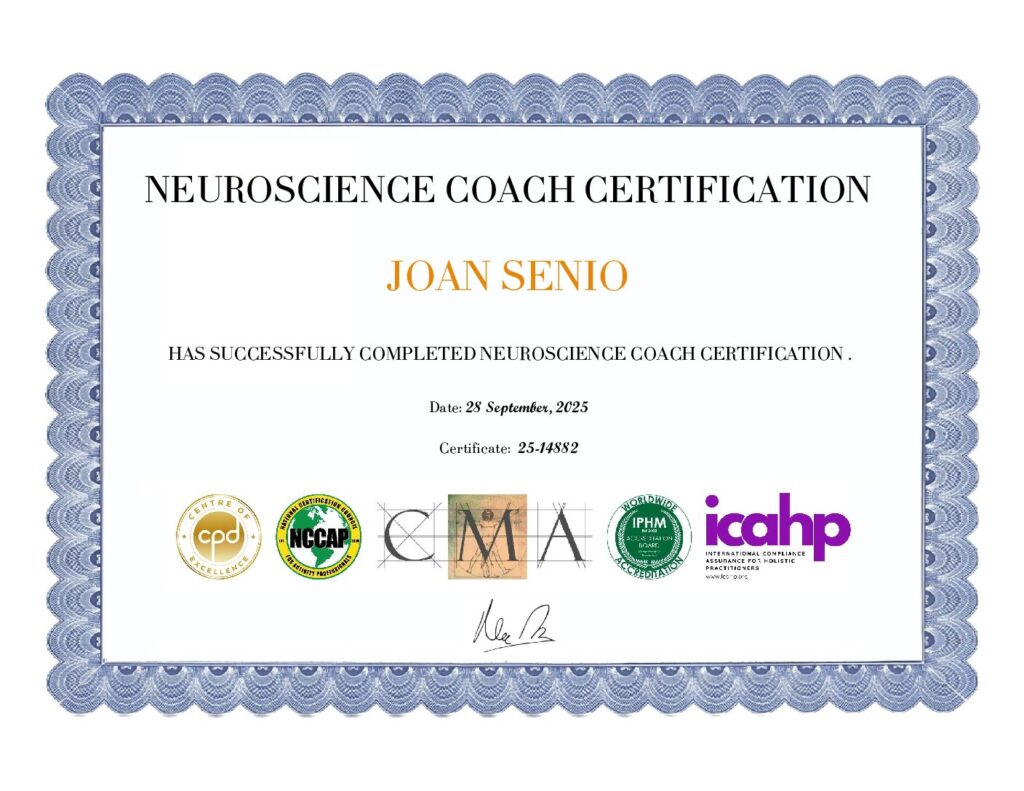
Joan Morabito Senio is the founder of Kindness-Compassion-and-Coaching.com. Joan’s career includes clinical healthcare plus 20+ years as an executive in a nationwide health care system and 15 years as a consultant. The common threads throughout Joan’s personal and professional life are a commitment to non-profit organizations, mental health, compassionate coaching, professional development and servant leadership. She is a certified Neuroscience Coach, member of the International Organization of Life Coaches, serves as a thought-leader for KuelLife.com and is also a regular contributor to PsychReg and Sixty and Me. You can read more about Joan here: Joan Senio.







No Responses