

Spiritual awakening is often described as a moment of clarity, but for many people it begins as something far more complex. It can feel like an inner shift you didn’t plan for, a quiet sense that the life you’ve been living no longer fits as neatly as it once did.
At Kindness‑Compassion‑and‑Coaching.com, we believe that awakening is not a test of strength or a sign to push harder. It is an opportunity to understand yourself more deeply and to explore the changes unfolding within you at your own pace.
Table of Contents
- What is Spiritual Awakening?
- Inner Restlessness, Disillusionment
- Heightened Sensitivity to Meaning and Symbolism
- Shadow Material
- Reconfiguration of Relationships
- Intolerance for Inauthenticity
- Emotional Intensity
- Your Sense of Purpose
- Renewed Interconnectedness
- Additional Resources
- Closing and Call to Action
What is Spiritual Awakening?
Carl Jung’s work offers a thoughtful framework for spiritual awakening. His descriptions of awakening signs help name the subtle, often confusing shifts that arise when your inner life begins to reorganize itself.
When explored with compassion, these signs become guideposts rather than warnings. They illuminate the path toward greater authenticity, purpose, and connection.
Today, we introduce Jung’s eight signs of spiritual awakening. Whether you’re encountering one sign or several, it’s essential to understand that awakening is not about becoming someone new. It is about remembering who you’ve been all along and learning how to live in alignment with that truth.
How to Be Authentic: Learning to Balance Safety with Openness

Inner Restlessness, Disillusionment & Spiritual Awakening
Inner restlessness often arrives like a low hum that gradually becomes impossible to ignore. Tasks that once felt meaningful lose their pull, routines that used to provide comfort feel hollow, and the future you once imagined no longer fits.
This experience can be frightening because it looks, on the surface, like failure. You may wonder whether you have lost your drive or whether something is wrong with you.
In truth, restlessness is frequently a signal that in conjunction with spiritual awakening, your inner landscape is shifting. It is an invitation to reassess values, priorities, and identity. Recognizing this distinction changes everything. Restlessness can become a compass pointing toward areas that need attention, exploration, or reconfiguration.
Disillusionment often accompanies restlessness as a component of spiritual awakening.
The narratives and roles that once made sense can feel constraining or inauthentic. That dissonance can be painful, but it also clears space for new possibilities.
Compassionate coaching and reflective practices can help you translate vague dissatisfaction into questions you can explore, such as what matters most now and what small shifts might reveal a new direction.
Over time, responding to restlessness with curiosity tends to produce clearer purpose, renewed motivation, and more sustainable growth. Recognizing these inner signals is a key part of understanding spiritual awakening signs and using them as a foundation for lasting change.
Heightened Sensitivity to Meaning and Symbolism
Heightened sensitivity to symbolism including an intensified dream life is another sign of spiritual awakening. These are common markers in the process, and they can feel both rich and disorienting.
Dreams may become more vivid, recurring images may insist on attention, and everyday events can take on a sense of meaning that feels larger than the moment.
Synchronicities, those uncanny coincidences that seem to carry a message, may multiply. These phenomena can be confusing or even frightening to someone who has been taught to dismiss inner experience as irrelevant or indulgent.
They are not signs of pathology; they are the psyche’s way of communicating shifts that are happening beneath the surface. Paying attention to symbolic material can reveal patterns, unresolved themes, and emerging values that ordinary thinking alone might miss.
Interpreting symbolic material requires care because symbols are metaphors that point toward inner dynamics. A recurring image of water, for example, might signal emotional movement, a need for cleansing, or a threshold of change. A dream about being lost could be an invitation to examine identity or direction rather than evidence of failure.
You can protect yourself from anxiety by approaching these experiences with curiosity and with boundaries.
Tracking themes over time, writing down dreams, and noticing emotional responses to images can turn symbolic richness into practical insight.
When paired with compassionate coaching or therapeutic support, symbolic material becomes a resource for integration. A coach or therapist can help you translate images into questions that guide exploration, help you distinguish between metaphor and literal risk, and support you in making choices that align with newly emerging meaning.
Recognizing symbolic intensification as one of the spiritual awakening signs reframes mystery as information and opens a pathway from confusion to clarity.
Shadow Material and Spiritual Awakening
When spiritual awakening begins to stir, parts of ourselves that we have long kept out of sight often come forward with surprising force. These shadow elements can include impulses, memories, fears, or patterns of behavior that were once adaptive or necessary but later became limiting.
Their arrival can feel like an accusation. You might notice sudden irritability, recurring judgments, or impulses that contradict the identity you have carefully cultivated. That experience can be destabilizing because it challenges the story you tell about who you are.
It can also be profoundly liberating because it offers an opportunity to reclaim energy that has been spent hiding or denying parts of yourself.
Confronting disowned aspects can retraumatize or overwhelm, so it is important to have support in place. A therapist or coach who understands depth psychology can help you name what appears, trace its origins, and explore its function.
Naming is a way to bring unconscious material into conscious awareness so you can choose how to respond rather than being driven by it. Over time, integration reduces the need for defensive strategies and frees up attention and creativity that were previously consumed by avoidance.
Integration is an ongoing process of noticing, reflecting, and experimenting with new responses.
You may find that what once felt shameful becomes a source of compassion when seen in context. For example, a tendency toward perfectionism may be understood as a protective strategy developed in response to early criticism. Recognizing that history does not excuse harmful behavior, but it does allow for repair and change.
Ethical boundaries remain essential. Integration work should be paced and supported so that it strengthens rather than fragments the self. When shadow material is approached with curiosity, accountability, and appropriate support, it becomes a doorway to greater wholeness rather than a threat to identity.
Reconfiguration of Relationships
Reconfiguration of relationships is a fourth sign of spiritual awakening.
As your inner priorities and values shift, the roles you have played with friends, family, and colleagues may no longer fit. Some relationships deepen because they resonate with your emerging truth. Others loosen because they were built on assumptions that no longer hold.
This process can feel lonely and disorienting, but it can also be clarifying.
The changes reveal which connections are resilient and which were sustained by convenience, habit, or mutual avoidance.
Recognizing this is painful at times, but it also creates space for relationships that are more honest, reciprocal, and nourishing.
Navigating relational change well requires clear communication and ethical attention to the other person.
Abrupt departures or uncompromising demands can cause harm; it can be useful to name what is shifting, and to invite dialogue about how the relationship might adapt. That conversation may lead to renegotiated boundaries, new rhythms of contact, or an agreed upon ending.
It can help to remember that reconfiguration is a natural consequence of growth; people change and relationships must change with them.
A coach or therapist can help you prepare for difficult conversations, practice language that is clear and respectful, and anticipate likely reactions. They can also help you hold the tension between honoring your needs and acknowledging the other person’s experience.
Intolerance for Inauthenticity and Spiritual Awakening
A new intolerance for inauthenticity, and for living according to scripts that no longer fit is another sign of spiritual awakening.
What once felt like a comfortable role can suddenly feel hollow, as if you are wearing someone else’s clothes. This shift can be disorienting because it exposes the gap between who you have been and who you are becoming.
You may notice a growing impatience with small compromises, with conversations that feel performative, or with routines that once provided structure but now feel like obligations. That impatience is a signal that your inner priorities are realigning and asking for expression.
This phase can be both liberating and frightening.
On one hand, the urge to align your outer life with inner truth can open doors to more meaningful work, clearer relationships, and a life that feels more yours. On the other hand, the practical consequences of change can be messy.
Shifts in identity often require renegotiating commitments, rethinking daily rhythms, and making choices that may disappoint others. That tension can trigger guilt or second guessing.
It helps to remember that authenticity is not a single dramatic act. It is a series of small, consistent choices that gradually reconfigure how you spend your time and where you place your energy.
Approaching this intolerance with compassion and clarity makes the process sustainable. Rather than demanding immediate overhaul, you can experiment with small changes that reflect emerging values.
Working with a coach or therapist can help you translate inner clarity into practical steps while attending to the social and emotional consequences. Over time, as you make choices that reflect your evolving sense of self, the world around you will begin to shift in ways that support rather than resist your growth.
Emotional Intensity & Spiritual Awakening
A common feature of awakening is a rise in emotional intensity. Feelings that were once muted may arrive with greater force. Joy can feel more luminous, grief more immediate, and anger more sharply defined. These affective surges are part of a reorganization process.
As old patterns loosen, energy that was previously tied up in maintaining those patterns becomes available and often shows up as heightened emotion. This can be confusing because intense feelings are sometimes interpreted as instability. In reality, they are often signs that inner material is moving and seeking integration.
Managing increased intensity requires practices that protect your capacity while allowing feelings to be processed.
Regulation is not about suppressing emotion; it’s about creating conditions where emotion can be felt, understood, and integrated without overwhelming your system.
Simple practices such as pausing to name what you are feeling, using breath to ground yourself, or stepping into a brief restorative activity can reduce the risk of being swept away.
Intensity can also be a source of insight and vitality. When you learn to ride the waves rather than fight them, emotions become data that guide decisions and deepen connection.
Joy can point toward what nourishes you. Grief can reveal what you have loved and what matters. Anger can highlight boundaries that need attention. The goal is not to eliminate intensity but to develop the capacity to move through it with care.
Over time, as you practice regulation and integration, emotional surges tend to become less destabilizing and more informative. They become part of a richer, more responsive inner life rather than a source of chronic overwhelm.
Spiritual Awakening & Your Sense of Purpose
Spiritual awakening often presents with a deepening sense of purpose; a quiet but persistent requirement for clarity about what matters most. Sometimes it begins as a subtle reorientation in how you spend your time, a new priority that feels more energizing than draining, or a recurring thought about a contribution you want to make.
For people who have been through cycles of trying and failing with punitive motivational models, this clarity can feel like a relief and a responsibility at the same time.
Relief comes because the noise of “shoulds” and external expectations begins to thin. Responsibility arrives because purpose asks for alignment between inner values and outer choices. That alignment can require practical adjustments in work, relationships, or daily routines.
Purpose is a compass that helps you make decisions that conserve energy and increase meaning. When purpose deepens, it often clarifies tradeoffs.
You may find yourself saying no to opportunities that once seemed attractive because they do not fit the emerging direction. That can be painful in the short term, but it can also be freeing because it reduces the friction of living a life that does not fit.
Purpose without structure can become an ideal that produces guilt when reality interferes. Purpose paired with realistic planning becomes a source of steady motivation rather than a demand for heroic sacrifice.
A coach can help you identify strengths that align with your purpose and design roles or projects that use those strengths. A therapist can help you process fears that arise when you consider change, such as fear of loss or fear of disappointing others. Both kinds of support can help you test small commitments that reveal whether a new direction is viable.
Renewed Interconnectedness
A renewed sense of interconnectedness often follows spiritual awakening and can feel like both an expansion and a responsibility.
You may notice a stronger awareness of how your actions affect others, a deeper empathy for people you once judged, or a heightened appreciation for the natural world.
This widening of concern can be profoundly nourishing. It can also create new challenges because increased sensitivity to others can lead to overcommitment or emotional exhaustion if boundaries are not attended to. The impulse to help and to serve is valuable, but it needs to be balanced with practices that preserve your capacity to give over the long term.
Interconnectedness invites a shift from solitary striving to relational flourishing.
It reframes growth as something that happens in community rather than as an individual achievement. That shift can change how you approach goals. Instead of seeing success as a personal conquest, you begin to look for ways to contribute that also build mutual support.
This perspective encourages reciprocity. It asks you to notice who nourishes you and who drains you, and to cultivate networks that sustain rather than deplete. It also asks for discernment.
Not every call for help is yours to answer. Learning to say no in ways that are respectful preserves your ability to be present when you do choose to engage.
8 Signs of Spiritual Awakening
If these signs resonate, it is important to remember that spiritual awakening is not a verdict of brokenness. It is a process of reorientation.
The combination of Jungian insight and compassionate coaching offers a humane path: one that honors inner signals, preserves dignity, and builds lasting capacity.
If you are navigating awakening, consider partnering with a therapist or coach who values psychological safety, self‑compassion, and strengths‑based design.
Additional Resources
If you want to deepen your understanding of spiritual awakening, there are many resources to help you.*
Carl Jung’s collected works remain foundational for anyone interested in the archetypal and symbolic language of the psyche.
*The links in the section are affiliate links. That means that we may receive a small commission at no cost to you when you purchase anything via one of these links. These commissions help us keep Kindness-Compassion-and-Coaching.com a free resource, as they help to cover website expenses. Thank you for your support!
For practical, research grounded work on self-compassion, Kristin Neff’s Self‑Compassion offers clear exercises and evidence that treating yourself with care improves resilience and motivation.
Martin Seligman’s Flourish presents the science of positive psychology and how strengths and wellbeing can be cultivated over time.
For those who want a readable synthesis of vulnerability, courage, and leadership, Brené Brown’s Daring Greatly and The Gifts of Imperfection provide language and practices that help people move from shame and performance to wholehearted living.
Tara Brach’s Radical Acceptance and Pema Chödrön’s When Things Fall Apart offer contemplative perspectives that many people find stabilizing.
If you prefer applied guides, look for related editions that include reflection prompts or companion workbooks. This can make the material easier to translate into conversations with a therapist or coach.
When choosing resources, consider what you most need right now: conceptual framing, practical exercises, nervous system regulation, or narrative reframing.
Pairing a conceptual book with a short, practice-oriented guide often helps bridge insight and action. If you are working with a therapist or coach, bring one of these books into the conversation so you can explore the ideas together and decide which parts are safe and useful for you.
Closing and Call to Action
This post focused on understanding the signs of spiritual awakening in yourself; naming the subtle shifts so they feel less confusing and more like meaningful signals.
Recognizing these signs is not about fixing or rushing. It’s about meeting your inner experience with curiosity, patience, and kindness so you can move toward greater clarity and alignment.
This path of self-discovery matters. Each insight you gather, each compassionate choice you make, brings you closer to a whole‑hearted, authentic life of purpose, not by changing who you are, but by remembering and living from the truest parts of yourself.
Suggested Next steps
If you are navigating the signs of spiritual awakening, know that these experiences can be used as information.
- Pause and notice: Give yourself regular moments to observe which signs are present and how they show up in daily life.
- Journal with intention: Record patterns, emotions, and dreams to track how awakening unfolds over time.
- Practice self-compassion: Respond to difficult feelings with the same gentleness you’d offer a friend.
- Integrate small practices: Try brief mindfulness, breathwork, or nature walks to ground and process shifts.
- Seek supportive connection: Share your experience with a trusted coach, therapist, or community for perspective and care.
- Return to the resources: Revisit the materials already identified when you need guidance or deeper context.
Thank you as always for reading.
Some links in this post may be affiliate links. That means that we may receive a small commission at no cost to you when you purchase anything via one of these links. These commissions help us keep Kindness-Compassion-and-Coaching.com a free resource, as they help to cover website expenses. Thank you for your support.

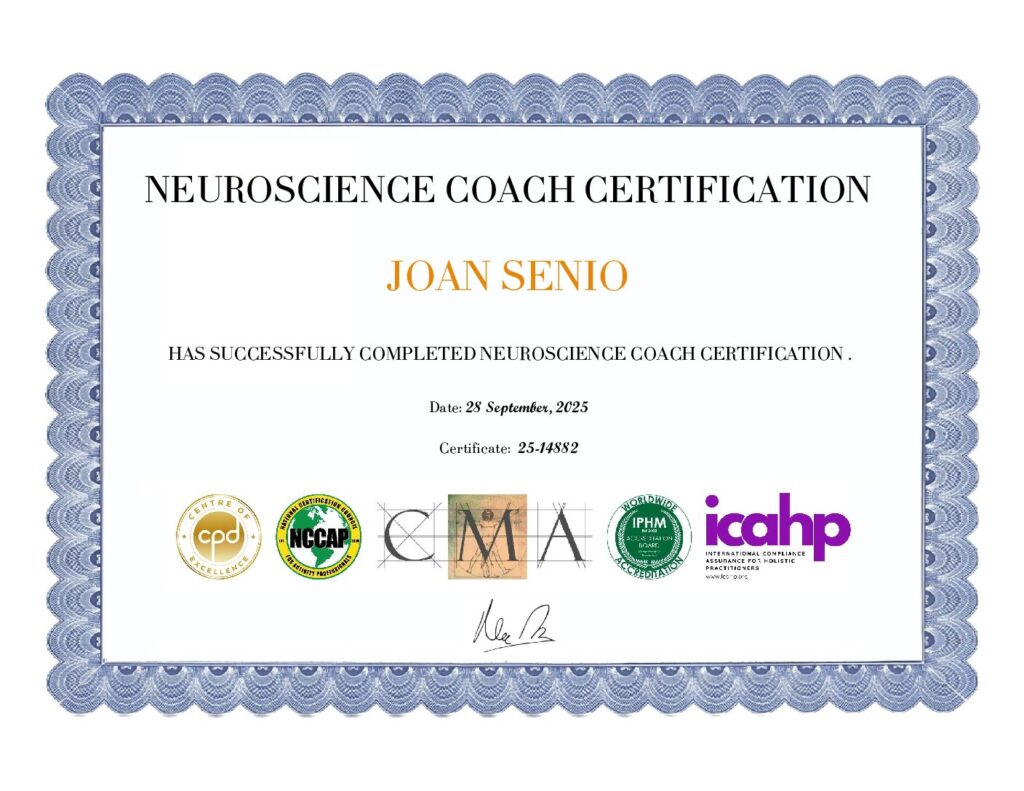
Joan Morabito Senio is the founder of Kindness-Compassion-and-Coaching.com. Joan’s career includes clinical healthcare plus 20+ years as an executive in a nationwide health care system and 15 years as a consultant. The common threads throughout Joan’s personal and professional life are a commitment to non-profit organizations, mental health, compassionate coaching, professional development and servant leadership. She is a certified Neuroscience Coach, member of the International Organization of Life Coaches, serves as a thought-leader for KuelLife.com and is also a regular contributor to PsychReg and Sixty and Me. You can read more about Joan here: Joan Senio.










No Responses