
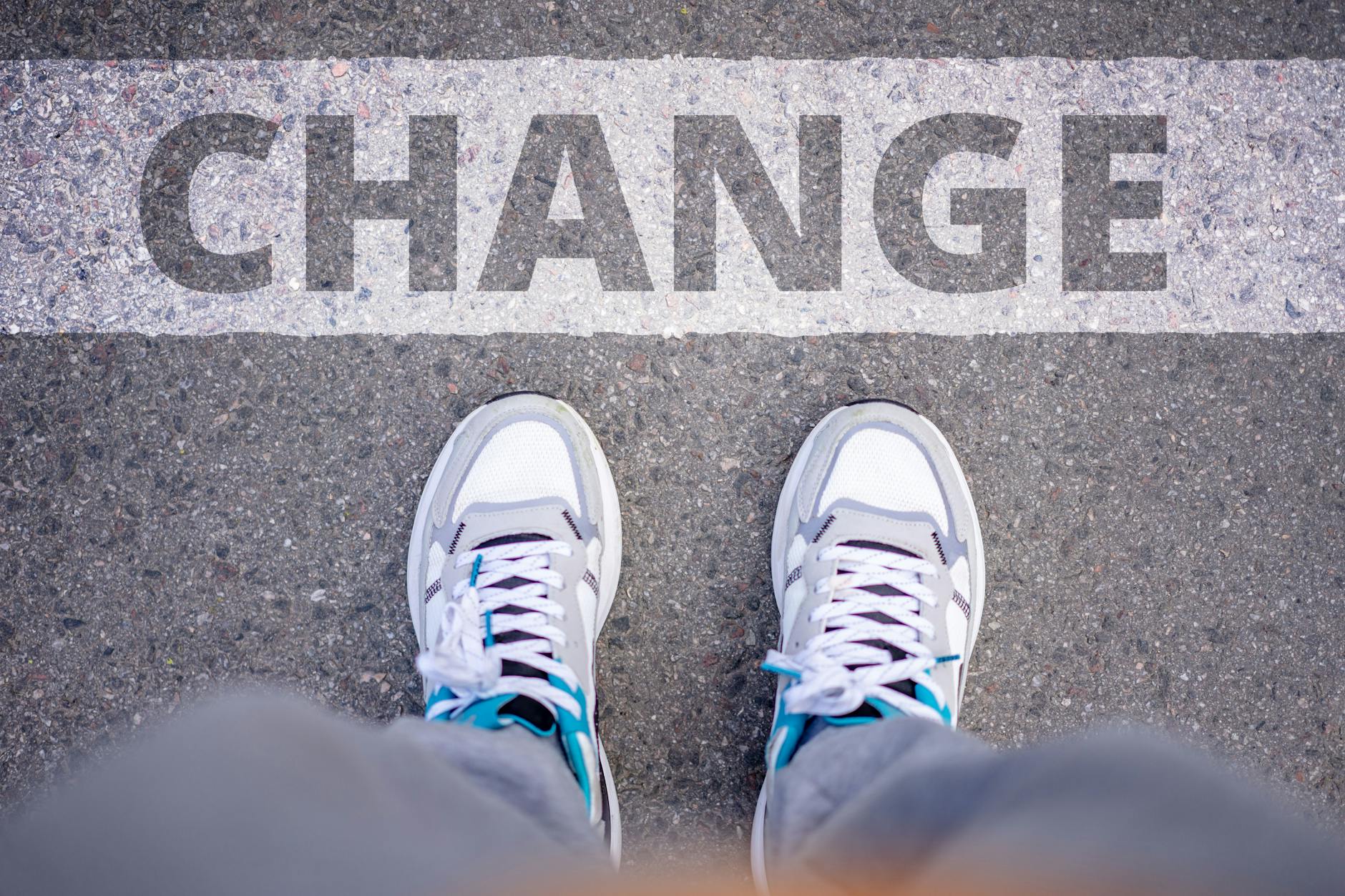
The concept is familiar and ubiquitous: growth must include struggle. If it does not hurt and break you a little, it will not remake you. We see this narrative in motivational quotes, in productivity culture, in the way we celebrate dramatic transformations and ignore slow, steady change. But the equation of growth with suffering is neither inevitable nor wise, since it is actually possible to enjoy change without chronic self‑punishment.
As you expand without burning out, and become more of who you are, you can grow while also preserving your dignity and nervous system balance.
Discomfort is not the same as progress; it’s a signal that tells you that something is shifting, that a boundary is being tested, or that a new skill is being practiced.
A signal can be useful when it prompts curiosity and adjustment, but it becomes harmful when it is treated as proof that you must push harder, ignore limits, or punish yourself for not moving faster.
The healthiest growth models treat discomfort as data to be interpreted rather than as a moral test.
Learn More about How to Establish a Growth Mindset
Table of Contents
- Busting the Myth that No Pain = No Gain
- A Healthier Approach to Improvement
- Why Safety Matters
- How the Discomfort Myth Causes Harm
- Four Principles of Sustainable Personal Growth
- Experiments That Work
- Language, Motivation, and the Psychology of Change
- Ethical and Relational Dimensions
- Tools and Habits for Change and Growth
- Frequently Asked Questions
- Resources to Support Personal Growth
- Other Practical Tools

Busting the Myth that No Pain = No Gain
The idea that pain and suffering are necessary for growth has deep philosophical roots: in ancient Stoicism, endurance and the disciplined acceptance of hardship were framed as virtues that strengthen character.
In many religious traditions, especially strands of Christian asceticism, suffering is cast as a purifying or redemptive pathway to moral or spiritual maturity.
During the modern era, thinkers and cultural movements reinforced the trope; romanticism valorized struggle as the forge of genius, and later self‑help and productivity cultures translated that valor into a moral demand to “push through.”
Friedrich Nietzsche both drew on and pushed back against these currents: he critiqued the ascetic ideal for glorifying suffering as an end in itself. At the same time, he also insisted that overcoming obstacles and embracing one’s trials could be a source of creative self‑formation.
Taken together, these strands created a powerful cultural narrative that equates visible struggle with moral worth. But this idea is worth challenging as we seek to design effective, sustainable paths for personal development.
How to Enjoy Change: A Healthier Approach to Improvement
A good personal trainer never treats pain as the point of a workout. They design progressive, measured challenges that push capacity while protecting tissue and nervous system integrity. And the same logic applies to personal growth.
Growth that’s sustainable is like a well‑planned training program: it uses warm‑ups, incremental overload, recovery, and technique adjustments so you stretch your limits without breaking them.
Pain signals are warnings to be heeded, not badges of honor. Sharp or persistent pain means stop and recalibrate, whereas mild discomfort can indicate useful strain that, with rest and support, leads to adaptation.
Framing development this same way (skillful, sensitive, and recovery‑oriented) keeps change effective and humane.
How to Enjoy Change & Growth: Why Safety Matters
Learning, memory consolidation, and habit formation are all optimized when the nervous system is regulated.
When you are chronically stressed, flooded, or dissociated, the brain prioritizes survival and makes it harder to encode new patterns.
Repeated practice in a context of safety produces more durable change than sporadic, high‑intensity efforts that leave you depleted.
This is not a call to avoid challenge. It’s a call to design challenge so that it is tolerable, scaffolded, and integrated into a life that supports recovery and rest.
Regulation practices such as breathwork, grounding, predictable sleep, and short soothing rituals create the physiological space where new habits can form.
When your body is calmer, you can notice triggers without being hijacked, tolerate uncomfortable feelings long enough to respond skillfully, and practice new habits that contradict old survival patterns.
How the Discomfort Myth Causes Harm
The glorification of discomfort often masks inequity and harm. Not everyone has the same capacity to tolerate risk, exposure, or emotional labor.
People with histories of trauma, chronic illness, caregiving burdens, or economic precarity may pay a much higher price for the same “growth” experiment.
When we insist that growth must be painful, we risk shaming people who need gentler approaches and we normalize practices that can retraumatize.
A more ethical approach to development recognizes context and meets people where they are.
How to Enjoy Change: Four Principles of Sustainable Personal Growth
A different model of growth centers on four principles: safety, curiosity, incremental practice, and meaning.
- Safety means creating conditions where the nervous system can engage with new experiences without being overwhelmed.
- Curiosity replaces blame and perfectionism with a stance of exploration.
- Incremental practice recognizes that small, repeated actions compound into significant change.
- Meaning connects effort to values so that the work feels coherent and worth sustaining.
These principles are practical. They guide how you design experiments, how you respond to setbacks, and how you protect the resources needed for long‑term change.
How to Enjoy Change: Experiments That Work
Instead of a dramatic, all‑in overhaul of your life, choose to pursue an experiment that stretches you just beyond your comfort zone and lasts for a short, defined period.
Replace a relentless productivity sprint with scheduled regular recovery windows and rituals that restore your capacity.
Revise your perception of failure as evidence of personal deficiency. Begin to treat it as feedback about what to adjust in the next iteration because these shifts preserve momentum while reducing the risk of burnout.
Examples of How to Enjoy Change
Real examples help.
Imagine someone who wants to become more assertive at work. The traditional script might be to force a major confrontation, rehearse a perfect speech, and judge the outcome harshly. A gentler approach would be to:
- Decline one nonessential meeting this week and notice the internal reaction.
- Practice a two‑sentence script in low‑stakes contexts.
- Track small wins and adjust the script based on what actually works.
Over time, these steps build confidence and skill without triggering chronic stress.
Another example is physical fitness. Many fitness cultures equate progress with pain and exhaustion. A sustainable alternative is to prioritize consistency over intensity.
For example, short, frequent movement sessions that are enjoyable and varied will produce better long‑term results than sporadic, punishing workouts. Rest and recovery are not optional extras; they are part of the training plan.
This approach preserves motivation and reduces injury.
How to Enjoy Change: Design a Sustainable Growth Plan
A practical, sustainable framework for growth includes four steps.
- Clarify values and intentions so your efforts are anchored in what matters.
- Design experiments that are specific, measurable, and time‑bound.
- Build regulation and recovery into the plan so your nervous system can consolidate learning.
- Reflect and iterate using compassionate inquiry rather than harsh judgment.
Consider a concrete plan for learning a new skill.
- Start with a values statement: why does this skill matter to you?
- Next, design an experiment: practice for ten minutes three times a week for four weeks. Include a regulation ritual before practice, such as two minutes of breathwork.
- After each session, write one sentence about what went well and one small adjustment for the next session.
- At the end of four weeks, review progress and decide whether to scale up, change the approach, or try a new experiment.
This method produces steady improvement without the drama of all‑or‑nothing efforts.
Life Change: How to Find Yourself after Loss or Disruption
Language, Motivation, and the Psychology of Change
Language matters. Replace moralized phrases like push through, no pain no gain, or toughen up with language that emphasizes skill building, experimentation, and compassion.
When you talk about growth as a skill rather than a test of character, you open space for multiple pathways and timelines.
This shift also reduces the internalized shame that keeps people stuck.
The psychology of motivation supports a gentler approach. Intrinsic motivation, driven by interest, enjoyment, and personal meaning, is more sustainable than extrinsic motivation driven by shame, fear, or external rewards.
When growth activities are aligned with intrinsic motivation, they are more likely to be repeated and integrated.
Designing growth around curiosity and meaning increases intrinsic motivation and reduces the need for punitive self‑coercion.
How to Enjoy Change: Ethical and Relational Dimensions
When you model sustainable growth, you create safer spaces for others to change.
Parents, leaders, and peers who normalize rest, curiosity, and incremental progress reduce the pressure on those around them. This ripple effect matters because cultural norms shape individual behavior.
Choosing a humane approach to development is not only kinder to you; it is generative for your community.
There is also a moral argument against equating growth with suffering and instead focusing on the goal to enjoy change.
If the purpose of personal development is to increase capacity, freedom, and flourishing, then methods that systematically degrade wellbeing are self‑defeating.
Growth that leaves you exhausted, alienated, or ashamed is not growth in any meaningful sense. The goal should be to expand your ability to live a life aligned with your values, not to prove your worth through endurance.
7 Life-Coaching Questions: How to Inspire Positive Change
Tools and Habits for Change and Growth
To begin to enjoy change more fully, start with a baseline of regulation practices: breathwork, grounding, sleep hygiene, and predictable self‑care rituals.
Consider these as possible next steps:
- Use curiosity prompts to reframe setbacks: What did I learn? Which factors were within my control? What can I try differently?
- Break goals into habits that take five to fifteen minutes and can be repeated daily.
- Track progress in small, nonjudgmental ways so you can see accumulation rather than fixating on single outcomes.
- Build social support: find a coach, therapist, or peer group that models sustainable change and holds you accountable without shaming.
- Replace one punitive habit with one supportive ritual.
- Reframe failure as feedback.
- Prioritize sleep and recovery as nonnegotiable parts of your plan.
- Seek guidance when needed.
- Celebrate incremental wins.
Over time, these choices compound into real transformation that feels integrated rather than imposed.
How to Enjoy Change and Growth: Choose a Challenge That Preserves You
This is not an argument for complacency. Challenge remains essential. The point is to choose challenges that are calibrated, meaningful, and sustainable.
The most powerful growth often happens at the edge of comfort, not by leaping into chaos. When you design growth with care, you preserve the resources needed to continue learning for a lifetime.
The myth that growth must always be uncomfortable is seductive because it promises quick proof of change through dramatic suffering. But it is a myth that costs too much.
A more sustainable, humane model of development includes methods that help us to enjoy change while staying centered on safety, curiosity, incremental practice, and meaning.
This approach produces durable change, preserves dignity, and invites joy into the process.
Growth can be hard without being harmful. It can be challenging without being cruel. It can be transformative without being traumatic.
Choosing that path is not easier in the sense of requiring no effort. It is wiser because it respects the whole person and the long arc of a life well lived.
How to Enjoy Change and Growth: Frequently Asked Questions
Does gentle growth mean avoiding challenge? No. It means calibrating challenge so it’s productive rather than destructive. Edge work, not chaos.
Is slower growth less effective? Often slower growth is more effective because it integrates into daily life and reduces relapse.
What if I have trauma or chronic illness? Gentle approaches are essential; work with a clinician to tailor pacing and safety supports.
How long before I see results? Changes in small habits can shift mood and confidence in weeks; deeper identity changes take months of steady practice.
Can I use this approach for career goals? Yes. Break large projects into smaller experiments, schedule recovery windows, and use short regulation rituals before high‑stress tasks.
What if I feel guilty for not pushing harder? Guilt often reflects internalized cultural stories. Reframe progress as skill building and test small experiments to see what actually moves you forward without burning you out.
How to Enjoy Change: Resources to Support Personal Growth
Healing and sustainable change are supported by books, workbooks, and practical tools. Below are recommended items. Choose one book and one practical tool to start, then add more as your needs evolve.
| Product | Best for | What it does |
|---|---|---|
| Atomic Habits and The Atomic Habits Workbook by James Clear | Habit design | Stepwise habit system; micro‑habit focus |
| Running on Empty by Jonice Webb | Emotional neglect | Names emotional neglect; reparenting steps |
| Adult Children of Emotionally Immature Parents by Lindsay C. Gibson | Emotional boundaries | Maps relational patterns; boundary strategies |
| Self‑Compassion by Kristin Neff | Self‑kindness | Research‑based practices to reduce self‑criticism |
| The Mindful Self‑Compassion Workbook by Kristen Neff & Germer | Guided practice | Structured exercises and meditations |
Atomic Habits by James Clear
Who it helps: People who want a practical, evidence‑based system for building small habits.
What makes it unique: Clear’s framework focuses on tiny changes and environmental design, making habit formation accessible and sustainable.
Running on Empty by Jonice Webb
Who it helps: Adults who grew up with emotional neglect and struggle to name or trust their feelings.
What makes it unique: Webb clearly defines emotional neglect and offers concrete steps to recognize what was missing and begin reparenting.
Adult Children of Emotionally Immature Parents by Lindsay C. Gibson
Who it helps: Readers raised by caregivers who were self‑absorbed, dismissive, or emotionally unavailable.
What makes it unique: Gibson maps common relational patterns and gives clear strategies for boundary setting and emotional differentiation.
Self‑Compassion by Kristin Neff
Who it helps: People who struggle with harsh self‑criticism, perfectionism, or shame.
What makes it unique: Neff’s research‑based approach teaches accessible practices for replacing self‑judgment with compassionate curiosity.
The Mindful Self‑Compassion Workbook by Kristin Neff & Christopher Germer
Who it helps: Readers who want structured, practice‑based exercises to build self‑compassion over weeks.
What makes it unique: The workbook pairs psychoeducation with step‑by‑step exercises, meditations, and reflection prompts.
How to Enjoy Change: Other Practical Tools
- 5‑Minute Journal (guided gratitude journal). Supports daily reparenting by creating a short, structured ritual that shifts attention toward small wins and self‑validation.
- Weighted blanket (medium weight). Provides gentle deep‑pressure stimulation that can reduce physiological arousal and improve sleep.
- Breathwork and grounding cards / mindfulness prompt decks. Portable cue cards with short breathing exercises and grounding prompts; make regulation practices easy to access.
- Guided meditation or sleep audio collections. Support consistent regulation practice for people who prefer listening to guided practices.
- Essential‑oil diffuser with calming blends. Creates a predictable, soothing environment for short rituals; scent cues can become part of a safe‑space ritual.
- Guided workbooks for self‑compassion or reparenting. Bridge reading with daily action through prompts and short exercises.
- Creative stress‑relief tools (adult coloring books, low‑pressure crafts). Nonverbal activities that help regulate the nervous system when writing or talking feels too intense.
Learning to Enjoy Change: How to choose and use these resources
Select one book and one practical tool to start. For example, pair a workbook or guided journal with a short regulation tool (breath cards, weighted blanket, or a 3‑minute ritual prompted by a journal).
Use books for understanding and context, workbooks for structured practice, and physical items to anchor daily rituals.
Over time, rotate resources to match the stage of your healing: early noticing and regulation, middle‑phase reparenting and boundary practice, and later integration and meaning‑making.
Related resources that may be helpful include Intolerance of Uncertainty: How to Thrive in Ambiquity.
Thank you as always for reading.
Affiliate Disclosure: Some links in this post are affiliate links. As an Amazon Associate, we earn from qualifying purchases. Thank you for supporting Kindness-Compassion-and-Coaching.com at no extra cost to you.

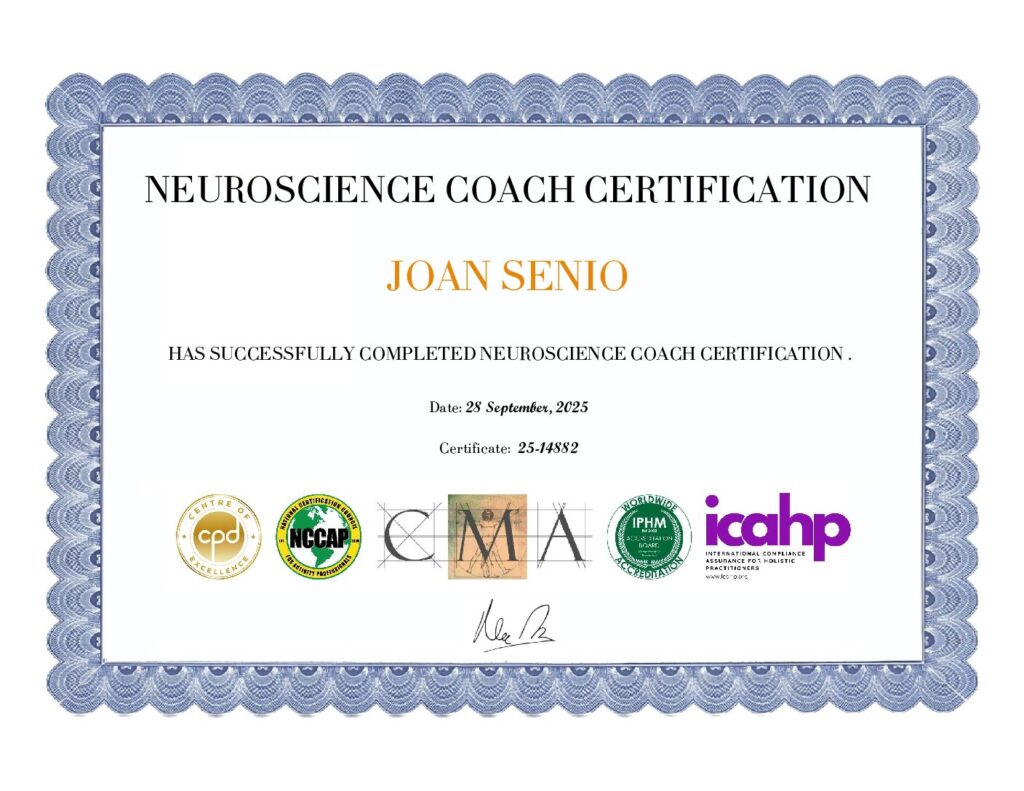
Joan Morabito Senio is the founder of Kindness-Compassion-and-Coaching.com. Joan’s career includes clinical healthcare plus 20+ years as an executive in a nationwide health care system and 15 years as a consultant. The common threads throughout Joan’s personal and professional life are a commitment to non-profit organizations, mental health, compassionate coaching, professional development and servant leadership. She is a certified Neuroscience Coach, member of the International Organization of Life Coaches, serves as a thought-leader for KuelLife.com and is also a regular contributor to PsychReg and Sixty and Me. You can read more about Joan here: Joan Senio.




No Responses