
I read over the goals I had committed to months earlier. They were ambitious, detailed, and perfectly organized, and I had been working diligently toward them – to no avail. I had put considerable effort into planning them, but none of them felt alive to me, and I felt no connection to the outcomes. The goals looked impressive on paper, but they represented what I thought I should want rather than what actually mattered to me. That realization was uncomfortable but necessary. It showed me how easy it is to have goal setting revolve around expectations instead of alignment.
It also reminded me that achievement without meaning rarely feels fulfilling. I began to ask different questions. Instead of “What should I accomplish?” I asked “What feels authentic to pursue?” and “What supports the kind of life I want to live?”
Aligned goal setting is about creating goals that reflect your values, priorities, and your real life. It is about choosing direction that feels connected to who you are rather than who you think you need to be.
This guide will help you explore the aligned goal setting process. You will learn how to identify what matters most, how to translate your values into action, and how to build goals that feel meaningful and sustainable. You will also learn how to adjust your direction when life changes, so your goals continue to support your growth rather than define it.

What is Aligned Goal Setting All About?
Aligned goal setting is not about forcing yourself into rigid plans or chasing goals that look impressive but feel empty. It is about choosing goals that reflect your values, honor your energy, and support the life you want to build. When your goals feel aligned, your motivation becomes steadier, your progress becomes more sustainable, and your daily life feels more coherent.
Many people struggle with goal setting because they choose goals based on pressure, comparison, or obligation. They set goals that do not match their real desires or their current season of life. This creates frustration, avoidance, and burnout. Aligned goal setting helps you shift away from external expectations and toward goals that feel meaningful and energizing.
This guide offers a gentle, structured path for choosing goals that support your emotional steadiness and personal direction. You will learn how to understand your inner motivations, reconnect with what matters, and create goals that feel achievable without sacrificing your well being.
Understanding Aligned Goal Setting: Why Meaningful Goals Lead to Sustainable Progress
Aligned goal setting begins with understanding why certain goals feel energizing while others feel heavy. When a goal reflects your values, it feels meaningful and when a goal matches your natural strengths, it feels achievable. Goals feel motivating when they your desired direction. These qualities can help you feel emotionally strong and steady as you pursue long-term consistency.
Many people choose goals based on external pressure. They pursue goals that look successful or socially acceptable and set goals that match what others expect rather than what they truly want. This disconnect creates resistance and self-criticism. Aligned goal setting helps you set goals that feel like an extension of your authentic identity.
Aligned goals require and grow from self-awareness. They require you to understand what matters to you, what energizes you, and what feels supportive. When you choose goals that reflect your inner world, progress comes naturally.
Reconnecting With What Matters: How to Identify the Values Behind Your Goals
Aligned goal setting requires reconnecting with the values that shape your decisions. Values are the quiet forces that guide your preferences, your desires, and your sense of meaning. When your goals reflect your values, they feel purposeful. When they do not, they feel hollow.
Notice what experiences feel meaningful to you. Pay attention to moments when you feel proud, grounded, or connected. These moments often reveal the things that matter most to you. You may value creativity, stability, growth, connection, service, or freedom. Identifying your specific core values enables you to begin to build a foundation for aligned goal setting.
You can also explore memories of times when you felt deeply satisfied. These memories often contain clues about what you want more of in your life. When you understand your values, you can choose goals that support them rather than conflict with them.
Aligned goal setting becomes easier when you allow yourself to be honest about what actually matters to you – not those around you.
Understanding Your Motivations: How to Choose Goals that Feel Energizing
Aligned goal setting requires exploring the motivations behind your goals. Many people choose goals for reasons that are not truly their own. They pursue goals to gain approval, avoid discomfort, or meet external expectations. These motivations often create pressure rather than energy.
To understand your motivations, ask yourself why you want to achieve a particular goal. If the reason feels hollow or fear based, the goal may not be aligned. If the reason feels hopeful or meaningful, the goal more likely reflects your true direction and inner self. Aligned goal setting becomes clearer when you understand the emotional reasons behind your desires.
Compassion is essential during this exploration. You may discover motivations that surprise you. You may learn that some goals were chosen to avoid disappointment of others. Or you may notice that some desires were shaped by past experiences. These insights will help you begin to choose goals that feel energizing rather than draining.
Creating Goals That Feel Achievable: How to Build Goals that Support Your Real Life
Aligned goal setting is not only about choosing meaningful goals. It is also about creating goals that fit your actual life. Achievable goals respect your energy, your responsibilities, and your current season. They require realism.
Begin by imagining what progress would look like. Consider how much time you have, how much energy you can give, and what support you need. These reflections help you create goals that feel humane, feasible and within reach.
Achievable goals also include flexibility. Your pace may change, circumstances may shift, and needs may evolve. Aligned goal setting allows your goals to adapt rather than remain rigid and when your goals feel achievable, your motivation becomes more consistent.
Turning Aligned Goals into Daily Action: How Small Steps Create Meaningful Progress
Aligned goal setting becomes real when it is integrated into your daily life. You do not need dramatic changes. You only need small, consistent actions that reflect your values. These actions help you build momentum and confidence.
You can begin by choosing one small step that aligns with your goal. This step might be a conversation, a moment of reflection, a boundary, or a new habit. Each step reinforces your identity as someone who honors your direction.
Daily actions also help you stay connected to your goals. When you practice alignment regularly, your progress becomes clearer. You begin to trust yourself more deeply. You begin to see possibilities that were previously hidden. Aligned goal setting and achievement becomes sustainable when it becomes part of your everyday life.
Integrating Aligned Goal Setting into Your Identity:
So, how do you become someone who chooses meaningful goals? Aligned goal setting becomes powerful when it becomes part of who you are. This identity shift happens gradually as you practice self-awareness, compassion, and alignment. Over time, you begin to see yourself as someone who chooses meaningful, energizing, and achievable goals.
Identity integration begins with small choices. When you choose alignment over obligation, you reinforce your direction and when you choose truth over pressure, you reinforce your values. As you begin to choose compassion over fear, you reinforce your purpose.
As you integrate aligned goal setting into your identity, you become more confident in your decisions, more grounded in your direction and more connected to your inner world. Goal setting becomes a natural part of your life.
Frequently Asked Questions about Aligned Goal Setting
What is aligned goal setting? It is the practice of choosing goals that reflect your values, support your energy, and feel meaningful and achievable.
Why do some goals feel draining? Goals chosen from pressure or comparison often feel heavy or phony. Aligned goals feel energizing because they reflect your truth.
Do aligned goals need to be big? No. Small, meaningful goals often create the most sustainable progress.
Can aligned goals change over time? Yes. Your direction evolves as you grow. Flexible goals are more sustainable than rigid ones.
How do I begin aligned goal setting? Start by noticing what feels meaningful, energizing, and supportive. These moments often point toward aligned goals.
Value-Based Goal Setting: How to Align Your Goals to What Matters
It is draining and discouraging to invest energy in achieving goals that do not truly reflect who you are.
You may work hard, stay busy, and push yourself forward, yet still feel disconnected from your own progress. When your goals are shaped by pressure or comparison, they do not provide momentum. When they are aligned to your core values, they do. Aligned goal setting helps you return to a way of choosing that feels authentic and honest.
Meaningful progress does not come from forcing yourself to adhere to rigid plans. It comes from choosing goals that reflect your values, honor your energy, and support your real life. When your goals are aligned, motivation comes naturally, and when your direction feels true, your pace becomes more sustainable. As your choices begin to reflect your inner world, your life begins to feel coherent again.
You are allowed to choose goals that feel meaningful rather than impressive and to set goals that energize you. It is essential to create goals that fit your current stage of life instead of a version of yourself you no longer are, and to move slowly, adjust your pace as needed, and build your progress through consistency.
Aligned goal setting is about choosing with intention instead of pressure and creating a relationship with your goals that feels supportive. As you continue exploring what alignment means for you, let these practices remind you that your goals do not need to be grand to be meaningful. They only need to be true to your innermost values.
You do not need to transform everything at once; you only need to begin choosing goals that feel aligned with who you are becoming. Your progress will grow from there.
Thank you as always for reading.

Joan Morabito Senio is a coach and former executive and consultant with over 35 years of experience helping people overcome challenges, grow, and achieve their full potential. She created Kindness‑Compassion‑and‑Coaching.com to provide free coaching resources to individuals and the compassionate coaching community.
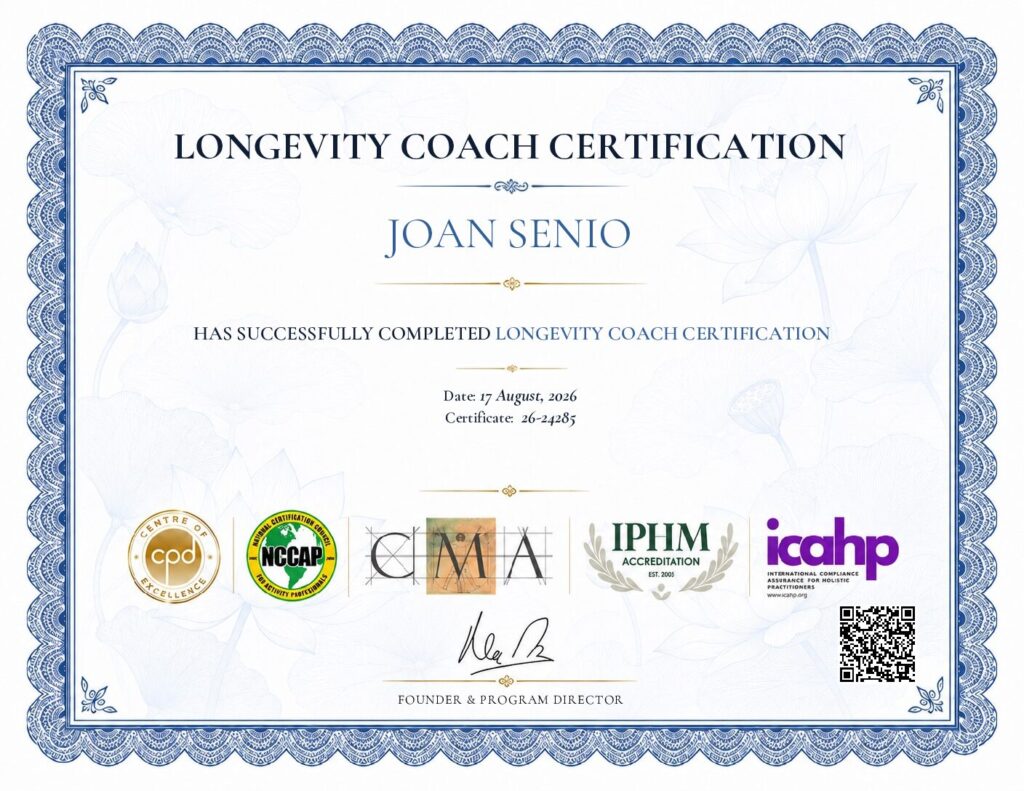
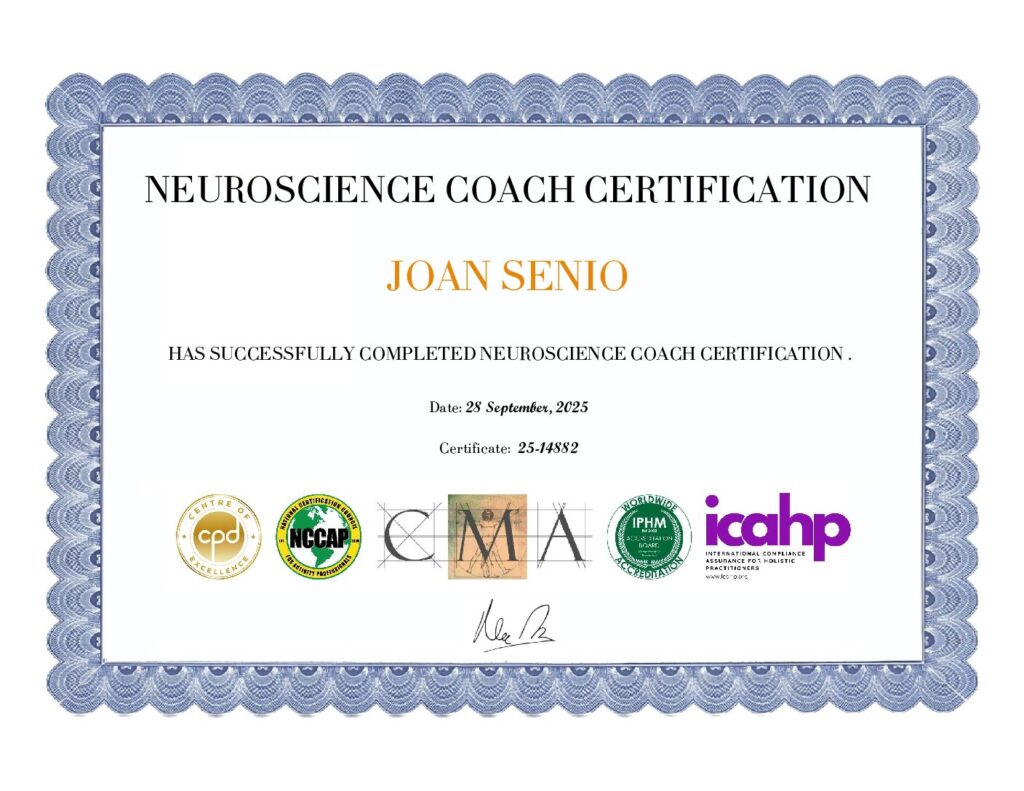
As a certified neuroscience coach and member of the International Organization of Life Coaches, Joan blends science‑based insight with heart‑centered guidance to help others rise above old patterns and step into their most authentic selves. She is committed to supporting those ready to grow, take ownership of their next chapter, and transform their lives from the inside out.
*Some links in this post are affiliate links. That means that we may receive a small commission at no cost to you when you purchase anything via one of these links. These commissions help us keep Kindness-Compassion-and-Coaching.com a free resource, as they help to cover website expenses. Thank you for your support.







No Responses