

You may be a little wary of positivity, and with good reason. Many of us are torn between wanting to be hopeful and distrusting easy answers that dismiss real pain or frustration. It’s reasonable to approach the concept of extreme positivity with a bit of skepticism and caution, but it can be a missed opportunity if we disregard the potential upside of optimism entirely. Today, we discuss the proven benefits of positive thinking and positive visualization. We also share how to harness their power as tools rather than gimmicks or unreasonable pressure to just “be happy.”
Healthy positive thinking is a realistic, constructive mindset that widens options for coping and decision-making.
Positive visualization involves using vivid, process-focused imagery to prepare the body and brain for action.
Together they support emotional regulation, resilience, and clearer follow-through without denying the possibility of challenge, difficulty, or adverse outcomes.
We will show how positive thinking and positive visualization connect, summarize the evidence for their benefits, offer real-world examples, and point to resources that can help you use both responsibly and effectively.
Defining Positive Thinking
Positive thinking does not erase pain, nor does it deny sadness or difficulty. It is an intentional cognitive mindset that acknowledges reality while choosing interpretations that support coping, problem solving, and forward movement.
Positive thinking also emphasizes possibility, meaning, and constructive interpretation of events.
Positive thinking should not be confused with toxic optimism which dismisses difficulty, pressures a premature upbeat response, and can leave real needs unattended.
It also should not be confused with the detrimental tendency of some to pretend problems don’t exist.
The more helpful posture of positive thinking is one that holds realism and possibility at the same time.
For example, positive thinking is:
- Grounded in facts and includes contingency plans for likely challenges.
- Names emotions honestly while choosing interpretations that support coping.
- Centered on purpose and values to fuel action rather than passive wishful hoping.
- Flexible and revisable as new information appears.
- Sustains a hopeful orientation that coexists with realism.
This orientation helps people move from reactive habit to considered response, and from survival mode to forward-facing engagement.
Positive thinking as an evidence-based cognitive stance
In its most helpful form, positive thinking is an evidence-informed approach to appraisal and meaning making.
It uses reframing, probabilistic reasoning, and values-aligned expectations to reduce catastrophizing and broaden perceived options.
This mindset interacts with attention and memory to increase our tendency to notice resources and prior successes. This in turn builds up our adaptive behaviors and the odds of success.
These features make positive thinking a pragmatic skill for emotional regulation, decision making, and sustained effort. Especially when it’s paired with deliberate practice and support.
Defining Positive Visualization and How It Works
Positive visualization (mental imagery) is the deliberate use of sensory-rich imagination to rehearse desired states, actions, or outcomes.
Visualization can involve seeing a successful performance, feeling steady breath in a stressful conversation, or picturing completed work and the steps used to get there. Key elements include:
- Sensory detail (sight, sound, bodily sensation) that makes the imagery vivid.
- Process-oriented scenes that include likely obstacles, not only ideal outcomes.
- Emotional calibration so the image feels plausible rather than fanciful.
Visualization functions as more than wishful thinking; it is an active cognitive rehearsal that prepares neural and physiological systems for action.
Benefits of Positive Thinking and Positive Visualization: How it Impacts the Brain
Positive thinking and positive visualization engage brain networks that shape attention, emotion, and action.
Repeated optimistic appraisal strengthens prefrontal circuits used for planning and decision making while reducing overactivity in threat-related regions like the amygdala.
This supports calmer appraisal of stress and stronger emotional regulation.
Neurochemical changes such as increased dopamine release reinforce motivated behavior and reward learning, making hopeful interpretations more accessible. Framing these practices within emotional safety helps them feel believable and prevents avoidance or invalidation of real difficulties.
Visualization functions as a form of cognitive rehearsal that recruits many of the same motor and sensory regions used during actual performance, so imagined practice primes neural pathways and lowers anticipatory anxiety.
Vivid, process-focused imagery that includes likely obstacles trains adaptive responses and improves readiness, turning intention into clearer steps for action.
When positive thinking supplies realistic meaning and values alignment, and visualization supplies sensory rehearsal, the combined effect boosts resilience, focus, and sustained effort in ways that support wholehearted living, positive outcomes, and psychological safety.

How Positive Thinking and Positive Visualization Are Connected
Positive thinking and positive visualization reinforce one another in practical, neuroscience-consistent ways:
- Visualization concretizes a positive frame by making imagined outcomes feel more real, which supports motivation and planning.
- Positive thinking supplies the interpretive context that makes visualization believable and meaningful.
- Both modulate emotion and arousal: constructive thoughts reduce threat appraisal; imagery recruits brain networks involved in action and regulation.
- When combined, they help translate intention into plausible steps, increasing the likelihood of follow-through without forcing denial of difficulty.
Used with emotional awareness and realistic expectation, the pairing of positive thinking and visualization becomes a strategy for expanding what’s possible and supporting clearer decisions, steadier nerves, and more sustainable effort.

Benefits of Positive Thinking and Positive Visualization
Benefits of positive thinking: Improved Emotional Regulation and Resilience
Positive thinking supports clearer appraisal of stress and threat, which reduces chronic worry and lowers physiological arousal. When people habitually reframe challenges in ways that emphasize agency and learning, they experience fewer runaway stress responses and recover more quickly after setbacks. Over time this fosters resilience, and the capacity to stay engaged with goals and relationships even under pressure.
Benefits of positive thinking: How it Reinforces Outcomes and Action
Positive visualization acts as a form of mental rehearsal that primes attention, planning, and emotional tone. Vivid imagery that includes likely obstacles and coping steps helps the brain practice adaptive responses before they are needed. This rehearsal narrows the gap between intention and action by making pathways of behavior feel more familiar and by reducing anticipatory anxiety.
Benefits of positive thinking: Psychological and Behavioral Ripple Effects
Practiced together, positive thinking and positive visualization increase clarity of purpose, improve motivation that is grounded in values, and reduce avoidance driven by fear. People report better focus, greater persistence on meaningful tasks, and more constructive responses to feedback.
In practical terms these shifts support improved decision making, steadier performance under stress, and more sustainable goal pursuit.

Evidence for the Benefits of Positive Thinking and Visualization
Research from neuroscience and psychology shows that mental imagery and optimistic appraisal engage brain systems involved in emotion regulation, planning, and action.
Imaging studies find that imagining actions activates many of the same motor and sensory regions used in actual performance, which helps the brain rehearse responses and lowers anticipatory threat appraisal.
Longitudinal and clinical studies link optimistic thinking with better health outcomes and resilience. Regular optimistic appraisal and structured mental imagery correlate with reduced stress reactivity, improved mood, and measurable gains in recovery and functional outcomes after injury or illness Psychology Today. Leading researchers note that imagination produces actual neural and physiological effects that support wellbeing and performance.
Taken together the evidence suggests that positive thinking and positive visualization are not wishful thinking. They are cognitive and neural practices that shape attention, expectation, and readiness in ways that support coping, learning, and sustained effort.
Examples of the Benefits of Positive Thinking and Positive Visualization
High performers across domains commonly report deliberate use of imagery and optimistic rehearsal as part of preparation and recovery.
Athletes, clinicians, and artists use mental rehearsal to anticipate obstacles, practice responses, and steady emotional tone.
Scientific summaries of visualization research note improved outcomes in sport and rehabilitation contexts.
Public figures and elite athletes often describe structured mental imagery combined with focused belief as central to performance. These accounts align with experimental and applied studies showing that vivid, process-oriented rehearsal supports skill execution and resilience during high pressure moments.
These real-world uses illustrate how positive thinking and visualization can be applied pragmatically.
When practiced with realistic scenarios and attention to emotion, they help people prepare for likely challenges, sustain effort, and recover more quickly from setbacks.

7 Steps to Apply Positive Thinking Responsibly
Practicing the benefits of positive thinking and positive visualization can be powerful, but only when done with care and attention to emotional safety.
It’s essential to apply mindset and imagery skills in ways that respect your current reality, reduce defensive or avoidant responses, and strengthen psychological safety for sustained growth.
Practical steps for grounding include building process-focused imagery and checking in with your nervous system.
The aim is wholehearted living that includes honest emotion, clear planning, and reliable supports so optimistic appraisal and mental rehearsal help you act with courage and care rather than provoke shame or indirect behaviors.
1. Ground practice in emotional safety and realism
To prioritize emotional safety, start from a stance that acknowledges current pain and constraints while gently inviting possibility.
Use imagery and optimistic appraisal that include likely obstacles and coping steps, so the practice feels plausible and trustworthy. This reduces shame and avoids using optimism as an escape from needed problem solving.
2. Use process-focused imagery, not outcome-only fantasies
Focus visualization on the steps, feelings, and responses you will use in challenging moments.
Imagine setbacks and your chosen coping moves as part of the scene. This trains attention, lowers anticipatory anxiety, and makes action more accessible. Pair scenes with concrete action plans so imagery directly supports real behaviors.
3. Keep expectations practical and incremental
Set realistic time frames and markers that reflect your context and resources. Track small gains in attention, mood, or consistency rather than awaiting dramatic results. Reinforce progress with self-compassion and with adjustments when reality requires different tactics.
4. Monitor emotions and adjust when needed
Check in with your nervous system during practice. If imagery increases panic, avoidance, or shame, slow the pace, simplify the scene, or stop and seek supportive guidance. Use grounding techniques and regulation strategies before resuming practice to preserve safety and learning.
5. Combine optimistic appraisal with concrete problem solving
Use positive thinking to widen perceived options and sustain effort while also mapping practical steps, safeguards, and contingency plans. Optimism supports creativity; action plans convert that creativity into measurable progress.
6. Avoid moral pressure to be upbeat all the time
Honor the full range of emotions as valid data. Do not treat optimism as a moral obligation. Allow anger, grief, or doubt to coexist with hopeful appraisal and use those emotions as information for ethical decision making.
7. Measure impact and iterate
Keep simple logs of practice frequency, mood shifts, and behavior changes to see if the approach is helping. If progress stalls, refine imagery content, cadence, or the surrounding supports such as coaching, peer feedback, or therapy.
If past trauma, unresolved grief, severe anxiety, or depression interferes with practice, consult a mental health professional before intensifying imagery or cognitive techniques. Use these strategies as complements to clinical care when needed.
Recommended Resources to Tap the Benefits of Positive Thinking and Positive Visualization
If you have been feeling stuck or stagnated in working towards your personal or professional goals, a shift in mental stance can be all it takes to rejuvenate your motivation and enable progress.
We have chosen selected products that we believe best set the stage for the benefits of positive thinking and positive visualization in practical, evidence-aware ways.
Benefits of Positive Thinking: Books and Guides to Harness Positive Energy
- The Power of Positive Thinking by Norman Vincent Peale. The classic worldwide bestseller and primer on optimistic appraisal and coping aligned with practical practice of positive thinking.
- Creative Visualization by Shakti Gawain. A practical guide to using mental imagery for goal rehearsal and emotional calibration.
- Learned Optimism by Martin Seligman. Evidence-focused exploration of optimism as a learnable skill that supports resilience and wellbeing.
Benefits of Positive Thinking: Journals and Writing Tools to Reinforce Positive Visualization
- Structured, guided journals that prompt positive thinking, tame your inner critic, and set you up for values-aligned planning.
- Goal mapping planners designed to include process steps, obstacle planning, and emotion-check-ins.
Benefits of Positive Thinking: Practical Tools and Physical Products
- High-quality, reasonably priced headphones for immersive imagery practice and focused mental rehearsal.
- Comfortable meditation cushions or chairs to support regular seated practice and reduce physical distraction.
- Vision board kits and affirmation card sets for tangible, visual reminders of goals and coping strategies.
- Concentration aids such as white noise machines to protect practice time.
Frequently Asked Questions About the Benefits of Positive Thinking
Is positive thinking the same as denial or toxic positivity?
No. Positive thinking in this context is a realistic, constructive appraisal style that acknowledges difficulties while choosing interpretations that support coping and action. It avoids pressure to appear fine and does not dismiss real needs.
Can visualization actually change behavioral or physical outcomes?
Yes. Mental imagery activates neural networks involved in planning and motor preparation. When imagery is process-focused and emotionally calibrated it can improve readiness, lower anticipatory stress, and increase the likelihood of effective action.
Do I have to be naturally optimistic to enjoy the benefits of positive thinking?
No. Positive thinking and visualization are learnable skills. With regular practice and emotionally safe support they can broaden attention to resources and prior successes and scaffold adaptive responses.
How long before I notice the benefits of positive thinking or visualization?
Some people notice improvements in focus and mood within a few weeks of consistent practice. More durable changes in stress reactivity, decision making, and performance tend to appear with sustained, realistic practice and supportive routines.
Can the benefits of positive thinking help me with recovery from injury or illness?
Yes. Clinical and rehabilitation research reports benefits from structured mental rehearsal and optimistic appraisal for recovery outcomes and functional gains when used alongside appropriate medical care.
Are there any risks or cautions I should know about?
Positive thinking should not be used to avoid necessary emotional processing or practical planning. If imagery or optimistic framing increases distress, pause and consult a mental health or medical professional. Use these strategies as complements to, not replacements for, treatment when health concerns are present.
Where can I start to harness the benefits of positive thinking if I am skeptical or overwhelmed?
Begin with short, realistic imagery sessions that include both ideal and challenge scenarios and pair them with clear next steps. Choose guided resources that emphasize emotional safety and process orientation.
For more encouragement, learn all about Positive Psychology Interventions.
The Benefits of Positive Thinking When Used with Care
You may feel conflicted about positivity, drawn to hope but wary of clichés that dismiss struggle. To help you accept the real potential benefits of positive thinking, we’ve shared scientific evidence as well as real life examples that demonstrate the impact it can have. In addition, we’ve demonstrated how intentional mental imagery can support emotional regulation, motivation, and durable change.
The benefits of positive thinking and positive visualization include support for clearer action. When practiced with emotional safety and realistic expectations these positivity practices help reduce reactivity, build resilience, and make goal-directed behavior more accessible.
Use these approaches as complements to sound planning and supportive care so optimism fuels action rather than avoidance.
If this material resonated, take one simple next step: pick one recommended resource from the list and try a short, process-focused imagery session today.
If you found this article helpful, be sure to subscribe to continue to receive evidence-based guidance on wholehearted living, applied mindset practices and more.
Thank you as always for reading.
Affiliate Disclosure: Some links in this post are affiliate links. As an Amazon Associate, we earn from qualifying purchases. Thank you for supporting Kindness-Compassion-and-Coaching.com at no extra cost to you.

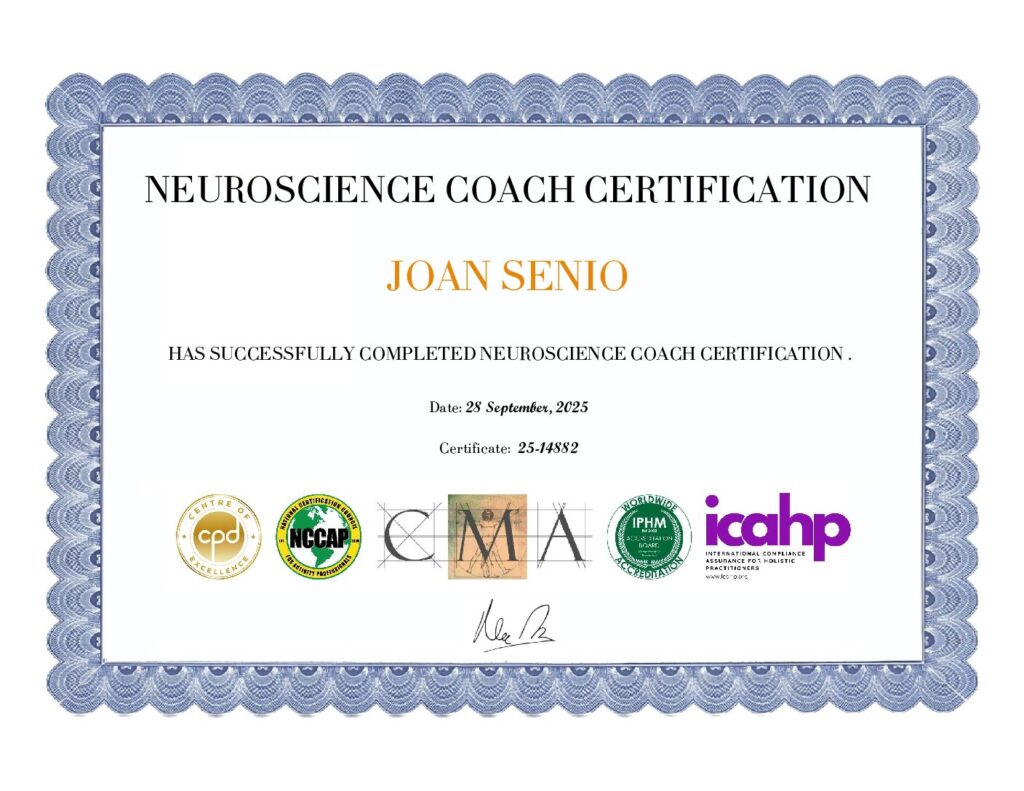
Joan Morabito Senio is the founder of Kindness-Compassion-and-Coaching.com. Joan’s career includes clinical healthcare plus 20+ years as an executive in a nationwide health care system and 15 years as a consultant. The common threads throughout Joan’s personal and professional life are a commitment to non-profit organizations, mental health, compassionate coaching, professional development and servant leadership. She is a certified Neuroscience Coach, member of the International Organization of Life Coaches, serves as a thought-leader for KuelLife.com and is also a regular contributor to PsychReg and Sixty and Me. You can read more about Joan here: Joan Senio.







No Responses