The inner critic forms in unsafe environments, its goal to protect us from harm. Unfortunately, as adults, the lessons of the inner critic no longer apply, and they can undermine our self-worth. Luckily, if we know how, we can transform the inner critic into a loving inner protector who fosters self-compassion within us and ultimately allows us to experience healthier self-esteem.
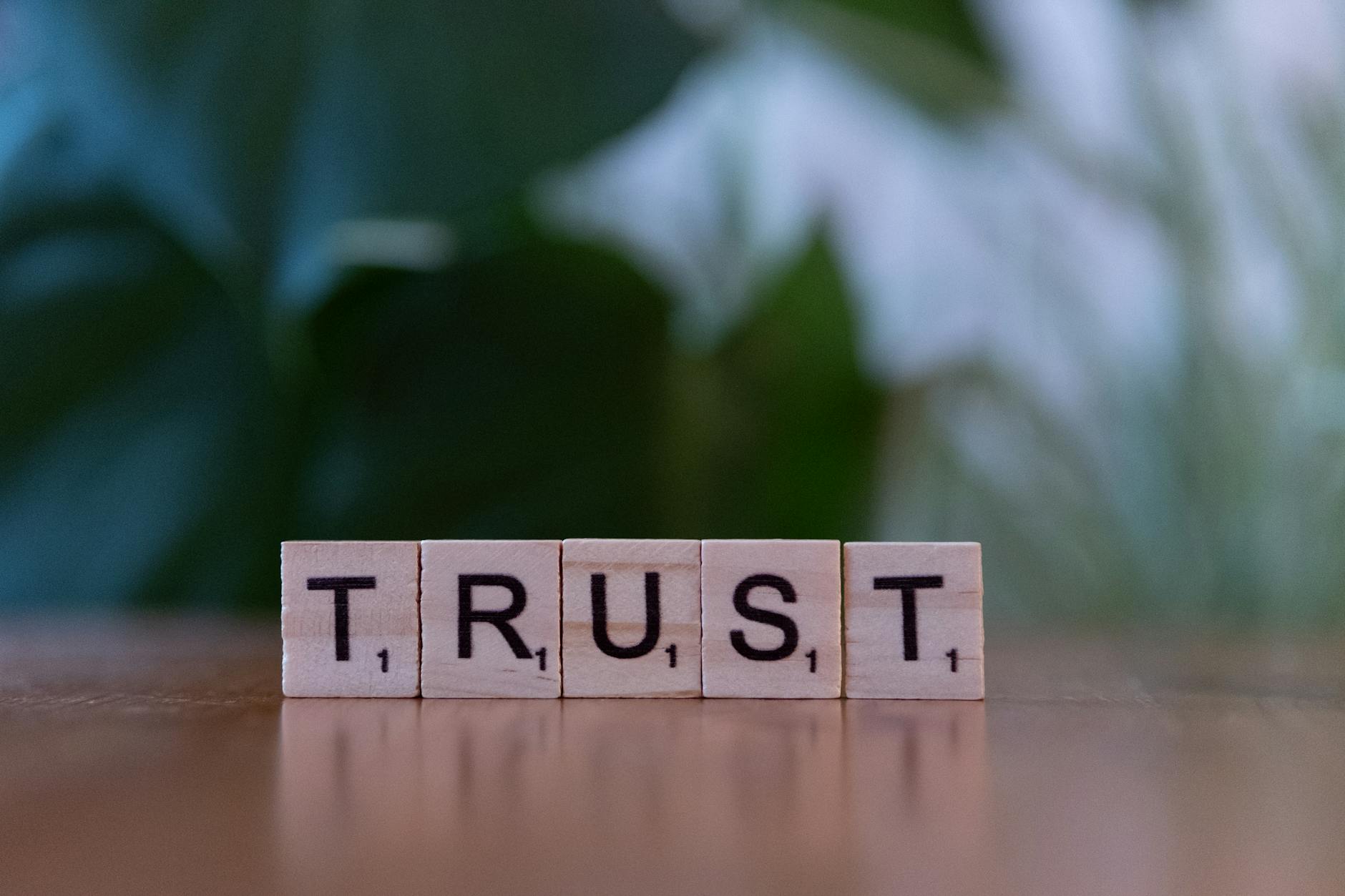
Self‑trust grows through micro‑promises and gentle consistency that teach your nervous system you can rely on yourself again.

Self‑esteem psychology reveals how emotional safety, self‑trust, and identity shape your internal sense of worth and capability.

Healthy self‑esteem isn’t about constant confidence or positive thinking; it’s about developing a consistent, grounded sense of worth that can withstand stress, mistakes, and the complexities of real relationships. This series explores the deeper foundations of self‑esteem, showing how emotional safety, nervous system regulation, identity scripts, and self‑trust shape the way we see ourselves. You’ll learn practical, repeatable skills that help rebuild self‑worth from the inside out.

Low self-esteem can quietly erode confidence, relationships, and even physical health. But it doesn’t have to define your story. Rediscovering self-worth begins with small, intentional practices that remind you of your inherent value. In today's post, you’ll find practical self-esteem activities designed to help you reconnect with your strengths, challenge negative self-talk, and cultivate a kinder inner dialogue. Self-worth isn’t something you earn. It’s something you reclaim, one compassionate step at a time.

As women, many of us find ourselves struggling with confidence and self-esteem, self-doubt and insecurity. No matter what we have accomplished in life, or what our own personal growth and development journey has been like, we find it difficult to see our own value. It’s easy to get swept up in the unrelenting diatribe of […]

Are you caught in a cycle of self-doubt, self-criticism, and relentless negative self-talk that holds you back from achieving your true potential? You’re not the only one! According to a survey conducted by the American Psychological Association, 85% of people report experiencing negative self-talk on a regular basis, highlighting the pervasive nature of this issue. […]

Networking for introverts. It sounds like a new torture technique! Introverts may find themselves feeling like fish out of water in social settings aimed at building connections and advancing careers. Yet, the importance of networking cannot be underestimated, as studies show that up to 85% of jobs are filled through networking. So how can introverts […]

When we nurture self-awareness, we cultivate a deeper understand of ourselves, our emotions and our motivations. We also become more cognizant of our strengths and weaknesses. This can help us begin to navigate through life with improved clarity and purpose. Today, we discuss the pivotal role self-awareness plays in fostering happiness and well-being. Why Self-Awareness […]

Self-acquired competency refers to the skills and knowledge that we develop on our own, outside of formal education or training. We often gain these competencies through hands-on experience, self-study, and personal exploration. Self-acquired competency is becoming more and more important as technology; modes of communication and other aspects of life evolve faster and more frequently. […]