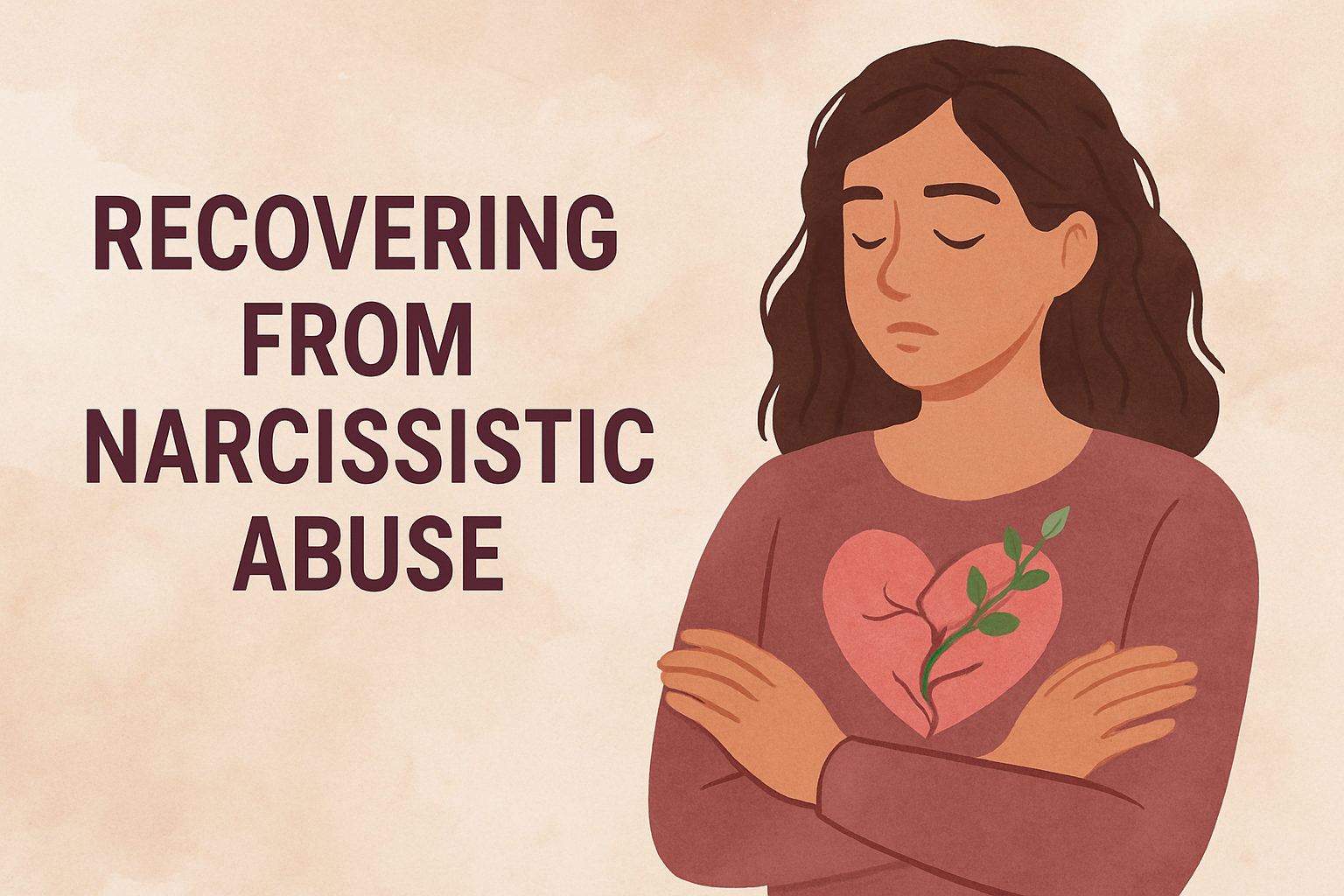
Recovering from narcissistic abuse begins with safety, nervous‑system regulation, and compassionate steps that rebuild trust in yourself. This trauma‑informed resource explains clear signs of abuse and offers practical resources to help you move you from overwhelm toward steady healing.

Feeling the weight of family tension? Learn how to manage family stress and cope with family stress through self-compassion. Discover the ingredients of healthy conflict while spotting toxic patterns that drain your well-being. Empower yourself with practical tools to protect your mental health and build stronger, more respectful relationships at home.
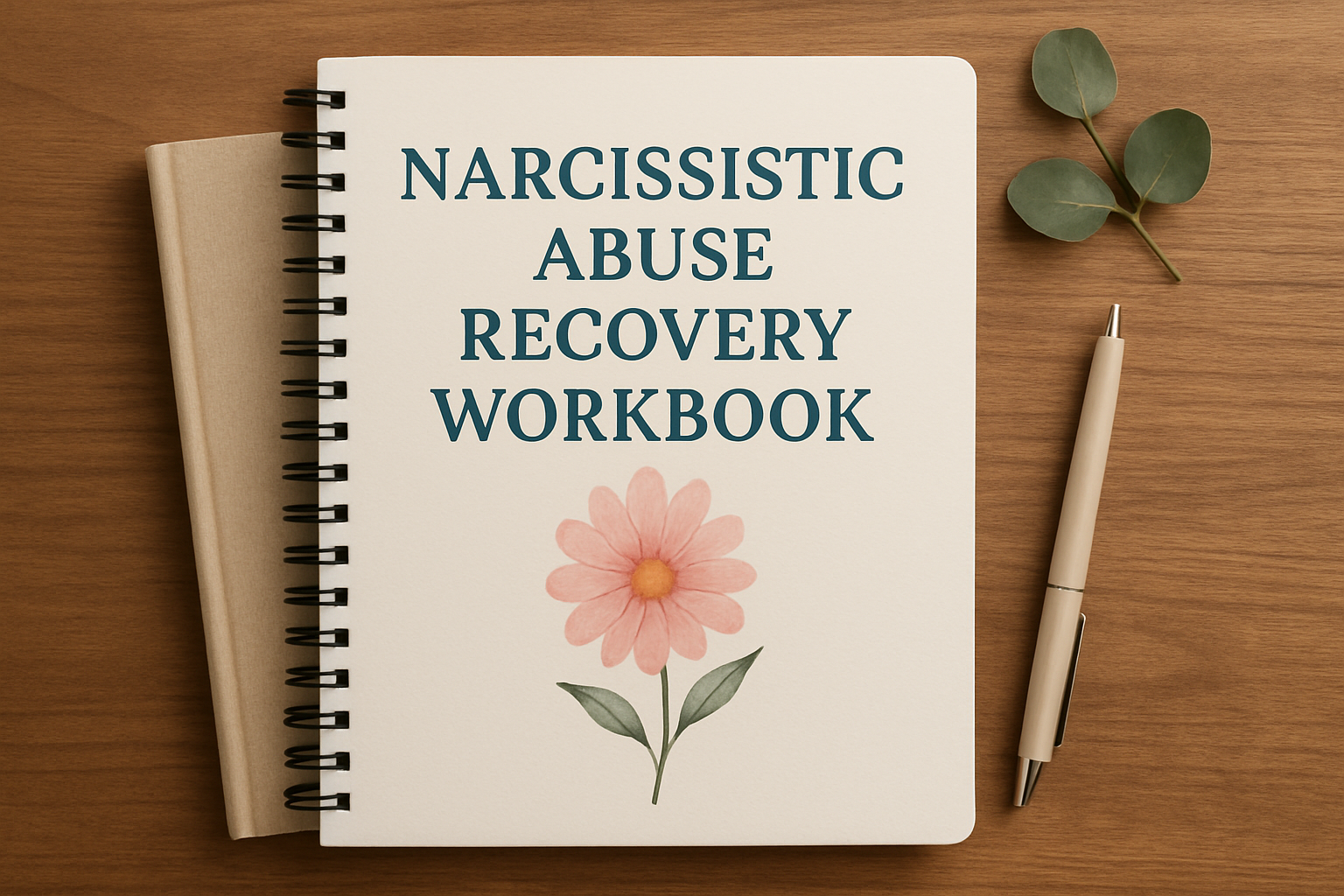
Recovering from narcissistic abuse often feels like trying to piece yourself back together after a long, exhausting battle. A narcissistic abuse recovery workbook can provide useful guidance, helping you to emerge from a fog of confusion and self-doubt. By translating healing into manageable exercises, it helps you reclaim your narrative and rebuild trust in yourself. […]

Many people who live with or love someone with narcissistic traits wake up one day surprised to find they no longer recognize themselves. It’s common in relationships like this to discover you have traded your own preferences, priorities, and voice for peace, approval, or safety. You also experience growing feelings of anxiety and isolation. To […]
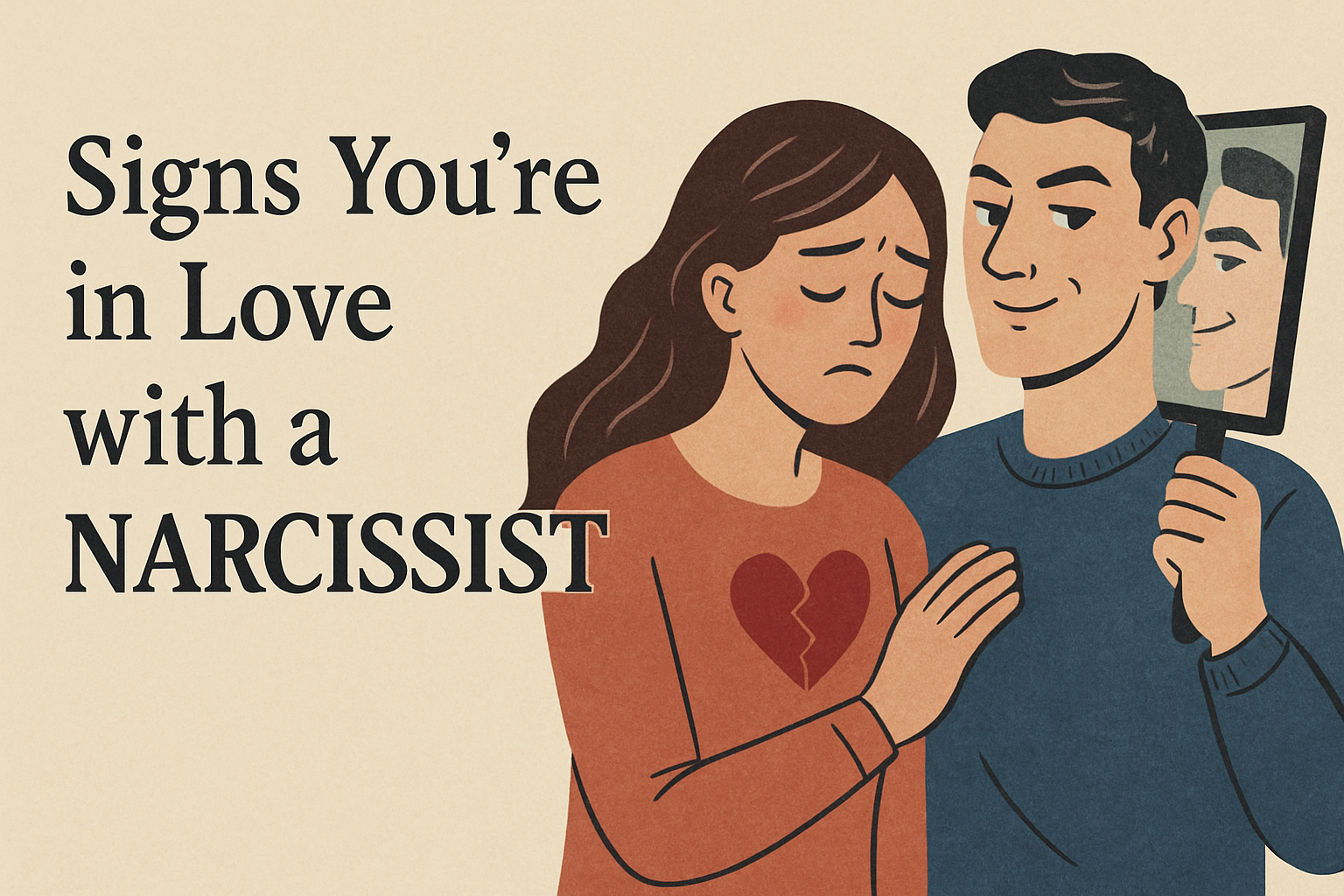
In the beginning, they were charming, attentive, intoxicating. You felt seen, adored, even chosen. But slowly, the warmth turned cold. Compliments became criticisms. Affection became absence. You started questioning yourself more than them. You didn’t realize it, but you were beginning to pick up on the signs you are in love with a narcissist. Maybe […]
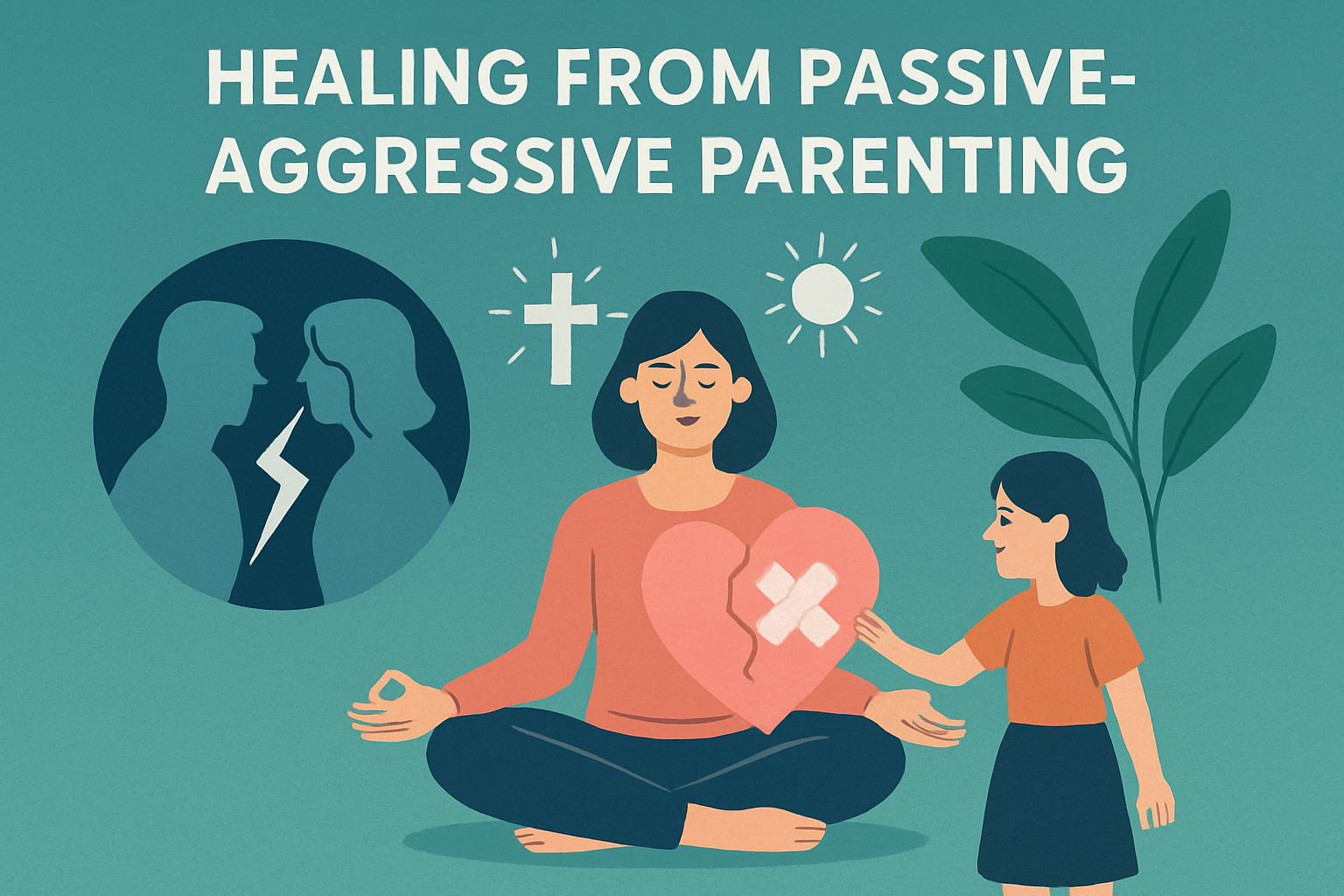
This trauma-informed guide helps adult survivors of passive-aggressive parenting identify patterns from a passive-aggressive mother or father, understand emotional and nervous system impacts, practice inner child healing, and set boundaries that protect well-being. Find practical exercises, product suggestions, and a month-long plan to support steady recovery.

Learn how to identify passive-aggressive behavior in relationships, trust your body and observations, and take clear steps to repair or limit contact. Find neuroscience-informed cues, short scripts to try, boundary options, and product recommendations to help you protect your energy.

Passive-aggressive behavior often leads to emotional exhaustion, not because of what’s said, but because of what’s left unsaid. The passive-aggressive energy drain comes from decoding mixed signals, absorbing tension, and trying to maintain peace without clarity. If you’ve felt depleted after these interactions, it’s time to learn how to protect your energy with boundaries that honor your emotional well-being.

Passive-aggressive behavior erodes trust across work, family, and intimate relationships by hiding criticism behind jokes, withdrawal, or conditional warmth. This post offers clear ways to recognize patterns and practice repair with recommended tools to support healing and accountability.

The psychological phenomenon in which hostages or victims of kidnapping begin to experience emotional bonding to their captors is known as Stockholm Syndrome. The term originated from a bank robbery in Stockholm, Sweden, in 1973, where hostages defended their captors after being released. The notion of experiencing Stockholm Syndrome in relationships may sound strange at […]