

Burnout is about feeling emotionally depleted, disconnected from yourself, and unsure how to begin again, as well as experiencing fatigue that goes deep down to your bones. It doesn’t just drain your energy, it erodes emotional clarity, your sense of self and your capacity to feel joy, too. If you’ve been pushing through stress, over giving or just surviving for too long, you may be wondering: How can I learn how to recover from burnout when I feel so far from myself?
Today, we offer you a compassionate, trauma-informed path forward. No pressure. No productivity hacks. Just simple steps to help you restore your strength and reconnect with who you are.
How to Recover from Burnout: What Burnout Really Feels Like
If you’re wondering how to recover from burnout, the first step is recognizing what burnout actually feels like, and how it differs from everyday fatigue or boredom.
Burnout is a deep emotional and physical depletion that doesn’t go away with a nap, a weekend off, or even a vacation. It’s the sense that your inner resources have been drained, and no matter how much you try to rest, you still feel hollow. You may find yourself going through the motions (working, caregiving, showing up) but without any real connection to joy, purpose, or even yourself.
Unlike general tiredness, burnout often comes with emotional symptoms that are harder to name.
You might feel numb, irritable, or overwhelmed by even small decisions. There’s a quiet grief that can settle in; the feeling that you’ve lost touch with who you are.
Burnout feels like emotional shutdown. Your nervous system is overworked and overstretched. You may feel like you’re failing, even when you’re doing everything you can.
Physically, burnout can manifest as headaches, muscle tension, digestive issues, and sleep disruptions. But the emotional toll is what makes recovery so essential.
If you’ve been asking yourself, “Why don’t I feel like myself anymore?” or “How do I get back to who I was?”, you are likely experiencing burnout.
Learning how to recover from burnout means not dismissing these symptoms. It means creating space for emotional repair, not just physical rest. And most importantly, it means giving yourself permission to heal at your own pace.
How to Recover from Burnout: Understanding the Root Causes
To truly understand how to recover from burnout, it helps to explore what caused it in the first place.
Burnout often stems from chronic emotional labor, especially in caregiving roles, helping professions, or environments where your needs are consistently deprioritized. Perfectionism, people-pleasing, and unresolved trauma can also play a role, creating a cycle where you feel compelled to keep giving even when you’re running on empty.

Over time, this constant output overwhelms your nervous system. You may find yourself stuck in fight, flight, or freeze mode, unable to relax or feel safe.
Recovery isn’t just about taking a break. It’s about repairing the emotional damage that burnout leaves behind. That means creating space for rest, reflection, and reconnection, not just with your body, but with your inner world.
How to Recover from Burnout
Stabilize Your Nervous System
The first step in learning how to recover from burnout is to stabilize your nervous system. Before you try to “fix” anything, your body and mind need to feel safe. When your nervous system is overwhelmed, even small tasks can feel impossible. Creating emotional safety is the foundation for everything that follows.
Start with grounding rituals. Place your hands on your heart and belly, breathe slowly, and feel your body. Use sensory resets like warm tea, soft textures, or calming scents to soothe overstimulation.
Movement like stretching, walking, or rocking can help release stress and tension and signal safety to your system. These practices remind your body that it’s okay to slow down, and that healing is allowed.
Reconnect with Yourself
Burnout disconnects you from your own identity, needs, and emotional clarity. Reconnection is an essential process if you want to truly understand how to recover from burnout. When you’ve been in survival mode for a long while, it’s easy to lose sight of who you are beyond your responsibilities. A significant part of recovery is rediscovering yourself.
Start with reflective journaling. Ask yourself: “What do I miss about myself?” “What feels nourishing right now?” “What am I afraid to ask for?” These questions are meant to help you listen.
Rebuilding self-trust takes time, but small rituals can help. Choose one thing each day that honors your limits. Write yourself permission slips that say, “I’m allowed to rest.” These small acts of self-compassion begin to restore the emotional connection that burnout erodes.
Restore Strength Through Micro-Healing
You don’t need a full life overhaul to recover from burnout. You need micro-moments of emotional nourishment. Tiny, consistent acts that help rebuild your strength from the inside out. These moments are powerful. They remind you that healing doesn’t have to be dramatic.
Try two-minute rituals: a breath, a mantra, a stretch. Use affirmations like “I am worth restoring” or “Rest is productive” to reframe your relationship with recovery.
Strength isn’t about pushing through. It’s about knowing when to pause. These micro-healing practices help you rebuild resilience without overwhelming your system.
How to Recover from Burnout: Boundaries as Emotional Medicine
One of the most overlooked aspects of how to recover from burnout is the role of boundaries. Burnout often comes from over giving, like saying yes when you mean no, absorbing others’ emotions, or sacrificing your own needs to keep the peace.
Healthy boundaries are essential. They protect your energy, your clarity, and your emotional well-being.
- Start by saying no without apology: “I’m not available for that right now.”
- Conduct an energy audit. Ask yourself what drains you and what restores you.
- Use boundary scripts like “I need time to recharge before I commit” or “I care deeply, and I also need space.”
Boundaries are bridges to emotional safety. They help you reclaim your time, your voice, and your sense of self.
Resources to Support You as You Learn How to Recover from Burnout
When you’re emotionally depleted, even small acts of care can feel overwhelming. That’s why having simple, supportive tools on hand can make a meaningful difference.
If you’re wondering how to recover from burnout in a way that feels sustainable, consider integrating products that promote rest, grounding, and emotional clarity into your daily routine.
These recommendations are helpful add-ons to soothe your nervous system and help you to reconnect with yourself. Whether you’re creating a calming bedtime ritual or space for emotional regulation, these items can help you build moments of healing throughout your day.
Recommended Products for Burnout Recovery
| Product | Purpose | Why It Helps |
|---|---|---|
| UGG Weighted Blanket | Nervous system regulation | Provides deep pressure stimulation to calm anxiety and support restful sleep. |
| Aromatherapy Essential Diffuser | Sensory grounding | Creates a calming environment; supports breathwork and emotional regulation. |
| LFS Yoga Mat with Extra Cushioning | Gentle movement | Encourages restorative stretching and somatic release without strain. |
| Blue Light Blocking Glasses | Sleep hygiene | Reduces screen-induced cortisol spikes; supports melatonin production and emotional rest. |
| Guided Journal for Burnout Recovery | Emotional clarity | Offers 60-days of prompts for self-reflection, boundary setting, and reconnecting with joy. |
| Noise-Canceling Headphones | Sensory protection | Helps reduce overstimulation and create emotional space in noisy environments; choose one that fits your budget. |
How to Recover from Burnout: When to Seek Support
You don’t have to recover from burnout alone.
If your symptoms feel unshakable, or if you’re navigating trauma, grief, or chronic stress, support can make all the difference. Asking for help is one of the most courageous things you can do.
Consider trauma-informed therapy, coaching focused on emotional resilience, or peer support groups that understand what you’re going through. Healing in community can be deeply restorative. You are worthy of care. You are not a burden. And you don’t have to carry this alone.
Frequently Asked Questions: How to Recover from Burnout
How do I know if I’m experiencing burnout or just regular stress?
Burnout is more than temporary stress. It’s a chronic state of emotional, physical, and mental exhaustion. If rest doesn’t help, you feel disconnected from yourself, and even small tasks feel overwhelming, you may be experiencing burnout. Unlike regular stress, burnout often includes emotional numbness, loss of motivation, and a deep sense of depletion.
What’s the first step in how to recover from burnout?
The first step is to stabilize your nervous system. Before you try to “fix” anything, your body and mind need to feel safe. Gentle grounding rituals, sensory resets, and slow, intentional breathwork can help regulate your system and create the emotional safety needed for deeper healing.
Can I recover from burnout without quitting my job or making a major life change?
Yes. While some people may need to make structural changes, many can begin recovery through micro-healing practices, emotional boundaries, and nervous system regulation. Learning how to recover from burnout doesn’t always require drastic shifts. It starts with small, consistent acts of self-compassion and clarity.
How long does it take to recover from burnout?
There’s no standard timeline. Recovery depends on the depth of burnout, your support system, and how consistently you’re able to honor your emotional needs. For some, it may take weeks, for others, months or longer. The key is to consistently move forward without rushing or comparing your healing to others.
What if I feel guilty for resting or setting boundaries?
Guilt is common, especially if you’ve been conditioned to give too much or equate worth with productivity. But rest is not selfish, it’s essential and your boundaries don’t constitute rejection, they’re required for self-preservation. Part of learning how to recover from burnout is rewriting the internal scripts that tell you rest isn’t allowed. You are worthy of care.
How can I tell the difference between burnout and depression?
Burnout and depression can feel similar, but they stem from different roots. Burnout is typically tied to prolonged stress, especially from work, caregiving, or emotional overextension. It often improves with rest, boundaries, and nervous system support.
Depression, on the other hand, may persist regardless of external changes. It can include deep sadness, hopelessness, loss of pleasure in things you once enjoyed, and changes in sleep or appetite. If your symptoms feel pervasive, not just situational, or if you’re struggling to function day-to-day, it’s important to seek professional support. You deserve compassionate care, no matter the label.
Should I seek professional help for burnout?
If your burnout feels unshakable, or if it’s layered with trauma, grief, or chronic stress, professional support can be incredibly helpful. Trauma-informed therapy, coaching, or peer support groups can offer validation, tools, and community.
How to Recover from Burnout: You Are Worth Restoring
Learning how to recover from burnout is not a linear journey. Some days will feel lighter, others heavier. But every time you choose rest, self-compassion, or a boundary, you’re rebuilding your strength. You are not behind; you are healing. And you are worth restoring, not because of what you do, but because of who you are.
Thank you as always for reading.
Affiliate Disclosure: Some links in this post are affiliate links. As an Amazon Associate, we earn from qualifying purchases. Thank for supporting Kindness-Compassion-and-Coaching.com at no extra cost to you.

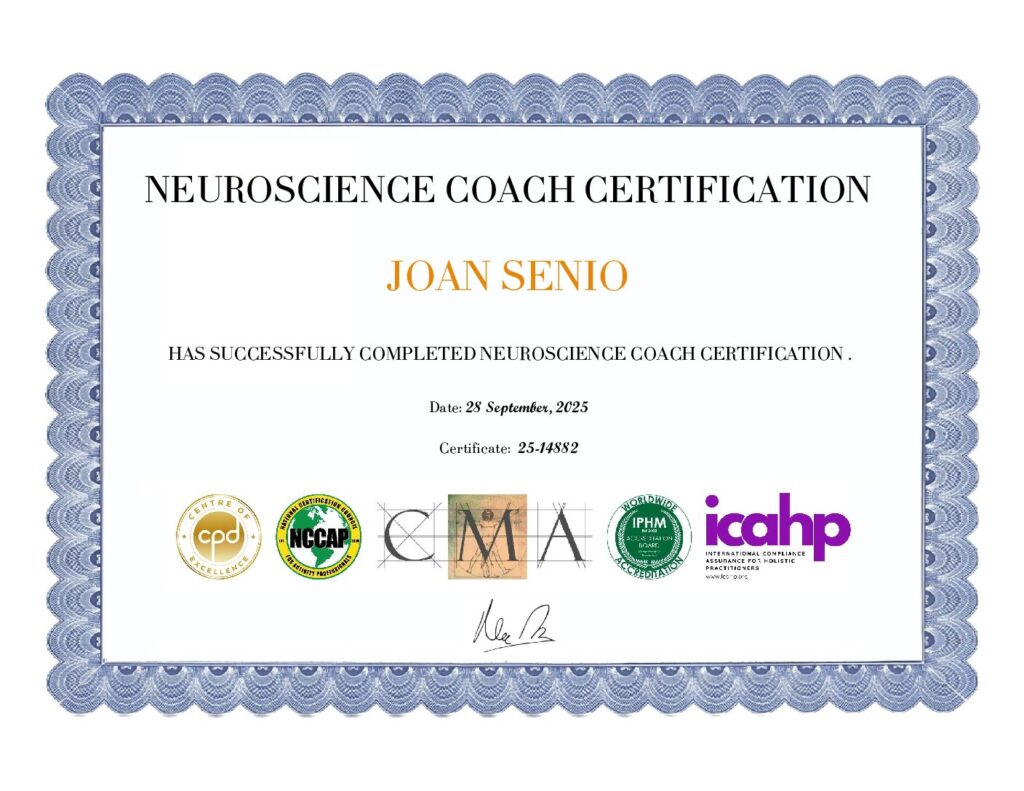
Joan Morabito Senio is the founder of Kindness-Compassion-and-Coaching.com. Joan’s career includes clinical healthcare plus 20+ years as an executive in a nationwide health care system and 15 years as a consultant. The common threads throughout Joan’s personal and professional life are a commitment to non-profit organizations, mental health, compassionate coaching, professional development and servant leadership. She is a certified Neuroscience Coach, member of the International Organization of Life Coaches, serves as a thought-leader for KuelLife.com and is also a regular contributor to PsychReg and Sixty and Me. You can read more about Joan here: Joan Senio.

No Responses