

Have you ever replayed a mistake over and over in your head? Or felt a pang of regret every time you reflect on a certain memory? Learning how to forgive yourself is a courageous step that can help you release all that negativity. By turning compassion inward, you give yourself permission to heal and grow beyond past errors.
Self-forgiveness is about acknowledging your humanity, embracing the lessons beneath the pain, and choosing kindness over criticism. When you let go of self-blame, you open space for resilience, creativity, and renewed confidence.
Today, we share compassionate, coaching-inspired practices to move through guilt, make amends, and cultivate lasting self-compassion.
Table of Contents
How to Forgive Yourself: Why Self-Forgiveness Matters
The Cost of Unforgiveness
It is important to understand the impact of holding onto regret.
Holding onto regret makes every mistake feels magnified and inescapable. Each time you revisit a past error, you feed self-doubt, and reinforce the thought that you’re not smart enough, kind enough, or capable enough.
Your inner critic thrives on this and fosters feelings of unworthiness, so that even small setbacks feel like proof that you’ll always fall short.
Over time, this negative self-talk becomes a default soundtrack, eroding your confidence and making it harder to trust your own instincts.
Unforgiveness seeps into your relationships and also impacts your body. When you doubt your value, you may pull away from loved ones, fearing they’ll discover your “flaws” and reject you.
Physically, chronic shame raises stress hormones, leading to tight shoulders, headaches, or shallow breathing. Left unchecked, this tension can pave the way for anxiety, low-grade depression, or burnout.
Self-forgiveness frees you from the cycle of self-criticism and opens the door to genuine healing. This practice can help you to jettison guilt and instead experience growth, resilience, and renewed confidence. Learning how to forgive yourself can help you to reclaim the emotional freedom you deserve.

The Power of Self-Compassion
Self-compassion is the intentional practice of offering yourself the same warmth and understanding you’d give a dear friend. Instead of turning inward with harsh criticism, you pause and acknowledge that making mistakes is part of being human.
This shift from self-judgment to self-nurture is core to learning how to forgive yourself. By speaking kindly to yourself, you interrupt the loop of shame. When you treat yourself with patience and care, you also build trust in your own ability to grow.
Cultivating self-compassion also rewires your stress response. Research shows that self-soothing practices lower cortisol levels and activate brain regions linked to calm and connection.
In everyday life, this means that as you heal, you will face setbacks with more balance, viewing errors as learning moments rather than character flaws.
Over time, consistent self-kindness fuels resilience: you become more able to readily bounce back, more creative under pressure, and open to risks that lead to meaningful growth.
Embracing self-compassion is a powerful, proven approach to transforming guilt into confidence and moving forward with genuine self-acceptance.
How to Forgive Yourself: Understanding Your Past Mistakes
How to Forgive Yourself: Name What Happened
To begin learning how to forgive yourself, you first need to review the facts of what occurred without letting guilt blur the narrative. Grab a journal or open a blank document and give yourself permission to record the incident in clear, simple terms.
Describe what took place, who was involved, and the choices you made. Record just the objective details, as if you were a neutral observer.
This practice grounds you in reality and prevents your mind from exaggerating or minimizing the event, two tendencies that keep shame alive.
Once you’ve outlined the facts, move into your emotional landscape. Use prompts such as: What feelings surfaced in that moment? How did my body respond? What stories did I start telling myself immediately afterward?
Writing these responses without self-judgment creates compassionate context for difficult emotions.
As you document your truth, you’ll begin to see the difference between the raw experience and the harsh self-criticism layered on top. This clarity is the first step in learning how to forgive yourself and replacing regret with insight.
How to Forgive Yourself: Shift Perspective
When you’re learning how to forgive yourself, the lens you choose to view your past mistakes makes all the difference. Instead of replaying the event through a filter of shame, try stepping back and seeing yourself as a fellow human in action.
Ask: What was I trying to achieve in that moment? What pressures or fears were driving my choices?
Reframing turns the spotlight away from self-judgment and toward understanding your motives and context. As you cultivate compassion for yourself, you’ll notice your harsh inner critic beginning to make space for growth-centered reflection.
To deepen this shift, experiment with reframing questions in your journal or during quiet reflection. For example, “What lesson is hidden in this mistake?” or “How would I coach a friend who faced a similar challenge?”
By engaging your inner coach instead of your inner critic, you begin to rewrite the story from one of defeat into one of discovery.
Over time, these conscious perspective changes build a habit of compassion, so that instead of getting stuck in guilt loops, you naturally pivot toward constructive insights and resilience.

How to Forgive Yourself
Acknowledge and Accept
The first action in learning how to forgive yourself is to turn toward your experience with open-hearted honesty. Begin by naming what you did and the feelings it stirred such as shame, regret, or confusion without layering on blame.
Speak to yourself as you would a dear friend: “I made a choice that I wish I could change. I feel ashamed for it.” This simple, compassionate statement cracks open the door to acceptance, interrupting the cycle of self-criticism that keeps regret alive.
Once you’ve named the facts and your emotions, deepen acceptance by reminding yourself that imperfection is part of being human.
Try an affirmation like, “I accept that I acted from fear, and I’m willing to learn.” Sit with those words for a few breaths, letting them settle into your body.
You might notice resistance at first because your inner critic may protest. But each time you gently return to these affirmations, you weaken shame’s grip.
This practice of acknowledgment and acceptance lays the foundation for real healing and shows you how to forgive yourself, one breath at a time.
Apologize and Make Amends (When Possible)
Apologizing to yourself is a powerful act in learning how to forgive yourself. Write or say aloud a sincere apology that names the harm you feel you caused and acknowledges your responsibility.
For example: “I’m sorry I reacted out of fear. I understand how that choice affected us.” This self-directed apology validates your own experience, shows that you’re willing to face discomfort, and begins to dissolve the wall of shame between your actions and your self-worth.
If your mistake impacted others, extending an apology and making amends can release lingering tension.
Reach out with genuine humility. Express what you regret, take clear responsibility, and ask what can help them to move forward.
Whether it’s a heartfelt conversation, offering to repair damage, or simply listening without defensiveness, these steps demonstrate your commitment to growth.
By aligning your words with meaningful action, you reinforce your integrity and deepen the self-compassion essential for how to forgive yourself.

Learn and Commit to Growth
Turning regret into insight is a cornerstone of how to forgive yourself.
Begin by asking gentle reflection questions: What specifically did I learn about my triggers or patterns? How might I respond differently next time? Write down these lessons without judgment.
View them as data points rather than evidence of failure. This curious, growth-minded stance transforms shame into actionable wisdom and demonstrates that you’re invested in your own evolution.
Next, translate those lessons into a realistic action plan. Choose one or two specific behaviors to shift, and set small, measurable goals, for example, pausing to take three deep breaths before responding when you feel criticized.
Enlist an accountability partner or coach to check in weekly and celebrate progress, even if it’s just a subtle shift in self-awareness. Over time, these consistent, compassionate adjustments reinforce the belief that change is possible.
Release Guilt Through Rituals
Creating a ritual to release guilt can help you to forgive yourself. Rituals translate internal shifts into concrete actions, signaling to your brain that you’re letting go of old stories.
Start by writing a letter to yourself or the parts of your life tied to regret. Describe what you’re ready to release such as shame, self-blame, or fear, and acknowledge the lessons you carry.
When you’re ready, choose a symbolic action: tear the letter into pieces, bury it in the earth, or safely burn it.
Watching the words vanish helps your nervous system register closure, anchoring the intention to move forward.
You can also build simple daily rituals that integrate self-forgiveness into your routine. For instance, each morning, stand before a mirror and place your hand over your heart. Take three slow breaths, saying internally, “I forgive myself for yesterday’s mistakes.” Feel the rise and fall of your chest as a tactile reminder that kindness is already within you.
In the evening, light a candle. Enjoy five minutes of guided forgiveness meditation, visualizing each regret as a dark cloud dissipating in warm light.
Over time, these repeated practices train your mind and body to release guilt automatically, making the journey of how to forgive yourself a living, embodied practice rather than a one-off exercise.

How to Forgive Yourself: Overcoming Common Roadblocks
When you’re learning how to forgive yourself, the fear of repeating mistakes can be paralyzing. Anxiety often shows up as constant second-guessing and keeps you stuck in perfectionism mode.
To move past this, reframe fear as a signal to slow down and learn, not as proof that you’re doomed to fail.
Treat each new moment as a fresh experiment: set a small, low-stakes goal, notice what you learn, and celebrate the courage it takes to try again.
Deep-seated guilt and perfectionism tend to feed off each other, convincing you that only flawless performance will wash away regret.
In reality, perfectionism fuels shame by raising an impossible bar. Counter this by practicing “good enough” actions: finishing an imperfect draft, having a candid conversation despite butterflies, or sharing a work-in-progress with someone you trust.
Each time you embrace imperfection, you weaken the hold of guilt and reinforce your capacity to forgive yourself for simply being human.
Sometimes, self-guided practices aren’t enough to dissolve entrenched patterns.
If guilt feels overwhelming or perfectionism persists, seeking professional support can be a game-changer. A therapist, counselor, or trained coach can help you identify hidden triggers, offer trauma-informed techniques, and hold you accountable to the self-compassion practices you’re building.
With expert guidance, roadblocks may lift faster. And you may gain more tools to help you learn how to forgive yourself and move forward with confidence.

How to Forgive Yourself: Tips for Continued Compassion
Building on how to forgive yourself requires continued self-compassion.
Start with practices that take less than five minutes to make a big impact. For example, set an hourly reminder to pause for three mindful breaths and silently repeat, “I forgive myself for being human.”
Or each morning, look in the mirror and place your hand over your heart as you affirm, “I release yesterday’s guilt and step into today with kindness.”
These rituals train your nervous system to default to self-support rather than self-criticism, reinforcing how to forgive yourself as an ongoing, embodied practice.
Accountability and reflection amplify your progress. Partner with a friend, mentor, or coach who can check in weekly about your self-forgiveness efforts, celebrating wins and offering gentle feedback when you get stuck.
Keep a journal where you log moments of self-compassion, note lingering regrets, and track shifts in your mindset.
At the end of each week, review your entries to notice patterns: Which practices helped you let go most powerfully? Where did self-doubt creep back in?
This consistent reflection not only cements the lessons of how to forgive yourself but also turns growth into a tangible, motivating journey.
How to Forgive Yourself: Wrap Up and Next steps
Today, you’ve seen how naming your mistakes, making amends, and creating release rituals can dissolve shame and rebuild trust in yourself.
Now it’s time to put theory into action and use these practices to turn regret into resilience and open the door to fresh possibilities.
Choose one practice like a nightly forgiveness ritual or a morning mirror affirmation and commit to it for the next week. Journal to keep track of shifts in your self-talk. If you feel comfortable doing so, enlist a friend or coach for accountability.
As you learn how to forgive yourself, you will begin to move beyond self-criticism and into a life fueled by compassion and growth.
Whenever doubt creeps in, revisit this guide to remind yourself of what you’ve learned. Self-forgiveness is a compassionate choice that you deserve to make.
Thank you as always for reading.
If you haven’t yet subscribed, please enter your email address so you never miss a post.
Affiliate Disclosure: Some links in this post are affiliate links. As an Amazon Associate, we earn from qualifying purchases. Thank you for supporting Kindness-Compassion-and-Coaching.com at no extra cost to you.

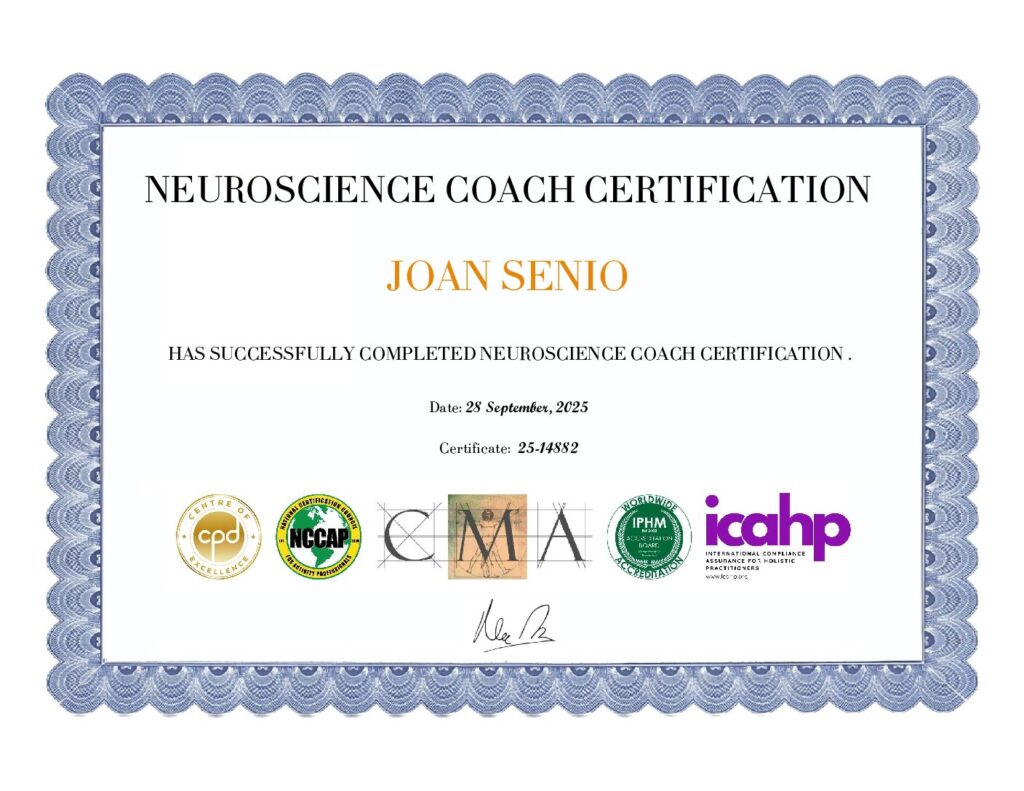
Joan Morabito Senio is the founder of Kindness-Compassion-and-Coaching.com. Joan’s career includes clinical healthcare plus 20+ years as an executive in a nationwide health care system and 15 years as a consultant. The common threads throughout Joan’s personal and professional life are a commitment to non-profit organizations, mental health, compassionate coaching, professional development and servant leadership. She is a certified Neuroscience Coach, member of the International Organization of Life Coaches, serves as a thought-leader for KuelLife.com and is also a regular contributor to PsychReg and Sixty and Me. You can read more about Joan here: Joan Senio.


No Responses