

We all have behavior patterns as a result of our life experience. Some are borne from pain, others from a need to protect ourselves; still more as a result of outside influences or poor choices we made early in life. These behaviors (often demonstrated as bad habits) can shape almost every aspect of how we live day to day, limit our future potential, and keep our dreams well out of reach.
We beat ourselves up, but our habits aren’t necessarily signs of our own weakness; they are often quiet, unintended responses to stress, fear, or unmet emotional needs. This happens because our own destructive and damaging behaviors often begin as coping mechanisms.
At Kindness-Compassion-and-Coaching.com, we believe change starts not with harsh judgment, but with understanding. By exploring the psychological roots of these habits, we can open the door to healing, growth, and ultimately, change. We also believe that making it a priority to overcome habits that are harmful to us is yet another way that we can demonstrate self-care and self-love.
Today, we explore the potential drivers of bad habits and the strategies that can help to pave the way for a more positive, healthy, affirming and fulfilling life.
Table of Contents
The Psychology of Bad Habits
Understanding the psychology behind self-sabotage, the underlying triggers of bad habits and the impact of those negative behaviors can help us find the strength to break them. Working to replace bad habits with positive habits can help us foster a more enriching and balanced lifestyle.
Bad habits are rarely the result of a single poor choice. They’re often the product of deep psychological patterns that reinforce themselves over time.
Instant Gratification
At the core of many negative behaviors lies a struggle between short-term comfort and long-term growth. The brain is wired to seek pleasure and avoid pain, and habits that provide instant gratification such as procrastination, junk food, or impulse spending, can temporarily soothe discomfort, even as they erode well-being. Over time, these behaviors become automatic responses to stress, anxiety, boredom, or emotional fatigue.
Self-Sabotage
Another powerful driver of bad habits is self-sabotage. This often stems from limiting beliefs or unresolved emotional wounds like fear of failure, imposter syndrome, or low self-worth. A person who unconsciously feels undeserving of success might procrastinate on important projects or undermine progress with distractions.
Emotional Avoidance
Overspending can be a form of emotional avoidance, filling a psychological void or offering a fleeting sense of control. Similarly, unhealthy eating or drinking may serve as numbing agents when deeper needs for connection or self-care go unmet.
Cognitive Bias
Cognitive biases also play a role as well. The “present bias” makes us disproportionately favor immediate rewards over future benefits, while “confirmation bias” reinforces behaviors that align with our existing self-image, even if that image is flawed. These biases make it difficult to break the cycle, especially when bad habits are socially normalized or emotionally soothing.
Breaking free typically requires more than willpower; it involves rewiring thought patterns, addressing the root causes of behavior, and developing alternative coping mechanisms that align with a healthier self-concept.
How to Identify Bad Habits
Identifying bad habits is an essential first step. Excessive screen time. Negative self-talk. Alcohol or substance abuse. Recognizing our own behaviors for what they truly are is the first thing we need to do to break free of them and creating lasting positive change.
Identifying negative habits requires both self-reflection and heightened self-awareness. It can help to examine daily routines and thought patterns to recognize repetitive actions that may be counterproductive or detrimental to well-being.
Journaling, mindfulness practices, or seeking feedback from those we trust can also aid in this introspective process.
Understanding Triggers and Underlying Drivers of Bad Habits
Bad habits are often tied to specific triggers or patterns. Whether it’s stress, boredom, social cues, or emotional triggers, understanding the circumstances that prompt these behaviors is also key.
Once you’ve named your habit and explored its emotional and practical impact through journaling or reflection, the next step is to uncover its roots and rewards. Every habit (good or bad) serves a purpose, even if it’s not immediately obvious. Ask yourself: What need is this behavior trying to meet?
Maybe procrastination protects you from the fear of failure, or emotional eating offers comfort in times of stress.
Identifying the underlying trigger or reward helps you understand what the habit is really doing for you. With that insight, you can begin to replace the behavior with a healthier alternative; one that honors the need without causing harm. Compassionate curiosity at this stage is key, because it builds the bridge between awareness and intentional change.
Assessing the impact of negative habits on our mental, emotional, and physical well-being can help us to recognize the need for change. Consider the potential long-term consequences of a poor habit and reflect on how your bad habits align (or do not align) with your values and goals. This can provide the necessary motivation to replace a destructive habit with a positive alternative.
Implementing Positive Replacement Habits
Once you’ve identified the underlying reward of the habit and begun exploring healthier alternatives, the next step is to practice conscious replacement and build consistency.
This is where intention meets repetition. Start small. Introduce a positive behavior that directly addresses the same emotional or psychological need as your old habit. For instance, if stress triggers emotional eating, you might try soothing rituals like deep breathing, journaling, or a calming walk. If procrastination stems from fear, you might develop micro-goals that build confidence without overwhelming you.
This phase is about creating a supportive environment for change. Use visual cues, accountability tools (like a journal or a coach), and daily check-ins to reinforce your new behavior. The brain thrives on patterns, so consistency (even in tiny doses) will eventually start to rewire your mental pathways. And if you stumble, meet yourself with kindness, not criticism. Every attempt is progress.

Seeking support from friends, family, or a support group can provide encouragement and accountability in the journey of habit replacement. Sharing goals, progress, and challenges with a trusted circle creates a sense of responsibility and motivation to stay committed to the path of positive change.
7 Tips to Maintain New Good Habits
Initiating new positive habits is a key step. But sustaining them over time is equally essential for lasting progress. By incorporating the following tips, we can bolster our efforts to sustain new positive habits:
- Start Small. When integrating new positive habits, it’s best to start with manageable, attainable steps. Setting overly ambitious goals can lead to frustration. Begin with small, achievable actions and gradually build upon them.
- Establish a Routine. Incorporating these behaviors into a consistent daily routine helps solidify them as integral parts of our lifestyle.
- Monitor Progress and Celebrate Milestones. Tracking progress and celebrating milestones provide motivation and reinforcement. Keep a journal or use a habit-tracking apps to monitor achievements. Celebrating small victories nurtures a sense of accomplishment.
- Cultivate Flexibility and Adaptability. Life is dynamic, and unforeseen circumstances are inevitable. Be prepared to adapt to changes. Embrace adaptable strategies, such as modifying workout routines or adjusting schedules. This can help you to navigate challenges while staying committed to positive behaviors.
- Leverage Accountability and Support Systems. Seek support from friends, family, or a mentor. Sharing goals and progress with a trusted support system fosters a sense of responsibility. Additionally, connecting with those who share similar objectives can foster a shared sense of commitment.
- Practice Self-Compassion and Patience. Cultivating new habits requires patience and self-compassion. Embrace the occasional setback as a natural part of the journey. Reframe challenges as opportunities for growth.
- Reflect regularly. Regularly reflect on the positive impact of new habits and reaffirm their alignment with overarching goals. By recognizing the benefits these behaviors bring to our lives and acknowledging their purpose, we strengthen our commitment to maintain them.
How to Identify Bad Habits and Replace Them with Good Ones
It is clear that our daily choices have a profound impact on our overall well-being, health and success.
Identifying negative habits and replacing them with positive ones requires introspection, understanding triggers, evaluating impact, goal setting, and implementing supportive strategies.
When we adopt a proactive and intentional approach to habit replacement, we help ourselves to break free from detrimental cycles and cultivate a lifestyle that aligns with our aspirations and well-being.
Seizing the potential for positive change through habit replacement fosters lasting personal growth, resilience, and a renewed sense of purpose.
Let’s commit to cultivating habits that align with our values and aspirations.
Take the first step towards a brighter, more empowered future by implementing the strategies discussed and begin to make conscious choices to shape a life filled with positivity, productivity, and fulfillment.
Share your insights and experiences in the comments below, and let’s inspire each other.
To learn more about ways to work to be your best self, visit Simple Well-Being Tips: How to Improve Your Quality of Life Now.
Thank you as always for reading. Be sure to subscribe so you never miss a post.
Affiliate Disclosure: Some links in this post are affiliate links. As an Amazon Associate, we earn from qualifying purchases. Thank you for supporting Kindness-Compassion-and-Coaching.com at no extra cost to you.

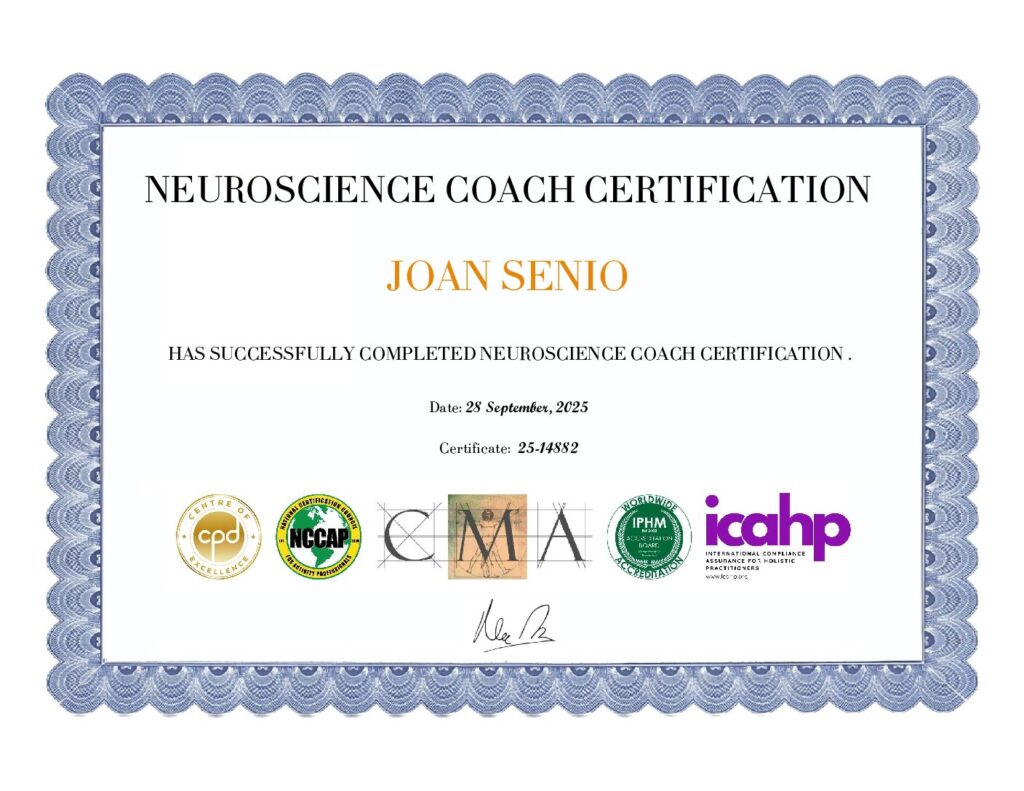
Joan Morabito Senio is the founder of Kindness-Compassion-and-Coaching.com. Joan’s career includes clinical healthcare plus 20+ years as an executive in a nationwide health care system and 15 years as a consultant. The common threads throughout Joan’s personal and professional life are a commitment to non-profit organizations, mental health, compassionate coaching, professional development and servant leadership. She is a certified Neuroscience Coach, member of the International Organization of Life Coaches, serves as a thought-leader for KuelLife.com and is also a regular contributor to PsychReg and Sixty and Me. You can read more about Joan here: Joan Senio.



2 Responses
I wish I had a life coach. Sometimes, with so many things on my to do list, I don’t know which one to pursue first.
I love your emails. They are so informative and helpful and confirms other CBT articles and books I read.
Hi Ed,
Thank you for commenting and for being a loyal reader. Please let me know if there’s a particular subject you would like us to feature, and we’ll be happy to do so. Best of luck and congratulations on making your own development a priority.
Sincerely,
Joan