

Mindfulness journaling offers a simple way to understand our inner thoughts and feelings more clearly.
Taking up a mindfulness journaling practice can help us tap into a calmer, more grounded version of ourselves.
Instead of trying to control our thoughts or force ourselves into a particular mindset, we are able to create a space where our thoughts can unfold naturally. This practice helps us slow down enough to notice what is happening inside, which is often the first step toward emotional clarity and regulation.
How to Start a Mindfulness Journaling Practice
Many people think mindfulness requires meditation sessions or a perfectly quiet environment.
In reality, mindfulness journaling can be done anywhere you can sit with a notebook and a few uninterrupted minutes.
The act of writing slows the mind, allowing you to observe your thoughts as they appear. Over time, this builds awareness, steadiness, and a deeper understanding of your emotional patterns.

Mindfulness journaling is especially powerful because it helps you achieve focus.
You literally channel your thoughts onto the page. This creates a natural rhythm that helps you stay present.
The more you practice, the easier it becomes to recognize what you feel, why you feel it, and what you need in the moment.
Why Mindfulness Journaling Works
Mindfulness journaling works because it brings your attention into the present moment.
When you write about what you are experiencing right now, you shift out of autopilot and into awareness. This shift helps you see your thoughts and emotions with more accuracy. You begin to notice patterns that were previously hidden, such as recurring worries, old stories that no longer serve you, or emotional triggers that show up in familiar ways.
Writing also slows the pace of your thoughts. Instead of racing from one idea to the next, you capture them one sentence at a time. This creates a natural pause that allows you to reflect.
You may notice that your thoughts soften as you write, or that emotions that felt overwhelming become easier to understand. This is the nature of emotional clarity.
Another reason mindfulness journaling is effective is that it gives you a record of your inner world.
When you look back on previous entries, you can see how your thoughts and emotions shift over time. This helps you understand your growth, your challenges, and the ways you are learning to support yourself. It also helps you recognize progress that might otherwise go unnoticed.
Mindfulness Journaling for Beginners
Beginning a mindfulness journaling practice does not require special skills.
You do not need to be a writer or have perfect grammar. You only need a notebook, a pen, and a willingness to be honest with yourself.
Start by finding a quiet moment in your day. Sit comfortably, take a slow breath, and bring your attention to the present moment. Notice how your body feels and the thoughts that are already moving through your mind.
When you begin writing, focus on what is happening right now.
You might describe your physical sensations, emotions, or the thoughts that are most present. You can also write about what you need, what you fear, or what you hope for. The goal is simply to observe your inner experience without judgment.
If you feel stuck, you can begin with a simple sentence such as “Right now I notice…” or “In this moment I feel…” These openings help you shift into awareness. As you continue writing, you may find that your thoughts begin to flow more easily. Allow them to move wherever they need to go.
Over time, your journaling practice will become a familiar ritual. You may find that you look forward to the moments when you can sit with your notebook and reconnect with yourself. This consistency builds emotional clarity because it gives you regular opportunities to check in with your inner world.
Learn about Seasonal Mindfulness & How to Find Comfort in Grounding.
How Mindfulness Journaling Improves Emotional Clarity
Emotional clarity comes from understanding what you feel and why you feel it.
Many people move through their days without pausing long enough to notice their emotions. This can lead to confusion, overwhelm, or reactive behavior. Mindfulness journaling helps you slow down and observe your emotions with more accuracy.
When you write about your emotions, you give them shape. You may notice that an emotion you thought was anger is actually disappointment or you may discover that a feeling of anxiety is connected to a specific thought or memory. You may realize that you are carrying tension in your body without noticing it.
These insights can help you respond to your emotions with more intention.
Mindfulness journaling also helps you separate your emotions from your identity. Instead of saying “I am anxious,” you begin to say, “I notice anxiety.” This shift promotes awareness that emotions are temporary experiences, not permanent truths, a perspective that can help you navigate difficult emotions more calmly and with less stress.
Mindfulness journaling also helps you recognize emotional patterns. You may notice that certain situations trigger similar emotions or that your mood shifts at particular times of day. You may discover that certain thoughts create tension or stress. These patterns give you valuable information about how to support yourself.
Research supports all the benefits of present‑moment awareness cultivated through mindfulness journaling. The American Psychological Association offers a helpful overview of how mindfulness influences emotional well‑being.
Learn 10 Trauma-Informed Mindfulness Exercises
Creating a Supportive Mindfulness Journaling Routine
A supportive mindfulness journaling routine doesn’t need to be complicated.
You can begin with five minutes a day. Choose a time that feels natural, such as first thing in the morning or before bed. Create a space that feels comfortable. You might light a candle, sit near a window, or keep your favorite pen nearby. These small details help you settle into the moment.
As you write, focus on being present. Notice your breath and the movement of your hand on the page.
Focus on thoughts as they arise. If you notice that your mind wanders, prompt yourself to return to the present moment. This practice strengthens your ability to stay grounded.
You may find that your journaling practice evolves over time. Some days you may write several pages. Other days you may write only a few sentences. Both are valuable.
Products to Support You as You Begin to Journal
We recommend the products below to support mindfulness journaling. Each item includes a short review to help you choose what may best fit your practice. Use the links to explore each option more fully.
| Product | Review |
|---|---|
| iAmEvolving Undated Guided Gratitude Journal | A structured journal that supports daily reflection and intention setting. The layout encourages consistent practice and helps beginners stay focused. |
| The Five Minute Journal | A simple format that helps you build a daily habit of mindfulness journaling. Ideal for beginners who want a quick and effective routine. |
| Mindsight Breathing Buddha | A visual breathing tool that supports mindful awareness. Helpful for grounding before journaling sessions. |
| Muse 2 Meditation and Sleep Tracker | A wearable device that tracks your meditation sessions and provides real‑time feedback. Useful for those who want to deepen their mindfulness practice. |
| Mr. Pen Drawing and Sketch Pens | A versatile set of pens for expressive journaling. Ideal for those who enjoy adding color or sketches to their entries. |
| PAPERAGE Lined Spiral Hardcover Journal | A durable, high‑quality journal with smooth paper and a sturdy cover. Perfect for daily mindfulness journaling. |
Frequently Asked Questions
What is mindfulness journaling? Mindfulness journaling is the practice of writing with present‑moment awareness. You focus on your thoughts, emotions, and sensations as they arise, which helps you understand your inner world with more clarity.
How often should I journal? You can journal as often as you like. Many beginners start with five minutes a day. Consistency matters more than duration.
Do I need prompts to begin? Prompts can be helpful, but they are not required. You can begin by writing about what you notice in the present moment.
What if I do not know what to write? Start with a simple sentence such as “Right now I notice…” This helps you shift into awareness and begin writing.
Can mindfulness journaling reduce stress? Yes. Writing slows your thoughts and helps you observe your emotions more clearly, which often reduces stress.
Learn more about the benefits of mindfulness.
Mindfulness Journaling: Your Call to Action
As you explore mindfulness journaling, remember that this practice is simply about creating an opportunity to hear your inner voice, feelings and thoughts more clearly.
Every time you open your notebook to write, you are choosing presence over pressure and awareness over autopilot. That choice strengthens your ability to understand your emotions, respond with intention, and reconnect with the parts of yourself that often get lost in the noise of daily life.
If this approach resonates with you, consider making mindfulness journaling a regular part of your week.
Choose a notebook that feels inviting, set aside a few minutes each day, and allow your thoughts to unfold without judgment. Over time, you will begin to notice improvement in how well you understand yourself and regulate your own emotions.
Thank you as always for reading.
Affiliate Disclosure: Some links in this post are affiliate links. As an Amazon Associate, we earn from qualifying purchases. Thank you for supporting Kindness-Compassion-and-Coaching.com at no extra cost to you.

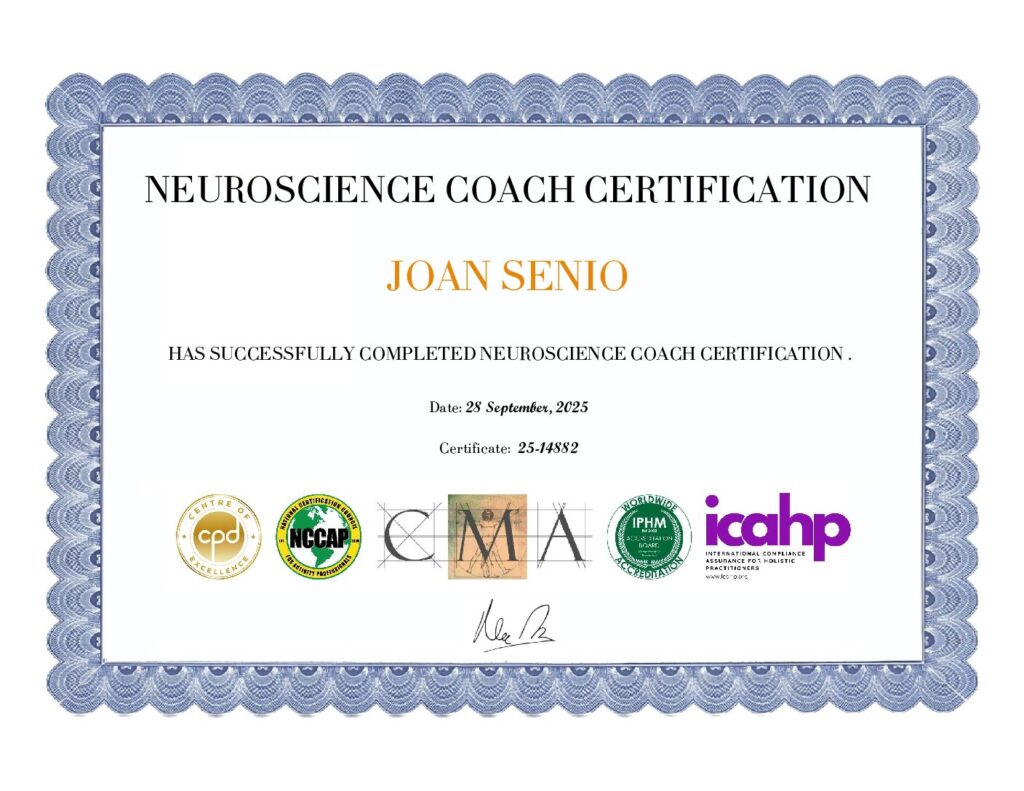
Joan Morabito Senio is the founder of Kindness-Compassion-and-Coaching.com. Joan’s career includes clinical healthcare plus 20+ years as an executive in a nationwide health care system and 15 years as a consultant. The common threads throughout Joan’s personal and professional life are a commitment to non-profit organizations, mental health, compassionate coaching, professional development and servant leadership. She is a certified Neuroscience Coach, member of the International Organization of Life Coaches, serves as a thought-leader for KuelLife.com and is also a regular contributor to PsychReg and Sixty and Me. You can read more about Joan here: Joan Senio.












No Responses