

Mastering your breath is the foundation of presence and empathy. When you inhale and exhale with intention, tension melts away, stress loosens its grip, and a gentle awareness blooms. Whether you’re preparing for a significant event or simply seeking a moment of calm in a busy day, refining your breathing pattern and adopting a habit of mindful breathing can transform overwhelm into clarity.
In the following exploration, you’ll discover straightforward techniques to harness the power of breath – cultivating resilience, deepening connection, and nurturing kindness for yourself.
Breathing Basics
Breathing is something we do naturally without giving it much thought. However, did you know that most of us do it wrong? And that proper breathing techniques can have a significant impact on our health and overall well-being?
In fact, learning the art of mindful breathing can be a game changer for our mental, emotional and physical health.
Before we delve into the benefits of proper breathing, let’s start with the basics.
Breathing is the process of inhaling oxygen and exhaling carbon dioxide.
It is essential for supplying oxygen to our body’s cells and removing waste products.
But breathing is more than just a basic necessity; it can be a useftl tool to enhance our physical and mental well-being.

Understanding the Breath – Mind Connection
Mindful breathing is more than an exercise. It’s a direct line to your autonomic nervous system, where each intentional inhale signals safety and release.
As you draw air into your diaphragm, oxygen floods your bloodstream, calming the amygdala’s fight-or-flight alarms and inviting the vagus nerve to slow your heartbeat.
This physiological dance transforms tension into tranquility, helping you to achieve a state that is both grounded and alert.
Beyond the body, mindful breathing reshapes the landscape of your mind.
By focusing on each inhalation and exhalation, you create a stable anchor for awareness, gently detaching from racing thoughts and habitual reactivity.
This nonjudgmental observation nurtures emotional resilience, allowing you to meet clients with genuine empathy and unwavering focus.
How to Breathe Properly: The Physical Benefits
Proper breathing techniques can have numerous physical benefits.
When we breathe correctly, we allow for maximum oxygen intake, which improves our lung capacity and strengthens the respiratory muscles.
This, in turn, leads to improved cardiovascular health and increased energy levels.
Moreover, deep breathing stimulates the parasympathetic nervous system, promoting relaxation and reducing stress.
It can also lower blood pressure and improve digestion.
By incorporating proper breathing into our daily routine, we can enhance our body’s overall function and boost our immune system.
The Mental and Emotional Impact
Breathing techniques not only have physical benefits but also support our mental and emotional well-being.
Deep breathing activates the relaxation response, which helps reduce anxiety, improve focus, and induce a sense of calmness.
When we breathe deeply, we send a signal to our brain that we are safe, allowing us to shift from a state of fight-or-flight to one of relaxation and balance.
This can be particularly beneficial for individuals dealing with stress, anxiety disorders, or even insomnia.
For related information, visit 10 Trauma-Informed Mindfulness Exercises.
How to Breathe: Practical Exercises
Next, let’s explore a few practical exercises to incorporate into our daily routine:
Core Mindful Breathing Techniques
- Diaphragmatic Breathing: Also called belly breathing, this technique asks you to place one hand on your abdomen and one on your chest. Inhale slowly through your nose, feeling your belly rise while your chest stays relatively still, then exhale fully. This deep oxygenation soothes the nervous system, reduces muscle tension, and promotes a sense of grounded calm. It’s ideal for beginners or anyone who habitually takes shallow chest breaths, such as those managing chronic stress or office workers at risk of tension headaches.
- Box Breathing: Box breathing follows a steady four-count pattern: inhale for four seconds, hold for four, exhale for four, and pause for four before repeating. This rhythmic cycle engages the parasympathetic response, quieting mental chatter and stabilizing heart rate. It’s particularly beneficial for high-pressure professionals—executives, first responders, or athletes—who need a rapid, portable tool to regain focus during intense moments.
- 4-7-8 Method: The 4-7-8 technique extends the exhalation to maximize relaxation: inhale for four seconds, hold for seven, then exhale for eight. That longer exhalation triggers a pronounced drop in physiological arousal, making it easier to fall asleep or break an anxiety spiral. Insomniacs, overthinkers, and anyone facing pre-presentation jitters will find this method especially helpful for shifting from tension to tranquility.
- Alternate Nostril Breathing: For this practice, use your right thumb to close your right nostril and inhale through the left for a count of four. Then switch—close the left nostril with your ring finger and exhale through the right. Reverse the pattern for several cycles. Balancing airflow between nostrils harmonizes brain hemispheres, sharpens mental clarity, and calms emotional turbulence. Creative professionals, students during exam prep, and coaches seeking deeper intuitive insight will appreciate its synergy of focus and equanimity.
Incorporating proper breathing techniques into our daily life can have a profound impact on our health and well-being.
Take a moment, focus on your breath, and experience the benefits it can provide.
If you’re looking for more variety, we’ve got you covered. You’ll find a roundup of selected mindfulness practices, including recommendations for how to get started in each in Mindfulness for Beginners: The Best Mindfulness Tools and Resources.
Thank you as always for reading.
If you haven’t yet subscribed, please enter your email address so you never miss a post.
Affiliate Disclosure: Some links in this post are affiliate links. As an Amazon Associate, we earn from qualifying purchases. Thank you for supporting Kindness-Compassion-and-Coaching.com at no extra cost to you.

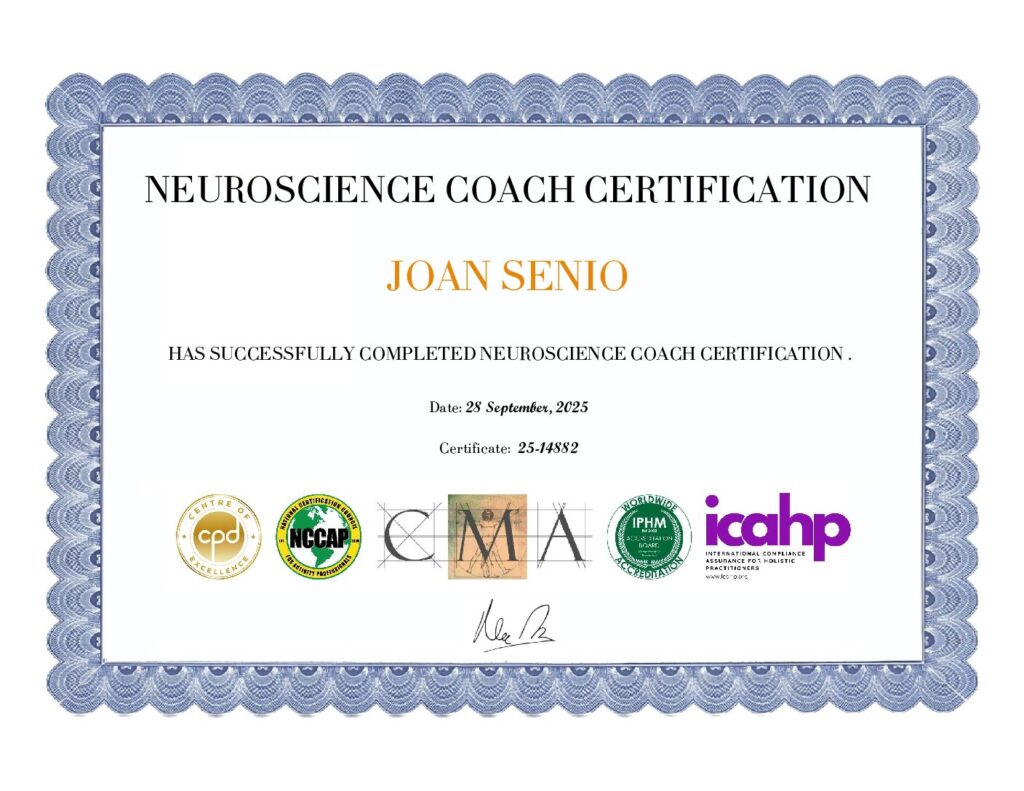
Joan Morabito Senio is the founder of Kindness-Compassion-and-Coaching.com. Joan’s career includes clinical healthcare plus 20+ years as an executive in a nationwide health care system and 15 years as a consultant. The common threads throughout Joan’s personal and professional life are a commitment to non-profit organizations, mental health, compassionate coaching, professional development and servant leadership. She is a certified Neuroscience Coach, member of the International Organization of Life Coaches, serves as a thought-leader for KuelLife.com and is also a regular contributor to PsychReg and Sixty and Me. You can read more about Joan here: Joan Senio.





One Response
I am familiar with what you are talking about-amd value it–and am happy that the Mayo Clinic talks about the importance of “Belly Breathing.”