

Wellness trends pop up overnight and vanish just as fast, but one practice has not only endured but has actually ignited a global movement: mindfulness. It’s spreading like wildfire, and for good reason. The benefits of mindfulness include sharper focus, calmer nerves, deeper sleep, and even boosted immunity, all grounded in decades of research. If you’ve ever wondered why millions can’t stop talking about it, keep reading. This could be the simple shift your life has been waiting for.
Table of Contents
Introduction to Benefits of Mindfulness
Your heart pounds with anxiety. Thoughts spiral into relentless worry. The weight of chronic stress feels too heavy to bear. Sound familiar? If you experience these symptoms, it’s easy to feel isolated. And desperate for relief.
But generalized anxiety disorder, panic attacks, chronic stress, depression, brain fog, insomnia, chronic pain, PTSD and the aftermath of trauma all have one thing in common: they become easier to manage with mindfulness. And relief may occur sooner than you thought possible.
In this post, we’ll share the science behind mindfulness and reveal evidence-backed benefits of mindfulness that you can take advantage of right away.
Reshaping neural pathways. Lowering stress hormones. Strengthening emotional resilience. It’s all within reach. Read on to earn exactly how these practices can offer real, calming relief, no matter how intense your symptoms.
Benefits of Mindfulness: The History
Before we get into the benefits of mindfulness, let’s take a quick look at the history of this timeless practice. Because mindfulness may feel like a modern wellness trend, but its far more than that. Its roots stretch back thousands of years.
Ancient Origins in the East
Hinduism: One of the earliest mentions of mindfulness appears in ancient Hindu texts, where practices like dhyana (meditative absorption) encouraged self-awareness and inner peace. These traditions laid the groundwork for later developments in mindful meditation.
Buddhism: The Buddhist concept of sati, meaning “moment-to-moment awareness,” is central to mindfulness. Dating back to the 5th century BCE, Buddhist teachings emphasized present-moment attention as a path to liberation from suffering.
Mindfulness Across Traditions
While often associated with Eastern philosophies, mindfulness also appears in other spiritual contexts:
Christianity: Practices like contemplative prayer and monastic silence reflect mindful awareness.
Judaism and Islam: Traditions of reflection, gratitude, and intentional presence echo mindfulness principles.
From Ancient Wisdom to Modern Science
Mindfulness entered Western psychology in the late 20th century, thanks to pioneers like Jon Kabat-Zinn, who developed the concept of Mindfulness-Based Stress Reduction (MBSR) in 1979. His work translated Buddhist principles into a secular, evidence-based framework that demonstrated the benefits of mindfulness for stress, anxiety, and overall well-being.
Benefits of Mindfulness: The Science
In longitudinal neuroimaging studies, regular mindfulness practice has been shown to physically reshape the brain in areas associated with attention, compassion, and self-awareness.
For example, an eight-week MBSR program led by Harvard researchers revealed an average increase of 5-8% in gray matter density in the hippocampus (the region tied to learning and memory) and a concurrent decrease in the amygdala, which governs stress and anxiety responses.
These structural changes illustrate one of the core benefits of mindfulness: greater emotional regulation powered by actual neuroplasticity rather than willpower alone.

Across dozens of randomized controlled trials, mindfulness interventions reduced levels of the body’s primary stress hormone, cortisol, by up to 30%.
A 2014 meta-analysis in JAMA Internal Medicine evaluated 18 studies confirmed that dialing down cortisol production leads to one of the most tangible benefits of mindfulness: a buffering of the chronic fight-or-flight response that underlies anxiety disorders, insomnia, and burnout.
Evidence also shows mindfulness can bolster immune function. In a landmark study published in Brain, Behavior, and Immunity, participants who completed an eight-week MBSR course exhibited a 20% higher antibody response to the seasonal influenza vaccine compared to non-meditators.
This enhanced vaccine efficacy highlights another dimension of the benefits of mindfulness. By reducing stress and inflammation, mindfulness helps to improve protection against illness.
Mindfulness training has also been linked to significant reductions in inflammatory biomarkers like C-reactive protein (CRP) and interleukin-6 (IL-6).
Although some research findings are mixed, a 2014 PLOS ONE trial found participants showed a 15% drop in CRP following an MBSR program. This suggests that another benefit of mindfulness is its ability to counteract chronic inflammation.
Inflammation is recognized as a condition linked to depression, cardiovascular disease, and certain autoimmune disorders.
If you’re already sold on the benefits of mindfulness, check out our guide, “Mindfulness for Beginners: All You Need to Get Started Now,” where you’ll find everything you need to start your own mindfulness practice.
Top Benefits of Mindfulness Explained
The benefits of mindfulness reach far beyond a momentary calm. Mindfulness can reshape how you think, feel, rest, and relate.
Below are four major categories of findings that describe nine science-backed benefits of mindfulness that have been shown to assist recovery from severe stress, anxiety, and other chronic conditions.
Laser-Like Focus and Cognitive Clarity
Mindfulness trains your brain to notice when it drifts into worry or rumination and gently guide attention back to the present.
In clinical trials, participants who practiced a brief daily mindfulness exercise improved working memory by 15-20% and reduced mind-wandering errors by nearly 50%. This boost in cognitive control means you spend less mental energy on intrusive thoughts and more on clear, purposeful action.

Emotional Resilience and Anxiety Reduction
One of the most celebrated benefits of mindfulness is its power to recalibrate your stress response. By observing anxious thoughts without judgment, you weaken the habitual “fight-or-flight” reaction.
Research shows regular practice can lower anxiety scores by up to 30% in people with generalized anxiety disorder and halve the frequency of panic attacks. Over time, those neural pathways that once spiraled into worry are rewired toward equanimity and self-compassion.
Restful Sleep and Physical Recovery
Poor sleep is both a symptom and a driver of chronic stress. Mindfulness slows the mental chatter that keeps you tossing and turning, while reducing cortisol levels that interfere with deep sleep.
In randomized studies, those engaging in an eight-week mindful-sleep program reported 40% fewer nighttime awakenings and a 25% reduction in insomnia severity. As sleep quality improves, your body’s natural healing processes such as immune function, inflammation control, and tissue repair also strengthen.
Deepened Compassion, Self-Compassion and Social Connection
Beyond personal relief, mindfulness cultivates a kind, open heart. Practices like loving-kindness meditation increase activity in brain regions tied to empathy and affiliation.
People who meditate regularly score higher on measures of social connectedness and report 35% greater satisfaction in personal relationships. By fostering non-judgmental awareness, you become more attuned to others’ needs and better equipped to offer genuine support.
Each of these benefits of mindfulness works in concert to build a foundation of steady well-being. As you continue your practice, you’ll find these gains amplify one another: deeper sleep sharpens your mind, reduced anxiety frees emotional bandwidth, and enhanced compassion enriches every interaction.

Benefits of Mindfulness: Real-World Applications
In boardrooms around the globe, companies are harnessing the benefits of mindfulness to boost productivity and curb burnout.
Corporate organizations
Google’s “Search Inside Yourself” program, for example, has trained over 10,000 employees in mindfulness and emotional intelligence, resulting in a reported 15% increase in employee engagement and a 20% drop in reported stress levels.
By integrating short, guided mindfulness breaks into the workday, organizations are seeing tangible returns on wellness investments and employees are experiencing clearer thinking, stronger teamwork, and a renewed sense of purpose.
Schools and Universities
Schools and universities are also tapping into the benefits of mindfulness to create more supportive learning environments.
In a large-scale pilot across 50 U.S. middle schools, mindfulness-based interventions led to a 25% reduction in disciplinary incidents and a 30% improvement in students’ emotional regulation scores. Teachers report quieter classrooms and deeper student focus, while young people gain practical tools for managing exam anxiety, peer pressure, and social media overwhelm.
These real-world successes show that when schools embrace mindfulness, everyone from administrators to adolescents reaps lasting rewards.

Healthcare Settings
Healthcare settings have long recognized the benefits of mindfulness for patients facing chronic illness, pain, or trauma. At Massachusetts General Hospital, participation in an eight-week MBSR course cut cancer patients’ symptom distress by nearly 40% and improved their quality-of-life ratings.
Community clinics offering drop-in mindfulness sessions report fewer emergency visits for anxiety or panic attacks, and support groups incorporating loving-kindness practices note deeper connection and resilience among members.
Across industries and demographics, mindfulness isn’t just a trend. It’s a proven strategy for real-world healing and performance enhancement.
Frequently Asked Questions about the Benefits of Mindfulness
What is mindfulness, really?
Mindfulness is the practice of bringing your attention to the present moment without judgment. It’s about noticing your thoughts, emotions, and sensations with curiosity and compassion. Whether you’re washing dishes or navigating a tough conversation, mindfulness helps you stay grounded and aware.
What are the benefits of mindfulness?
The benefits of mindfulness are both emotional and physical. Practicing regularly can:
- Reduce stress and anxiety.
- Improve focus and clarity.
- Enhance emotional regulation.
- Support better sleep.
- Foster greater self-compassion and empathy.
Research shows that even a few minutes of daily mindfulness can lead to measurable improvements in well-being.
Do I need to meditate to be mindful?
No. While meditation is a powerful way to cultivate mindfulness, you can also practice it in everyday activities like walking, eating, or journaling. The key is intentional awareness.
How long does it take to see the benefits of mindfulness?
Many people notice subtle shifts within a few days as they begin to feel calmer or more centered. Long-term benefits of mindfulness, such as reduced reactivity or improved emotional resilience, tend to deepen over weeks or months of consistent practice.
Can mindfulness help with emotional healing?
Yes. Mindfulness creates space to observe difficult emotions without being overwhelmed by them. It’s especially helpful for those navigating trauma, grief, or burnout because it fosters self-compassion and nonjudgmental awareness.
Where can I learn more or get started?
You can explore beginner-friendly mindfulness guides, printable resources, and compassionate coaching tools right here on Kindness-Compassion-and-Coaching.com. For our entire collection of mindfulness resources, visit: Kindness-Compassion-and-Coaching, Mindfulness. To view our comprehensive starter kit, check out: Mindfulness for Beginners or visit Seasonal Mindfulness to discover seasonal techniques to use now.
For related information, visit 10 Trauma-Informed Mindfulness Exercises.
Benefits of Mindfulness: Action Steps
If you’re new to mindfulness, these simple steps will help you move from reading about the benefits of mindfulness to feeling them in your daily life:
- Start small. Five minutes is enough to begin rewiring your brain for focus, calm, and resilience. Commit to one practice at a time and notice how tiny moments of awareness build up into lasting change.
- Find a consistent time and place. Sit comfortably, set a timer for three to five minutes, and focus on your breath.
- Do a quick body scan. From head to toe, notice any tension or discomfort without trying to change it.
- Practice mindful walking. During a short stroll, pay attention to each step, the sensation under your feet, and the rhythm of your movement.
For more detailed guidance, check out our extensive guide, “Mindfulness for Beginners: All You Need to Get Started Now,” where you’ll learn about some of the most popular mindfulness practices, including everything from sound bathing to walking meditation. It also includes a 3-day Starter plan, additional resources and much more. There is something for everyone. Give it a try! Bookmark your favorite practice and schedule it into your week.
With consistent effort, you’ll transform curiosity into calm, and intention into real-world relief.
And you will be astonished at how soon you will begin to experience the deep benefits of mindfulness.
For more suggestions, visit 7 Anxiety Self-Care Tips: How to Recover Now.
Thank you as always for reading.
Affiliate Disclosure: Some links in this post are affiliate links. As an Amazon Associate, we earn from qualifying purchases. Thank you for supporting Kindness-Compassion-and-Coaching.com at no extra cost to you.

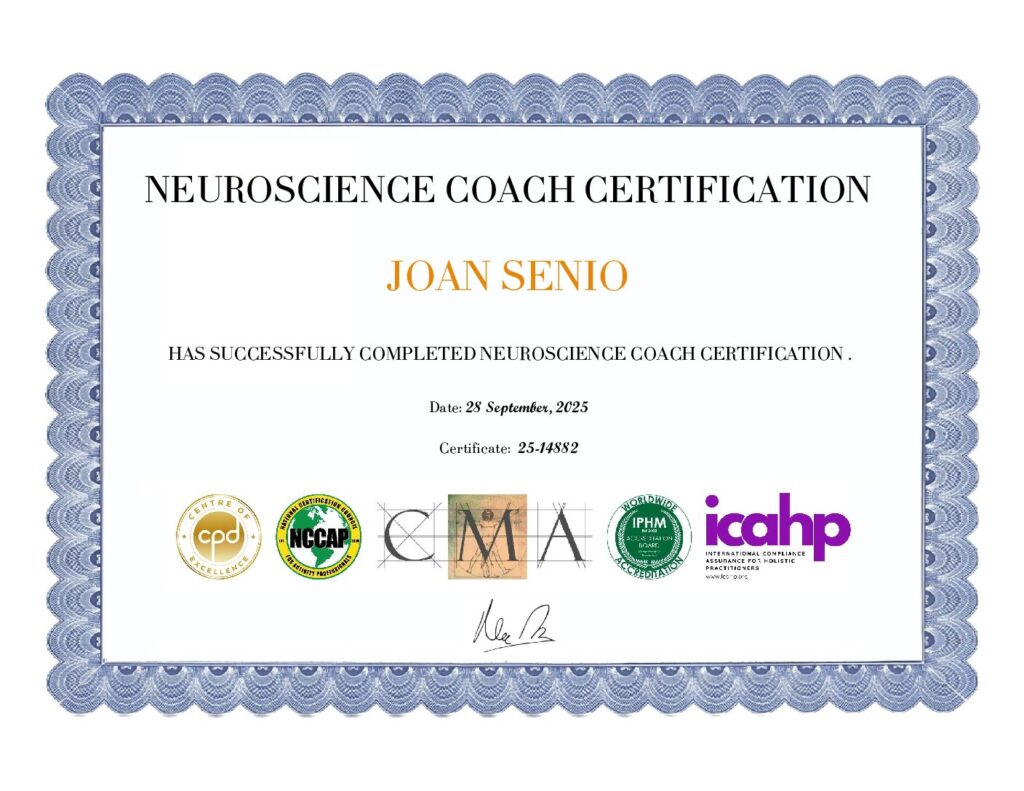
Joan Morabito Senio is the founder of Kindness-Compassion-and-Coaching.com. Joan’s career includes clinical healthcare plus 20+ years as an executive in a nationwide health care system and 15 years as a consultant. The common threads throughout Joan’s personal and professional life are a commitment to non-profit organizations, mental health, compassionate coaching, professional development and servant leadership. She is a certified Neuroscience Coach, member of the International Organization of Life Coaches, serves as a thought-leader for KuelLife.com and is also a regular contributor to PsychReg and Sixty and Me. You can read more about Joan here: Joan Senio.








No Responses