

The care circuit is gaining attention across coaching, psychology, and trauma-informed wellness as a vital pathway for sustainable empathy and emotional resilience. Unlike stress-driven behaviors that can lead to burnout, the care circuit engages specific neural systems that promote warmth and connection. This care circuit activation supports health care professionals, therapists, caregivers, leaders, parents, teachers, coaches, empaths, and anyone in helping roles to remain present without becoming depleted.
Interest in neuroscience, and how it can be impactful to emotional and physical health is rising. Searches for terms like nervous system regulation, polyvagal theory, and trauma-informed self-care reflect a growing demand for tools that support emotional sustainability. There are more people asking questions like, “How do I keep showing up?” every day.
This article complements our post on compassion fatigue recovery. Today, we focus on the care circuit as a proactive, evidence-based support system. You’ll learn how to nurture it and recognize when it’s active. We will also share additional resources to expand your efforts to build a healthy and vital care circuit of your own.
Let’s begin by understanding what the care circuit is and how it differs from the patterns that lead to emotional exhaustion.
Care Circuit vs. Compassion Fatigue
Understanding the difference between care circuit activation and compassion fatigue is essential for anyone practicing trauma-informed self-care. These two states reflect opposite ends of the caregiving spectrum. One results in regulated empathy, the other in emotional depletion.
The care circuit involves neural pathways that support connection and emotional sustainability. When th care circuit is healthy and nurtured, it engages the prefrontal cortex, vagus nerve, and oxytocin system, allowing caregivers to remain present without becoming overwhelmed. This state supports nervous system regulation and helps prevent burnout before it begins.
In contrast, compassion fatigue results when our behaviors and caring are driven by chronic stress and emotional overload. This type of caring often results in detachment, irritability, and a loss of empathy. The amygdala and stress hormones dominate, making it difficult to stay connected or responsive.
Activating the care circuit is a proactive way to improve your emotional resilience and reduce the risk of fatigue. It’s a core component of a plan to achieve compassion fatigue recovery and a fundamental skill for anyone in helping roles.

How to Nurture Your Care Circuit and Achieve Care Circuit Activation
While mindfulness is often recommended, there are several other practices that support nervous system regulation for caregivers. These approaches are grounded in neuroscience, polyvagal theory, and emotional intelligence. They support the body’s ability to shift from stress-driven reactivity into a state of regulated empathy.
Evidence-Based Practices That Support Care Circuit Activation
- Polyvagal-Informed Breathwork. Techniques like box breathing and extended exhales help regulate the vagus nerve and shift the body into a state of safety. Learn more about this in our article on emotional resilience.
- Compassionate Self-Talk. Using phrases like “I’m allowed to care without carrying” supports prefrontal engagement and reduces threat responses.
- Creative Expression with Emotional Focus. Engaging in art, music, or movement that evokes connection helps stimulate oxytocin and emotional integration.
- Nature-Based Regulation. Spending time in natural environments supports sensory grounding and reduces cortisol levels.
- Co-Regulation with Others. Sharing space with attuned people helps stabilize the nervous system and reinforces relational safety.
- Structured Journaling for Emotional Clarity. Prompts like “What does my care circuit need today?” build emotional literacy and support trauma-informed self-care.
- Micro-Rituals of Care. Repeatable actions like lighting a candle or placing a hand on the heart reinforce care-based neural pathways.
These practices help shift the body and mind into a state of care circuit activation, allowing caregivers to remain present, responsive, and emotionally sustainable. They also reduce the likelihood of entering patterns associated with compassion fatigue.
Signs Your Care Circuit Is Thriving
Recognizing the signs of care circuit activation is essential for anyone practicing trauma-informed self-care or experiencing compassion fatigue recovery.
When the care circuit is engaged, the body and mind shift into a state of regulated empathy, emotional clarity, and sustainable connection. Here are key indicators that your care circuit is active and functioning well:
- You feel energized after offering support. Instead of feeling drained, you notice a sense of purpose and vitality after helping others.
- You can set boundaries without guilt or shutdown. Saying no or pausing is met with calm rather than fear or emotional collapse.
- You experience warmth and calm in your body. Physical sensations like open chest, relaxed shoulders, and regulated breathing.
- You access self-compassion during stress. When you are uncomfortable, you respond with kindness rather than criticism or avoidance.
- You seek connection rather than isolation. Relationships feel nourishing, and you’re drawn to safe, attuned interactions.
- You notice emotional signals without being overwhelmed by them. Feelings are acknowledged and processed rather than suppressed or magnified.
These signs reflect a nervous system that is regulated, responsive, and capable of sustaining care without collapse.
If these signs feel unfamiliar, it’s time to heed the signals your body is giving you. The care circuit can be nurtured through consistent, evidence-based practices that support emotional safety and regulation.
Frequently Asked Questions: Most Common Questions About Care Circuit Activation
What is the care circuit in the brain?
The care circuit refers to a network of neural pathways involving the prefrontal cortex, vagus nerve, and oxytocin system. When activated, it supports emotional regulation, connection, and sustainable empathy. This state is essential for nervous system health for caregivers and helps prevent emotional depletion.
How does care circuit activation help with compassion fatigue?
Care circuit activation shifts the body out of stress response and into a regulated state. This reduces the risk of emotional exhaustion, detachment, and overwhelm – all key symptoms of compassion fatigue. It supports trauma-informed self-care by promoting safety, clarity, and connection.
What are the signs of compassion fatigue vs. burnout?
Compassion fatigue often develops suddenly and includes emotional numbness, irritability, and difficulty connecting with others. Burnout tends to build gradually and is linked to workplace stress. Both can benefit from care circuit activation and regulation-based practices.
Can caregivers recover from compassion fatigue?
Yes. Compassion fatigue recovery is possible through consistent self-regulation, boundary setting, and care-based practices. Activating the care circuit helps restore emotional resilience and reconnect with purpose.
What are the best self-care practices for caregivers?
The most effective trauma-informed self-care practices include breathwork, structured journaling, co-regulation, nature exposure, and compassionate self-talk. These approaches support nervous system regulation for caregivers and help sustain empathy without collapse.
How do I know if my care circuit is active?
Signs include calm, renewed energy after caregiving, healthy boundaries, and a felt sense of connection. You may notice steady breath, open posture, and a desire to engage rather than withdraw.
Is care circuit activation only relevant for therapists or healthcare workers?
No. Anyone who supports others including those supporting aging parents, those caring for a family, coaches, educators, and leaders, can benefit from care circuit activation. It’s a universal system for sustainable emotional engagement.
Resources to Support Care Circuit Activation
Activating the care circuit is not a one-time event. It requires consistent attention to nervous system regulation. These resources can offer deeper support as you work towards care circuit activation and emotional sustainability.
Recommended Books and Tools
| Resource | Why It Supports Care Circuit Activation |
|---|---|
| The Polyvagal Theory in Therapy by Deb Dana | Explains how the nervous system shapes connection and regulation. Ideal for coaches and therapists. |
| Self-Compassion by Kristin Neff | Offers evidence-based practices to build inner warmth and reduce self-criticism. |
| The Compassionate Mind Workbook | Includes structured exercises to activate care-based neural pathways and support emotional resilience. |
| Dialectical Behavioral Therapy Skills Card Deck | Highly effective mindfulness strategies to help you stay grounded, tips to help you improve relationships, and skills for emotion regulation and distress tolerance |
| Aromatherapy Diffuser with Calming Oils | Supports ritual and sensory grounding, reinforcing care circuit activation through scent and routine. Choose the one that fits you budget and personal preferences for scents. |
| The Empaths Empowerment Journal | The premier authority on empaths presents a daily self-care journal created specifically for highly sensitive people. |
These tools are selected to support both personal and professional applications of care circuit activation.
They complement practices outlined in our compassion fatigue recovery article and offer tangible ways to deepen trauma-informed self-care.
Reclaiming Connection Through Care Circuit Activation
Care circuit activation is more than a wellness trend. It’s a neuroscience-informed approach to staying emotionally engaged without becoming depleted.
This practice supports nervous system regulation and sustainable empathy for caregivers, coaches, leaders, parents, those who tend to others with special needs, and anyone in helping roles.
If you’ve been seeking recovery from compassion fatigue, activating your care circuit offers a way forward that doesn’t rely on avoidance or emotional shutdown.
You don’t need to wait for burnout to begin this work. Stay connected to yourself and others through consistent practices like breathwork and structured reflection.
For more support, explore our article on compassion fatigue recovery and consider the tools recommended in the resource section above. These are designed to help you build emotional resilience and stay grounded in your role as a caregiver, coach, or compassionate leader.
Thank you as always for reading.
Affiliate Disclosure: Some links in this post are affiliate links. As an Amazon Associate, we earn from qualifying purchases. Thank you for supporting Kindness-Compassion-and-Coaching.com at no extra cost to you.

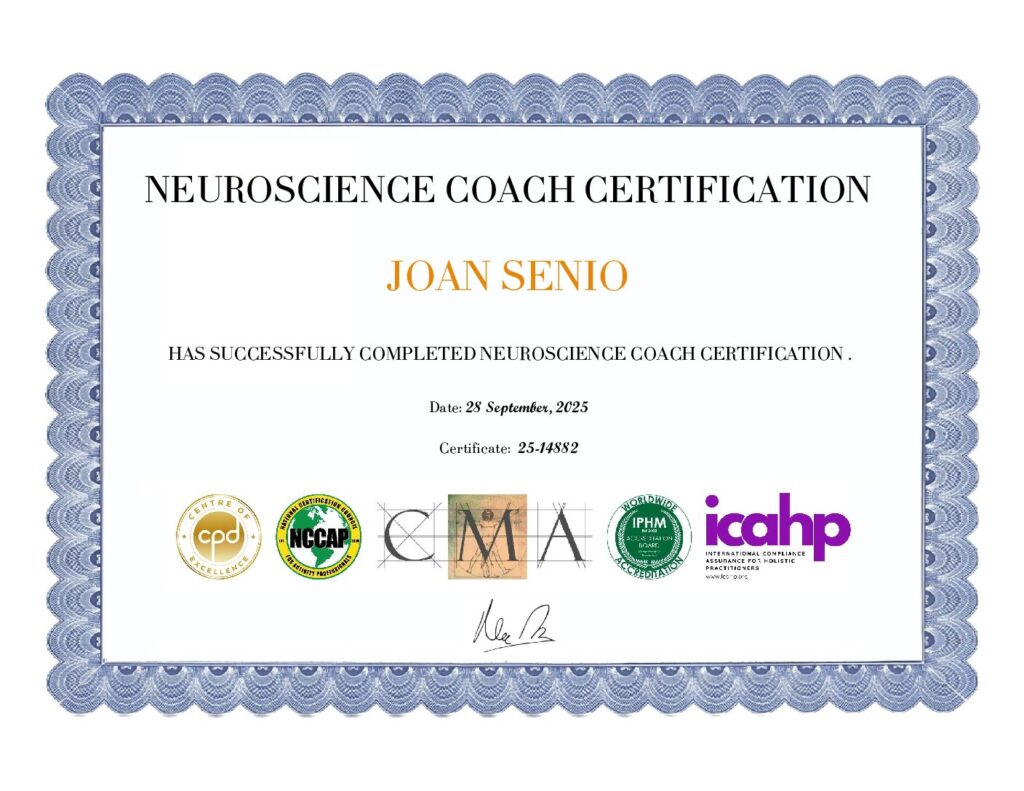
Joan Morabito Senio is the founder of Kindness-Compassion-and-Coaching.com. Joan’s career includes clinical healthcare plus 20+ years as an executive in a nationwide health care system and 15 years as a consultant. The common threads throughout Joan’s personal and professional life are a commitment to non-profit organizations, mental health, compassionate coaching, professional development and servant leadership. She is a certified Neuroscience Coach, member of the International Organization of Life Coaches, serves as a thought-leader for KuelLife.com and is also a regular contributor to PsychReg and Sixty and Me. You can read more about Joan here: Joan Senio.











One Response
[…] a concept called care circuit activation, I discovered that it’s possible to “care without carrying.” That is, to show up with warmth, […]