

If you’ve been feeling mentally, emotionally, and physically drained for months, and no amount of sleep seems to remedy your exhaustion, this post is here to help. Chronic fatigue affects millions of people who don’t meet the criteria for chronic fatigue syndrome (CFS) yet still struggle to function day after day. You may have been told you are experiencing the results of stress, burnout, depression, or just aging. You may have tried everything from adrenal support to energy hacks, only to feel dismissed or misunderstood.
Fatigue isn’t just about being tired. It can stem from a complex mix of physiological strain, emotional overload, nervous system dysregulation, and relational stress. Caregiving, trauma, perfectionism, unresolved grief, and chronic hypervigilance all take a toll.
And while adrenal fatigue symptoms are often debated in medical circles, the lived experience of exhaustion is real and craves and deserves validation.
Today, we explore the science behind chronic fatigue, including what distinguishes it from CFS, how nervous system dysregulation contributes to ongoing exhaustion, and why so many people feel depleted without a clear diagnosis.
You’ll learn how trauma, stress, and emotional suppression impact your energy and what you can do to begin restoring it.

Table of Contents
- What Causes Chronic Fatigue That Isn’t Chronic Fatigue Syndrome?
- Chronic Fatigue Syndrome Explained: What the Science Says
- Adrenal Fatigue Symptoms and HPA Axis Dysregulation
- Nervous System Dysregulation and Chronic Fatigue
- How to Recover from Chronic Fatigue Linked to Stress and Dysregulation
- Tools to Support Adrenal Fatigue Symptoms and Energy Recovery
- Frequently Asked Questions: Chronic Fatigue, Adrenal Fatigue Symptoms, and Nervous System Dysregulation
- Emotional Safety and Boundaries in Chronic Fatigue Recovery
- Additional Recommended Resources for Chronic Fatigue and CFS Support
- Reframing Fatigue as a Signal
What Causes Chronic Fatigue That Isn’t Chronic Fatigue Syndrome?
Chronic fatigue doesn’t always fit neatly into the diagnostic frame labelled as “chronic fatigue syndrome” (CFS), but this doesn’t make the chronic fatigue experienced by these sufferers any less real.
This can cause confusion and self-blame and lead to a cycle of trial-and-error remedies that rarely address the root cause.
There are many factors that can cause chronic fatigue beyond the scope of CFS including physiological, psychological, emotional, and relational stressors that accumulate over time.
- Physiologically, fatigue may stem from poor sleep quality, nutrient depletion, inflammation, hormonal shifts, food sensitivity or intolerances, or blood sugar instability.
- Psychologically, it can be driven by anxiety, depression, perfectionism, or chronic stress. Emotionally, suppressed grief, unresolved trauma, and emotional labor can drain energy reserves.
- Relationally, caregiving, toxic dynamics, and lack of boundaries often leave people depleted.
These contributors are valid. Don’t feel defeated if your symptoms don’t result in a CFS diagnosis. Recognizing this spectrum of fatigue is the first step toward meaningful support and recovery.
Chronic Fatigue Syndrome Explained: What the Science Says
Chronic Fatigue Syndrome (CFS), also known as Myalgic Encephalomyelitis (ME/CFS), is a complex, multi-system illness characterized by profound fatigue that lasts at least six months and is not improved by rest.
According to the CDC and the Institute of Medicine, key diagnostic features include post-exertional malaise (a worsening of symptoms after physical or mental activity), unrefreshing sleep, cognitive impairment, and orthostatic intolerance.
These symptoms must be persistent and severe enough to interfere with daily functioning.
Research suggests that ME/CFS also involves immune dysfunction, neuroinflammation, and abnormalities in energy metabolism. According to the Institute of Medicine, ME/CFS is a serious, chronic disease (not a psychological condition) that requires improved diagnostic criteria and medical education.
While only a subset of those experiencing fatigue meet the criteria for CFS, understanding its biological underpinnings helps validate the experience of those who feel chronically exhausted but remain undiagnosed.
It also opens the door to exploring related mechanisms, such as HPA axis disruption and nervous system dysregulation, which affect a much broader population.
Adrenal Fatigue Symptoms and HPA Axis Dysregulation
Many people searching for answers to their exhaustion come across the term “adrenal fatigue.”
While it’s not recognized as a formal diagnosis by most medical institutions, the symptoms people describe such as brain fog, low motivation, sleep disturbances, and feeling wired but tired are real.
These symptoms often reflect dysregulation in the hypothalamic-pituitary-adrenal (HPA) axis, the body’s central stress response system.
When stress becomes chronic, the HPA axis can become overactive or blunted, leading to cortisol imbalances that affect energy, mood, and immune function.
Research supports the connection between chronic stress and HPA axis disruption. Prolonged stress alters neuroendocrine function, contributing to fatigue, anxiety, and metabolic changes. The body’s attempt to adapt to stress can also wear down regulatory systems over time.
In this context, “adrenal fatigue symptoms” are better understood as signals of systemic overload.
This doesn’t constitute of failure of the adrenal glands, but a reflection of how trauma, emotional suppression, and relentless pressure can exhaust the body’s capacity to recover.
Nervous System Dysregulation and Chronic Fatigue
Nervous system dysregulation is a key driver of chronic fatigue that often goes unrecognized. When the autonomic nervous system is stuck in a state of sympathetic dominance (fight, flight, or freeze) the body remains in survival mode. This constant vigilance depletes energy reserves, disrupts sleep, impairs digestion, and more.
Polyvagal theory, developed by Dr. Stephen Porges, offers insight into how safety and connection influence nervous system regulation.
When people lack emotional safety (due to trauma, relational stress, or chronic overwhelm) their nervous system may struggle to shift into parasympathetic states that support healing and rest. This dysregulation doesn’t just affect mood; it impacts every system tied to energy production and recovery.
Recognizing nervous system dysregulation as a root cause of chronic fatigue allows for more compassionate, effective support, especially for those who feel unseen by conventional medical frameworks.

How to Recover from Chronic Fatigue Linked to Stress and Dysregulation
Recovery from chronic fatigue begins with understanding that rest alone isn’t enough. When the nervous system is dysregulated, the body may resist relaxation, even during sleep. This is why people often wake up feeling just as tired as when they went to bed.
The key is to support regulation, not just rest. That means creating conditions where the body feels safe enough to shift out of survival mode and into repair.
- Practical strategies include somatic practices like orienting, breathwork, and grounding exercises that help recalibrate the autonomic nervous system.
- Emotional processing, journaling, and trauma-informed coaching can also reduce internal stress loads.
- Sleep hygiene, blood sugar stability, and nutrient support (especially magnesium, B vitamins, and adaptogens) also play a role in restoring energy.
Recovery is not linear, but small, consistent shifts in how we relate to stress can lead to meaningful change.
Tools to Support Adrenal Fatigue Symptoms and Energy Recovery
Supporting adrenal fatigue symptoms starts with reducing the stress signals that keep the HPA axis activated. Helpful practices and products to augment recovery include:
- Setting boundaries, reducing overstimulation, and prioritizing emotional safety.
- Structured routines that include low-stimulation mornings, regular meals, and intentional pauses throughout the day.
- Helpful tools include guided somatic audio practices, trauma-informed planners, and energy tracking journals that help identify patterns and triggers.
- Products like magnesium glycinate, rhodiola, and ashwagandha may support stress resilience, but should be used alongside lifestyle changes.
- Coaching decks, affirmation cards, and emotional regulation trackers can also reinforce daily practices that support nervous system recovery.
Fatigue cannot and will not be remedied overnight. The goal is to create a sustainable rhythm that honors the body’s need for repair.
Frequently Asked Questions: Chronic Fatigue, Adrenal Fatigue Symptoms, and Nervous System Dysregulation
What are the symptoms of adrenal fatigue?
Adrenal fatigue symptoms often include brain fog, low energy, sleep disturbances, salt cravings, and feeling wired but tired. These reflect HPA axis dysregulation rather than adrenal gland failure.
How is chronic fatigue different from chronic fatigue syndrome?
Chronic fatigue is a general term for persistent exhaustion. Chronic Fatigue Syndrome (CFS) is a medical condition with specific diagnostic criteria, including post-exertional malaise and cognitive impairment.
What are some of the most common causes of non-CFS chronic fatigue?
Non-CFS chronic fatigue often stems from cumulative stressors that disrupt the body’s ability to recover. Common causes include poor sleep quality, emotional suppression, unresolved trauma, nutrient depletion, chronic inflammation, and nervous system dysregulation. Relational stress, caregiving burnout, and perfectionism also contribute. These factors may not meet diagnostic thresholds but still lead to persistent exhaustion.
What causes of chronic fatigue are most commonly overlooked by healthcare professionals?
Healthcare professionals often focus on physical markers—thyroid function, anemia, or sleep apnea—while overlooking emotional, relational, and nervous system factors. Trauma history, emotional labor, and chronic stress are rarely assessed in routine exams. Many patients are told their labs are “normal,” despite experiencing debilitating fatigue. This gap leaves people feeling dismissed and unsupported.
Are there behavioral causes of chronic fatigue?
Yes. Behavioral patterns like overcommitting, people-pleasing, and ignoring the body’s signals can lead to chronic fatigue. High-functioning individuals often push through exhaustion, suppress emotions, and neglect rest. These behaviors may be adaptive responses to trauma or social conditioning, but they deplete energy over time. Recovery often involves unlearning these patterns and prioritizing regulation.
Are there specific nutritional deficiencies or food sensitivities that can explain chronic fatigue?
Nutritional deficiencies, especially in magnesium, B vitamins, iron, and vitamin D, can contribute to fatigue. Blood sugar instability and poor gut health also play a role. Food sensitivities (e.g., gluten, dairy, histamines) may trigger inflammation or immune responses that drain energy. Functional testing and elimination diets can help identify hidden contributors.
What role does inflammation play in non-CFS chronic fatigue?
Chronic, low-grade inflammation disrupts energy metabolism, impairs mitochondrial function, and contributes to brain fog and fatigue.
Inflammation may result from poor diet, stress, gut dysbiosis, or unresolved trauma. It’s often silent, without obvious pain or swelling, but still affects how the body produces and conserves energy. Addressing inflammation through lifestyle, nutrition, and emotional regulation can support recovery.
Can nervous system dysregulation cause fatigue?
Yes. When the nervous system is stuck in fight-or-flight or freeze states, it disrupts sleep, digestion, and energy metabolism, leading to chronic fatigue.
What helps regulate the nervous system?
Somatic practices, breathwork, emotional processing, and trauma-informed routines can support nervous system regulation. Safety and connection are key.
Emotional Safety and Boundaries in Chronic Fatigue Recovery
Emotional safety is often overlooked in conversations about fatigue, yet it plays a central role in recovery.
When people feel emotionally unsafe due to trauma, relational stress, or chronic invalidation their nervous system remains on high alert.
This state of hypervigilance consumes energy, disrupts sleep, and impairs the body’s ability to repair. Creating emotional safety requires us to cultivate an environment where our body can relax and restore.
Boundaries are another key part of this process. Many fatigue sufferers are caregivers, empaths, or high achievers who struggle to say no. Overextending leads to depletion, resentment, and burnout. Learning to set boundaries (without guilt) is essential for protecting energy and supporting nervous system regulation. This includes boundaries around time, emotional labor, digital stimulation, and even self-talk.
Recovery begins when people feel safe enough to rest and empowered enough to protect that rest.
Additional Recommended Resources for Chronic Fatigue and CFS Support
The Anxiety Journal by Corinne Sweet
Review: This guided journal offers structured prompts that help users process emotions, reduce overwhelm, and build self-awareness. Unlike blank journals, it provides gentle scaffolding for reflection and regulation.
Best for: Individuals with emotional fatigue, anxiety-driven exhaustion, or those new to journaling.
Gaia Herbs Adrenal Health Daily Support
Review: A well-formulated blend of adaptogens including rhodiola, holy basil, and ashwagandha. Supports HPA axis resilience without overstimulation. Gaia’s sourcing and transparency set it apart.
Best for: People experiencing adrenal fatigue symptoms, especially those with stress-related energy crashes.
Magnesium Glycinate by Nested Naturals
Review: Highly bioavailable and gentle on digestion, this form of magnesium supports sleep, muscle recovery, and nervous system regulation.
Best for: Those with sleep disturbances, muscle tension, or chronic sympathetic activation.
The Energy Tracker: A Daily Log for Fatigue Recovery
Review: These physical logs help users identify patterns in energy, mood, sleep, and triggers. Designed for trauma-informed use with minimal overwhelm.
Best for: Individuals navigating chronic fatigue or CFS who want to track progress and identify stressors.
Apollo Neuro Wearable
Review: Though a higher investment, this wearable uses gentle vibrations to support nervous system regulation. Backed by clinical research and used in trauma recovery programs.
Best for: People with nervous system dysregulation, PTSD-related fatigue, or those seeking non-invasive support.
Reframing Fatigue as a Signal
Fatigue is not a character flaw or a weakness. It’s a signal that something in the system needs attention.
Reframing fatigue as communication, rather than weakness, allows people to approach their symptoms without shame. This shift is especially important for those who have internalized messages that they’re lazy, dramatic, or not trying hard enough.
Chronic fatigue often affects high-functioning individuals who push through exhaustion until their body forces a pause.
By viewing fatigue as a call for regulation, not punishment, people can begin to explore what their body is asking for. Is it emotional processing? Nutritional support? Nervous system rest? Relational boundaries?
This approach aligns with trauma-informed care, which prioritizes safety, agency, and compassion.
When fatigue is honored as a message, not ignored or suppressed, healing becomes possible.
Want to learn how to streamline your busy life? Visit: Double-Booked? Learn How to Stop Being Overscheduled.
Thank you as always for reading.
Affiliate Disclosure: Some links in this post are affiliate links. As an Amazon Associate, we earn from qualifying purchases. Thank you for supporting Kindness-Compassion-and-Coaching.com at no extra cost to you.

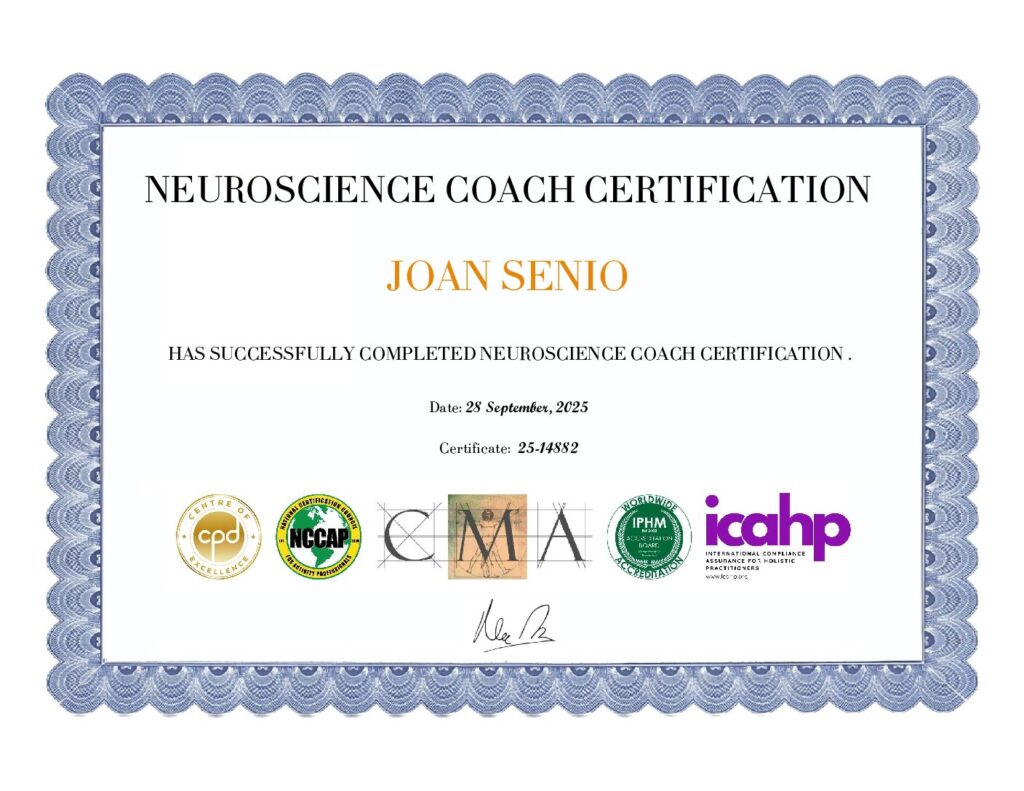
Joan Morabito Senio is the founder of Kindness-Compassion-and-Coaching.com. Joan’s career includes clinical healthcare plus 20+ years as an executive in a nationwide health care system and 15 years as a consultant. The common threads throughout Joan’s personal and professional life are a commitment to non-profit organizations, mental health, compassionate coaching, professional development and servant leadership. She is a certified Neuroscience Coach, member of the International Organization of Life Coaches, serves as a thought-leader for KuelLife.com and is also a regular contributor to PsychReg and Sixty and Me. You can read more about Joan here: Joan Senio.










No Responses