
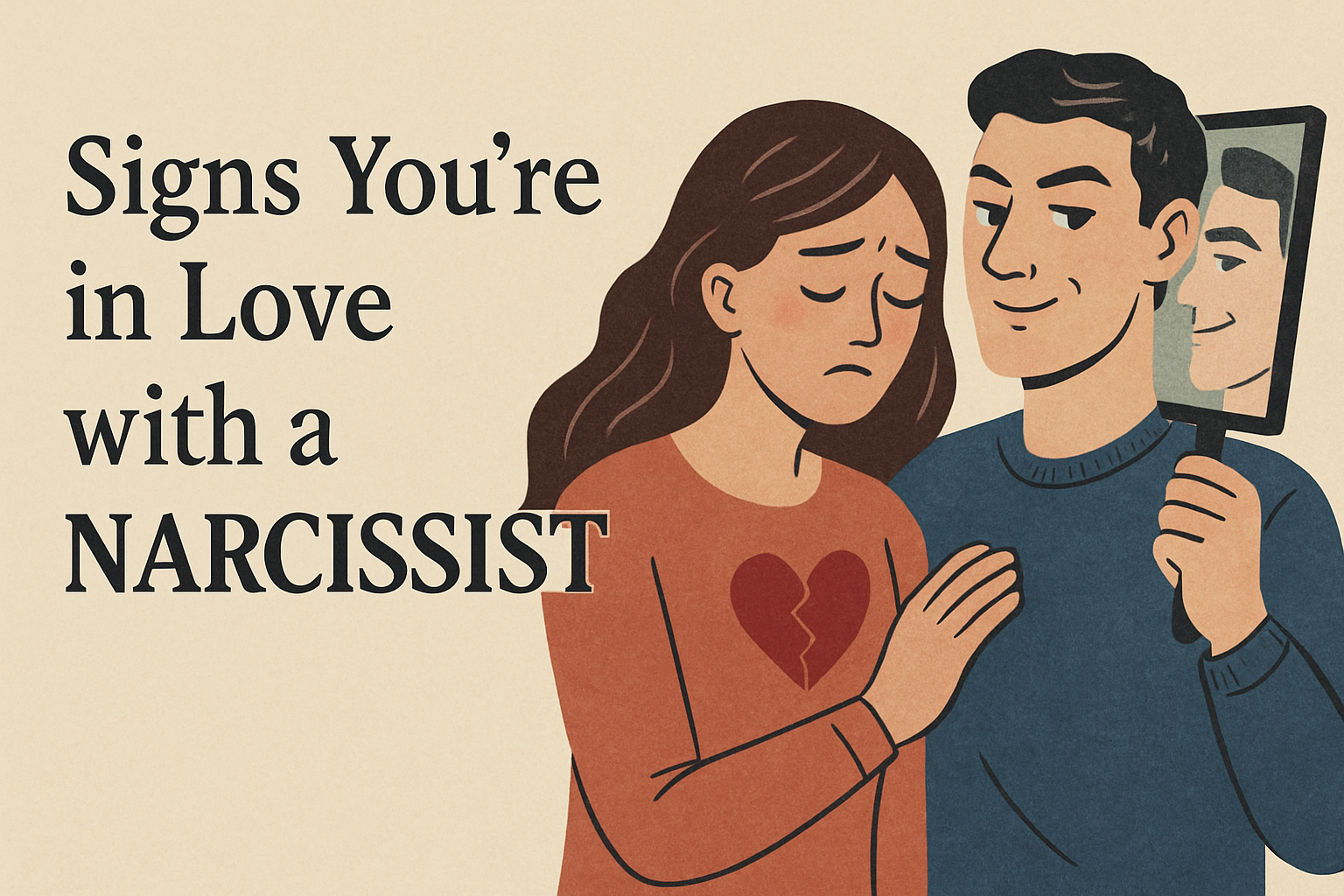
In the beginning, they were charming, attentive, intoxicating. You felt seen, adored, even chosen. But slowly, the warmth turned cold. Compliments became criticisms. Affection became absence. You started questioning yourself more than them. You didn’t realize it, but you were beginning to pick up on the signs you are in love with a narcissist.
Maybe you asked yourself:
- “Am I overreacting?”
- “Why do I feel guilty all the time?”
- “Is it really me causing the problems?”
This emotional fog of confusion, guilt, and self-doubt isn’t random. It’s the residue of being entangled with someone who manipulates love to serve their ego. Narcissistic relationships are painful and disorienting.
Today, we’re going to share a 10-question quiz that may confirm if you are in love with a narcissist. We’re also going to help you return to a feeling of empowerment, armed with actionable solutions. If you’re ready to invest in your healing and reclaim your peace, you’re in the right place.
Additional articles in the series include:
How to Set Boundaries with a Narcissist.
Narcissistic Abuse Recovery Workbook: How to Heal and Thrive.
Table of Contents
12 Signs You Are in Love with a Narcissist
It’s surprisingly easy to miss the signs you are in love with a narcissist. The manipulation isn’t always blatant. It’s often disguised as charm, concern, or passion. Narcissistic behavior feels like love at first, which also makes it harder to recognize when it turns toxic. That’s why awareness is essential.
Spotting the signs is about reclaiming your sense of self, protecting your emotional health, and making your own sound decisions. The earlier you recognize the patterns, the sooner you can begin to break free.
We’ve put together a list of 12 signs you are in love with a narcissist. Read them carefully so you are sure to notice unhealthy behaviors if they are happening in your life.
1. You feel emotionally starved despite constant attention
At first, their intense focus feels intoxicating. Texts, compliments, and declarations of love flood your world. But over time, you notice that their attention is conditional, often withdrawn when you express needs or boundaries. You’re left craving emotional nourishment, yet unsure why you feel so empty.
2. Their charm masks a lack of empathy
They can be magnetic in public; funny, generous, and captivating. But in private, they dismiss your feelings, minimize your pain, or twist your words when you’re vulnerable. You start doubting whether your emotions are valid or whether you’re simply “too sensitive.”
3. You’re stuck in a cycle of idealization and devaluation
One moment, you’re their soulmate, the next, you’re criticized for minor flaws or ignored altogether. This push-pull dynamic keeps you emotionally off-balance, constantly trying to win back their approval. You begin to equate love with instability and emotional whiplash.
4. You second-guess your reality because they are gaslighting you
They subtly distort facts, deny things they said, or accuse you of misremembering events. Over time, you lose trust in your own perceptions and rely on them to define what’s “real.” This erosion of self-trust is a hallmark of gaslighting.
5. Your identity starts to shrink
You abandon hobbies, friendships, or values that once defined you, often to avoid conflict or gain their approval. Their needs dominate the relationship, while yours quietly disappear. You feel like a shadow of your former self, unsure how you got here. When you express hurt or ask for support, they deflect, mock, or ignore you. Your emotional needs are treated as inconveniences.
6. Boundaries are met with rage or ridicule
When you try to assert limits, they react with anger, guilt-tripping, or mockery. You learn that saying “no” comes at a cost, so you stop trying. This trains you to prioritize their comfort over your safety.
7. You’re addicted to the highs
The moments of affection, praise, or intimacy feel euphoric, like emotional heroin. But they’re unpredictable and often followed by coldness or cruelty. You chase those highs, hoping each time it will last, even as the lows deepen.
8. You feel like you’re walking on eggshells
You monitor your tone, words, and even facial expressions to avoid triggering their disapproval. The fear of upsetting them becomes a constant background hum. You lose spontaneity and self-expression in the name of emotional survival. One wrong word, one misstep, and they explode or shut down. You’ve learned to tiptoe around their moods to avoid conflict.
9. They mirror you to gain trust
Early on, they seem eerily compatible, sharing your values, dreams, and even traumas. But this mirroring is strategic, designed to fast-track intimacy and gain control. Eventually, you realize they never truly saw you; they just reflected what you wanted to see.
10. They drain your energy but deny responsibility
Instead of feeling loved or supported, you leave conversations feeling exhausted, anxious, or emotionally depleted. Yet they insist you’re the problem. They deflect blame, weaponize your vulnerabilities, and refuse accountability. You start apologizing for things you didn’t do, just to keep the peace.
11. You’re constantly trying to “fix” the relationship
You read books, attend therapy, or change your behavior, hoping they’ll finally meet you halfway. But they rarely reciprocate, and your efforts only reinforce the imbalance. You begin to believe that love means self-sacrifice.
12. You fear leaving more than staying
Despite the pain, the thought of leaving feels terrifying; like losing your identity, your future, or your emotional lifeline. They’ve woven themselves into your sense of self so tightly that separation feels like self-erasure. This fear is not weakness. It’s a trauma bond.
Why Narcissistic Relationships Feel So Addictive
The signs you are in love with a narcissist can make it feel like you are stuck in emotional quicksand. You know something’s wrong, but you can’t seem to pull yourself out. Why?
Intermittent Reinforcement Keeps You Hooked. The cycle of affection and rejection creates a psychological trap. You chase their approval, hoping the “good times” will return.
They Mirror Your Deepest Desires. In the beginning, they reflect your dreams, values, and vulnerabilities. It feels like soul-level connection, but it’s strategic, not sincere.
You’re Trauma-Bonded. The highs and lows create a powerful emotional attachment, similar to addiction. You feel loyal, even when it hurts.
You’ve Been Conditioned to Doubt Yourself. Gaslighting erodes your confidence. You start believing you’re the problem, which makes leaving feel unjustified.
What You are Grieving is the Fantasy, Not the Reality. You’re not just mourning the relationship; you’re mourning the illusion of who you thought they were.
Understanding the signs you are in love with a narcissist and the dynamics of the relationship is another critical step toward narcissistic relationship recovery. You’re not weak. You’ve been manipulated.
Signs You Are in Love with a Narcissist: How to Reclaim Your Power
If you recognize the signs that you are in love with a narcissist, it’s time to do what’s necessary to break away, before it’s too late. Here’s how:
1. Name the Pattern
The first step is to call it what it is: narcissistic abuse. Naming the pattern helps you shift from confusion and self-blame to clarity and self-compassion. When you label the behavior accurately, you begin to reclaim your reality and recognize that the pain you’ve felt wasn’t your fault; it was the result of manipulation and emotional harm.
2. Create Emotional Distance
Healing begins with space. Whether it’s limiting contact, blocking them on social media, or going full no-contact, emotional distance is essential to stop feeding the cycle of control and confusion. This is about protecting your nervous system and giving yourself room to breathe, reflect, and begin recovering.
3. Build a Support System
Seek out trauma-informed therapists, coaches, or support groups who understand narcissistic abuse and can validate your experience. Surrounding yourself with people who believe you and offer grounded guidance helps rebuild your sense of safety and reminds you that healthy connection is possible.
4. Reconnect with Your Identity
Narcissistic relationships often erode your sense of self, so part of healing is rediscovering who you are. Journaling, exploring new hobbies, traveling, or simply spending time alone can help you reconnect with your values, preferences, and passions. This is your chance to rebuild a life that reflects your truth. not someone else’s control.
5. Learn About Narcissism
Understanding narcissistic traits and abuse patterns empowers you to spot red flags and protect yourself in future relationships. Education helps you depersonalize the behavior and recognize that their actions stem from deep dysfunction not your inadequacy. The more you learn, the more you strengthen your boundaries and emotional resilience.
6. Invest in Your Healing
Recovery requires intention and care. Whether it’s therapy, somatic work, coaching, or self-guided courses, commit resources to your healing journey. You deserve to feel whole, safe, and deeply connected to yourself and every step you take is a powerful act of self-love.

Frequently Asked Questions: Signs You Are in Love with a Narcissist
What are the most common signs you are in love with a narcissist?
The most common signs you’re in love with a narcissist include emotional starvation despite attention, gaslighting, and a cycle of idealization followed by devaluation. You may feel like you’re walking on eggshells, constantly trying to “fix” the relationship while losing touch with your identity. These patterns are classic indicators of narcissistic abuse and emotional manipulation.
How does gaslighting show up in narcissistic relationships?
Gaslighting is a key sign you’re in love with a narcissist. It often involves denying facts, twisting your words, or making you question your memory and perception. Over time, this erodes your self-trust and makes you dependent on the narcissist for emotional reality.
Can you be trauma bonded to a narcissist?
Yes, trauma bonding is a powerful dynamic in narcissistic relationships. It occurs when intermittent reinforcement—cycles of affection and cruelty—creates a deep emotional attachment that feels impossible to break. Recognizing this bond is essential to healing from narcissistic abuse.
Why do I feel addicted to the highs in the relationship?
Feeling addicted to emotional highs is a sign you’re in love with a narcissist. Their praise, affection, and intimacy often come in unpredictable bursts, followed by coldness or criticism. This creates a dopamine-driven cycle that mimics addiction and keeps you emotionally hooked.
Is it normal to lose your sense of self in a narcissistic relationship?
One of the clearest signs you’re in love with a narcissist is the gradual erosion of your identity. You may abandon hobbies, values, or friendships to avoid conflict or gain approval, leaving you feeling like a stranger to yourself.
How do narcissists respond to boundaries?
Narcissists often react to boundaries with rage, ridicule, or guilt-tripping. If asserting limits leads to emotional punishment, it’s a strong sign you’re in love with a narcissist who prioritizes control over connection. Healthy relationships respect boundaries—narcissistic ones weaponize them.
What makes it so hard to leave a narcissist?
Leaving a narcissist is difficult due to emotional dependency, fear, and trauma bonding. They often entangle themselves in your identity, making separation feel like self-erasure. Recognizing these psychological hooks is key to reclaiming your autonomy and beginning recovery.
How can I start healing from narcissistic abuse?
Healing begins by naming the pattern, creating emotional distance, and building a support system. Reconnecting with your identity, learning about narcissism, and investing in trauma-informed recovery are essential steps. You deserve to feel safe, whole, and emotionally free.
Signs You Are in Love with a Narcissist: Recommended Resources
Breaking free from narcissistic abuse requires more than insight. It demands tools, support, and sustained emotional care. The signs you’re in love with a narcissist often leave deep psychological wounds, and while awareness is the first step, healing is a layered process.
These top-rated resources offer trauma-informed guidance, validation, and practical strategies to help you rebuild your identity, restore emotional safety, and protect yourself from future manipulation.
Whether you’re seeking validation, community, or structured recovery, investing in one or more of these products can accelerate your healing and remind you: you are not alone, you are not broken, and you are worthy of peace.
Signs You Are in Love with a Narcissist: Recommended Resources
| Name | Review | Best Suited For |
|---|---|---|
| The Body Keeps the Score by Bessel van der Kolk | A foundational trauma recovery book that explains how emotional abuse impacts the brain and body. Offers both scientific insight and practical healing strategies. | Survivors of long-term narcissistic abuse seeking mind-body integration. |
| Psychopath Free (Expanded Edition) by Jackson MacKenzie | A compassionate, validating guide that helps readers understand toxic dynamics and reclaim their emotional clarity. | Anyone recovering from emotionally abusive relationships with narcissists or sociopaths. |
| Whole Again by Jackson MacKenzie | Focuses on rebuilding identity and emotional resilience after toxic relationships. | Readers ready to move beyond survival into deeper healing and self-discovery. |
| It’s Not You by Dr. Ramani Durvasula | A direct, empowering book that helps readers identify narcissistic traits and stop blaming themselves. | Those who feel confused, guilty, or stuck in toxic relationship patterns. |
| The Narcissistic Abuse Recovery Bible by Shannon L. Alder | Combines spiritual insight with practical recovery tools. Encourages emotional release and self-forgiveness. | Readers seeking a holistic, spiritually grounded approach to healing. |
| Recovery from Narcissistic Abuse, Gaslighting, Codependency and Complex PTSD (4-in-1 Workbook) | A comprehensive workbook with exercises, prompts, and psychoeducation. | Survivors who want a structured, self-paced healing guide. |
| Disarming the Narcissist by Wendy Behary | Offers strategies for managing narcissists in your life while protecting your own emotional boundaries. | Those who must maintain contact with a narcissist (e.g., co-parenting, workplace). |
Signs You Are in Love with a Narcissist: Call to Action
Recognizing the signs you are in love with a narcissist is about naming the pain and reclaiming your power. If you’ve seen yourself in these patterns, know this: you are not broken, you are not alone, and you are worthy of relationships rooted in safety, respect, and emotional truth.
Every step you take to healing from narcissistic abuse is an act of self-love. As you set boundaries, seek support, reclaim your identity, or invest in your recovery, celebrate every advance you make to maintain momentum and reinforce your commitment to freedom.
Ready to take the next step? Name the pattern, begin to create some emotional distance, and build your support system. Explore the recommended resources above and subscribe to Kindness- Compassion-and-Coaching.com to continue to receive trauma-informed tools and emotional support.
Additional articles now live:
Learn How to Set Boundaries with a Narcissist.
Thank you as always for reading.
Affiliate Disclosure: Some links in this post are affiliate links. As an Amazon Associate, we earn from qualifying purchases. Thank you for supporting Kindness-Compassion-and-Coaching.com at no extra cost to you.

Joan Morabito Senio is the founder of Kindness-Compassion-and-Coaching.com. Joan’s career includes clinical healthcare plus 20+ years as an executive in a nationwide health care system and 15 years as a consultant. The common threads throughout Joan’s personal and professional life are a commitment to non-profit organizations, mental health, compassionate coaching, professional development and servant leadership. She is a certified Neuroscience Coach, member of the International Organization of Life Coaches, serves as a thought-leader for KuelLife.com and is also a regular contributor to PsychReg and Sixty and Me. You can read more about Joan here: Joan Senio.


No Responses