
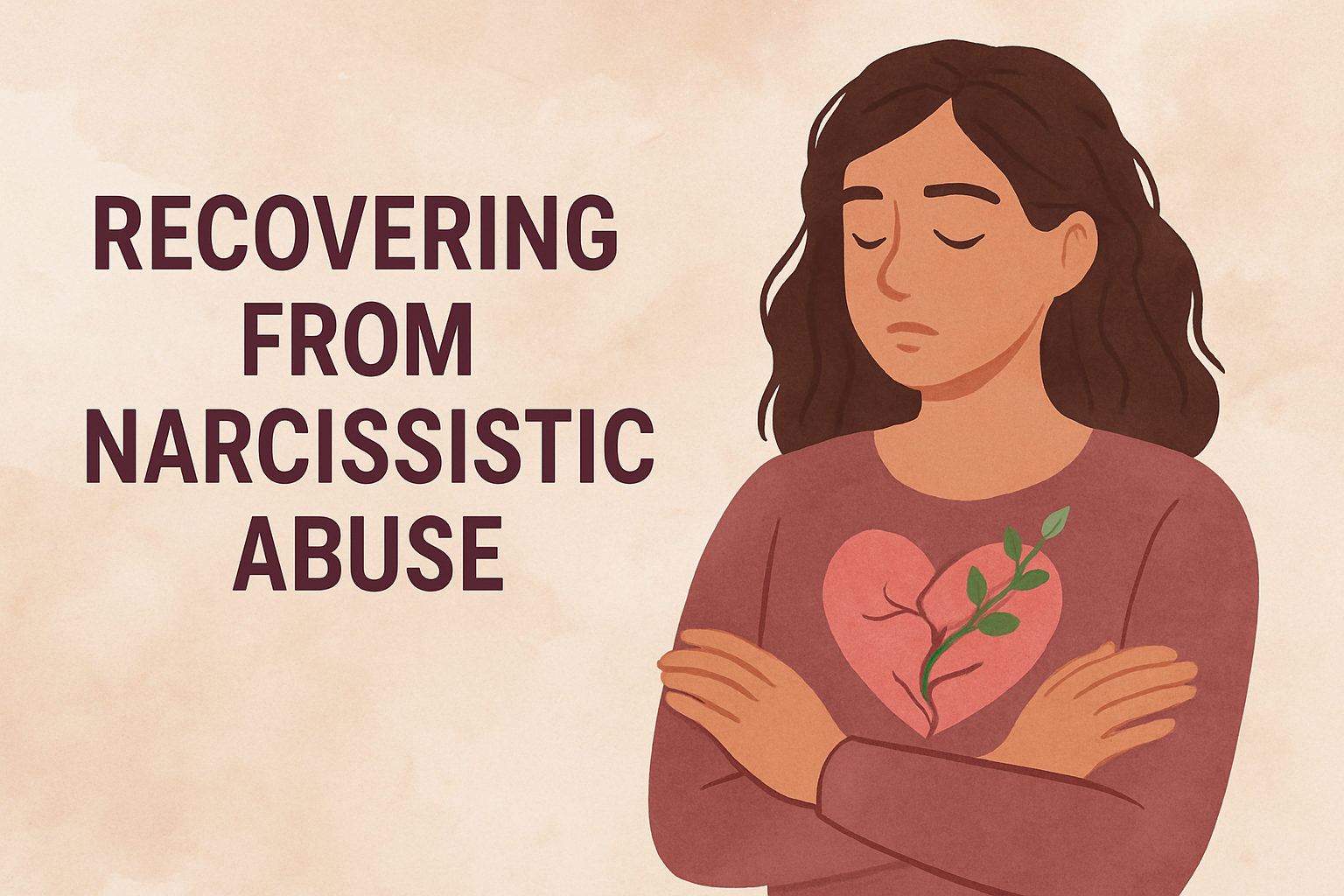
If you are recovering from narcissistic abuse, know that feeling uncertain, ashamed, or exhausted is a normal part of healing. But recovery is possible. And it begins with small, compassionate steps you can take right now.
Today, we share practices that can help you achieve emotional safety and nervous‑system regulation, while also embracing self‑compassion. This combination can help you to reclaim boundaries and trust in yourself while minimizing re‑traumatization.
Practices like grounding exercises, establishing boundaries and paced reflection can all help you move from overwhelm toward steady recovery.
Are You Recovering from Narcissistic Abuse?
If you are recovering from narcissistic abuse, you may be carrying exhaustion, confusion, and self‑doubt.
We will discuss basic steps to take for immediate safety and nervous‑system regulation as well as tools that will help you rebuild boundaries and a sense of self over time. You will also find quick stabilization practices, evidence‑informed explanations of how narcissistic abuse impacts your nervous system, and resources to support your own self-paced, compassionate healing.
This article is intended for those who are recovering from narcissistic abuse and want clear and practical next steps. It will help if you:
- Recognize patterns of manipulation, gaslighting, or emotional invalidation in a partner, parent, family member, coworker, or former friend.
- Feel anxious, dissociated, ashamed, or unsure about your perceptions after relationship trauma.
- Need trauma‑aware language and scripts to set boundaries without re‑traumatizing yourself.
- Prefer short daily practices and structured plans to guide recovery rather than abstract advice.
Recovering from Narcissistic Abuse: Essential, Trauma-Informed Elements
Recovering from narcissistic abuse is not only a cognitive process, it is also a nervous‑system process.
Chronic manipulation and invalidation can train your body into hypervigilance, emotional shutdown, or shame responses long after the relationship ends. A trauma‑informed approach centers safety first, and self‑compassion to reduce the risk of re‑traumatization and to support sustainable change.
Key elements of this approach:
- Safety and stabilization. Practical safety planning, boundaries, and immediate nervous‑system regulation techniques.
- Nervous‑system regulation. Short practices to downregulate overwhelm and reduce hyperarousal, including grounding, paced breathing, and sensory resets.
- Compassionate integration. Journaling prompts, values work, and identity rebuilding that honor your experience without rushing recovery.
These steps prioritize your bodily experience and emotional safety while providing clear actions you can take today to support steady recovery from narcissistic abuse.
What Narcissistic Abuse Looks Like: Signs and Patterns
Narcissistic abuse often hides inside everyday interactions, leaving survivors doubting themselves while carrying real emotional and physiological impact.
It is useful to distinguish covert from overt behaviors, and to recognize common patterns like gaslighting and the abuse cycle. We also offer a self-check quiz you can use to orient and validate your experience.

Covert and overt behaviors that may occur in partner, parent, and workplace settings include:
- Overt behaviors. Clear, aggressive acts intended to dominate or control; name-calling, public humiliation, threats, and visible attempts to isolate you from support. These are common in romantic relationships and some workplace dynamics.
- Covert behaviors. Subtle strategies that undermine your reality: chronic criticism masked as “jokes,” withholding, conditional affection, passive-aggressive sabotage, and strategic blame-shifting. Covert abuse is common in family relationships and workplaces where the abuser maintains a socially polished image.
- Partner examples. Sudden anger that invalidates your feelings; cyclical idealization followed by devaluation; monitoring or controlling access to friends and finances.
- Parent examples. Emotional neglect combined with intrusive control; favoritism that erodes sibling trust; gaslighting about past events or family boundaries.
- Workplace examples. A colleague or boss who takes credit for your work, subtly undermines your competence, sets impossible expectations, or uses performance reviews as leverage to shame and control.
Recovering from Narcissistic Abuse: The Cycle and Gaslighting Indicators
Emerging from a relationship marked by narcissistic abuse can feel like waking from a fog you didn’t realize you were in. The emotional manipulation, subtle digs, and shifting blame often leave survivors questioning their own reality.
There are patterns specific to narcissistic abuse that can keep people trapped in these toxic dynamics while also eroding the victim’s self-trust.
Understanding these behaviors is a key step in recovering from narcissistic abuse. Identifying these characteristic patterns can help you as you learn to reclaim your voice, rebuild your confidence, and break free from the cycle for good.
- The abuse cycle. Many abusive relationships follow a pattern of idealization → control/devaluation → reconciliation or calm, which can create powerful emotional confusion and make leaving or enforcing boundaries difficult.
- Gaslighting indicators. Repeated minimization of your feelings, denial of past events, reframing your words to make you doubt your memory, and isolating you by convincing others you are “overreacting.” Gaslighting targets your sense of reality and often produces persistent self-doubt and anxiety.
- Why patterns persist. Abusers often alternate kindness with cruelty to maintain emotional dependency; nervous-system dysregulation (hypervigilance or dissociation) further reduces your ability to respond consistently, making the cycle more entrenched.
Recovering from Narcissistic Abuse: Quick Self-Check Quiz
Take this short quiz to see which patterns show up in your experiences. Count how many of these items feel familiar.
- Have you been told you’re “too sensitive” when you express needs?
- Do you frequently question your memory of events after conversations with them?
- When apologies are offered, do they quickly shift back into blame or minimization?
- Do you feel responsible for their emotional state or reactions?
- Have attempts to set boundaries been met with escalation, charm, or punishment?
If you answered yes to two or more items, you may be experiencing narcissistic abuse. For more context and help deciding next steps, read on.
Recovering from Narcissistic Abuse: The Impact on Your Nervous System and Identity
Narcissistic abuse reshapes more than thoughts; it rewires how your body expects danger and how you feel about yourself.
Understanding these changes can help you respond with self-compassion and targeted practices that restore safety, rebuild a coherent sense of self, and reduce the replay of old survival patterns:
- Hypervigilance. Your nervous system stays on alert for cues of rejection or manipulation, causing constant scanning, jumpy anxiety, and trouble sleeping. This heightened state makes everyday uncertainty feel catastrophic and keeps you exhausted.
- Emotional numbing. To survive persistent invalidation, many people disconnect from feelings, which can feel like emotional flatness, inability to cry, or feeling “fake” in relationships. Numbing protects you short‑term but slows healing long‑term.
- Shame responses. Abusers often shift blame and shame onto survivors, leaving an internalized narrative of defectiveness. Shame narrows attention toward self‑criticism and avoidance, making it harder to seek support or practice self‑compassion.
- Common outcomes. Decision paralysis, second‑guessing, withdrawal from supportive people, and somatic symptoms like chronic tension, headaches, or digestive upset.
Recovering from Narcissistic Abuse Goes Beyond Mental Health
Practices that directly engage the body reduce arousal more quickly than cognitive reframes alone. They also create a safer platform for identity repair.
- Short regulation tools. Paced breathing (4‑4 or 4‑6 counts), grounding with the five senses, and bilateral stimulation (gentle alternating taps on your thighs) lower immediate arousal and help reclaim a sense of presence.
- Somatic micro-practices. Brief daily movement, progressive muscle relaxation, or a 2‑minute cold‑water face splash signal safety to the vagus nerve and reduce hypervigilance over time.
- Tracking sensations. A simple daily body map practice (name the sensation, rate its intensity, note its location) builds interoceptive awareness so emotions can be noticed early and met with self‑compassion.
- Rituals for re-grounding identity. Short, repeated acts that affirm values (a morning intention, a one‑line journal prompt about a personal strength) rebuild a coherent sense of self separate from the abuser’s narrative.
These body-first approaches make cognitive work safer and more effective by lowering physiological reactivity first.

Recovering from Narcissistic Abuse: Your Roadmap
This roadmap breaks recovery into manageable phases so you can move from immediate safety toward lasting integration at a pace that honors your nervous system.
Each phase includes clear actions, short practices, and resources to support steady progress.
Safety and stabilization (0–2 weeks): Prioritize physical and emotional safety first. Focus on limiting harm, containing contact, and stabilizing your nervous system so you can think clearly.
- Immediate actions
- Create a basic safety plan: trusted contacts, a safe place to go, and steps for escalating if needed.
- Reduce or restructure contact: no contact if safe, or low‑contact with clear boundaries and limited topics.
- Preserve evidence if needed: save messages privately and keep a dated log of incidents.
- Stabilization practices
- Short grounding: 5‑4‑3‑2‑1 sensory check (name 5 things you see, 4 you can touch, 3 you hear, 2 you smell, 1 you taste).
- One 2‑minute paced‑breathing routine (4 in, 6 out) after triggering interactions.
- Support Systems
- Tell one trusted person you’re in a difficult situation and agree on a safe check‑in plan.
- Use recovery resources to guide further steps and decide whether to pause contact or seek help.
Regulation and reorientation (2–8 weeks): Once immediate safety is in place, focus on reducing baseline arousal and rebuilding basic routines that restore predictability and rest.
- Daily micro-practices
- Two brief regulation sessions daily: 2-5 minutes of paced breathing, gentle movement, or a grounding anchor.
- Evening body scan to notice tension and release physical holding patterns.
- Routines that support regulation
- Prioritize a consistent sleep window, minimal screens before bed, and a calming pre‑sleep ritual (tea, a short journaling prompt, or 5 minutes of breathwork).
- Reintroduce small, reliable activities that bring pleasure and agency (short walks, a hobby, a connection ritual with a friend).
- Cognitive reorientation
- Begin a gentle journal practice: one sentence about what you needed today and one small accomplishment.
- Use boundary scripts to experiment with low‑risk enforcement and note what’s effective.
- When to escalate
- If safety feels threatened during this phase, revisit your safety plan.
Rebuilding identity and boundaries (2-6 months): With regulation improving, turn toward rebuilding a coherent sense of self and clarifying who belongs in your life going forward.
- Values and identity work
- Complete a values inventory: list 5 core values and document one behavior this week that reflects each value.
- Use identity‑affirming prompts to name strengths and interests apart from the relationship.
- Relationships audit
- Map your social circle: categorize contacts by supportive, neutral, or risky; plan gradual re‑engagement with supportive people.
- Practice boundary maintenance scripts for recurring challenges and refine them in low‑stakes contexts.
- Skill-building
- Role‑play boundary conversations with a trusted friend, coach, or therapist.
- Start tracking triggers and successful coping strategies in a weekly reflection page to notice patterns and growth.
Long-term growth and integration (6+ months): Longer-term recovery focuses on integrating lessons, strengthening supports, and preparing for setbacks with compassionate relapse plans.
- Therapy and professional supports
- Ongoing maintenance
- Build a safety network of peers, a coach, or a support group that understands narcissistic abuse dynamics.
- Maintain core regulation practices daily and review your values inventory quarterly.
- Relapse and setback planning
- Create a compassionate relapse plan: early warning signs, immediate regulation steps, a short contact script, and a re‑engagement checklist for supports.
- Normalize setbacks as predictable parts of recovery and plan small, manageable responses rather than perfection.
- Sustained growth
- Consider longer coaching packages or group programs that focus on resilience, assertiveness, and reclaiming purpose when you’re ready.
Tactical skills and Templates You Can Use Today
These tools are written for immediate use after a triggering interaction or when you’re preparing to enforce limits.
Use them exactly as written the first few times to reduce decision fatigue, then adapt language to feel authentic and safe for you.
Trauma-informed Boundary Scripts
- No‑contact script (text or email). “I need to pause contact to protect my safety and well‑being. Please do not contact me by phone, text, social media, or in person. If you need to reach me about children or legal matters, use [specified channel]. I will let you know if and when I am ready to communicate.”
- Low‑contact script for co‑parenting or necessary logistics. “For the sake of clear communication, please send only scheduling information and logistical details related to [childcare/property/appointments]. I will respond within 48 hours. I will not engage in discussions about past conflicts.”
- Brief enforcement script when a boundary is crossed in the moment. “I said I need space. I’m going to step away now and will return when I feel safe to talk. If you continue to ignore my boundary I will [end this conversation/leave the space/block contact].”
- Workplace de-escalation and documentation script. “I want to focus on the task. Let’s keep our conversation to work‑related topics only. If feedback is needed, please provide specific examples and desired outcomes. I will document this interaction and follow up by email if necessary.”
- Follow‑up documentation template
Date: _______
Interaction summary: _______
Exact words used by the other person: _______
My response: _______
Action needed: _______
Self‑compassion Practices and Journaling prompts
- Minute‑long self‑compassion practice. Place one hand over your heart. Breathe in for four counts and out for six. Say quietly: “I am here. I am doing the best I can right now.” Repeat three times.
- Two‑minute reframe practice after a triggering interaction. Name the fact: “That happened.” Name the feeling: “I feel ______.” And name one need: “I need safety / rest / clarity.” Offer one compassionate statement: “I did what I could in a hard moment.”
- Daily one‑line journal prompts. Morning: “One small intention that honors my safety today is ______.” Midday: “One thing I notice in my body right now is ______.”
- Weekly integration prompt. What boundary did I practice this week, what worked, and what felt hard? Record one small adjustment for next week.
Nervous System Reset Checklist
Use any single item below for quick downregulation. Test each calmly to see which most reliably lowers your arousal.
- Paced breathing. Inhale 4 counts; exhale 6 counts; repeat for 3 minutes.
- 5‑4‑3 grounding. Name 5 things you see, 4 you can touch, 3 you hear, 2 you smell, 1 you taste.
- Sensory anchor. Hold a textured object, notice temperature and weight, name three sensory details for two minutes.
- Progressive release. Inhale and tense shoulders for 4 counts; exhale and drop the shoulders; repeat 4 times.
- Cold‑water face splash or wrist tap. Splash cool water on your face or run cool water over wrists for 20–30 seconds to stimulate the dive reflex and reduce panic.
- Movement reset. 30-60 seconds of intentional movement: march in place, shake hands loose, or stretch arms overhead while breathing slowly.
- Short bilateral stimulation. Gentle alternating taps on thighs or a guided 2‑minute audio for bilateral rhythm to help settle the nervous system.

Frequently Asked Questions about Recovering from Narcissistic Abuse
What is narcissistic abuse?
Narcissistic abuse is a form of emotional and psychological manipulation inflicted by someone with narcissistic traits or narcissistic personality disorder. It often involves gaslighting, blame-shifting, emotional invalidation, and control tactics that erode the victim’s sense of self-worth and reality.
Can I fully recover from narcissistic abuse?
Yes, recovery is absolutely possible. While the healing process can be long and complex, many survivors regain their confidence, rebuild healthy boundaries, and rediscover their identity. Therapy, support groups, and self-care practices are powerful tools in this journey.
Why do I still feel attached to my abuser?
Trauma bonds can form in abusive relationships, especially when cycles of affection and abuse are repeated. These bonds create intense emotional dependency, making it hard to let go even when the relationship is harmful. Understanding trauma bonding is key to breaking free.
How do I stop blaming myself for the abuse?
Self-blame is a common response to manipulation. Narcissists often project their faults onto others, making victims feel responsible for the dysfunction. Recovery involves recognizing these patterns, validating your experience, and learning that the abuse was never your fault.
What are the first steps to recovering from narcissistic abuse?
- Go no-contact or low-contact with the narcissist.
- Seek professional support from a trauma-informed therapist.
- Educate yourself about narcissistic abuse and its effects.
- Practice self-care and mindfulness to reconnect with your body and emotions.
- Build a support system of trusted friends or support groups.
How long does recovering from narcissistic abuse take?
There’s no fixed timeline. Recovery depends on factors like the duration and intensity of the abuse, your support system, and your personal resilience. Some people begin to feel better in months, while others may take years. Healing is not linear. Be patient and kind to yourself.
Recovering from Narcissistic Abuse: When and How to Seek Professional Help
Healing from narcissistic abuse is a deeply personal process. Professional support can be a lifeline especially when the emotional toll becomes overwhelming or safety is at risk. If you’re experiencing any of the following, it’s time to seek help urgently:
- Ongoing emotional, physical, or financial abuse.
- Persistent feelings of hopelessness, panic, or suicidal thoughts.
- Difficulty leaving the relationship due to fear, manipulation, or isolation.
- Symptoms of PTSD, such as flashbacks, hypervigilance, or emotional numbness.
- Threats to your safety or the safety of children or dependents.
In these cases, consider contacting a domestic violence hotline, crisis center, or trusted professional who can help you create a safety plan and connect you with emergency resources.
Choosing a Trauma‑Informed Therapist
Not all therapists are equipped to handle narcissistic abuse. Look for professionals who:
- Understand narcissistic personality disorder and its impact on survivors.
- Use trauma-informed approaches that prioritize safety, empowerment, and non-judgment.
- Offer modalities such as:
- EMDR (Eye Movement Desensitization and Reprocessing) for trauma processing.
- Somatic Experiencing to reconnect with the body and release stored trauma.
- Internal Family Systems (IFS) to explore and heal inner parts affected by abuse.
- Cognitive Behavioral Therapy (CBT) for reframing distorted beliefs and building coping skills.
You can ask potential therapists about their experience with narcissistic abuse and trauma recovery during an initial consultation.
Support Groups, Peer-Led Options, and Teletherapy Considerations
Community can be a powerful antidote to isolation. Consider these options:
- Peer-led support groups (online or in-person) for survivors of narcissistic abuse.
- Group therapy facilitated by a licensed professional.
- Teletherapy platforms offering access to trauma-informed therapists from the safety of your home.
- Apps and forums that provide moderated spaces for sharing experiences and resources.
When choosing a support group or teletherapy provider, prioritize confidentiality, safety, and alignment with your healing goals.
Recovering from Narcissistic Abuse: Closing
Healing from narcissistic abuse is a courageous journey of rediscovering your voice, rebuilding your self-worth, and reclaiming your peace. Every step you take is a powerful act of self-love.
If you’re ready to take the next step in your healing journey, explore more resources and compassionate coaching support available here at Kindness, Compassion, and Coaching.
Together, we can help you move from surviving to thriving, one empowered choice at a time.
Thank you as always for reading.
Affiliate Disclosure: Some links in this post are affiliate links. As an Amazon Associate, we earn from qualifying purchases. Thank you for supporting Kindness-Compassion-and-Coaching.com at no extra cost to you.

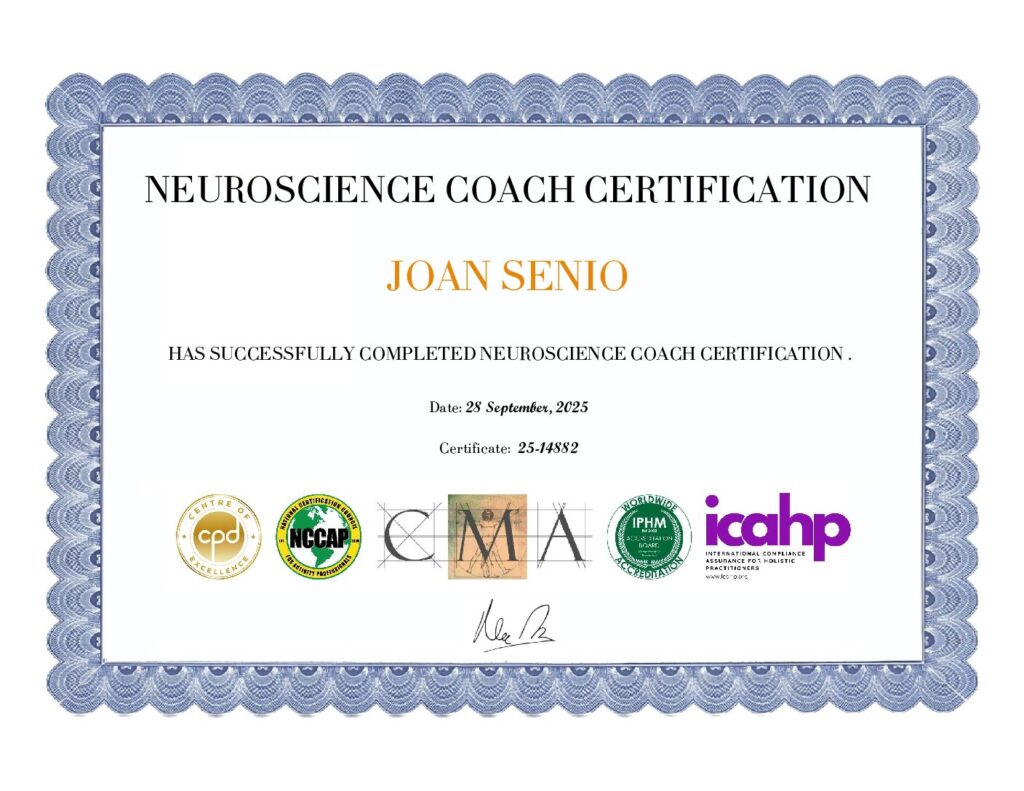
Joan Morabito Senio is the founder of Kindness-Compassion-and-Coaching.com. Joan’s career includes clinical healthcare plus 20+ years as an executive in a nationwide health care system and 15 years as a consultant. The common threads throughout Joan’s personal and professional life are a commitment to non-profit organizations, mental health, compassionate coaching, professional development and servant leadership. She is a certified Neuroscience Coach, member of the International Organization of Life Coaches, serves as a thought-leader for KuelLife.com and is also a regular contributor to PsychReg and Sixty and Me. You can read more about Joan here: Joan Senio.







No Responses