
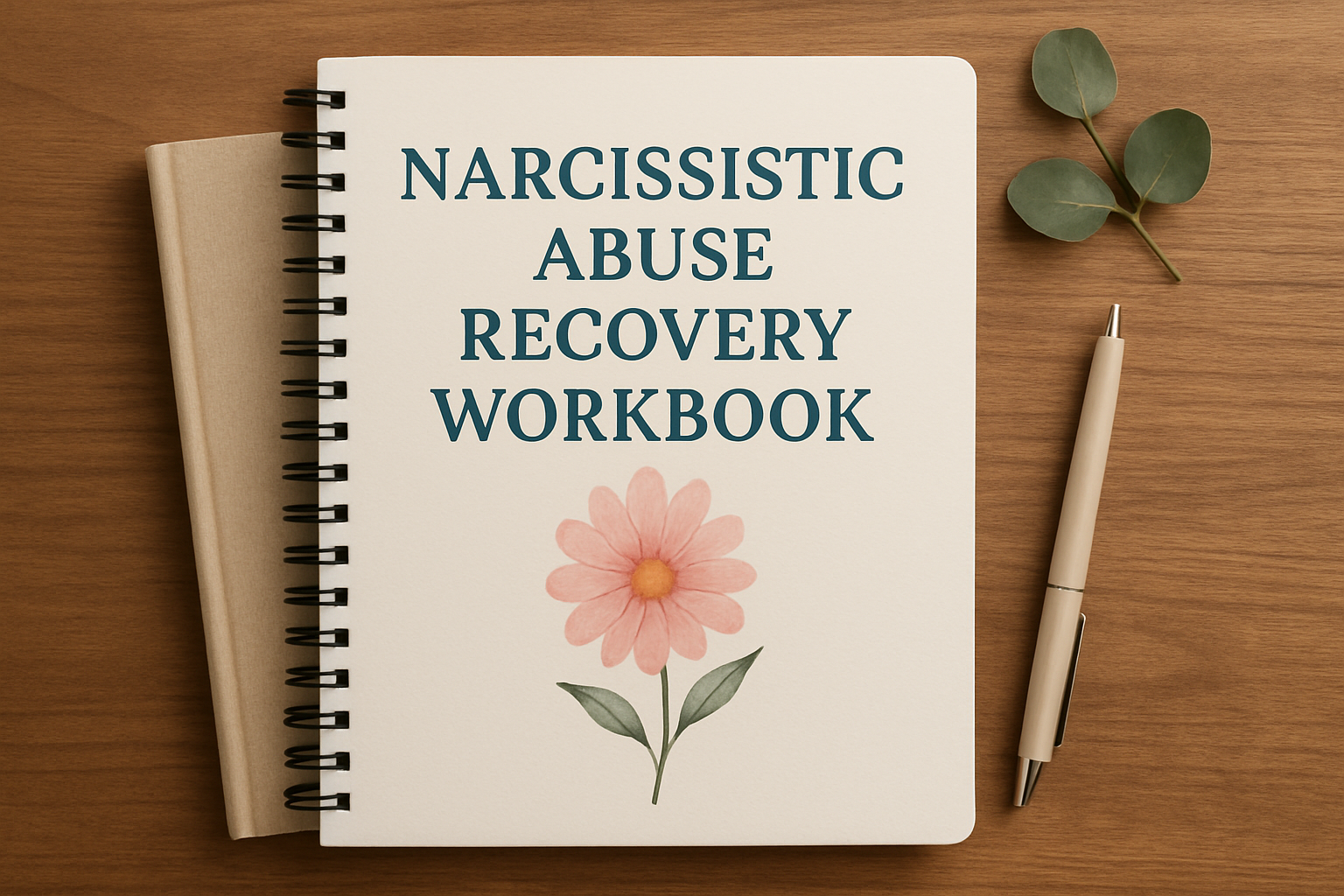
Recovering from narcissistic abuse often feels like trying to piece yourself back together after a long, exhausting battle. A narcissistic abuse recovery workbook can provide useful guidance, helping you to emerge from a fog of confusion and self-doubt. By translating healing into manageable exercises, it helps you reclaim your narrative and rebuild trust in yourself.
Narcissistic abuse doesn’t always leave visible scars. But gaslighting, emotional manipulation, and erosion of boundaries chip away at self-esteem and your sense of reality. Survivors frequently describe feeling “lost” or “broken” long after the relationship ends. A targeted workbook acknowledges those hidden wounds and provides concrete tools to address them.
Table of Contents
Introduction to Narcissistic Abuse Recovery Workbooks
Unlike unstructured journaling, which can be overwhelming, a recovery workbook offers a clear, guided framework. Through journaling prompts, reflection exercises, and progress trackers, it allows your healing process to become an intentional practice.
Using a narcissistic abuse recovery workbook will help you learn to spot abusive patterns, challenge negative self-beliefs, and set compassionate boundaries with yourself and others.
In the sections that follow, you’ll discover exactly what makes an effective workbook, how to use it, and powerful sample exercises that can accelerate your growth and healing.
What Is a Narcissistic Abuse Recovery Workbook?
Definition & Purpose
A narcissistic abuse recovery workbook is a structured, guided journal designed specifically for survivors of emotional and psychological manipulation.
Rather than leaving you to figure out your next step, it offers a clear sequence of exercises that walk you through understanding what happened and how it affected you. By breaking down complex healing processes into more discrete activities, a workbook of this kind helps you translate abstract concepts like self‐worth and boundary setting into concrete practices you can undertake at your own pace.
A narcissistic abuse recovery workbook’s core purpose is to bridge the gap between insight and action. You might recognize patterns of gaslighting or learned helplessness, but knowing they exist isn’t enough to affect change. A sound resource can help you not only see what is happening but also help you to see the path forward.
Sections of a narcissistic abuse recovery workbook may guide you to challenge negative self‐talk, rewrite unhelpful beliefs, and plan real‐world boundary conversations. Over time, repeated exercises build a habit of self‐compassion and assertiveness, so regaining your confidence becomes a daily practice.
Who Needs a Narcissistic Abuse Recovery Workbook?
Survivors of narcissistic abuse often feel isolated, second‐guessing their own experiences and struggling to rebuild trust in themselves. A targeted recovery workbook can be valuable for:
- Individuals emerging from a relationship with a narcissistic partner, parent, or family member.
- Professionals seeking a self‐guided tool alongside therapy or coaching sessions.
- People who’ve tried unstructured journaling but felt overwhelmed by emotion or uncertainty.
- Anyone wanting a step‐by‐step framework to heal from abuse, track progress and celebrate small victories.
If you recognize patterns of manipulation, chronic self‐doubt, or difficulty asserting your needs, a narcissistic abuse recovery workbook can serve as your guide out of confusion and back to calm.

Core Components to Look For in Your Narcissistic Abuse Recovery Workbook
Narcissistic abuse recovery workbooks include a variety of guidance, reflection, and accountability tools to support each phase of healing.
Review our selections below to get a sense of the options, as well as the content and structure that appeal to you most.
- Guided Journaling Prompts. Questions that spark self‐awareness, challenge denial, and surface buried emotions. See the Narcissism Recovery Journal.
- Reflective Exercises. Activities to map out manipulation tactics, pinpoint triggers, and trace recurring patterns. See How to Heal from Toxic Relationships.
- Cognitive Restructuring Worksheets. Structured templates for identifying distorted self‐talk and reframing it into healthier beliefs. See The Cognitive Restructuring Workbook.
- Boundary-Setting Plans. Practical scripts, role-play scenarios, and step-by-step templates that illustrate how to assert your needs confidently. See If Only I’d Known: How to Outsmart Narcissists, Set Guilt Free Boundaries, and Unshakeable Self-Worth.
- Self-Compassion Practices. Short meditations, kindness-focused affirmations, and exercises that nurture inner support. See The Self-Compassion Workbook.
- Progress Trackers. Mood logs, milestone checklists, and habit trackers to visualize wins and maintain momentum. Check out this collection to see which one you might like best.
Incorporating core elements like these provides a holistic foundation for reclaiming your confidence and self-worth.
How to Use a Narcissistic Abuse Recovery Workbook Effectively
A recovery workbook only works when you engage with it consistently and intentionally. These five strategies will help you transform each exercise into tangible progress as you heal.
- Establish a consistent schedule with your narcissistic abuse recovery workbook. Block out dedicated time every day or once a week to work through prompts and exercises. Treat this like a mandatory self-care appointment so you build momentum.
- Set SMART healing goals. Define Specific, Measurable, Achievable, Relevant, and Time-bound objectives (e.g., “Finish self-esteem module in two weeks”). Tracking clear targets keeps you motivated and focused.
- Bring your workbook into therapy or coaching sessions. Sharing completed exercises with a professional deepens insight, holds you accountable, and ensures you’re applying strategies correctly in real life.
- Use progress trackers and reflection prompts religiously. Review journal entries each week. Celebrating small wins highlights your growth and shows where you might need to revisit certain sections.
- Cycle back through key modules to reinforce learning. After a month or two, redo challenging exercises. Repetition cements healthier thought patterns and strengthens self-compassion.
Narcissistic Abuse Recovery Workbook: Sample Exercises & Prompts
Apply these sample targeted exercises to jump-start healing and rebuild self-worth:
Self-Esteem Rebuilding. List five qualities you genuinely admire in yourself. For each, write a specific example that shows how you’ve demonstrated that strength in the past month.
Identifying Manipulation Tactics. Recall a recent interaction with your narcissistic abuser. Describe what was said and done, then highlight any gaslighting, triangulation, or love-bombing cues you noticed.
Boundary-Setting Script. Draft a dialogue where you calmly assert a boundary, such as limiting contact or refusing criticism. Include your chosen words, tone reminders, and how you’ll respond if the boundary is tested.
Self-Love Affirmations. Create ten ‘I am…’ statements that counteract your most persistent negative belief (e.g., ‘I am worthy of respect,’ ‘I am allowed to say no without guilt’). Repeat them aloud each morning.
For more inspiration, visit:
7 Compassionate Self-Reflection Prompts: How to Find Your Way.
20 Best Affirmations to Build Self-Esteem: How to Recover from a Toxic Relationship.
100+ Self-Care Journal Prompts: How to Find Self-Love Now.
BONUS: Get Your Free Printable Mental Self-Care Tips Worksheet.
Real-Life Transformation: Case Study
Survivor stories show how a narcissistic abuse recovery workbook can shift your healing from theory to lived change. This case study follows Emma, who used her recovery workbook to move from chronic self-doubt to genuine self-trust.
Background. Emma spent five years in a relationship marked by gaslighting and criticism. She felt isolated, anxious, and unable to trust her own perceptions.
Workbook Application. Emma completed self-esteem rebuilding prompts daily for four weeks, mapped manipulation patterns in reflective exercises to recognize red flags, practiced boundary-setting scripts in real conversations, and journaled outcomes.
Results. Emma self-reported a 60% reduction in anxiety symptoms after six weeks. She also established clear personal boundaries at work and in friendships and reconnected with hobbies and social groups she had abandoned.
Many report measurable progress after working through structured narcissistic‑abuse recovery workbooks. Below we summarize survivor testimonials for specific available resources.
Relevant Narcissistic Abuse Recovery Workbooks and Testimonials
| Workbook | Key testimonial themes |
|---|---|
| Stop Spinning, Start Breathing | Regaining boundaries; reduced anxiety; clearer thinking |
| The Narcissism Recovery Workbook | Practical exercises; safer decision‑making; emotional validation |
| Recovery from Narcissistic Abuse (4‑in‑1 workbook) | Comprehensive tools for trauma and codependency |
What reviewers commonly report
- Many reviewers describe improved boundary‑setting and clearer recognition of manipulative patterns after following workbook exercises.
- Readers often report less compulsive re‑engagement with the abuser and more success maintaining no‑contact when they use step‑by‑step journaling tools.
- Survivors praise workbooks that combine education with concrete exercises, saying those formats feel validating and actionable compared with psychoeducational books alone.
- Independent review sites and blog reviews highlight workbooks that address gaslighting, codependency, and complex PTSD as especially useful for long‑term recovery planning.
- Dedicated recovery sites and author pages collect user testimonials that emphasize emotional safety, reduced shame, and clearer next steps after completing exercises.

Frequently Asked Questions (FAQ)
How long does it take to see results with a narcissistic abuse recovery workbook?
Healing timelines vary, but most survivors notice shifts in self-awareness and emotional regulation within 3-6 weeks of consistent use. If you’re working through a narcissistic abuse recovery workbook, track your mood logs weekly to celebrate small wins and adjust your pace as needed.
Can I use this narcissistic abuse recovery workbook without a therapist?
Yes. Many people thrive using a self-guided narcissistic abuse healing workbook solo. Look for clear instructions, reflective exercises, and boundary-setting templates. That said, pairing your workbook with periodic check-ins from a coach or support group deepens insight and accountability for survivors using an emotional abuse recovery workbook.
Is this narcissistic abuse recovery workbook suitable for first-time self-help users?
Yes. A beginner-friendly workbook will start with simple journal prompts and gradually introduce cognitive restructuring activities. If you’re new to self-help, choose a workbook that labels difficulty levels or offers example responses to guide you through each exercise.
What if I get stuck on an exercise?
If a boundary-setting worksheet for emotional abuse feels challenging, pause and review the sample scripts. Many workbooks include “troubleshooting” sidebars. You can also revisit earlier self-compassion exercises to rebuild confidence before retrying tougher modules.
Narcissistic Abuse Recovery Workbook Next Steps
A narcissistic abuse recovery workbook empowers you to reclaim your narrative, rebuild trust in yourself, and establish a daily self-care practice. Structured reflection and targeted exercises pave the way for lasting change.
Next steps:
- Choose your preferred narcissistic abuse recovery workbook; schedule your first workbook session.
- Commit to responding to one journaling prompt a day from this collection of narcissistic abuse journal prompts to build momentum.
- Share your insights with a coach or support group using modules from your emotional abuse recovery workbook to deepen accountability.
- Revisit challenging exercises biweekly (especially boundary-setting plans) to reinforce your progress.
The path to healing is yours to chart. With consistency and compassion, each page of your workbooks will bring you closer to resilience and self-trust.
Narcissistic Abuse Recovery Workbook Call to Action
Empower your recovery today. Grab your journal and your workbook, commit to your next exercise, and subscribe to Kindness-Compassion-and-Coaching.com, so you never miss a post from us, your personal coaching resource, dedicated to your growth and recovery.
Thank you as always for reading.
Affiliate Disclosure: Some links in this post are affiliate links. As an Amazon Associate, we earn from qualifying purchases. Thank you for supporting Kindness-Compassion-and-Coaching.com at no extra cost to you.

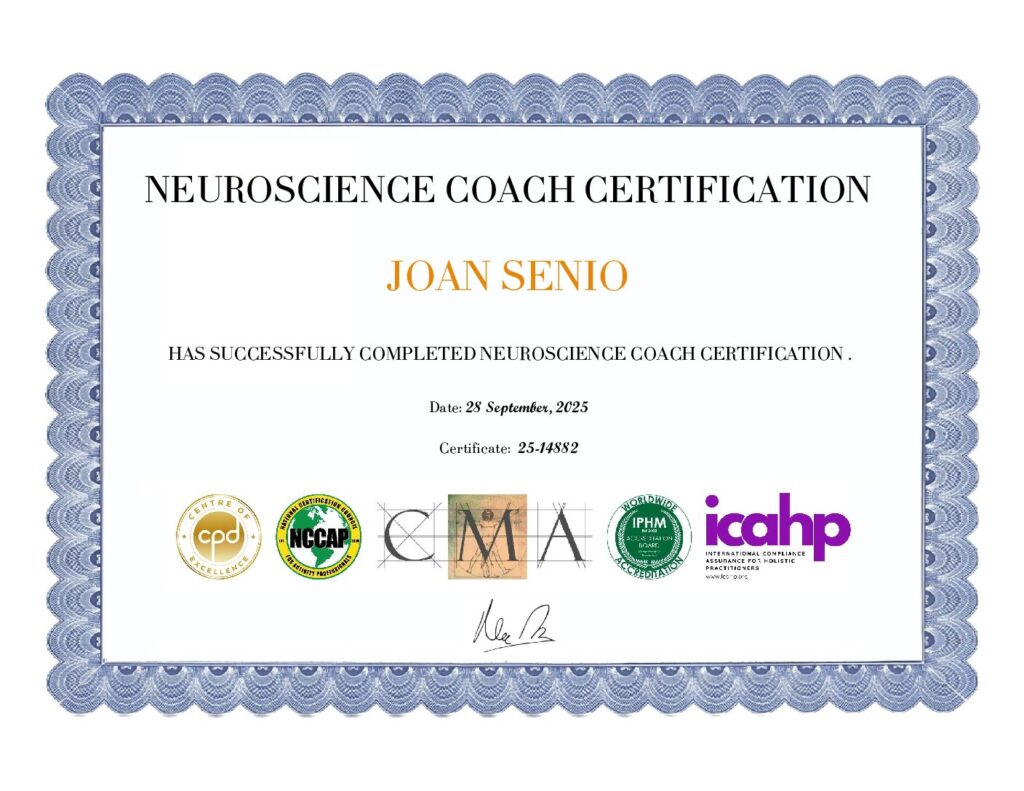
Joan Morabito Senio is the founder of Kindness-Compassion-and-Coaching.com. Joan’s career includes clinical healthcare plus 20+ years as an executive in a nationwide health care system and 15 years as a consultant. The common threads throughout Joan’s personal and professional life are a commitment to non-profit organizations, mental health, compassionate coaching, professional development and servant leadership. She is a certified Neuroscience Coach, member of the International Organization of Life Coaches, serves as a thought-leader for KuelLife.com and is also a regular contributor to PsychReg and Sixty and Me. You can read more about Joan here: Joan Senio.









No Responses