

Does life feel noisy and full of “shoulds”? Do you feel as though you’ve lost touch with what truly matters? It happens to most of us, at some point in life. We drift away from our inner compass under the weight of expectations, caregiving, deadlines, and perfectionism, and that drift can feel exhausting and disorienting. Wholehearted living is a means to find your way back home.
As a values-driven way of being, wholehearted living helps you to choose presence, vulnerability, and self-compassion over people-pleasing and pressure to perform.
Today, we provide practical steps and practices to help you move from autopilot into a more meaningful life rooted in authenticity. You will find clear prompts, sample experiments, and nervous-system tools that can be applied in small doses, helping you to see growth as possible and safe.
If you are ready to reclaim a clearer sense of your true north and resume a life of authenticity, this article is just what you need right now.
Letting Go of Perfectionism | Embracing Wholehearted Living
Table of Contents
- What Wholehearted Living Means
- Brené Brown and Wholehearted Living
- Why Wholehearted Living Matters
- Common Barriers to Wholehearted Living
- Five Practical Steps to Start Living Wholeheartedly
- Practices for Nervous System Regulation
- Reflection Questions and Journal Prompts
- When to Seek Support
- Frequently Asked Questions About Wholehearted Living
- Next Steps
What Wholehearted Living Means
Wholehearted living centers on acting from your deepest values while attending to your emotional safety and capacity. It is not relentless positivity or perfectionism; it is authentic living that honors both your strengths and your limits.
The concept is based on three interrelated commitments: being clear about what matters to you, practicing self-compassion when you stumble, and taking imperfect action toward a meaningful life.
When these elements align, decisions come more easily, relationships feel more honest, and resilience grows from a foundation of acceptance rather than self-judgment.
How to be Authentic: Learning to Balance Safety and Openness
Brené Brown and Wholehearted Living
Brené Brown’s research gave the phrase “wholehearted living” true meaning. Through years of qualitative research on courage, vulnerability, and shame, she named the qualities that distinguish people who live with authenticity and resilience.
Her work reframes vulnerability as a source of strength rather than a liability and makes wholehearted living accessible to anyone committed to deeper authenticity and self-compassion.
Brown’s books and teachings provide language and structure including emotional vocabulary, reflective exercises, and guideposts for moving toward a meaningful life. Readers and practitioners use her frameworks to identify perfectionism and shame cycles, cultivate self-compassion, and take imperfect actions that align with core values.
Her influence is foundational for coaches, therapists, and readers seeking evidence-informed, humane approaches to living with more presence and purpose.
Why Wholehearted Living Matters
Wholehearted living shifts the focus from doing more to being more present with yourself, which strengthens emotional resilience and reduces chronic shame. Living in alignment with your values makes choices clearer and conserves energy you would otherwise spend people-pleasing or chasing perfection.
This kind of authentic living improves the quality of your relationships as you show up more consistently and communicate from a grounded place, not from reactivity.
Self-compassion practices and values-based action build neural pathways for sustainable change, so meaningful life shifts feel less like dramatic overhauls and more like steady, systematic growth.
Common Barriers to Wholehearted Living
Perfectionism and fear of vulnerability often block wholehearted living by turning self-reflection into harsh self-judgment. Cultural messages and caregiving roles can encourage self-sacrifice, making it hard to prioritize your values without guilt.
Trauma histories and chronic stress narrow emotional bandwidth, so even simple acts of authenticity can feel risky or triggering.
Practical barriers such as exhaustion, lack of time, and unclear priorities also interfere. Notice which barrier shows up first for you. Naming it reduces its power and helps you choose a manageable next step rather than trying to fix everything at once.

Five Practical Steps to Start Living Wholeheartedly
There are a group of very do-able experiments you can try to help you begin to live more wholeheartedly. Each builds real momentum without demanding perfection.
Start with the one that feels most possible, notice what shifts in your energy and choices, and celebrate any forward movement. Even minor progress matters.
Over time these wholehearted living practices help you act based on what matters most to you. They will also help you to respond with more self-kindness when you stumble.
Last, they will help you to become more confident that your life can feel more aligned, meaningful, and true to who you are.
Step 1: Clarify your core values. Write down 5-7 things that feel essential to your sense of meaning, then choose the top three to guide daily decisions. Use these as a filter for commitments, asking which option most closely aligns with your values before saying yes. Revisit and refine this list monthly as your priorities shift.
If you need help, visit Values-Based Goal Setting: How to Set Purpose Driven Goals.
Step 2: Begin to practice daily self-compassion rituals. Begin with two brief practices: a 30‑second compassionate self-check (“What do I need right now?”) and a one-minute compassionate phrase (“May I be kind to myself in this moment”). These conscious interruptions reduce shame-driven reactivity and support authentic living by making self-care habitual rather than optional.
Step 3: Set boundaries to protect your energy. Name one low-stakes boundary to try for a week (e.g., 15 minutes of uninterrupted work, one short “no” in a low-conflict setting). Use a simple script to practice the boundary and notice how your nervous system responds. Small boundaries build capacity for larger, values-aligned choices.
Step 4: Choose one action each week. Pick a value-aligned experiment that feels slightly uncomfortable and do it imperfectly (share an honest opinion, start a creative draft, ask for help). Track outcomes without judging the result; the goal is practice and learning. Repeating imperfect actions rewires avoidance and supports a meaningful life.
Step 5: Build supportive habits with a three-week plan. Design a three-week plan with one manageable practice from each of the previous steps (values review, self-compassion pause, boundary, imperfect action). Keep daily time under five minutes and log wins, however small. These cumulative habits strengthen emotional resilience and make wholehearted living sustainable.
When you’re ready to move forward with a broader plan, it’s a great time to explore values-based goal setting.
Practices for Nervous System Regulation
As you approach challenging situations, it is useful to remember simple, reliable tools to steady yourself.
These techniques don’t require perfect execution, only consistent use. Start with one practice that feels easy. Use it before a difficult encounter or when overwhelm rises. Notice how even brief regulation creates more room for values-based choices, kinder responses to yourself, and clearer action.
Box Breathing (2 minutes). Breathe in for 4, hold for 4, breathe out for 4, hold for 4; repeat for 6 cycles to regulate arousal before difficult conversations or decisions. Use this as a quick reset to return to presence and reduce reactivity.
Grounding Through the Senses (1-3 minutes). Name silently: 3 things you see, 2 sounds you hear, 1 thing you feel with your hand. Repeat when you feel overwhelmed to anchor attention in the present and restore capacity for authentic responses.
Orienting Scan (90 seconds). Slowly sweep attention from feet to crown, noticing sensation without judgment, then note one resource (a person, memory, or place) that offers safety. Use this before taking a courageous step to ensure your nervous system can hold the risk.
Micro-Compassion Pause (30-60 seconds). Place a hand over your heart, breathe softly, and say one compassionate sentence aloud or silently. Use this to interrupt shame loops and re-center toward self-kindness and values.
Paced Movement (3-5 minutes). Move! Walk, stretch, or shake out tension at a steady, comfortable rhythm. Movement helps discharge nervous-system activation and prepares you to take values-aligned actions from a calmer baseline.
Reflection Questions and Journal Prompts
Journal prompts and reflection questions provide focused ways to notice what matters and to translate feeling into clear next steps.
To use them, set a timer for 5-10 minutes and write your reactions to the prompt or question without editing.
Use one prompt at a time across several days to track shifts. Pair a prompt with a brief grounding practice if emotions rise. Treat whatever emerges as useful information. Choose one insight to turn into a single, doable action for the week.
- What does wholehearted living look like to me in one sentence?
- When in the last week did I act from a core value rather than obligation?
- Name one small boundary you wish you had set this month and one small step to practice it.
- What self-critical story shows up most often? What compassionate alternative could I try instead?
- Is there an imperfect action I could take this week that would feel meaningful even if it’s messy?
- Who in my life models authentic living, and what specific quality of theirs can I try on this month?
Use the answers to create a single, focused intention for the next seven days (for example, one boundary, one compassion ritual, or one imperfect action). You can also find more inspiration at Growth Mindset Journal Prompts and Mental Health Awareness: How to Check in With Yourself Now.
When to Seek Support
Wholehearted living is fundamentally driven by your commitment and through practice, but there are clear moments when professional or relational support is the safer, wiser choice.
Consider seeking help if you notice any of the following:
- Persistent hopelessness, severe withdrawal, or thoughts of harming yourself or others.
- Trauma memories, dissociation, or flashbacks that feel overwhelming or destabilizing.
- Repeated attempts at self-help that increase shame, avoidance, or distress rather than relief.
- Life transitions or decisions that feel paralyzing despite repeated small experiments.
- Patterns of relational harm (abuse, chronic invalidation) that require safety planning and expert support.
If any of these apply, reach out to a qualified clinician, coach, or trusted support person. A collaborative professional can help you pace work safely, identify appropriate therapeutic modalities, and support nervous-system regulation as you pursue a more meaningful life.
Frequently Asked Questions About Wholehearted Living
What is wholehearted living? Wholehearted living is a values-centered way of being that combines authenticity, self-compassion, and courageous, imperfect action to create a meaningful life.
How is wholehearted living different from authentic living? Wholehearted living includes authentic living but adds sustained self-compassion and deliberate practice to hold vulnerability without collapsing, making authenticity sustainable rather than one-off.
Can wholehearted living help with perfectionism? Yes. Wholehearted living replaces perfectionism with compassionate self-correction, so progress becomes the goal instead of flawless performance.
How do I start practicing wholehearted living today? Start by naming one core value, practicing a 60‑second self-compassion pause each day, and taking one small imperfect action this week that aligns with that value.
Is wholehearted living the same as being positive all the time? No. Wholehearted living acknowledges difficult emotions and uses self-compassion and nervous-system practices to make room for vulnerability rather than insisting on constant positivity.
Will wholehearted living help my relationships? Yes. Living from clarified values and practicing compassionate communication reduces reactivity, increases emotional presence, and strengthens relational trust.
How long does it take to feel the effects of wholehearted living? You can notice shifts within days from practices and boundary experiments, and more stable changes typically unfold across weeks to months as neural pathways and habits strengthen.
What if I have trauma or PTSD? Can I still pursue wholehearted living? Yes, with pacing and support. Trauma-aware wholehearted living prioritizes safety, gradual experiments, and working with a qualified clinician or coach when memory, dissociation, or intense activation appear.
How do I know if I need professional help versus self-guided practice? Seek professional support if you experience persistent hopelessness, severe withdrawal, flashbacks, suicidal thoughts, or if self-practice increases distress rather than relief.
Conclusion and Next Steps
Wholehearted living is a practice that balances boldness with care. Start small: pick one value to guide a single weekly decision, practice a 60‑second compassion pause each day, and try one imperfect action this week.
Track what shifts, celebrate small wins, and give yourself permission to iterate slowly.
Authentic living deepens as your nervous system learns to hold vulnerability without collapsing, and as habits of self-compassion replace old patterns of perfection and people-pleasing.
If you want a guided starting point, take the Wholehearted Living Quiz to determine if you are living from your own true north, and to clarify where to focus next: values alignment, boundary strength, or nervous-system readiness. And download the companion Wholehearted Living one‑page playbook to translate insight into practice.
Thank you as always for reading.
Affiliate Disclosure: Some links in this post are affiliate links. As an Amazon Associate, we earn from qualifying purchases. Thank you for supporting Kindness-Compassion-and-Coaching.com at no extra cost to you.

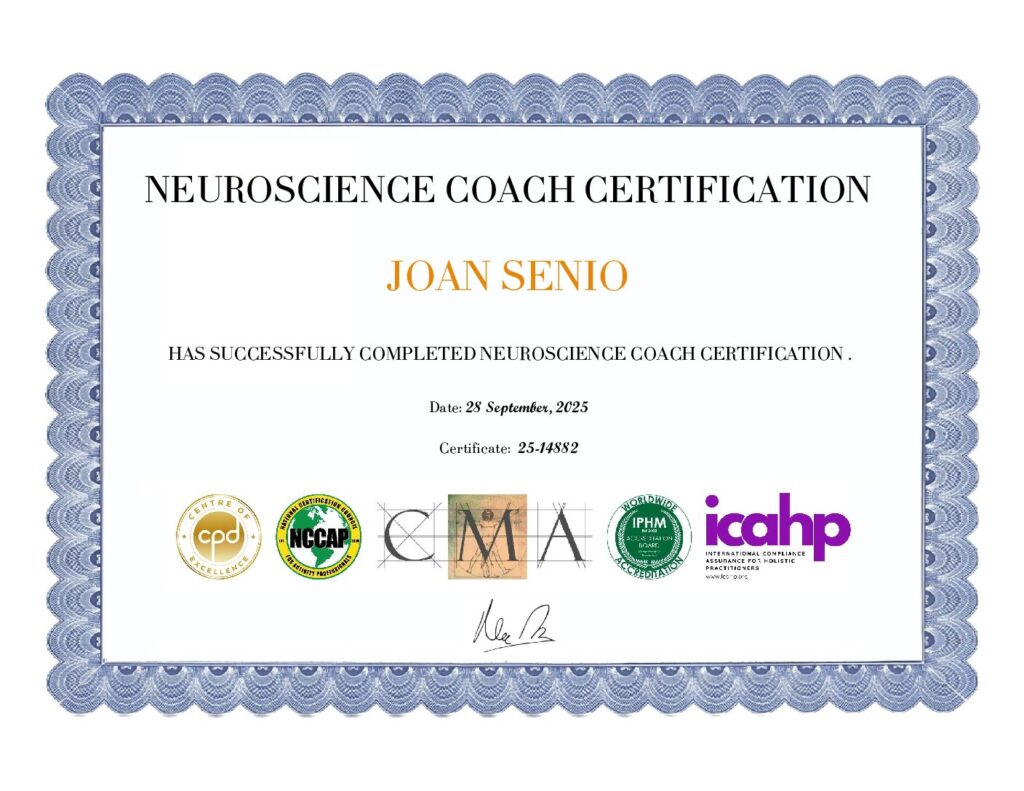
Joan Morabito Senio is the founder of Kindness-Compassion-and-Coaching.com. Joan’s career includes clinical healthcare plus 20+ years as an executive in a nationwide health care system and 15 years as a consultant. The common threads throughout Joan’s personal and professional life are a commitment to non-profit organizations, mental health, compassionate coaching, professional development and servant leadership. She is a certified Neuroscience Coach, member of the International Organization of Life Coaches, serves as a thought-leader for KuelLife.com and is also a regular contributor to PsychReg and Sixty and Me. You can read more about Joan here: Joan Senio.


One Response
[…] Wholehearted living is about holding space for the full range of human experience while choosing to live with integrity, self-compassion and a commitment to being our true selves. […]