

There comes a moment in many people’s lives when they quietly wonder, “Why do I feel everything so intensely?” Maybe you’ve spent years sensing the emotional undercurrents in a room before anyone speaks. Maybe you absorb other people’s moods without meaning to. Or maybe you’ve always felt “different,” more attuned, more porous, more affected by the world than those around you. Many people reach this point of self‑questioning and discover something meaningful about themselves: they might be an empath.
If you’ve ever worried that you’re “too sensitive,” “too emotional,” or “too much,” it’s important for you to know that being an empath isn’t a flaw or a weakness. It’s a way of experiencing life that is rich, intuitive, and deeply connected.
But it can also be confusing, especially if you’ve never had language for what you feel. Today, we explore the world of empathic people, discuss what an empath truly is, how to recognize the signs in yourself, and how to navigate the world with more compassion for your own inner landscape.
What’s the Difference between Empathy and Sympathy?
What is an Empath?
An empath is a person who naturally and consistently senses, absorbs, or mirrors the emotions and energies of others. This goes beyond ordinary compassion or strong listening skills.
Empaths often experience other people’s feelings in their own bodies and minds, sometimes without any obvious external cue.
They may walk into a crowded room and instantly know the emotional temperature, or they may feel drained after spending time with someone who is anxious or upset.
This quality of being overly sensitive to the emotions of others is a trait, not a diagnosis. It describes a pattern of emotional processing that can be a profound strength when it’s understood and supported.
Because the word is used in different ways, it helps to be clear about what it does not mean.
For example, empathic people are not mind readers, and being empathic does not automatically mean someone is psychic.
It is not a sign of weakness or fragility, nor does it mean a person must always absorb other people’s emotions.
Empathy is a capacity for deep emotional attunement that does not determine someone’s choices, boundaries, or resilience.
With the right tools, anyone can regulate their sensitivity and avoid being overwhelmed.
Learn How to Better Regulate Emotions
How to Recognize These Qualities in Yourself
Some questions that may help you determine the level of your empathic qualities include:
- Do you often feel emotions intensely and immediately, in your own body and mind, as if another person’s sadness or tension becomes your own?
- Can the mood of a room affect you physically, leading to tightness in the chest, a headache, or sudden fatigue?
- Are you highly sensitive to sensory input and loud noises and bright lights and do chaotic environments feel overwhelming?
- Do social interactions that leave others energized leave you empath depleted? Does it require time alone for you to recover?
- Empaths tend to be deeply intuitive; they sense what others need before it’s spoken and are frequently the person friends confide in. Do people often confide in you?
- Have you ever had to ask yourself whether a feeling is yours or borrowed?
Take the Quiz: Are You an Empath?

How to Recognize These Qualities in Others
When you look for empathic traits in someone else, watch how they respond to emotional cues.
Empaths listen without rushing to fix things; they notice subtle shifts in tone and body language and often offer comfort instinctively.
They may withdraw when they’re overwhelmed, not because they’re aloof but because they need to protect their energy.
In groups, empaths are often the quiet stabilizers, the people others turn to when they need to be heard.
If someone seems unusually attuned to the feelings of others and sometimes appears exhausted after social time, they may be an empath.
Learn more about Being Empathic vs. Being Empathetic
What to Look Out For
Empaths carry gifts and vulnerabilities.
- One of the first things to watch for is emotional overload: when you feel everything at once, your nervous system can become taxed.
- Compassion fatigue is another common issue; constantly supporting others without replenishing your own reserves leads to depletion.
- Empathic people can struggle with boundary setting because they feel others’ needs so strongly, and that can create patterns of people‑pleasing or emotional enmeshment.
- You may also find yourself absorbing stress that isn’t yours, which can cause confusion about your own feelings and physical symptoms like headaches, muscle tension, or chronic fatigue.
Recognizing these patterns early may give you the chance to build protective habits before emotions become overwhelming.
Those who sense emotions deeply may sometimes worry that this sensitivity is a flaw, and that worry may prompt us to try to squash our feelings and reactions. Working to cover who we are can become difficult, uncomfortable, and eventually, isolating
What Are the Risks?
The risks of being overly tuned into the emotions of others are both relational and physiological.
Without clear boundaries and self‑care, empathic people are vulnerable to burnout, chronic stress, and one‑sided relationships where their emotional labor is taken for granted.
They may attract people who need constant emotional support, which can leave the empath feeling used or depleted.
Over time, persistent absorption of others’ emotions can erode a sense of self, making it harder to distinguish personal desires from borrowed feelings.
Left unaddressed, these dynamics can contribute to anxiety, depression, and physical health problems. The good news is that these risks are manageable with intentional practices that protect energy and restore balance.
How to Thrive Without Burning Out
Living well means learning to honor your sensitivity while protecting your energy.
- Start with emotional differentiation: when a strong feeling arises, pause and ask whether it belongs to you or whether you picked it up from someone else. This simple habit builds clarity.
- Boundaries are also essential; they are not rejection but a form of self‑care. Practice saying things like, “I want to support you, but I need a break,” or “I care about you, and I can’t take this on right now.”
- Grounding practices including deep breathing, time in nature, mindful movement, and sensory grounding (holding a warm cup, feeling your feet on the earth) all help calm the nervous system.
- Limit exposure to emotionally draining environments and create an “emotional buffer” by visualizing a protective boundary around your energy.
- Prioritize rest and recovery; empathic people often need more downtime than others, and that is okay.
- Seek relationships that feel mutual and reciprocal, and learn to say “no” without apology.
Over time, these practices can convert sensitivity from a potential liability into a source of resilience and wisdom.
What to Do If You Are an Empath
Discovering that you’re an empath can feel both validating and overwhelming.
On one hand, it finally explains why you sense so much, feel so deeply, and notice emotional undercurrents others miss. On the other, it can raise questions about how to protect your energy, stay grounded, and move through the world without absorbing everything around you.
The good news is that with the right tools and practices, being an empath becomes far less draining and far more empowering.
Below are five products that we recommend that can help you regulate your nervous system, create emotional boundaries, and feel more grounded in daily life.*
1. Healing Crystal Set for Anxiety & Emotional Balance. Many empaths describe feeling “full” of other people’s emotions by the end of the day. A grounding crystal set can serve as a tactile reminder to release what isn’t yours. This set includes stones like amethyst, sodalite, and rose quartz, each known for calming and centering. Holding or carrying them can help you reconnect with your own energy when everything feels too loud.
2. Amethyst Palm Stone for Grounding & Self‑Soothing. If you often feel overstimulated or emotionally saturated, a palm stone can be a powerful self‑regulation tool. The smooth, weighted texture gives your hands something to focus on, helping your nervous system settle. Many empaths find that simply holding an amethyst stone during stressful moments helps them feel more anchored and less overwhelmed.
3. Positive Energy Bracelet with Protective Stones. Empaths absorb emotional energy easily, sometimes without realizing it. A bracelet made with stones like black tourmaline, citrine, and sunstone can serve as a gentle energetic boundary. Wearing it throughout the day can help you feel more protected and less affected by the moods and stress of others. It’s a small, wearable reminder that your energy matters too.
4. Weighted Blanket for Deep Pressure & Emotional Regulation. When you’ve absorbed too much from the world, your body often knows before your mind does. A weighted blanket provides deep pressure stimulation, which can calm an overstimulated nervous system and help you feel safe in your own body again. Many empaths use weighted blankets during rest, meditation, or before sleep to release emotional tension and reconnect with themselves. Read our weighted blanket reviews and recommendation to choose the one that’s best for you.
5. Fidget/Spinner Ring for Emotional Reset Moments. Empaths often need small grounding rituals throughout the day, especially during conversations or environments that feel emotionally charged. A spinner ring offers a discreet way to self‑soothe without withdrawing. The repetitive motion helps regulate anxiety, release excess emotional energy, and bring you back into your body when you start to feel overwhelmed.
*The links in the section are affiliate links. That means that we may receive a small commission at no cost to you when you purchase anything via one of these links. These commissions help us keep Kindness-Compassion-and-Coaching.com a free resource, as they help to cover website expenses. Thank you for your support!
What is an Empath vs. Highly Sensitive Person (HSP)?
The terms empath and Highly Sensitive Person (HSP) overlap but are not identical.
HSP is a scientifically studied trait called sensory processing sensitivity. HSPs process information deeply, are easily overstimulated, and experience emotions intensely.
An empath specifically absorbs or mirrors other people’s emotions; not every HSP does this.
Many empaths are HSPs, but some HSPs are more focused on sensory and cognitive depth rather than emotional absorption.
Understanding the distinction can help you choose strategies that best fit your experience.
Frequently Asked Questions
1. What is an empath?
Someone who naturally absorbs, senses, and feels the emotions and energies of others with unusual depth. Instead of simply understanding how someone feels, an empathic person often experiences those emotions internally. This sensitivity can be a profound gift, especially in relationships, coaching, caregiving, and creative work, but it also requires intentional boundaries and self‑care.
2. How do I know if I’m an empath?
Many people discover this after noticing lifelong patterns: feeling emotionally overwhelmed in crowds, intuitively sensing others’ moods, needing more downtime than peers, or being deeply affected by conflict, noise, or tension. If you’ve ever wondered why you “feel too much,” or why you pick up on things others miss, this may be the answer. Self‑reflection, journaling, and learning about relevant traits can help provide clarity.
3. What’s the difference between an empath and a Highly Sensitive Person (HSP)?
Both share a heightened sensitivity to emotional and sensory input, but they’re not identical. HSPs process information deeply and are more reactive to sensory stimuli like noise, light, or texture. Empathic people may have these traits too, but their defining feature is emotional absorption. They feel other people’s emotions as if those emotions were their own. All empaths are sensitive, but not all sensitive people are empaths.
4. Are empaths born or made?
Much research and anecdotal evidence suggests empathic sensitivity is a combination of temperament, early experiences, and nervous‑system wiring. Many describe being highly sensitive from childhood, while others say their empathic abilities intensified after trauma, caregiving roles, or spiritual awakening. In other words, it’s both nature and nurture.
5. Why do empathic people get overwhelmed easily?
They take in more emotional and sensory information than the average person, and they process it more deeply. Without boundaries, grounding practices, or recovery time, this constant input can lead to emotional fatigue, overstimulation, or even burnout. Overwhelm is a signal that our nervous system needs space, rest, and protection.
6. Can empaths turn off their empathy?
Empathy isn’t something one can simply switch off, but it can be managed. Skills like emotional boundaries, grounding techniques, somatic awareness, and mindful detachment help you to stay connected without becoming drained. The goal isn’t to stop feeling; it’s to learn how to feel without losing yourself.
7. Are empaths more likely to attract toxic or narcissistic people?
Many report patterns of attracting emotionally demanding or self‑focused individuals. This often happens because empathic people are naturally compassionate, patient, and attuned to others’ needs: qualities that can unintentionally enable unhealthy dynamics. With stronger boundaries and self‑trust, these patterns can be broken, and mutual, respectful, and nourishing relationships can be built.
Closing: How to Honor Your Sensitivity as an Empath
If this article resonated with you, allow yourself a moment of relief. Recognition is the first step toward compassionate self‑care. Your sensitivity is not a flaw to hide but a capacity to be honored and stewarded.
Start small: journal about the traits that felt most familiar, try one grounding practice, or experiment with a gentle boundary in a low‑stakes situation.
Over time, these small choices add up to a life where your empathy is a source of connection rather than exhaustion.
You deserve relationships that nourish you, practices that restore you, and the freedom to be both sensitive and strong.
When you’re ready, explore resources on nervous system regulation, boundary setting, and supportive communities that understand the empath experience.
Thank you as always for reading.
Some links in this post may be affiliate links. That means that we may receive a small commission at no cost to you when you purchase anything via one of these links. These commissions help us keep Kindness-Compassion-and-Coaching.com a free resource, as they help to cover website expenses. Thank you for your support.

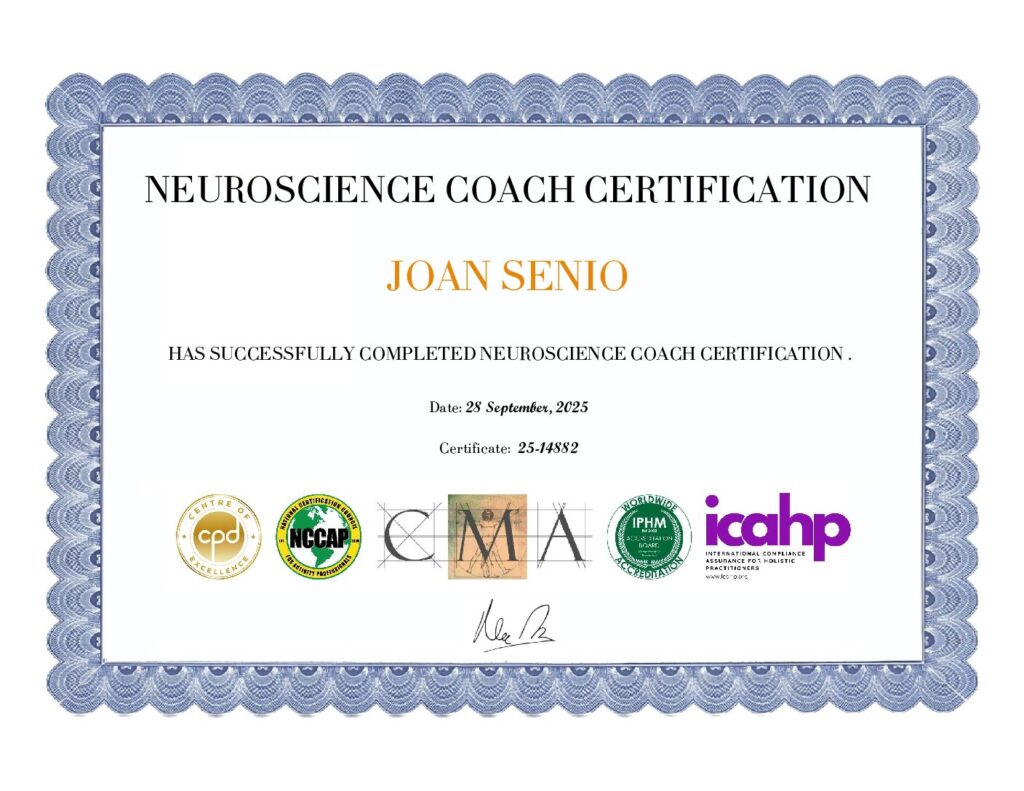
Joan Morabito Senio is the founder of Kindness-Compassion-and-Coaching.com. Joan’s career includes clinical healthcare plus 20+ years as an executive in a nationwide health care system and 15 years as a consultant. The common threads throughout Joan’s personal and professional life are a commitment to non-profit organizations, mental health, compassionate coaching, professional development and servant leadership. She is a certified Neuroscience Coach, member of the International Organization of Life Coaches, serves as a thought-leader for KuelLife.com and is also a regular contributor to PsychReg and Sixty and Me. You can read more about Joan here: Joan Senio.


No Responses